
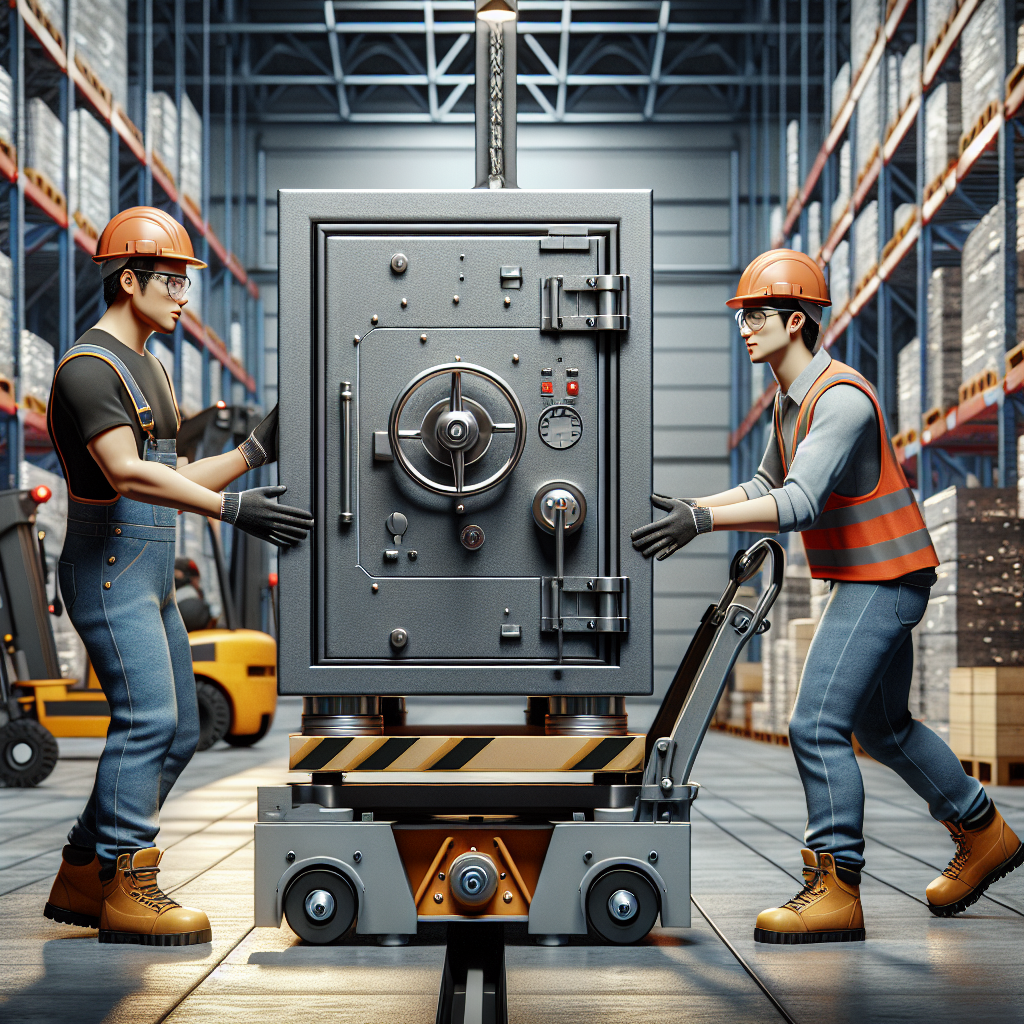
Safes are designed to protect valuables, documents, firearms, and other crucial items from theft, fire, and water damage. However, these security features come with a significant downside: weight. Larger safes can weigh several hundred pounds, making their installation a daunting task. Whether you’ve just purchased a high-capacity gun safe or are relocating an existing one, it’s crucial to approach the process with care and appropriate safety measures.
This guide will cover essential safety precautions for handling and installing heavy safes. These tips not only protect your property but also prevent personal injuries that could arise from improper handling. Safety is paramount, and by following the outlined steps, you can ensure a smooth and secure installation process.
Preparation is Key
Before you even think about lifting the safe, you need to prepare. Evaluate the weight of the safe and the structure of your home. Ensure that your floors can support the weight of the safe. If you are unsure, consult a structural engineer. Planning the route to move the safe is also vital. Measure doorways, hallways, and staircases to make sure the safe can pass through. Additionally, remove any obstacles and protect your flooring from potential damage. Plywood sheets can serve as an excellent buffer to prevent scrapes and indentations.
Gather a team of at least three to four people to assist with the move. Moving a heavy safe is not a solo activity and requires coordinated effort. Clear communication and designated roles can make the process smoother and more efficient.
Safety Gear and Equipment
Your body should be protected during the heavy lifting and moving. Wear steel-toed boots to protect your feet from accidental drops and gloves to enhance your grip and protect your hands. Additionally, consider wearing back braces to offer lumbar support and prevent strains. Avoid loose clothing that could get caught in equipment or hinder movement.
Investing in proper moving equipment is equally essential. Appliance dollies, stair-climbing dollies, lifting straps, and moving blankets can significantly reduce the physical strain and potential for damage. Ensure that all equipment is in good condition to avoid failure during the move. Use moving blankets to pad the safe, protecting both the safe and your home’s interior from damage.
Executing the Move
Now that you’re prepared, it’s time to execute the move. Position the dolly alongside the safe and gently tilt the safe, sliding it onto the dolly. Secure the safe with straps, ensuring it’s balanced and stable. If you have to navigate stairs, use stair-climbing dollies specifically designed for this purpose. Always keep the safe upright; tilting it too much could compromise its internal mechanisms.
Move slowly and steadily. Quick movements can result in accidents. Communicate with your team constantly to ensure everyone is in sync and aware of the surroundings. Keep your path clear, and if something obstructs your way, stop and remove it before proceeding.
Securing the Safe in Place
Once you’ve successfully moved the safe to its intended location, securing it properly is crucial. The safe should be anchored to the floor or the wall to prevent tipping, especially in areas prone to earthquakes. Use a drill to anchor your safe, following the manufacturer’s guidelines for bolt size and placement.
If you’re installing the safe in a garage or basement, consider the moisture levels. Excess moisture can damage the safe’s contents over time. Use desiccants or a dehumidifying rod to control the moisture inside the safe. Regularly check the condition of these moisture control tools to ensure they are functioning properly.
Testing and Final Adjustments
Once your safe is in place and securely anchored, it’s time to test its functionality. Open and close the door several times to ensure it’s operating smoothly. Check the locking mechanism to ensure it’s working correctly. If you’ve installed an electric lock, test the electronic components and make sure they are responsive.
Make final adjustments to the positioning if necessary. Ensure that the safe is level and stable. If any part of the safe wobbles or is unstable, re-evaluate the anchoring and make the necessary adjustments. Installation is a significant task, and it’s better to take your time than rush to completion.
Regular Maintenance and Safety Checks
Your responsibility doesn’t end with the installation. Regular maintenance is necessary to ensure that your safe continues to function correctly and provides the necessary protection. Schedule periodic checks for the locking mechanism and any electronic components. Lubricate the hinges and check for rust or wear on bolts and anchors.
Implement a routine for updating the moisture control methods within the safe. Regularly replace desiccants and inspect dehumidifiers. Maintaining the environment inside the safe is just as important as its physical security. Also, periodically review and practice safety protocols with family members to make sure everyone knows how to access the safe in case of an emergency.
Conclusion
Installing a heavy safe is a significant commitment that requires careful planning and execution. By taking the right preparatory steps, using suitable safety equipment, and following a coordinated moving plan, you can install your safe securely and without incident. Remember, the key to success is in the details: from ensuring your floors support the weight to regular maintenance checks after the installation.
The security your safe offers is only as good as the care you put into its installation and upkeep. Consider every step an investment in the safety of your valuables and your household’s well-being. Stay informed and proactive, and your heavy-duty safe will provide you with peace of mind for years to come.