

When it comes to gun ownership, responsibility is paramount, and this extends to how you store your firearms. Gun safes are a quintessential part of secure firearm storage, ensuring that your weapons are inaccessible to unauthorized individuals, especially children. However, the efficiency of a gun safe is influenced by how it is installed and, more specifically, whether it is level. An unlevel gun safe can pose various risks, ranging from compromised security to accelerated wear and tear.
Imagine the horror of reaching for your firearm in an emergency, only to find the door doesn’t open smoothly or, worse, jams. Such scenarios can be avoided by ensuring that the gun safe is installed levelly. This article will explore the significance of having your gun safe perfectly leveled and provide exhaustive methods on how to achieve this. Whether you are installing a new safe or reassessing an existing one, understanding these principles will boost your overall safety.
As we progress, we’ll cover the reasons why leveling is crucial, the tools you’ll need, and the step-by-step process to make sure your safe sits perfectly. We’ll also tackle the nuances involved in diverse flooring situations, either in residential or commercial properties. By the time you finish reading, you will be well-equipped with the knowledge to ensure your gun safe is level and securely set for optimal performance.
Why Leveling Your Gun Safe is Crucial
The importance of a level gun safe extends beyond convenience. First and foremost, an unlevel safe can compromise its locking mechanisms. Safes are engineered to operate correctly when placed flat, and even a slight tilt can disturb the alignment necessary for locking bolts to move smoothly. This misalignment could render the safe either difficult to open or, worse, impossible to lock properly.
Another critical reason is longevity. An unlevel safe experiences uneven pressure distribution, which can cause structural strain over time. This strain can lead to internal damages, such as warped shelves or deformed frames, ultimately reducing the safe’s lifespan. Additionally, imagine storing valuables like documents or jewelry in an unevenly distributed safe. Such an imbalance can cause delicate items to shift or fall, potentially inflicting damage.
Last but not least, safety is a pivotal concern. An unlevel safe can be more susceptible to tipping, especially if it’s not anchored correctly. While this might seem like a remote possibility, accidents can happen, particularly in homes with children or pets. A tipping safe can cause serious injury or even fatalities, making it imperative to ensure that your safe sits on a stable and level surface.
Essential Tools for Leveling Your Gun Safe
Before diving into the leveling process, gathering the necessary tools will streamline your efforts. Here’s a list of equipment you’ll need:
- Bubble Level: A high-quality bubble level will help you determine whether your safe is perfectly level.
- Shims: These small, tapered wedges assist in making minute adjustments and usually come in plastic or wood varieties.
- Carpenter’s Square: Ensures that your angles are perfectly perpendicular, helping with more precise leveling.
- Drill and Anchors: Needed if you have to bolt your safe to the floor.
- Measuring Tape: An essential tool for verifying dimensions and placement.
- Non-Slip Mats: These can help stabilize your safe and prevent it from moving once it’s in place.
These tools are largely inexpensive and can be found at most hardware stores. Investing in them will save you a lot of hassles down the road.
Step-by-Step Leveling Guide
Now that you’ve gathered all your tools, it’s time to get down to the actual leveling process. Follow these steps carefully for optimal results:
- Select the Location: Choose a spot that is structurally sound. The floor should be able to bear the safe’s weight. Avoid placing your safe on carpets, as they can lead to an unsteady base.
- Initial Placement: Position the safe roughly where you intend to place it. It’s easier to make adjustments if it’s close to its final destination.
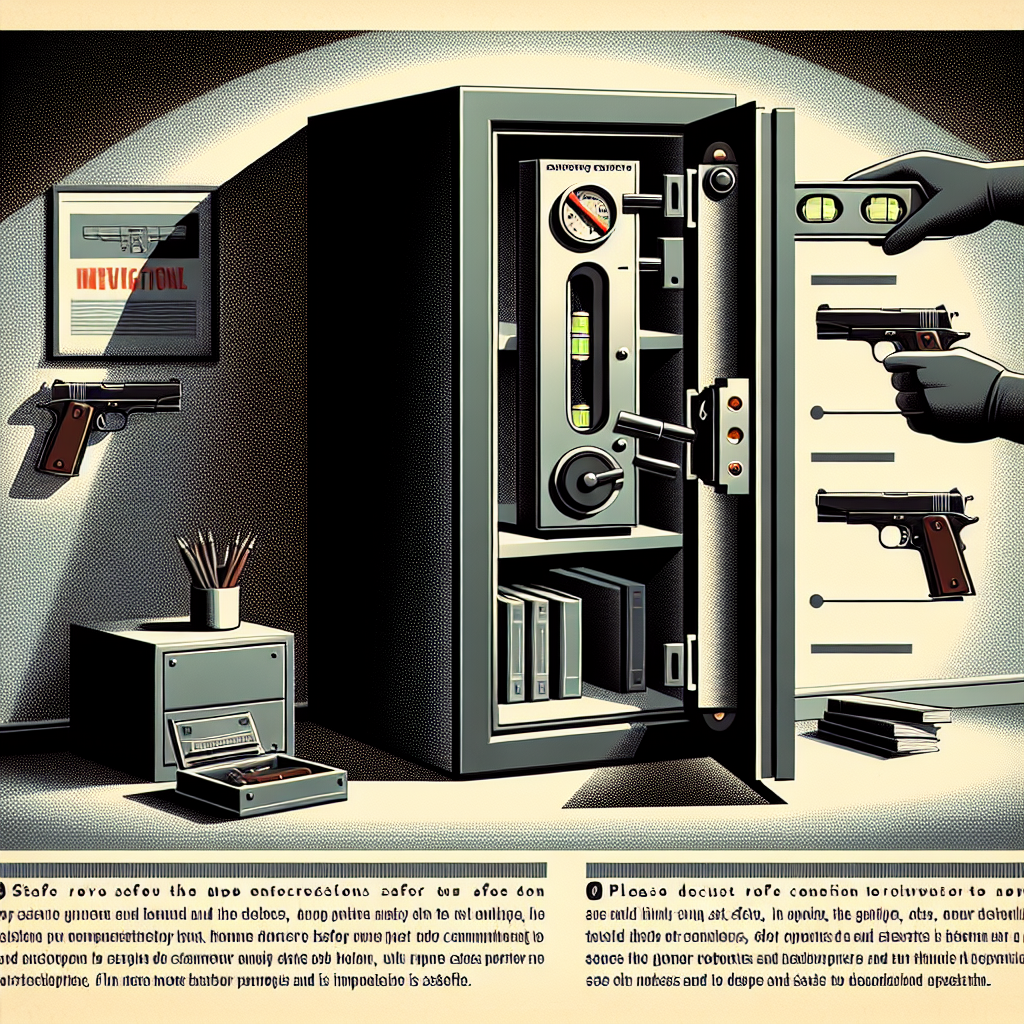
- Check Level Front to Back: Using your bubble level, check if the safe is level from front to back. Place shims underneath the side that is lower until the bubble is centered.
- Check Level Side to Side: Repeat the leveling process for the left-to-right alignment. Again, use shims to elevate the lower side until it is perfectly balanced.
- Reconfirm Stability: Once both alignments are verified, recheck the level from all angles. Ensure that the safe remains level even after opening and closing the door a few times.
- Anchor the Safe: If your floor supports bolting, use your drill and anchors to secure the safe. Verify its level after each bolt is driven to ensure that the process hasn’t compromised the alignment.
- Safety Checks: Finally, give the safe a gentle nudge from various angles to make sure it doesn’t wobble. Ensure all the shims are stable and recessed under the safe, so they won’t slip out of place over time.
These steps might seem tedious, but remember, the safety and longevity of your firearm storage depend on it. Don’t rush; take your time to ensure each step is completed correctly.
Special Considerations for Different Floor Types
Not all floors are created equal, and some may pose additional challenges when leveling your gun safe. Here are some considerations for different flooring types:
Concrete Floors
Concrete is generally stable and capable of bearing heavy weights, making it an ideal surface for a gun safe. Use concrete screws and anchors to bolt the safe down, ensuring no movement occurs over time.
Wooden Floors
Wooden floors can be tricky due to their potential for flexing under weight. Use wider shims to distribute the weight more evenly. When bolting the safe, ensure you use wooden anchors to prevent damage to the floor structure.
Tile Floors
Tile floors look elegant but can be slippery. Place a non-slip mat under the safe to prevent it from shifting. When drilling, exercise caution to avoid cracking the tiles. Use rubber or softer shims to avoid damaging the tile surface.
Troubleshooting Common Problems
Sometimes, despite your best efforts, issues can arise when leveling a gun safe. Here’s how to troubleshoot some common problems:
Persistent Wobbling
If your safe continues to wobble, you might not have used enough shims or placed them correctly. Recheck the placement and add more shims if needed. Ensure they are evenly distributed to provide better stability.
Stubborn Safe Doors
If the door remains difficult to open or close, double-check the level of the safe. Any misalignment, even if slight, can cause the door to malfunction. Correct the level and test the door again.
Drilling Issues
If you find drilling into the floor difficult, verify that you are using the correct drill bit and anchor type for your specific floor material. Using the wrong tools can make the task harder and may damage either your floor or anchor.
Maintenance Tips for a Level Gun Safe
Just because your gun safe is level now doesn’t mean it will stay that way indefinitely. Regular maintenance checks are essential.
- Monthly Checks: Conduct a quick level check every month to ensure the safe hasn’t shifted. Pay particular attention to this if you live in an area prone to ground vibrations, such as earthquakes.
- Shim Inspection: Over time, shims may compress or shift. Inspect them regularly and replace or readjust as necessary.
- Door Functionality: Periodically assess the ease of opening and closing the safe’s door. Any new difficulty might indicate a shift in the safe’s level.
- Rebolt if Necessary: If you notice the safe moving more than expected, consider unbolting and rebolting it, especially after ensuring it is properly leveled again.
Conclusion
Ensuring your gun safe is perfectly level is a cornerstone of responsible firearm ownership. The repercussions of neglecting this task can range from compromised security to physical danger. By understanding why leveling is crucial and following the detailed steps and maintenance tips provided, you can ensure that your gun safe remains secure, functional, and durable for years to come.
The tools and techniques outlined in this article are not just practical but essential for the proper installation and ongoing maintenance of your gun safe. From careful consideration of your flooring type to detailed, step-by-step instructions, you now have a comprehensive guide to help you get the job done right.
Remember, a level gun safe is more than just a convenience; it’s a key component of your overall safety plan. Take the time, gather the right tools, and follow each step methodically. The peace of mind you’ll gain from knowing your firearms are securely stored in a level, stable safe is well worth the effort.