
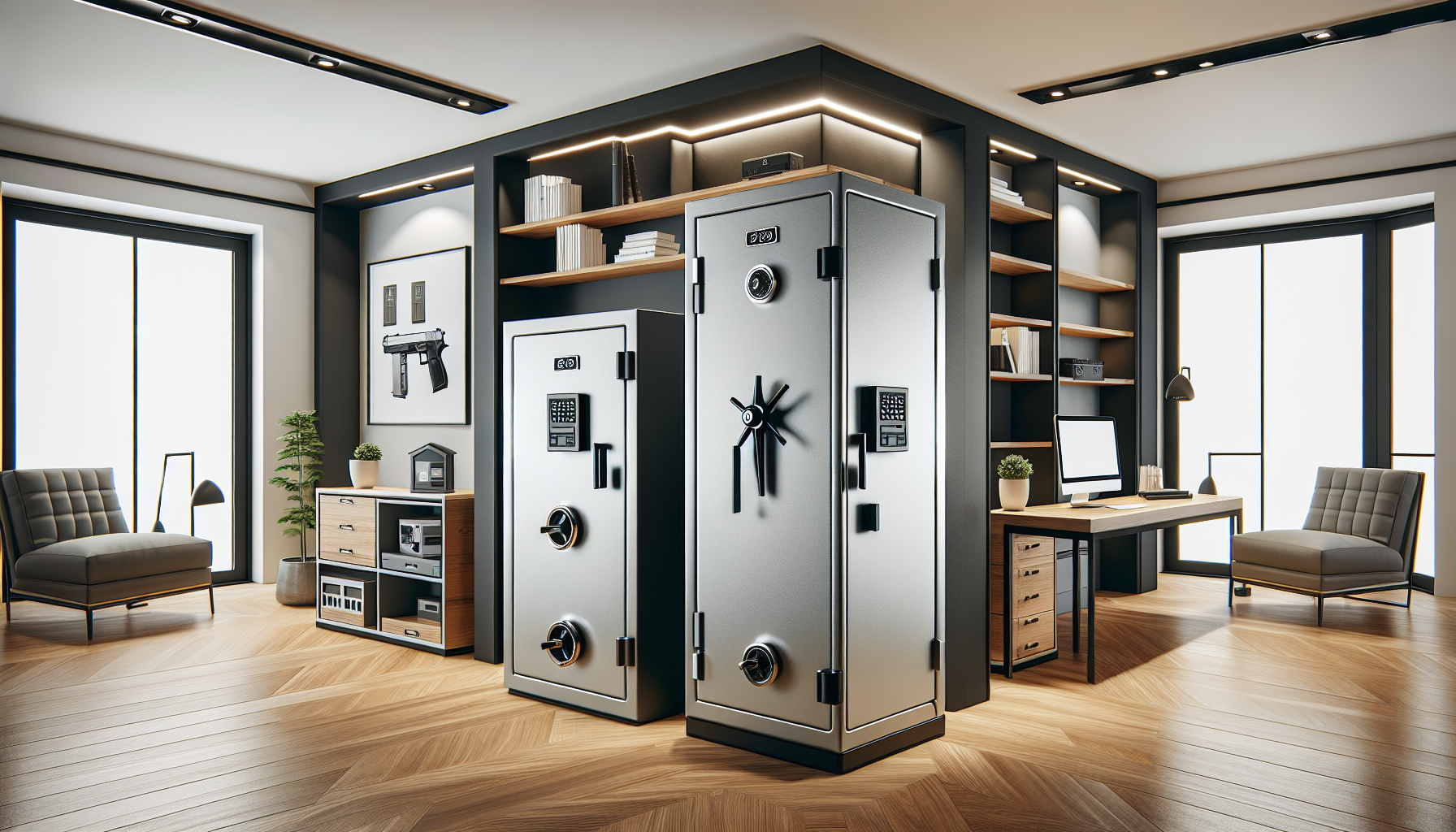
Buying your first gun safe is less about finding the biggest steel box for the lowest price and more about matching security, fire protection, storage capacity, and day-to-day usability to the firearms you actually own. For first-time buyers, that distinction matters because the market is crowded with entry-level models that look similar online yet differ sharply in steel thickness, lock quality, interior flexibility, and warranty support. A gun safe, in plain terms, is a locking security container designed to prevent unauthorized access, reduce theft risk, and in many cases provide a rated level of fire resistance for firearms and related valuables. Entry-level does not mean disposable; it means a practical starting point, usually in the broad range of 10-30 long-gun capacity claims, that balances cost with meaningful protection. I have helped new owners choose safes for apartments, suburban homes, workshops, and small hunting cabins, and the same pattern repeats: buyers focus first on advertised gun count and price, then discover too late that access layout, bolt-down options, and realistic storage capacity matter more. This guide serves as a central buying hub for first-time buyers who need dependable recommendations and a framework for evaluating any beginner gun safe before money changes hands.
Why this matters goes beyond convenience. Safe storage is a core part of responsible firearm ownership, especially in homes with children, frequent visitors, service workers, or shared living spaces. In many states, secure storage laws create legal obligations after purchase, and even where statutes are less specific, insurance claims and civil liability can turn on whether a firearm was stored responsibly. Theft is the most common risk for many households, not cinematic safecracking. Most residential gun thefts are smash-and-grab events where criminals exploit time, visibility, and weak anchoring. That is why first-time buyers should understand key terms before comparing models. Gauge refers to steel thickness, with lower gauge numbers indicating thicker steel. Fire rating usually expresses a tested duration at a stated external temperature, but standards and testing methods vary by manufacturer. Lock types include electronic keypad, mechanical dial, biometric scanner, and redundant systems combining two methods. Residential Security Container, often shortened to RSC, is a common baseline classification under UL 1037 for burglary resistance, and it is important because many consumer gun safes are RSCs rather than true high-security commercial safes. Knowing these distinctions helps you buy a safe that fits your threat model instead of your assumptions.
What First-Time Buyers Should Look for Before Comparing Brands
The best gun safe for a beginner is the one sized and specified for real use over the next five to ten years. Start with inventory. Count long guns with optics attached, handguns, magazines, documents, jewelry, and anything else that may share the safe. Then cut the marketing capacity claim by roughly one-third to one-half for a realistic estimate. A “24-gun” cabinet or safe may hold 12 to 16 scoped rifles comfortably, sometimes fewer if you own AR-pattern rifles with pistol grips or oversized optics. I routinely tell new buyers to purchase one size larger than they think they need, because growth happens quickly and overcrowding damages finish, slows access, and encourages unsafe storage outside the safe.
Next, evaluate construction where the value actually sits. At entry level, many respectable safes use 14-gauge to 12-gauge steel bodies, multiple live locking bolts, recessed doors, and drill-resistant hard plates over the lock. Thicker steel improves pry resistance, but design matters too. A well-fitted door frame, internal hinges with full door swing, reinforced lock area, and solid anchor points can make a moderate-cost safe substantially harder to defeat during a short residential burglary. Fire protection should be treated realistically. Drywall-based insulation is common and can provide meaningful protection in a house fire, but paper ratings on budget models are not directly comparable across every manufacturer. Look for transparent testing claims, door seals that expand under heat, and brands with a track record of honoring fire warranties.
Lock selection is where first-time buyers often overcomplicate the decision. Electronic keypads are the default recommendation for most households because they are fast, easy to use in low light, and practical for frequent access. Good electronic locks from Sargent and Greenleaf or SecuRam are generally dependable when installed correctly and paired with fresh batteries. Mechanical dials remain highly durable and require no power, but they are slower and less intuitive for new users. Biometric access can be convenient on handgun safes, yet on larger gun safes I view it as a secondary feature rather than the deciding factor because fingerprint performance varies with skin condition, placement, and sensor quality. Finally, think about installation before purchase. Even a decent safe loses much of its theft resistance if left unanchored on a garage slab or wood floor. Plan for delivery path, stairs, flooring protection, and bolting hardware from the start.
Best Entry-Level Gun Safe Types for Beginners
First-time buyers usually shop across three categories: gun cabinets, entry-level full safes, and modular safes. Gun cabinets are the lowest-cost option and can make sense for low-risk environments where the goal is basic unauthorized-access prevention rather than serious burglary delay. Products from Stack-On and SecureIt, for example, can provide organized storage with locking doors, but thin steel cabinets are not equivalent to a true safe and generally offer little meaningful fire protection. I recommend cabinets only when budget is tight, the home has layered security, and the buyer understands the limitations clearly.
Entry-level full safes are the sweet spot for most beginners. These models commonly come from brands such as Winchester, Cannon, Liberty, Sports Afield, Browning, and Hornady. They usually offer better steel thickness, more robust locking systems, expanding fire seals, carpeted interiors, and anchor-ready floors. A properly installed entry-level safe gives a household a practical blend of theft deterrence, child access prevention, and limited fire protection. For a first rifle-and-handgun collection, this is usually the correct category. The most common mistake is choosing one based purely on claimed long-gun capacity instead of shelf flexibility, door organizer options, and external dimensions that actually fit the room.
Modular safes occupy a useful middle ground for buyers in apartments, older homes, or any property with tight stairwells and difficult delivery routes. Brands like Zanotti have long shown why modular design matters: panels can be carried in sections and assembled in place without sacrificing every security advantage of a one-piece cabinet. They often cost more than mass-market big-box safes of similar size, but in some homes they are the only way to get a substantial safe into a second-floor office or basement room. If delivery constraints are severe, a modular safe can be the best first purchase because a theoretically stronger welded safe offers no protection if it cannot be installed where it needs to go.
Recommended Entry-Level Gun Safes and How They Compare
For first-time buyers who want practical starting points, a handful of models and lines consistently make shortlists because they are widely available, reasonably supported, and appropriate for common household needs. The Liberty Centurion line is a frequent recommendation because it offers a recognizable brand, usable interior layouts, and straightforward electronic lock options at a beginner-friendly price. The Winchester Gun Safe line sold through major retailers often appeals to buyers seeking more interior volume per dollar, though feature mixes vary by retailer-exclusive model. Cannon’s Safari or similar entry categories can fit households prioritizing broad availability and decent starter fire ratings. Hornady’s gun cabinets and safes are often considered by new owners who want accessory organization and a brand already familiar from ammunition and reloading products. Sports Afield’s entry-level safes have also earned attention in the budget segment, particularly where Costco or regional dealers offer strong seasonal pricing.
| Type | Best For | Typical Strengths | Main Tradeoff |
|---|---|---|---|
| Gun cabinet | Very tight budgets, low-risk homes | Low cost, light weight, simple setup | Minimal burglary resistance, little or no fire protection |
| Entry-level full safe | Most first-time gun owners | Better locks, thicker steel, fire lining, anchor points | Heavier, more expensive, harder delivery |
| Modular safe | Apartments, stairs, narrow access routes | Easier installation, good real-world flexibility | Higher cost for comparable size |
When comparing actual recommendations, use the same lens across every product page. Ask four direct questions. Is the steel thickness clearly stated? Is the lock from a known manufacturer or at least a proven platform? Does the interior support scoped rifles without forcing them into tight alternating slots? Can the safe be bolted down in the room where it will live? Those questions eliminate many poor fits quickly. In practice, I often steer beginners toward a modest full safe in the 18- to 30-gun advertised range, with an electronic lock, internal shelving flexibility, and a dealer or retailer that can support warranty claims locally. That size works well for a first collection of a few rifles, one or two shotguns, several handguns, documents, passports, and ammunition stored within manufacturer guidance.
Price shopping matters, but support matters more than many new buyers expect. Retail exclusives can obscure direct comparisons because two safes with nearly identical dimensions may carry different model numbers, interiors, or lock packages depending on the store. Read the spec sheet, not just the badge. Also distinguish between promotional accessories and meaningful construction value. A door panel organizer, dehumidifier port, or power outlet kit is useful, but none compensates for poor lock quality, unclear fire claims, or inadequate anchoring. For many first-time buyers, the best recommendation is not a single universal model but a shortlist of reliable lines filtered by room size, budget ceiling, and whether local delivery and installation are available.
Common Buying Mistakes, Setup Tips, and the Smart Next Step
The most expensive mistake first-time buyers make is underestimating total cost. The sticker price is only the beginning. Delivery, stair carries, professional bolting, humidity control, lighting, and possibly a reinforced floor location can add several hundred dollars. The second major mistake is placing the safe where it is easy to see and easy to attack. Garages are common because they are convenient, but they expose safes to moisture, temperature swings, and often better pry access. A closet, interior room, or low-visibility corner anchored to slab or structurally sound flooring is usually better. If a garage is the only realistic location, use a goldenrod-style dehumidifier or desiccant, maintain the lock according to manufacturer guidance, and consider surrounding visibility and surveillance carefully.
Another frequent error is storing ammunition, paperwork, and firearms in a way that defeats access. The safe should improve organization, not create a pile. Use shelves for documents and handguns, leave room for future purchases, and avoid overpacking long guns against optics and turrets. After installation, test your access routine in daylight and in the dark. Replace factory default codes immediately. Keep a documented serial-number inventory outside the safe, ideally encrypted digitally and backed up. If your model uses an electronic lock, change batteries on a schedule rather than waiting for failure warnings. These routine habits matter more over time than the difference between two similarly built entry-level models.
As the buying hub for gun safe buying guides, the core takeaway is simple: first-time buyers should prioritize realistic capacity, known lock quality, honest construction specs, proper installation, and a layout that supports actual use. A well-chosen entry-level gun safe can secure firearms responsibly, reduce theft risk, and create a foundation for safer ownership without overspending on features you do not need yet. Start by measuring your space, listing what you need to store, and narrowing your search to one of the three categories covered here. Then compare a few reputable lines, buy one size up, and have it installed correctly. That approach will serve you better than chasing marketing claims, and it is the smartest first step toward long-term firearm safety.
Frequently Asked Questions
What should first-time buyers look for in an entry-level gun safe?
First-time buyers should focus on fit-for-purpose protection rather than marketing claims alone. The best entry-level gun safe is one that matches the number and type of firearms you own, provides a reasonable level of theft deterrence, offers basic fire protection, and is easy to use every day. Start with steel construction and locking design. Many lower-priced safes look nearly identical in photos, but the thickness of the steel body and door, the quality of the locking bolts, and the strength of the door frame can vary significantly. In practical terms, thicker steel generally offers better resistance to prying and forced entry, while better-built doors and bolt systems help the safe function more reliably over time.
Capacity is another major factor. A safe advertised for 10 or 12 long guns rarely stores that many comfortably once you add optics, slings, magazines, or a few handguns. For most first-time buyers, it is smart to buy slightly larger than current needs suggest. Interior flexibility matters too. Adjustable shelving, barrel rests, handgun pockets, and door organizers can make a compact safe much more usable, especially if you own a mix of rifles, shotguns, and pistols.
Lock type also deserves careful attention. Electronic locks are convenient and fast for regular access, while mechanical dial locks are often valued for simplicity and long-term durability. Neither is automatically better for every buyer; the right choice depends on your preferences and comfort level. Finally, do not overlook practical concerns such as weight, dimensions, delivery access, anchor holes, warranty coverage, and customer service reputation. For a first gun safe, the goal is not perfection in every category. It is finding a balanced model that provides credible security, realistic storage, and dependable everyday usability at a price point that makes sense.
How much fire protection does a beginner really need in a gun safe?
For most first-time buyers, fire protection should be viewed as an important secondary layer of protection rather than the only reason to choose a safe. A basic fire rating can help shield firearms, important documents, and some valuables from heat exposure during a house fire, but it is important to understand what these ratings actually mean. Manufacturers often list a time and temperature rating, such as 30 or 60 minutes at a stated number of degrees. Those numbers can be useful for comparison, but they are not always tested under identical standards across brands. That means a longer advertised rating does not automatically translate into dramatically better real-world performance.
A beginner should look for reasonable fire protection that matches the likely risks in the home and the value of the contents being stored. If you live in an area with strong fire response times and you are mainly storing one or two firearms, a modest fire rating may be enough. If the safe will also hold documents, cash, heirlooms, or optics, stepping up to a model with better insulation and a longer fire rating may be worthwhile. Keep in mind that fireboard insulation, expanding door seals, and a solid door fit all contribute to how well a safe handles heat and smoke.
It is also important to remember the tradeoff between fire protection, cost, and weight. More insulation often means a heavier and bulkier safe, which can affect placement and installation. For entry-level buyers, a good rule is to avoid treating fire protection as a standalone feature and instead evaluate it alongside theft resistance and build quality. A budget safe with a flashy fire label but weak construction may not be the best overall choice. A well-balanced entry-level safe with credible security features and a realistic fire rating is usually the smarter purchase.
Is a gun safe better than a locking cabinet for first-time gun owners?
In most cases, yes, a gun safe is the better option if your budget allows it. A locking cabinet can provide basic access control and help keep children, guests, or unauthorized users away from firearms, but it typically offers much less protection against forced entry than a true gun safe or residential security container. Cabinets are usually made from thinner metal and are designed more for organized storage and legal compliance than for serious theft resistance. That makes them useful in some situations, but not ideal if you want stronger security for even a modest firearm collection.
A gun safe is generally built with heavier steel, more substantial locking bolts, a stronger door, and often some level of fire protection. Those upgrades matter because most firearm thefts are crimes of opportunity. A properly anchored safe is harder to pry open, harder to carry away, and much more likely to discourage a quick smash-and-grab attempt. For a first-time buyer, that added peace of mind is often worth the extra investment, especially if the safe will be located in a garage, basement, or other less visible area of the home.
That said, the right choice depends on your circumstances. If you are storing a single budget rifle in a low-risk environment and simply need secure, locked storage at the lowest possible price, a cabinet can be a reasonable starting point. But if you are comparing entry-level safes and cabinets that seem close in price, the safe usually delivers better long-term value. It offers more protection, often better interior organization, and more room to grow as your collection changes. For most new gun owners, buying an entry-level safe rather than settling for a thin cabinet is the smarter first purchase.
Should I choose an electronic lock or a mechanical dial lock on my first gun safe?
This is one of the most common questions first-time buyers ask, and the answer depends on how you plan to use the safe. Electronic locks are popular because they are fast, convenient, and easy to operate in low light or under stress. You can usually open the safe in seconds without carefully dialing a combination, which is a meaningful advantage if you expect frequent access. Many new buyers also find keypads less intimidating than mechanical dials, and some electronic locks allow for user code changes without calling a locksmith.
Mechanical dial locks, however, remain highly respected for their simplicity and proven track record. They do not rely on batteries, and many owners appreciate their straightforward, time-tested design. While they are slower to open, some buyers prefer them because they avoid concerns about battery failure, keypad wear, or electronic component issues. In entry-level safes, lock quality matters just as much as lock type. A well-made electronic lock from a reputable brand can serve very well, while a poorly made lock of any kind can become a frustration.
For first-time buyers, the most practical approach is to think about daily habits. If you want quick, regular access and value convenience, an electronic lock often makes the most sense. If you prioritize long-term mechanical simplicity and do not mind slower entry, a dial lock may be the better fit. Whichever option you choose, confirm that the lock comes from a reputable manufacturer, understand how backup procedures work, and learn the basic maintenance requirements. A gun safe is only useful if you can access it reliably while still keeping unauthorized users out, so ease of use should be weighed alongside durability and trust in the hardware.
How important is bolting down an entry-level gun safe?
Bolting down an entry-level gun safe is extremely important. In fact, anchoring the safe is one of the most effective ways to improve real-world security, especially with smaller or lighter models that a thief might otherwise tip over, pry at more easily, or remove entirely. Many first-time buyers focus heavily on lock style and fire ratings but underestimate how much security depends on installation. A safe that is not anchored is far more vulnerable, regardless of what the brochure says.
When a safe is bolted to a concrete floor or another suitable structural surface, it becomes dramatically harder to steal and often harder to attack. Thieves generally want speed and low noise. If they cannot move the safe, they lose the advantage of taking it elsewhere to work on it with more time and better tools. Anchoring also helps stabilize taller safes, reduces the chance of tipping, and can improve overall safety inside the home. Most entry-level gun safes include pre-drilled anchor holes for exactly this reason.
Placement matters as well. Ideally, a first gun safe should be installed in a low-visibility area with limited access around the sides, making prying more difficult. A corner location, closet installation, or a spot where the door can still open fully but the sides are less exposed can be beneficial. If the safe is going in a garage, account for moisture, temperature swings, and slab anchoring requirements. If it is going on an upper floor, check weight limits and structural considerations. For first-time buyers, the takeaway is simple: a decent entry-level safe that is properly bolted down will usually provide far better practical protection than a more expensive safe left loose and easy to remove.