
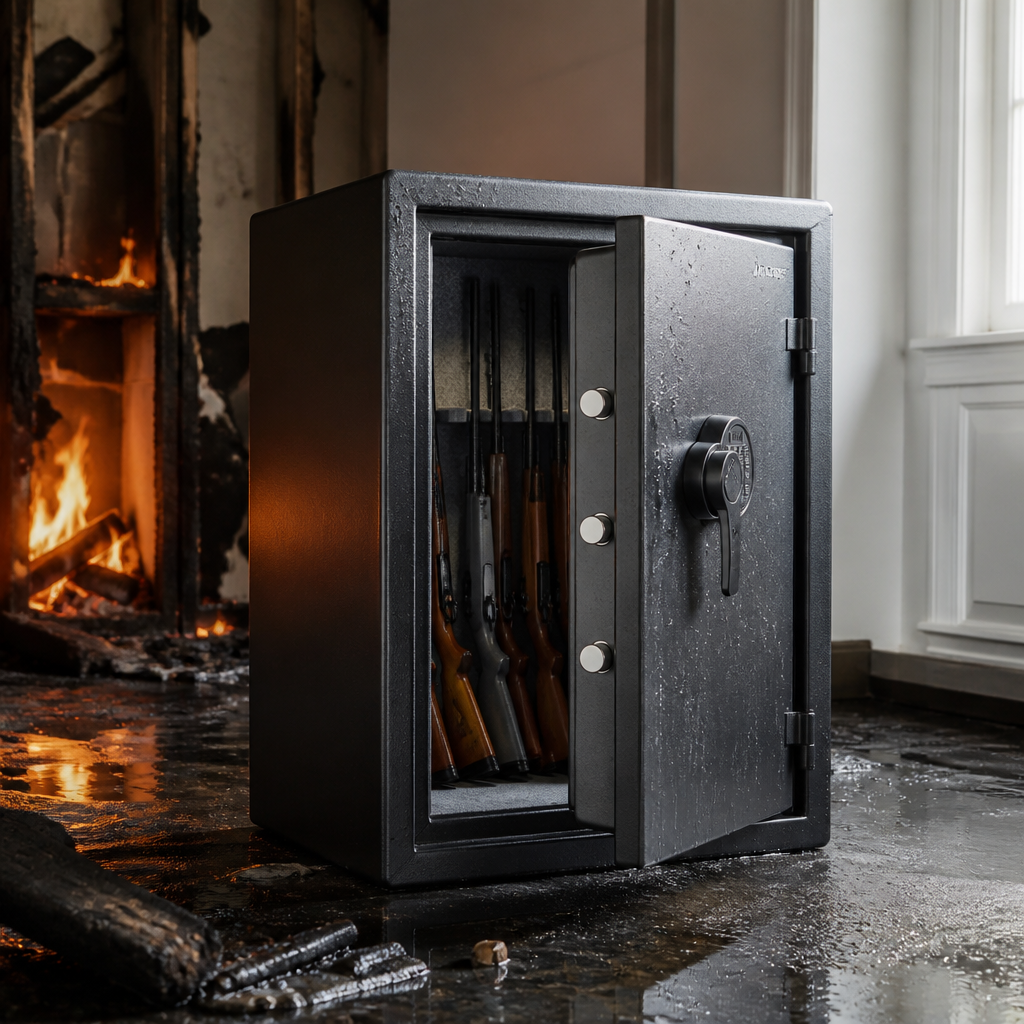
SentrySafe fireproof and waterproof gun safe models appeal to buyers who want burglary resistance, firearm organization, and disaster protection in one cabinet. In the gun safes and safety category, this review hub matters because many owners are no longer choosing between theft protection and environmental protection; they expect both. A fireproof and waterproof gun safe is designed to shield firearms, documents, and valuables from high heat, smoke, water intrusion, and unauthorized access for a defined period. SentrySafe is best known for document safes and residential security containers, so shoppers naturally ask whether its dual-protection designs translate well to firearm storage. That question deserves a careful, product-review approach.
In my experience evaluating home security containers, buyers often focus too narrowly on lock type or advertised fire rating while missing practical issues like long-gun capacity, interior corrosion risk after flooding, anchor options, and the difference between a UL classification and a marketing claim. This hub article covers product reviews in that fuller sense. It explains what SentrySafe does well, where its limitations appear, which specifications matter most, and how to compare this brand with alternatives in the same class. If you are researching a SentrySafe fireproof and waterproof gun safe, the goal is simple: help you decide whether double protection in one safe matches your firearms, your home, and your risk profile before you spend money.
Several terms are worth defining at the start. Fireproof, in consumer safe marketing, usually means tested to maintain an interior below a threshold temperature for a stated time, not that the unit is immune to all fire damage. Waterproof usually means water resistance under specified depth and duration conditions, often relevant during sprinkler discharge, firefighting runoff, storm surge, or basement flooding. Gun safe can refer to anything from a true steel-bodied safe to a residential security container intended mainly for delay against smash-and-grab attacks. Product reviews should separate these claims clearly, because a buyer storing heirloom rifles, defensive handguns, optics, passports, and backup drives has different needs than someone securing a single shotgun in a dry closet. That distinction shapes every recommendation that follows.
What SentrySafe Means by Fireproof and Waterproof Protection
SentrySafe built its reputation on media and document protection, and that history influences how its dual-protection firearm products are engineered. Most relevant models use insulated steel construction intended to keep internal temperatures lower during a house fire while also using seals that expand or compress to reduce water entry. Buyers should read the rating language line by line. A label might state protection for one hour at a specified external temperature and water resistance for up to 24 hours in several inches of water. Those are meaningful claims, but they are controlled test conditions rather than guarantees in every real fire or flood.
That matters in a firearm context because guns introduce additional variables. Metal parts hold heat, wood stocks can warp, optics contain seals and electronics, and ammunition storage raises separate safety and legal questions depending on location. In practical terms, fire and water protection are best understood as time-buying features. They can preserve contents in many common residential emergencies long enough for suppression or drainage, but no consumer safe should be treated as invincible. When I assess these claims, I look for clear test standards, gasket quality, door fit, and whether the interior design keeps firearms elevated away from any minor water intrusion.
How SentrySafe Gun Safe Designs Fit Real Home Use
The strongest case for a SentrySafe fireproof and waterproof gun safe is ordinary residential use. Think of a suburban homeowner with two handguns, one hunting rifle, family documents, jewelry, and digital backups. That buyer often lacks a climate-controlled vault room and wants one safe in a bedroom, office, or finished basement. In that scenario, SentrySafe’s combination of moderate security and environmental protection makes sense. Many competing gun cabinets focus only on theft delay and offer no meaningful fire or flood defense. Others provide strong burglary protection but are oversized, expensive, and difficult to install in upper-story living spaces.
SentrySafe units are often easier to integrate into a normal home because their dimensions, shelving, and mixed-storage interiors support more than firearms alone. That is a real advantage. Most households do not need a safe dedicated exclusively to long guns. They need a central protected storage point for passports, estate papers, cash, hard drives, and a defensive handgun in addition to sporting firearms. Product reviews should credit that versatility. At the same time, mixed-use design can reduce ideal long-gun efficiency, so buyers expecting maximum rifle capacity from a compact footprint may find interior layouts less generous than advertised.
Security Performance: What You Can Expect Against Theft
For theft protection, SentrySafe sits in the consumer-residential category rather than the high-end burglary-safe segment. That is not a flaw if expectations are correct. The typical SentrySafe fireproof and waterproof gun safe uses solid steel construction, live-locking bolts, and either a digital keypad, combination dial, or biometric access system depending on model. These features deter children, guests, opportunistic thieves, and smash-and-grab intruders. They do not place the safe in the same class as a heavy plate-steel safe with a TL rating or a premium composite burglary body.
The practical question is whether the safe creates enough delay to force a criminal to abandon the attempt. In many home burglaries, the answer is yes, especially if the unit is anchored properly. I always tell buyers that anchoring is not optional. A lighter safe with decent steel can outperform a heavier unanchored unit simply because thieves cannot tip it over, pry from the vulnerable side, or remove it for later attack. Lock reliability also matters. Electronic locks are fast and convenient, but they require battery management and can be less forgiving of neglect. Mechanical dials are slower yet proven. Biometric systems offer speed for defensive access, though fingerprint performance can vary with moisture, dirt, or inconsistent finger placement.
Fire and Water Ratings Buyers Should Compare First
When comparing product reviews, the first technical screen should be the fire rating, the water rating, and the source of the test. A claimed sixty-minute fire rating at 1700 degrees Fahrenheit is more useful than a vague statement about surviving house fires. Water claims should specify depth and duration. A safe described as waterproof for 24 hours in up to eight inches of water gives buyers a concrete benchmark. Without those numbers, comparison becomes guesswork.
| Review Factor | Why It Matters | What to Look For |
|---|---|---|
| Fire Rating | Indicates how long the interior may stay below damaging temperatures | Time, external temperature, and named test basis |
| Water Rating | Shows likely resilience during flooding or firefighting runoff | Depth, duration, and seal design |
| Steel and Bolts | Affects pry resistance and attack delay | Body construction, door thickness, live bolts |
| Lock Type | Changes speed, maintenance, and failure points | Digital, dial, or biometric with override details |
| Interior Layout | Determines real firearm capacity and accessory storage | Long-gun spacing, shelf flexibility, soft lining |
| Anchoring Options | Prevents removal and improves overall security | Factory anchor holes and hardware guidance |
These specifications are especially important because one buyer’s priority may be another buyer’s compromise. A family in a wildfire-prone area may accept moderate burglary resistance for stronger fire endurance. Someone in a flood-prone coastal region may care more about waterproof sealing and elevated placement. Product reviews become genuinely useful only when they tie ratings to real household risks rather than repeating brochure language.
Interior Capacity, Gun Fit, and Day-to-Day Practicality
Capacity claims deserve skepticism across the safe industry, and SentrySafe is no exception. Manufacturers often calculate long-gun counts based on slim, unscoped firearms placed tightly together. Real collections include pistol grips, optics, bipods, slings, and variable barrel lengths that reduce usable capacity fast. A safe advertised for twelve long guns may hold fewer once you add modern sporting rifles or shotguns with accessories. For many owners, that is acceptable because the interior shelves and door storage support a mixed inventory better than a tightly packed long-gun-only arrangement.
Daily usability matters more than many reviews admit. Hinges should open wide enough to avoid scraping scoped rifles. Shelf systems should be removable or adjustable so a buyer can switch from document storage to handgun cases or ammunition boxes. Interior carpeting or soft lining helps limit cosmetic wear, but airflow is equally important. After any water exposure, even minor, the owner needs to unload the safe, dry every firearm, inspect optics, and control humidity with desiccants or an electric dehumidifier rod where compatible. Waterproof protection prevents immediate soaking better than it prevents the long-term corrosion risks that follow trapped moisture.
Best Fit Scenarios and When to Choose Another Brand
A SentrySafe fireproof and waterproof gun safe is best for entry-level to mid-range buyers who want one household security product covering firearms and important valuables. It is especially well suited to apartments, townhouses, and single-family homes where a very heavy premium safe is impractical. It also works for owners whose biggest fear is not a professional safecracker but a combination of accidental access, opportunistic theft, fire, and water damage. In that role, SentrySafe addresses the broad risk picture better than a basic steel gun cabinet.
There are also clear cases where another brand or category is smarter. If you own a large rifle collection, expensive custom 1911s, thermal optics, or NFA-regulated items, move up to a heavier gun safe from specialists such as Liberty Safe, Fort Knox, Browning, AMSEC, or Rhino, depending on local availability and budget. If your threat model includes determined burglary with tools, prioritize thicker steel, stronger door construction, hard plates, relockers, and verified burglary ratings over compact dual-purpose convenience. If your main need is quick defensive access for one handgun, a dedicated bedside handgun safe is more practical than relying on a larger all-purpose unit.
How This Product Review Hub Helps You Compare Models
As a sub-pillar hub for product reviews under gun safes and safety, this page should guide your next clicks and your buying method. Start by identifying what you are protecting: number and type of firearms, optics, documents, jewelry, cash, digital media, and any legally sensitive items. Then rank your main risks in order: unauthorized access, burglary, house fire, basement flooding, hurricane exposure, or simple clutter that leads to unsafe storage. Once those answers are clear, compare SentrySafe models against direct alternatives using the same checklist: tested fire duration, water depth and duration, lock type, actual interior dimensions, shelving flexibility, anchored weight, and warranty terms.
The core takeaway is straightforward. SentrySafe’s fireproof and waterproof gun safe concept solves a real household problem by combining disaster protection with everyday firearm security in one manageable safe. It is not the ultimate answer for every collector, but it is a credible answer for many homes. Read individual model reviews closely, verify ratings instead of assuming them, and match the safe to your actual collection and risk level. If you are building a smarter storage plan, use this hub as your starting point, then compare detailed reviews before you buy the safe that will protect both your firearms and everything else you cannot afford to lose.
Frequently Asked Questions
What makes a SentrySafe fireproof and waterproof gun safe different from a standard gun cabinet?
A SentrySafe fireproof and waterproof gun safe is designed to do much more than simply store firearms behind a locked door. A standard gun cabinet typically focuses on basic security and organization, often using lighter steel and simpler locking systems intended mainly to deter casual access. By contrast, a fireproof and waterproof gun safe is built for layered protection. It is meant to defend against unauthorized access while also helping shield firearms, important documents, ammunition, and other valuables from high temperatures, smoke exposure, and water intrusion during emergencies such as house fires, burst pipes, storms, or firefighting efforts.
This combination matters because many gun owners are no longer looking for a one-dimensional storage solution. They want burglary resistance, internal organization, and disaster protection in a single unit. In practical terms, that means a SentrySafe model in this category may offer reinforced construction, advanced lock options, interior shelving or rack systems, sealing features that help block water, and insulation materials intended to maintain safer internal temperatures for a specified period during a fire event. Instead of forcing buyers to choose between theft protection and environmental protection, these safes are built around the expectation that both are essential.
For households that store more than firearms, the advantage becomes even more clear. Many owners keep passports, legal records, digital backups, jewelry, cash, and family documents in the same safe. A cabinet that only addresses theft leaves those items vulnerable in a fire or flood scenario. A SentrySafe fireproof and waterproof gun safe is appealing because it brings multiple forms of protection together, making it a more complete long-term storage option for people who want a single secure location for firearms and sensitive valuables.
How reliable are the fireproof and waterproof features in real-world use?
The fireproof and waterproof features can be very valuable, but they should always be understood in terms of tested ratings and practical limitations. Fire protection in a safe usually refers to the ability to keep the interior below a certain temperature threshold for a defined amount of time under controlled testing conditions. Waterproof protection generally means the safe can resist water entry for a specified depth or duration. In real-world use, these protections can make a major difference, especially during short-duration residential fires, heavy smoke exposure, sprinkler activation, firefighting runoff, plumbing leaks, or localized flooding.
That said, no safe should be viewed as indestructible under every possible disaster scenario. Fire intensity, burn duration, structural collapse, prolonged submersion, and post-fire conditions can all affect performance. The most reliable way to evaluate a SentrySafe fireproof and waterproof gun safe is to compare the manufacturer’s published ratings, construction details, sealing design, and locking system against the risks in your environment. For example, if you live in a flood-prone region, waterproof performance may be just as important as fire resistance. If your main concern is wildfire exposure or a severe house fire, then fire duration and insulation quality deserve close attention.
In everyday ownership, these features are especially useful because damage often comes from secondary effects, not just the main event. A firearm may survive heat better than paper records or electronics, but moisture, condensation, and smoke residue can still create serious problems. A well-designed safe helps reduce those risks by creating a more controlled interior environment during an emergency. Buyers should still follow good storage practices, such as using protective sleeves, desiccants where appropriate, and regular maintenance after any exposure event, but overall, a quality fireproof and waterproof gun safe adds an important level of real-world resilience that a standard security cabinet simply does not provide.
Is a SentrySafe fireproof and waterproof gun safe secure enough for burglary protection?
For many homeowners, the answer is yes, especially when the safe is used as part of a broader security strategy. A SentrySafe fireproof and waterproof gun safe is intended to resist unauthorized access through stronger construction, locking mechanisms, and physical barriers than ordinary storage furniture or light-duty cabinets. This makes it a meaningful deterrent against opportunistic theft, smash-and-grab intrusions, and unauthorized household access. The presence of a substantial locked safe alone often raises the difficulty, noise, and time required for a break-in attempt, which can be enough to discourage many criminals.
However, burglary protection should always be evaluated realistically. No residential gun safe is unbeatable, and the level of theft resistance can vary significantly between models. Buyers should look at steel thickness, door design, hinge protection, bolt work, lock type, pry resistance, and whether the safe can be anchored securely to the floor. Anchoring is especially important because even a heavy safe can become vulnerable if thieves can tip, move, or remove it. A properly installed safe in a discreet location generally performs much better than a freestanding unit placed in a highly visible area without bolts.
It is also helpful to think of burglary protection in layers. A safe works best when supported by alarm systems, cameras, reinforced doors, and sensible placement within the home. If your collection includes high-value firearms or if your risk profile is elevated, you may want to compare the SentrySafe model against heavier-duty burglary-focused safes as well. Still, for buyers who want balanced protection rather than an extreme specialty build, a fireproof and waterproof gun safe from a recognized brand can offer an appealing middle ground: solid theft deterrence, organized firearm storage, and meaningful disaster protection all in one cabinet.
What should you store inside a fireproof and waterproof gun safe besides firearms?
One of the biggest advantages of this type of safe is its versatility. While the primary purpose may be firearm storage, a SentrySafe fireproof and waterproof gun safe can also serve as a central protection point for many of the items that matter most in an emergency. Common choices include passports, birth certificates, property records, insurance papers, wills, tax documents, title paperwork, backup drives, family photos, jewelry, cash reserves, and irreplaceable keepsakes. If you are already investing in a safe that offers both environmental protection and access control, it makes sense to use that space strategically.
This multi-purpose use is especially practical because disasters rarely threaten only one category of belongings. A house fire does not distinguish between rifles, legal documents, and digital archives. Water damage from a plumbing failure can be just as destructive to paper records and electronics as it is to firearm finishes and accessories. By consolidating sensitive items in one protected location, owners can simplify emergency planning and reduce the chances of losing critical property. Many households appreciate having one trusted cabinet that protects both security-sensitive and sentimentally valuable items.
That said, organization matters. Firearms should be stored in a way that prevents shifting, scratches, and crowding, while documents and small valuables should be placed in dedicated compartments, pouches, or file organizers if the interior layout allows. Moisture management is also important, particularly for metal items. Even in a waterproof safe, owners should monitor humidity and maintain firearms properly over time. The best results come from treating the safe not just as a lockbox, but as a carefully arranged storage system that protects a range of valuables from theft, heat, smoke, and water.
How do you choose the right SentrySafe fireproof and waterproof gun safe for your needs?
The best choice depends on a mix of storage goals, risk factors, available space, and budget. Start by thinking beyond your current firearm count. Many buyers underestimate how quickly collections grow or how much room accessories, documents, and valuables will require. A safe that seems adequate today can become cramped very quickly once you add scopes, handguns, magazines, paperwork, and family valuables. Choosing slightly more capacity than you currently need is often the smarter long-term move, especially if you want the safe to function as an all-in-one protection cabinet.
Next, compare the protection priorities that matter most in your environment. If your area has storm exposure, plumbing concerns, or basement moisture issues, waterproof capability deserves close attention. If you are more concerned about residential fire risk, review the fire rating and construction details carefully. Burglary resistance should be evaluated alongside both of those features, with attention to lock design, steel construction, and anchor compatibility. Interior layout is another major factor. Adjustable shelving, rifle racks, door organizers, and compartments for documents or valuables can make a huge difference in how useful the safe is on a daily basis.
Finally, consider where the safe will be installed and how it will be used in real life. Measure doorways, closets, floor strength, and installation access before buying. Think about who needs access, how often the safe will be opened, and whether a digital or traditional lock style better fits your habits. A good SentrySafe fireproof and waterproof gun safe is not just a product spec sheet decision; it is a home security decision, an emergency preparedness decision, and an organization decision all at once. The right model is the one that gives you enough room, the right mix of protection, dependable access, and confidence that your firearms and valuables are protected from both human threats and environmental damage.