
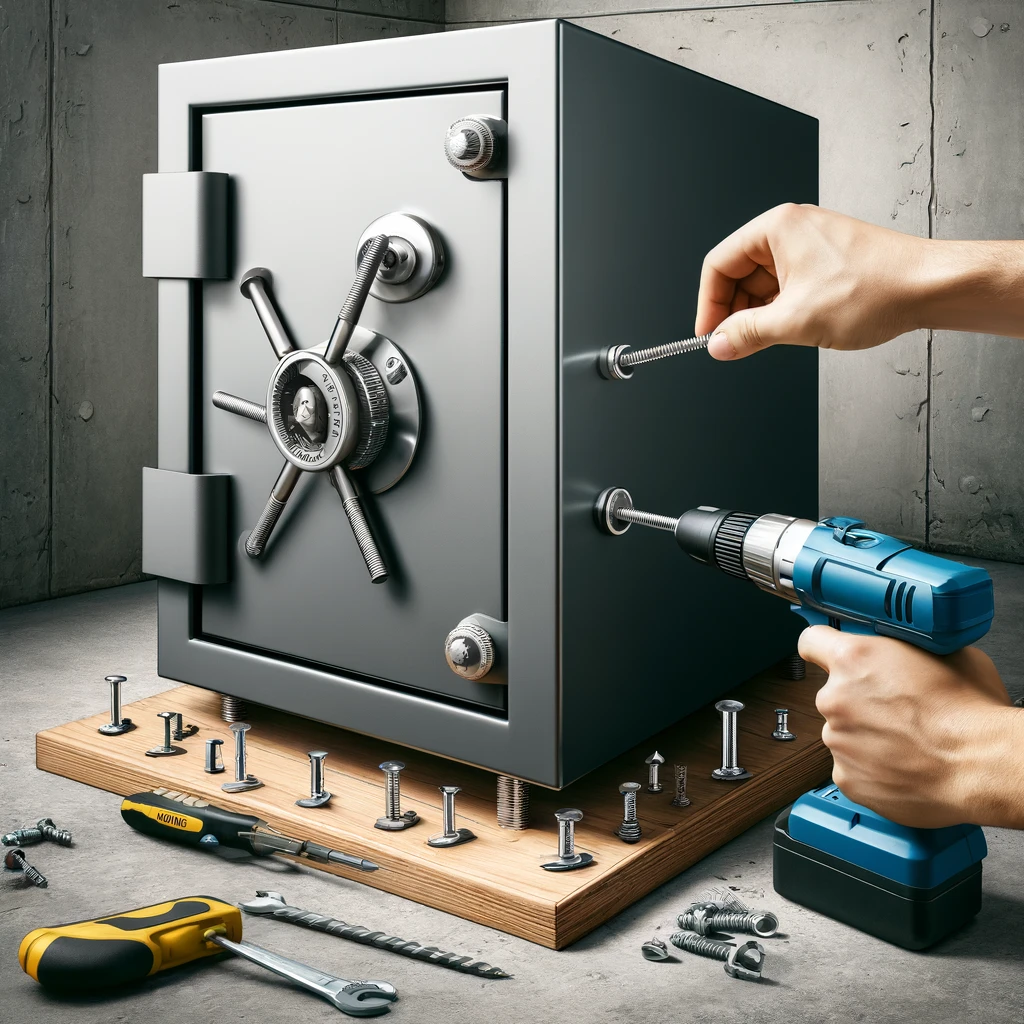
Gun ownership brings with it a significant level of responsibility. Whether you own firearms for personal protection, hunting, or recreational purposes, it’s essential to ensure they are securely stored. This is where gun safes come into play, offering a secure place to store your firearms and ammunition. However, owning a gun safe isn’t enough; you must also anchor it properly to maximize its effectiveness.
Anchoring a gun safe is not merely a recommendation; it’s a necessity. Many gun owners may believe that the heavy weight of a gun safe alone is sufficient to keep it in place, but this is a significant misconception. Without proper anchoring, your valuable safe is susceptible to various risks, including theft, natural disasters, and accidental tipping.
Imagine investing in an expensive gun safe designed to store your prized firearms, only for a determined thief to walk away with it during a break-in. Properly anchored, a gun safe can act as a formidable deterrent to such attempts. Additionally, anchoring prevents the safe from tipping over, which is especially crucial for homes with children.
In this comprehensive guide, we’ll walk you through why securing your gun safe is essential, the potential hazards of neglecting to anchor, and how to go about anchoring it effectively. With these insights, you’ll be well-equipped to enhance the safety and security of your firearms and valued possessions.
Why Anchor Your Gun Safe?
Anchoring your gun safe is one of the most important steps you can take to ensure the protection of your firearms and valuables. While the sheer weight of a safe may appear enough to deter criminals, it isn’t foolproof.
One of the primary reasons for anchoring is theft prevention. A determined thief with the right tools can move an unanchored safe, given enough time and effort. By firmly securing it to the floor or wall, you add an extra layer of difficulty, often discouraging potential burglars from attempting to steal it. In the event of a home invasion or break-in, every second counts, and making it harder for an intruder to access your safe can be the key difference between loss and security.
Additionally, anchoring your gun safe minimizes the risk of injuries. Large safes can weigh several hundred pounds, and without proper anchoring, they can potentially tip over. This is particularly dangerous if you have young children or pets in the house. A securely anchored safe stays put, ensuring it won’t become a safety hazard.
Finally, natural disasters such as earthquakes can pose a significant threat to unanchored gun safes. In regions prone to seismic activity, securing your safe can prevent it from toppling over or shifting during a quake. This not only protects your firearms but also reduces the risk of additional property damage.
Considering these factors, it becomes apparent that anchoring your gun safe is not just an added precaution but a critical step in responsible gun ownership.
How to Choose the Best Location for Your Gun Safe
Before you even think about anchoring your gun safe, the first step is choosing the right location. The placement of your safe can significantly impact its security and accessibility.
Ideally, you want to avoid placing the safe in easily visible locations like the living room or main hallway. Instead, consider more discreet spots such as closets, basements, or specific rooms designed for storage. The idea is to keep the safe hidden from plain sight to minimize the risk of it being targeted by intruders.
Another important factor is the structural integrity of the location. For instance, a solid concrete floor provides a more secure anchoring base compared to wooden floors. If you have the option, anchoring into concrete is often recommended for the highest level of security.
Furthermore, consider the accessibility of the safe. While you want it to be hidden, you also don’t want it to be so difficult to access that it becomes inconvenient. The balance comes in finding a spot that’s easily accessible to you but not obvious to others.
Other considerations include the proximity to moisture and temperature fluctuations. Avoid placing the safe in areas prone to flooding or extreme temperature changes, as these elements can impact the longevity and reliability of your safe.
Once you’ve identified the best location, you can move on to the anchoring process, confident that you’ve chosen a spot that maximizes both security and accessibility.
Types of Anchoring Methods
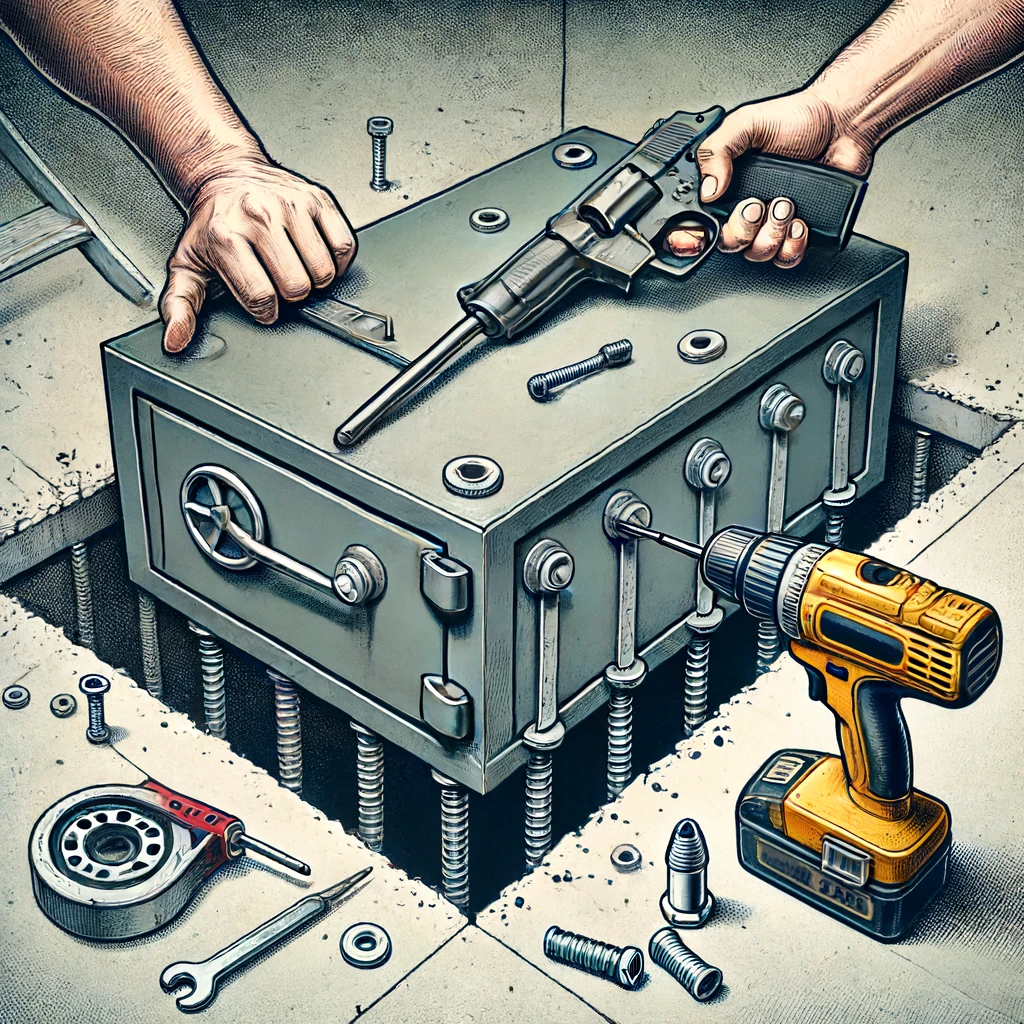
Anchoring a gun safe can be done using various methods, each suited to different types of floors and walls. Here, we’ll discuss the most common anchoring techniques so you can determine the best approach for your situation.
One popular method is concrete anchoring. This involves securing the safe to a concrete floor using concrete anchor bolts. Concrete anchors are highly secure, as they provide a solid hold that’s difficult to tamper with. They are particularly effective in basements and garages, where concrete floors are more common.
Another method iswood floor anchoring, which involves securing the safe to wooden floors or joists using lag bolts or heavy-duty screws. While not as robust as concrete anchoring, this method still provides a significant level of security, especially if you reinforce the floor or joists beforehand.
Wall anchoring is another option, where you bolt the safe to a wall stud or concrete wall. This method is useful if floor anchoring is not feasible and can offer a decent level of security if done correctly.
For mobile or more lightweight safes, some owners use anti-theft cables in addition to anchoring methods. These cables act as another deterrent, making it even more challenging for thieves to steal the safe.
Choose the method that best fits your home’s construction and your budget. Combining multiple anchoring techniques can provide the highest level of security.
DIY Anchoring vs. Professional Installation
Once you have chosen the best method for anchoring your gun safe, the next question is whether to do it yourself or hire a professional. Both options have their pros and cons.
DIY anchoring can save you money and is often sufficient for those with moderate DIY skills. Most gun safes come with detailed instructions for anchoring, making it relatively straightforward if you follow the steps carefully. Additionally, DIY gives you the flexibility to choose the exact location and anchoring method that suits your needs.
However, improper installation can weaken the security of your safe, making it prone to theft or tipping. If you are not confident in your abilities or lack the proper tools, hiring a professional may be a better option. Professional installers have the experience and equipment necessary to ensure a secure and mistake-free anchoring.
Moreover, if your home has specific structural considerations, such as a challenging floor type or location, a professional installer will be better suited to handle these complexities. While it may incur additional costs, the peace of mind and added security can be worth the investment.
Ultimately, the choice between DIY and professional installation depends on your confidence in your DIY skills, your budget, and the complexity of the anchoring process. Whichever route you choose, the most important thing is ensuring that your gun safe is securely anchored.
Common Mistakes to Avoid
Anchoring a gun safe is a critical task, but it’s also easy to make mistakes if you’re not careful. Here are some common errors to avoid:
Firstly, don’t rush the process. Carefully read all instructions and consider the specific requirements for your safe and home. Rushing can lead to mistakes that compromise the safe’s security.
Another mistake is using the wrong type of anchors. Choose anchors suited for the material of your floor or wall. For instance, concrete anchors for concrete floors and lag bolts for wooden floors. Using incorrect anchors can result in a weak and insecure attachment.
Failing to reinforce the area around the safe is another common mistake. If your floors or walls are not particularly strong, the anchoring method can fail. Reinforce the area if necessary to ensure a solid attachment.
Finally, don’t neglect periodic checks. Even after your gun safe has been securely anchored, it’s important to periodically check the anchors to ensure they remain secure over time. The conditions of your home can change, and ongoing maintenance can help you address any issues before they become significant problems.
By avoiding these common mistakes, you can ensure a secure and effective anchoring of your gun safe, giving you peace of mind and enhanced protection for your firearms.
Conclusion
In conclusion, anchoring your gun safe is an essential step in responsible gun ownership. It’s not just a matter of protecting your valuable firearms and possessions but also ensuring the safety of your household. Thieves are less likely to succeed, and accidents involving tipping safes can be prevented with proper anchoring.
We’ve covered various aspects of anchoring, including why it’s necessary, how to choose the best location, different anchoring methods, the pros and cons of DIY vs. professional installation, and common mistakes to avoid.
Now that you’re equipped with this knowledge, take the necessary steps to secure your gun safe properly. Whether you do it yourself or hire a professional, the key is to ensure that your safe is solidly anchored and able to provide the maximum level of protection.
By investing time and effort into properly anchoring your gun safe, you are making a significant contribution to the security of your home and the safety of your loved ones.