
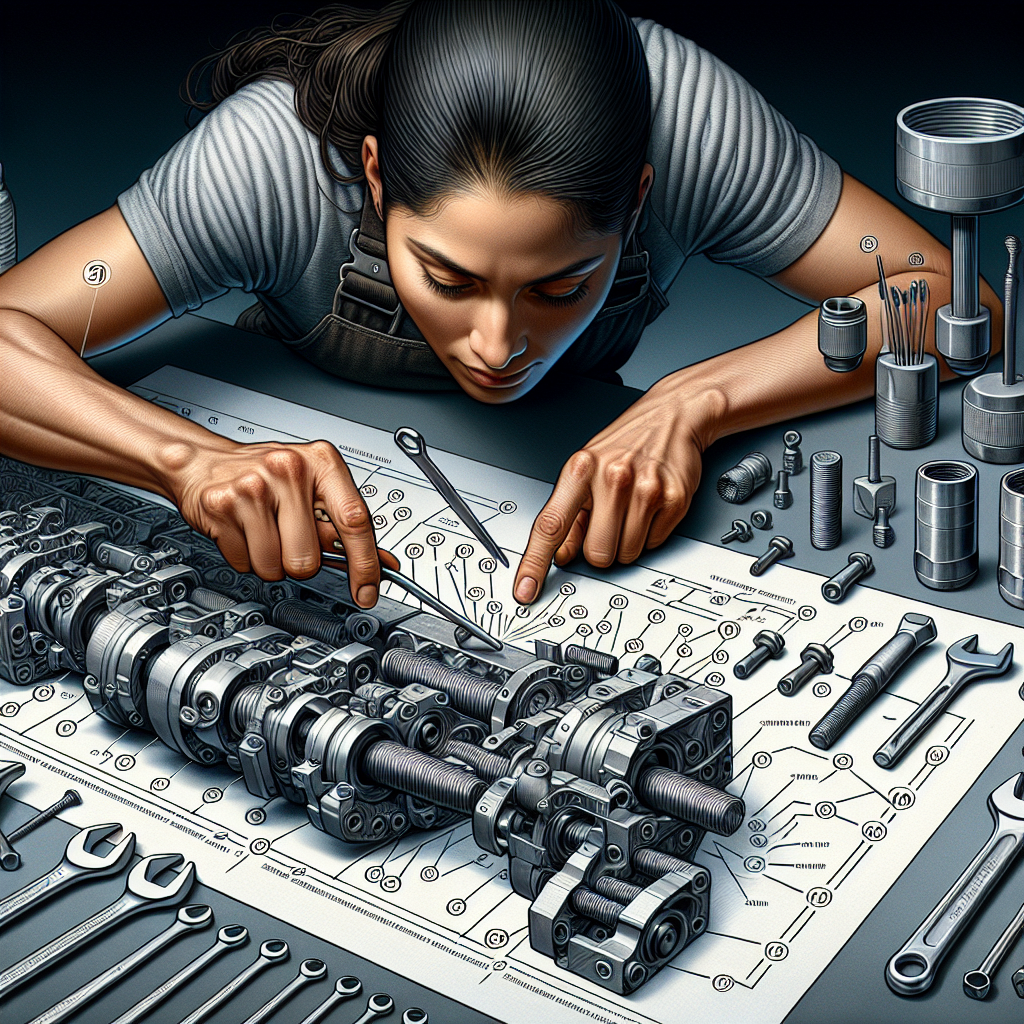
When it comes to gun safes, the security they provide is paramount. One key aspect of maintaining this security is ensuring that the bolts are aligned and secured properly. This process might seem straightforward, but it can be more complex than expected, especially when dealing with high-grade safes designed to protect your firearms and other valuable possessions. Proper alignment and securing of bolts not only enhance the integrity of the safe but also aid in its smooth operation. Understanding the nuances and following a structured guide can make the task manageable even if you’re new to safe installation. Whether it’s your first time handling a gun safe or you’re experienced but looking to refine your skills, this guide will provide you with valuable insights to handle the job efficiently. We’ll walk you through different steps, from preliminary preparations to final alignment checks, ensuring you cover all critical aspects. Let’s dive into the details and protect what matters most effectively.
Pre-Installation Preparations
Before you even think about bolts, there are some fundamental steps to be taken. A solid base is crucial; this means assessing the location where you plan to install your gun safe. Ensure the floor or wall can support the weight of the safe and that it’s level. Use a spirit level to check the flatness of the surface. In case the floor is uneven, consider using shims to level it out. Next, gather all necessary tools. Basic tools such as a drill, measuring tape, spirit level, and a wrench set should be complemented by more specific items suggested by your safe’s manufacturer. Always have the manual or installation guide of your specific safe model on hand. Reviewing the manual beforehand ensures you won’t be caught off-guard by any particular requirements. Selecting high-quality bolts is another preparatory measure. Cheap adhesives and bolts can compromise your safe’s security. Ensure you’re using bolts with the correct length, width, and material specifications. Stainless steel bolts are an excellent choice, known for their strength and resistance to corrosion.
Aligning the Safe
With your preparatory work done, it’s time to align the safe. This step is essential for ensuring your bolts can be secured effectively. Incorrect alignment could lead to bolt failure, jeopardizing the security of your safe’s contents. Place the safe at your chosen location and double-check the leveling. Even a slight inclination can affect bolt alignment. Once positioned, mark the bolt holes with a pencil. If your safe requires more than four bolts, mark all the necessary points. Be sure to use the manufacturer’s guidelines for spacing and placement of these holes. A template can also be helpful for achieving precise alignment. After you’ve marked the points, pre-drill the holes. It’s best to use a bit slightly smaller than the bolts for a snug fit. Insert a guide pin or a similar object into the holes to double-check alignment. It’s easier to correct misalignment now than after you’ve inserted the bolts.

Securing the Bolts
Now comes the actual task of securing the bolts. Starting with an initial fit can help. Insert the bolts into the pre-drilled holes but don’t tighten them fully right away. This step gives you some flexibility to make minor adjustments. Once all bolts are in place, begin tightening them in a cross pattern. This ensures even distribution of the load and prevents one side from being overly stressed. Use a torque wrench if possible to ensure you apply consistent pressure to all bolts. Over-tightening can strip threads, while under-tightening can compromise security. For extra security, consider using thread-locking compounds such as Loctite. Apply it to the bolt threads before final tightening. This compound prevents bolts from loosening over time due to vibrations or external forces.
Checking the Mechanism
Securing the bolts isn’t the end of the process. You should make a series of checks to ensure your safe operates smoothly and securely. Start by opening and closing the safe door several times. The locking bolts should extend and retract smoothly, without sticking. Test the locking mechanism under different conditions. Ensure the safe locks firmly, with no wobbles or looseness. If you observe any issues, such as misalignment of the bolts or the door not closing properly, these need to be corrected. Often, these issues are due to uneven tightening or slight misalignments, which can be adjusted relatively easily. Conduct a stress test by applying pressure on different parts of the safe. This will help you ascertain if it’s fixed firmly in place and that the bolts are holding well. If the safe moves or shows signs of instability, revisit the securing process to ensure everything is tight and aligned correctly.
Maintaining the Bolts
Regular maintenance ensures that your gun safe continues to provide the protection you need. Periodically check the bolts for any signs of wear or loosening. Make it a point to inspect every bolt at least once every six months. Apply a high-quality lubricant to the bolts during your maintenance checks to ensure they don’t rust and operate smoothly. Some lubricants are specifically designed for bolts and can offer additional protection against corrosion. In environments with high humidity, consider using a dehumidifier inside the safe. Excess moisture can lead to rust, which can directly affect the bolts and internally compromise the safe’s security. Regular maintenance helps in identifying potential issues early, allowing you to fix them before they become significant problems.
Advanced Tips for Professionals
For those who have handled multiple safe installations and are looking to hone their skills, there are advanced techniques to consider. One such technique is anchoring your safe to both the floor and the wall. This dual anchoring provides additional stability and security. Using advanced materials like concrete anchors can provide additional strength. These are ideal for bolting your safe directly into a concrete floor, providing a level of security that regular bolts cannot match. Finally, considering hidden installation methods can add an additional layer of security. Position your safe behind a false wall or within cabinetry for added discretion. Though complicated, it enhances the security as the safe is less likely to be targeted if it’s not easily seen.
Conclusion
In protecting your firearms and valuable possessions, aligning and securing bolts effectively cannot be overstated. Proper installation maximizes the security offered by your gun safe, ensuring peace of mind. This comprehensive guide aims to equip you with the knowledge needed to achieve exact alignment and secure your bolts effectively. From preliminary preparations to routine maintenance, each step is designed to uphold the integrity and functionality of your gun safe. Remember, the initial setup might take some effort, but the security and peace of mind it provides are lasting dividends. By adhering to these guidelines, you’ll not only enhance the protection of your belongings but also prolong the lifespan of your safe. Regular checks and maintenance will ensure that it continues to function seamlessly, protecting what matters most to you. Take the time and effort to align and secure your bolts effectively; your future self will thank you.