
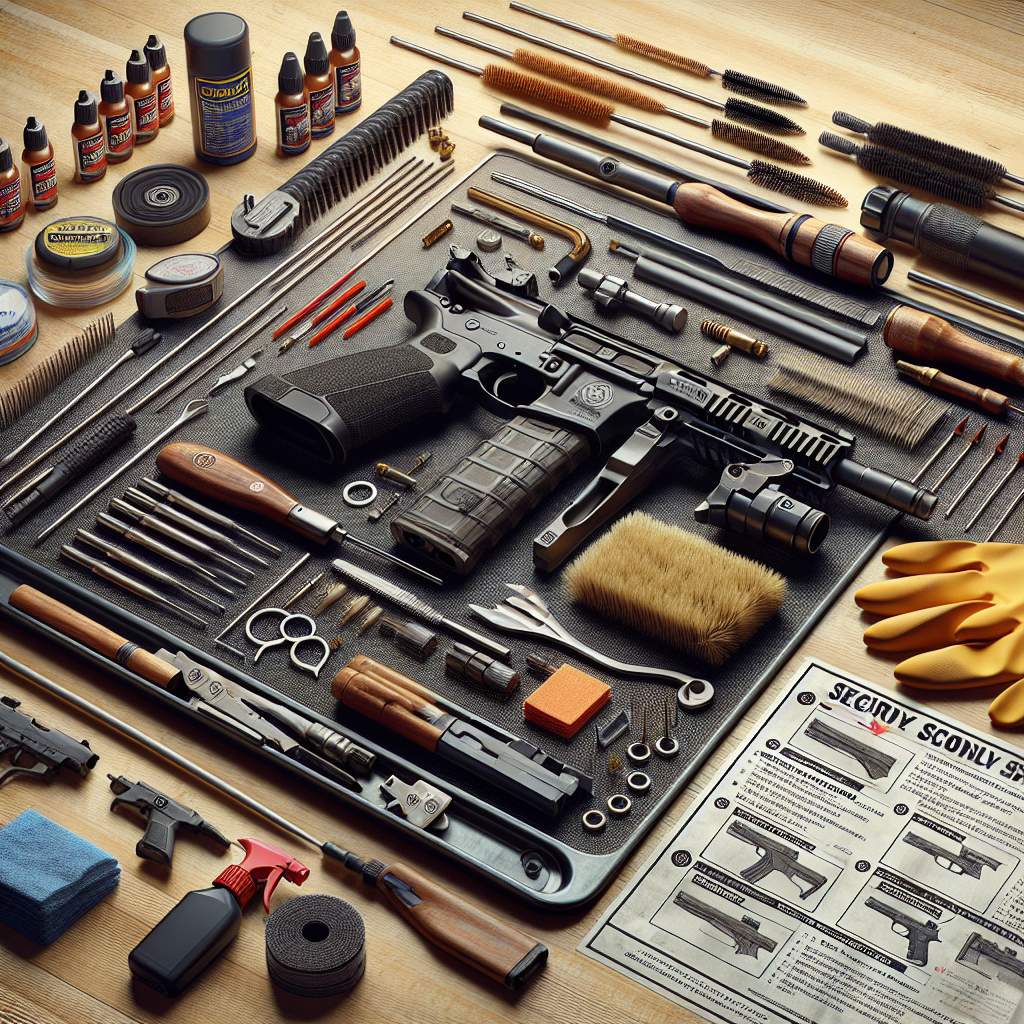
Owning a firearm comes with a significant responsibility to ensure its proper maintenance and safety. Adhering to best practices not only extends the life of your gun but also ensures the safety of everyone around you. This article will delve into the essential tips and guidelines for firearm maintenance and safety to help you become a responsible and well-informed gun owner.
Firearms, like any mechanical device, require regular maintenance to function correctly. A neglected gun can malfunction at the worst possible moment, potentially causing accidents. Additionally, understanding the basics of firearm safety significantly reduces the risk of accidental discharges and injuries, making it imperative for all gun owners to stay informed and diligent.
Whether you are a seasoned shooter or a new gun owner, this comprehensive guide covers everything from routine maintenance to safe storage practices. It is crucial to make these practices a regular part of your gun ownership rituals to ensure that your firearm remains a valuable and safe tool.
In this article, we will explore the five major areas of firearm maintenance and safety: Regular Cleaning, Proper Storage, Handling and Usage, Annual Checkups, and Legal Compliance. Each section offers practical tips and detailed insights to help you maintain your firearm in optimal condition and ensure that safety is always a top priority.
Regular Cleaning
One of the most fundamental aspects of firearm maintenance is regular cleaning. Regular cleaning not only ensures optimal performance but also prevents malfunctions and extends the life of your firearm.
Cleaning Supplies
Before you start cleaning your firearm, ensure you have the necessary supplies. A basic cleaning kit should include a cleaning rod, patches, brushes, solvent, and lubricant. Additionally, having a microfiber cloth and bore snake can make the process more efficient.
Steps for Cleaning a Firearm
1. Unload the Firearm: Always ensure your gun is unloaded before beginning any cleaning. Double-check the chamber and magazine to avoid accidents.
2. Disassemble the Firearm: Refer to your firearm’s manual for instructions on proper disassembly. Disassemble only as far as necessary for a thorough cleaning.
3. Clean the Barrel: Use a solvent-soaked patch to clean the barrel. Follow this with a bore brush, then another solvent patch. Continue until the patches come out clean.
4. Clean the Other Parts: Clean other components with solvent and brushes as needed. Be meticulous but avoid harsh scrubbing that could damage parts.
5. Lubrication: Apply appropriate lubricant sparingly on moving parts to ensure smooth operation. Avoid over-lubrication, as it can attract dirt.
6. Reassemble and Inspect: Once cleaned and lubricated, reassemble the firearm and conduct a function check to ensure everything works properly.
Regular cleaning after each use, or at least monthly, keeps your firearm in optimal working condition and ready for safe use.
Proper Storage
Storing your firearm correctly is as important as regular cleaning. Proper storage prevents unauthorized access and protects the firearm from environmental damage.
Gun Safes
A gun safe is the most secure way to store firearms. Choose a safe that meets your specific needs in terms of size, lock type, and fire resistance. Remember, a good safe offers not just security but also peace of mind.
Safe Storage Practices
1. Use Trigger Locks: Even when your firearm is in a safe, using a trigger or cable lock adds an extra layer of security.
2. Aware of Environmental Conditions: Store your firearm in a dry place, as moisture can cause rust and corrosion. Use silica gel packs to control humidity inside the safe.
3. Ammunition Storage: Store ammunition separately from the firearm. A lockable box designed for ammunition storage can help prevent unauthorized access.
4. Secure Location: Position your gun safe in a secure, hidden location that’s out of reach of children or intruders.
Proper storage is critical in preventing accidents and ensuring that your firearm remains in good condition over time. Regularly check your storage conditions to ensure the continued safety and security of your weapon.
Handling and Usage
Proper handling and usage practices are essential to prevent accidents and ensure the safety of yourself and others when using firearms.
Basic Safety Rules
1. Always Treat as Loaded: Never assume a firearm is unloaded. Always treat it with the respect it deserves as if it is loaded.
2. Finger Off the Trigger: Keep your finger off the trigger until you are ready to shoot. This prevents accidental discharge.
3. Aim in a Safe Direction: Always point the muzzle in a safe direction, ensuring that even if an accidental discharge occurred, no one would be harmed.
4. Be Aware of Your Target and Beyond: Know what you are shooting at and what lies beyond your target to avoid accidental injuries or damage.
Range Practice
1. Range Safety Officers: Follow all instructions given by range safety officers. They are there to ensure a safe shooting environment.
2. Use Protective Gear: Always wear ear and eye protection when shooting to prevent injury.
3. Proper Handling: Handle your firearm with care at the range. Follow the range’s specific guidelines for safety and conduct.
By adhering to these safety rules and handling tips, you significantly reduce the risk of accidents and ensure a safer environment for all.
Annual Checkups
Just like any other piece of equipment, firearms need regular checkups to ensure they are in good working order. An annual inspection by a qualified gunsmith can catch potential issues before they become serious problems.
Professional Inspection
1. Qualified Gunsmith: Choose a reputable and qualified gunsmith for your firearm’s annual inspection. Look for certifications and positive reviews.
2. Comprehensive Check: A thorough inspection should include checking the barrel, firing mechanism, safety features, and overall condition of the firearm.
Self-Inspection
1. Regular Checks: Perform monthly self-inspections to look for signs of wear and tear. Pay close attention to the barrel, trigger, and other moving parts.
2. Cleaning and Lubrication: Regular self-inspections help you determine when additional cleaning or lubrication is needed. Make these part of your maintenance routine.
3. Record Keeping: Keep a log of inspections and maintenance activities. This helps you track the firearm’s condition and identify patterns over time.
By prioritizing regular professional and self-inspections, you ensure that your firearm remains safe and reliable.
Legal Compliance
Understanding and complying with firearm laws is a crucial aspect of responsible gun ownership. Stay informed about federal, state, and local regulations to avoid legal issues and ensure safety.
Federal Laws
1. Background Checks: Federal law requires background checks for firearm purchases from licensed dealers. Ensure you comply with these regulations.
2. Firearm Transfers: Be aware of the laws governing the transfer of firearms between individuals to avoid unintentionally breaking the law.
State and Local Regulations
1. State-Specific Laws: Every state has different laws regarding firearm ownership, carrying, and storage. Always research and follow the laws of your state.
2. Local Ordinances: Local municipalities may have additional regulations. Stay informed about any specific requirements in your area.
Continuing Education
1. Stay Informed: Laws can change. Regularly check for updates to firearm regulations to remain compliant.
2. Training Courses: Consider enrolling in courses that provide updates on laws and best practices for firearm safety and maintenance.
Legal compliance is not just about avoiding trouble; it is about ensuring that all gun owners contribute to a safe community. Stay informed and educated for responsible gun ownership.
Conclusion
Maintaining and ensuring the safety of your firearm is an ongoing commitment that requires diligence and responsibility. By following the best practices outlined in this guide, you can take significant steps towards becoming a responsible and informed gun owner.
From regular cleaning to proper storage and handling, each aspect of firearm maintenance and safety plays a critical role in preventing accidents and ensuring your firearm remains in good working condition. Annual checkups and legal compliance further enhance your stewardship over your firearm, contributing to a safer environment for all.
Remember, firearm ownership is a significant responsibility that extends beyond just owning a gun. It involves continuous learning and adherence to safety practices that protect you and those around you. Stay vigilant, stay informed, and make safety your top priority.
By integrating these best practices into your routine, you can enjoy the benefits of firearm ownership while minimizing risks and ensuring the well-being of everyone around you. Stay committed to these guidelines, and you will become a model of responsible gun ownership.