
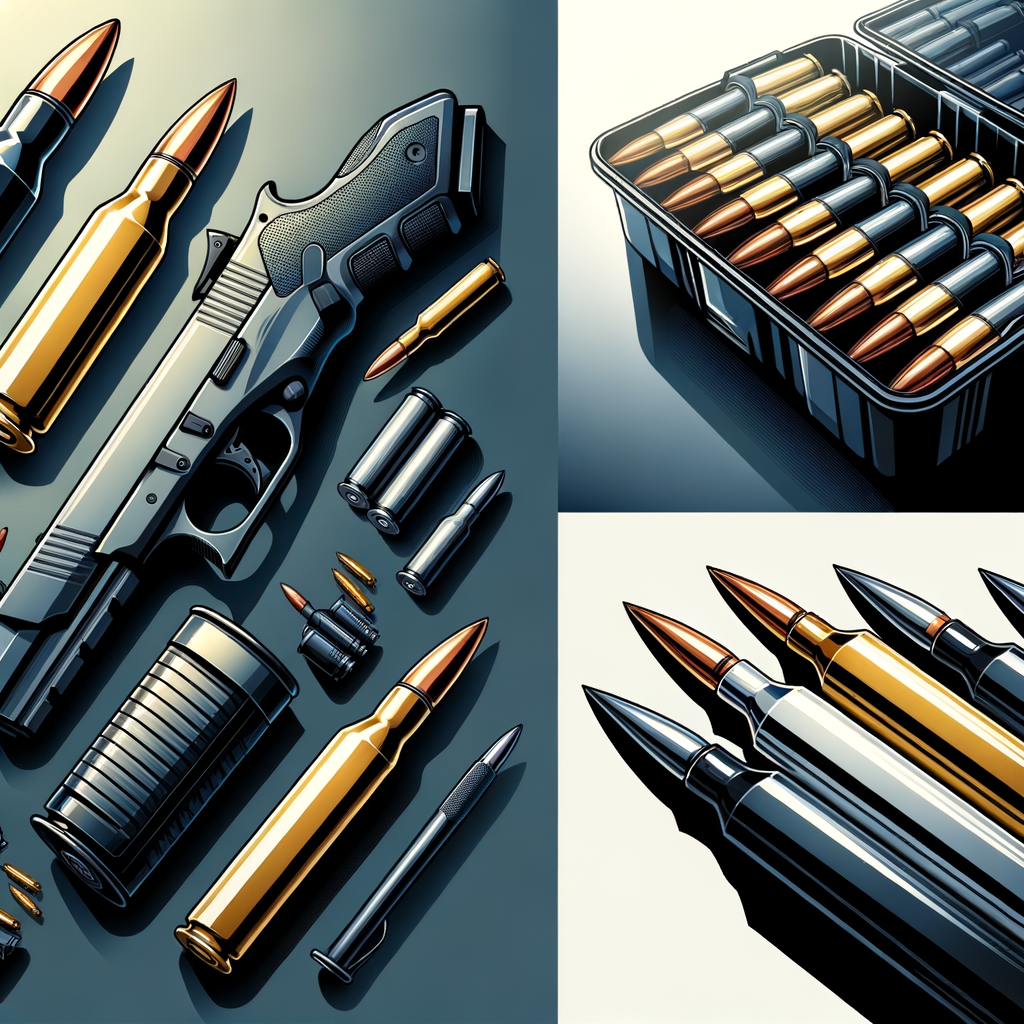
Ensuring the safe storage of firearms and ammunition is crucial for preventing accidents, unauthorized access, and misuse. One of the most recommended practices in firearm safety is storing ammunition separately from firearms. This practice is integral to maintaining safety in homes and during transport. It minimizes the risk of accidental discharge or mishandling, which can result in severe injuries or even fatalities. In this article, we will explore the best practices for storing ammunition separately from firearms, focusing on safety considerations, legal obligations, and practical tips for secure storage. By understanding and implementing these measures, gun owners can significantly enhance the safety of their environments, protect their loved ones, and comply with relevant regulations.
Firearms ownership comes with inherent responsibilities. The decision to own a gun should always be accompanied by a commitment to safety. Accidentally leaving a firearm loaded or accessible poses significant risks. Therefore, storing guns and ammunition separately isn’t just a recommendation; it’s a fundamental aspect of responsible gun ownership. Here, we will cover the key strategies that help mitigate risks associated with improper storage. These strategies are not just applicable to gun enthusiasts but also to anyone seeking to maintain a completely safe environment when firearms and ammunition are present. Whether you’re a seasoned firearm owner or just beginning your journey, understanding how to store ammunition correctly ensures that safety is never compromised. Let’s delve into the essential practices that support secure firearm and ammunition storage.
Body Sections
Understand the Importance of Separate Storage
The concept of storing ammunition separately from firearms arises from several safety considerations. First and foremost, it prevents unauthorized individuals, particularly children, from gaining access to loaded firearms. By storing bullets and firearms in different locations, you reduce the likelihood of accidental discharges. Furthermore, many shooting accidents occur when guns are mishandled while loaded. Separating the ammunition significantly limits these dangers.
Security is another critical reason for separate storage. In the event of a break-in, storing ammunition away from firearms thwarts potential theft uses. A burglar may grab your firearm, but without immediate access to the ammunition, their potential harm is limited. Therefore, keep the ammunition in an entirely different secured area from where the firearm is stored. This practice also challenges the notion of “instant readiness,” but while readiness is vital, safety should never be compromised.
Knowledge of Legal Requirements
Firearms owners must be diligent in understanding legal requirements regarding storage in their jurisdiction. Various states and countries have specific laws mandating how firearms and ammunition should be stored. For instance, some jurisdictions insist that ammunition be stored under lock and key, separate from firearms. These regulations are designed to ensure public safety and prevent incidents. Therefore, always research the laws in your area to ensure full compliance.
Moreover, legal guidelines also extend to storage during transportation. While traveling, keeping firearms unloaded and ammunition separately stored in another container is often a requirement. Being knowledgeable about and complying with these laws not only prevents legal repercussions but also reinforces safety.
Invest in Secure Storage Solutions
Investing in quality storage solutions is a proactive step toward safety. Gun safes, lockboxes, and ammunition storage cabinets are specially designed to provide robust security. When selecting a safe, ensure it has adequate security features and can accommodate the intended storage items. Choose safes that are resistant to common threats like burglary and fire, providing enhanced protection and peace of mind.
Consider using a dedicated ammunition safe or cabinet to ensure separate storage. These containers should be locked and placed in a location that isn’t immediately accessible to those without authorization. If possible, use safes with timed electronic locks or biometric systems, which add an extra layer of security. Remember, the initial investment in secure storage can prevent costly accidents or legal issues down the line.
Develop a Habitual Routine
Routine plays a significant role in safety. Habits developed around storing firearms and ammunition separately and securely can safeguard against oversight. It begins with ensuring that guns are properly unloaded and their ammunition is stored right after usage. Habitually placing each item in its designated secure location minimizes risks.
Additionally, maintain an organized record of your firearms and ammunition storage. Keep a checklist or inventory to quickly verify that every piece is stored in its rightful place. This practice not only supports accountability but also helps identify any missing items immediately.
Maintain a Safe Home Environment
Creating a safe home atmosphere extends beyond storing firearms and ammunition; it involves educating everyone in the household about the importance of firearm safety. Make sure that all individuals, including children, understand that firearms are not to be played with and that they should inform an adult if they ever find one.
Educating family members about the separation of firearms and ammunition helps reinforce the message of safety. If they know why the separation exists, they’re more likely to respect the storage boundaries you’ve established. Utilize family meetings or safety discussions to address any firearms safety concerns regularly.
Consider Environmental Factors
The environment plays a key role in storage. Ammunition, in particular, is sensitive to environmental conditions. Factors such as humidity and extreme temperatures can compromise the integrity and functionality of ammunition over time. Thus, storing ammo in a climate-controlled environment should be prioritized.
Use dehumidifiers or silica gel packs in storage areas to manage moisture levels effectively. Regularly inspect both firearms and ammunition for signs of corrosion or degradation. This proactive approach prevents environmental factors from compromising safety and functionality.
Regular Maintenance and Inspections
Routine maintenance is essential in ensuring that both firearms and ammunition remain in optimal condition. Regularly clean firearms to ensure they function correctly and inspect the storage solutions for any signs of wear or damage. Similarly, check your ammunition for any signs of moisture damage or expiration.
Conduct periodic inspections of your storage arrangements. Assess whether improvements or changes might enhance security. As technology evolves, consider upgrading your storage solutions to include the latest security advancements. This commitment to ongoing evaluation ensures that you’re always in line with the best practices for safety.
Conclusion
Storing ammunition separately from firearms is a crucial practice in ensuring safety and compliance in firearm ownership. It minimizes risks, prevents unauthorized access, and supports safe handling. By understanding the importance of this practice and implementing comprehensive strategies, firearm owners can create a robust safety protocol that protects their households and communities.
Investment in quality storage solutions is a fundamental step, facilitating safe and secure storage environments. This combines with habitual routines and education to build a culture of responsibility and awareness. Environmental factors must not be overlooked; the correct conditions preserve ammunition functionality while maintaining the integrity of firearms.
Legal awareness plays a crucial part as well. Complying with local regulations and requirements protects gun owners from potential legal issues while contributing to broader safety efforts. As the societal perspective on gun safety continues to evolve, adaptable strategies are paramount to effective storage practices.
The essence of these practices transcends personal responsibility—it’s a collective commitment to reducing gun-related mishaps and ensuring the well-being of everyone in the vicinity of stored firearms and ammunition. Through dedicated effort and awareness, safe storage practices serve as a cornerstone of responsible gun ownership.
Frequently Asked Questions
1. Why is it important to store ammunition separately from firearms?
Storing ammunition separately from firearms is a fundamental safety practice to prevent unauthorized access, avoid accidents, and ensure responsible gun ownership. When ammunition is stored in a different location than firearms, it adds an extra layer of security, making it more difficult for children or unauthorized individuals to access and use them together. This practice minimizes the risk of accidental discharges, which can happen if a loaded firearm is mishandled or if someone unaware of the dangers tries to operate it. Furthermore, it is a safeguard against theft; if a firearm is stolen, having the ammunition stored separately can hinder immediate misuse.
2. What are the best methods for storing ammunition safely?
When it comes to storing ammunition safely, the primary goals are to ensure it is kept dry, cool, and secure. Ammunition should be stored in a lockable, sturdy box, preferably a metal ammunition can or a dedicated ammunition storage box designed to withstand environmental elements. Choose a location that is out of reach from children and unauthorized individuals. It’s important to keep ammunition in a climate-controlled environment to prevent degradation or corrosion – typically a room with a stable temperature and low humidity. Labels can be beneficial; make sure to clearly label the type and quantity of ammunition and regularly check the inventory to account for any changes.
3. What are the legal requirements for storing ammunition separately from firearms?
The legal requirements for storing ammunition separately from firearms can vary widely depending on your country, state, or local laws. In many places, firearm storage laws are enacted to prevent accidents and ensure public safety. It’s crucial to familiarize yourself with your local laws to ensure compliance. Generally, these laws require that firearms be stored unloaded and locked up, with ammunition stored in a separate, secure location. Some jurisdictions may have specific requirements for lockable storage containers or safety devices such as trigger locks or gun safes. Ignorance of the law is not a defense, so always stay updated on any changes or new regulations.
4. How can I ensure that my children do not access my ammunition?
One of the most vital responsibilities as a firearm owner is ensuring that ammunition and firearms are inaccessible to children. To achieve this, commit to using lockable storage solutions for both firearms and ammunition. An ametal ammunition can with a combination or key lock can be an effective solution. Never share access codes or keys with children or anyone unauthorized. Placement is also critical; store the ammunition in high, hard-to-reach areas, and if possible, use a separate locked cabinet or safe that is distinctly separate from where firearms are stored. Ongoing education and communication about the dangers of firearms and ammunition are just as crucial as physical safety measures.
5. How can I transport ammunition safely when traveling?
When transporting ammunition, safety and legality should be your guiding principles. Use a lockable ammunition box or a designated ammo bag that offers protection and limits access. Before traveling, be aware of transportation regulations, as they can vary. In most cases, ammunition should be transported in a separate compartment from firearms. If you’re traveling by air, check the airline’s specific guidelines regarding ammunition, as most require it to be declared during check-in and securely packed in checked luggage. Always ensure you’re aware of the destination’s regulations on possession and transportation, as crossing state or country borders can introduce new legal considerations. Remember, the overarching goal is safety for yourself and those around you.