

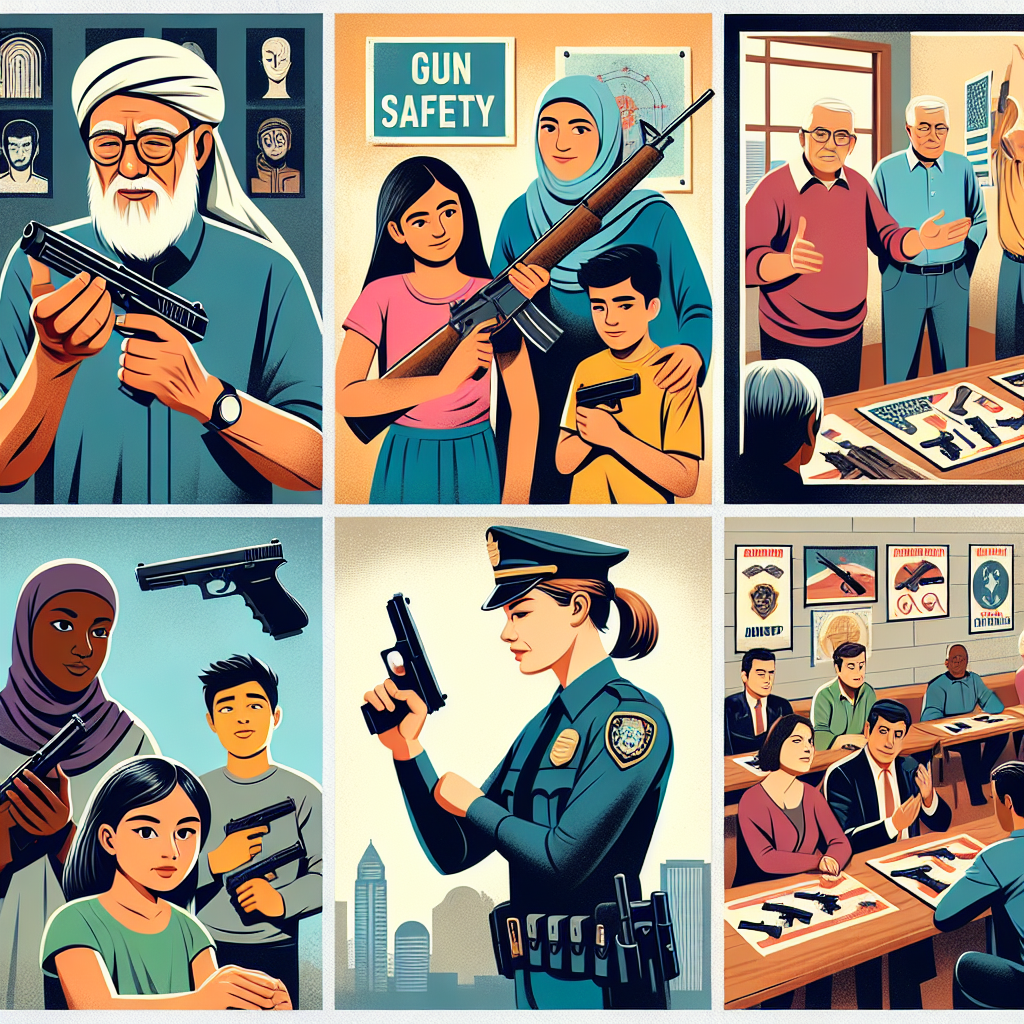
Gun safety is a vital issue that garners attention across various cultures worldwide. With firearms being a part of many societies for different reasons ranging from personal protection to recreational activities, understanding and implementing safety practices is crucial. When exploring gun safety from a cross-cultural perspective, it’s important to recognize that safety measures can heavily depend on the cultural, legal, and social contexts within which gun ownership and usage are framed.
By examining advanced safety practices through the lens of different cultures, this article aims to provide a comprehensive overview that can help foster a more informed and responsible approach to gun safety. Key aspects covered will include legal frameworks, training programs, technological innovations, public awareness campaigns, and community-based initiatives. This way, gun owners, enthusiasts, and policymakers can gain valuable insights into how varied cultural perspectives contribute to enhanced gun safety practices.
Legal Frameworks: Setting the Ground Rules
The foundation of gun safety in any society largely rests on its legal framework. Different countries have distinct laws and regulations governing the ownership, use, storage, and transfer of firearms. For instance, countries like Japan and the United Kingdom have stringent gun control laws that mandate rigorous background checks, psychological evaluations, and severe penalties for illegal possession. In contrast, the United States has a more permissive approach, with regulations varying significantly from state to state.
Understanding the legal background of a culture helps to grasp how safety practices are implemented. For instance, in Australia, following the Port Arthur massacre in 1996, a comprehensive gun reform was introduced, including buy-back programs and severe restrictions on certain types of firearms, resulting in a significant decline in gun-related violence. By examining such frameworks, one can appreciate the critical role that legal regulations play in fostering safer environments.
Training Programs: Educating Responsible Gun Owners
Education and training are pivotal components of gun safety across cultures. Effective training programs help individuals understand the responsibilities of gun ownership and the importance of adhering to safety protocols. Countries like Switzerland and Israel provide extensive training not just for military personnel but also for civilians. In Switzerland, compulsory military service involves comprehensive firearms training, which extends to civilian life, ensuring that the populace is well-versed in gun safety.
In the United States, organizations like the National Rifle Association (NRA) offer various training courses aimed at promoting safe gun handling. These programs cover essential aspects like safe storage, proper handling techniques, and emergency procedures. Similarly, hunter safety courses are mandatory in many jurisdictions, emphasizing the need for responsible hunting practices. By integrating structured educational programs, societies can cultivate a culture of safety and responsibility among gun owners.
Technological Innovations: Enhancing Safety Features
Advancements in technology have introduced innovative solutions to enhance gun safety. Smart guns, equipped with biometric sensors or radio frequency identification (RFID) systems, ensure that only authorized users can operate the firearm. These technologies can significantly reduce accidental shootings and unauthorized use.
Countries like Germany have been at the forefront in developing and implementing such technologies. The government has endorsed biometric gun safes and smart guns, aiming to minimize accidents and unauthorized access. In the US, tech companies continue to innovate, though adoption has been slower due to regulatory and consumer resistance. Exploring how different cultures embrace technology in gun safety reveals a spectrum of approaches that balance innovation with practical application.
Public Awareness Campaigns: Building Community Consciousness
Public awareness campaigns play a crucial role in promoting gun safety by informing and educating the community about best practices. Different societies deploy various strategies to achieve this goal. For example, in New Zealand, after the Christchurch mosque shootings in 2019, extensive public awareness campaigns were launched to promote safe gun storage and responsible ownership, coupled with a nation-wide gun buy-back program.
In Japan, where gun ownership is rare, extensive public campaigns promote overall safety and discourage the use of firearms outside of legal frameworks. The United States sees a range of awareness initiatives, from government-sponsored programs to grassroots organizations advocating for safe storage and responsible use. By examining the diverse strategies employed globally, one gains insight into the potential impact of well-designed public awareness efforts in fostering a culture of safety.
Community-Based Initiatives: Grassroots Movement for Safety
Community-based initiatives often serve as the bedrock for promoting practical gun safety on a local level. These grassroots movements can be incredibly effective as they are tailored to address the specific needs and nuances of the community involved. For example, in various parts of Africa, local communities have developed indigenous disarmament and gun safety programs, often facilitated by local leaders and NGOs. These programs focus on education, conflict resolution, and providing alternatives to gun ownership.
In the United States, community-based initiatives like the Eddie Eagle GunSafe Program teach children about gun safety through engaging and age-appropriate methods. Another example is Project ChildSafe, which distributes gun safety kits that include cable-style gun locks and educational materials. By fostering a bottom-up approach, community-based initiatives can achieve substantial, culturally relevant impact in enhancing gun safety.
Conclusion
Gun safety is a multifaceted issue that benefits greatly from a cross-cultural examination. Diverse legal frameworks, educational and training programs, technological innovations, public awareness campaigns, and community-based initiatives collectively contribute to a well-rounded understanding of advanced safety practices. Each cultural perspective provides unique insights and approaches that can be adapted and implemented to foster a safer environment for gun owners and the community at large.
By learning from different cultures, we can identify best practices that transcend borders, creating a comprehensive toolkit for enhancing gun safety. Whether through stringent legal regulations, advanced technological solutions, or community-driven initiatives, the goal remains the same: to ensure that gun ownership and usage are conducted responsibly and safely. As we continue to navigate the complex landscape of firearm safety, the importance of a global perspective cannot be overstated.