
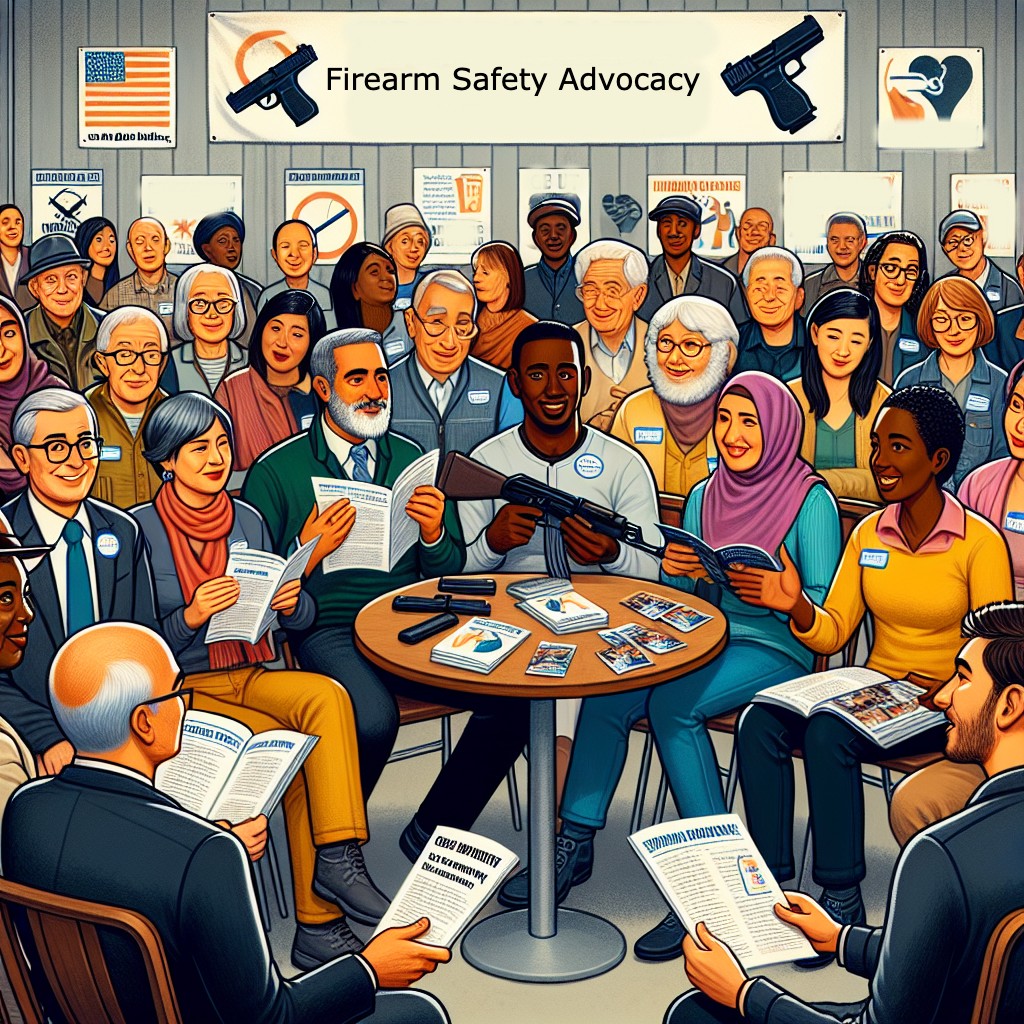
In the evolving landscape of firearm use and ownership, the emphasis on safety cannot be overstated. As enthusiasts, collectors, or responsible owners, promoting a culture of safety not only protects ourselves but also our families, communities, and beyond. This article seeks to provide you with actionable insights on how to become a proactive advocate for firearm safety, transcending mere ownership to champion advanced safety practices.
Introduction: The Importance of Advocacy in Firearm Safety
In today’s society, firearms can be a contentious topic. However, one point that finds universal agreement is the critical importance of safety. Whether you’re a seasoned gun owner, a beginner, or somewhere in between, firearm safety should be a cornerstone of your experience. Ensuring safety is not just a personal concern but a community obligation. By advocating for proper safety practices, we create a safer environment for everyone.
Advocating for firearm safety goes beyond using the right techniques; it encompasses educating others, promoting responsible ownership, and supporting legislation that enhances public safety without infringing on constitutional rights. This proactive stance can significantly impact how communities perceive and handle firearms. Whether it’s through advocating safe storage, supporting training programs, or engaging in policy discussions, your involvement can make a notable difference.
Join us as we delve deeper into how you can become an effective advocate for firearm safety. We’ll explore advanced safety practices, delve into community engagement strategies, and outline steps to influence policy and public perception positively.
Understanding Advanced Safety Practices
Before diving into advocacy, it’s vital to grasp advanced safety practices thoroughly. These practices not only enhance personal safety but also provide a solid knowledge base for educating others.
One of the foundational principles of firearm safety is proper storage. Gun safes are indispensable tools in this regard. High-quality gun safes not only prevent unauthorized access but also protect your firearms from potential damage. Ensure your safe is secure, properly anchored, and always locked when not in use.
Another key aspect is regular training and skill enhancement. As an advocate, staying updated on advanced handling techniques and safety protocols is crucial. Enroll in training programs that focus on precision shooting, defensive training, and emergency response. Familiarity with firearms is gained through repetition and practice, and continuous training ensures you remain proficient and knowledgeable.
Lastly, safety tools and accessories are paramount. Utilize trigger locks, chamber flags, and other safety devices to add extra layers of protection. Advocating for these practices within your community helps emphasize the importance of going beyond the basics.
Community Engagement and Education
Effective advocacy starts at the community level. Engaging with your local community can significantly influence public perception and safety practices. Hosting workshops, seminars, and safety demonstrations are excellent ways to educate others.
Workshops can cover a variety of topics such as proper handling, storage, maintenance, and the psychological aspects of owning a firearm. Partnering with local gun ranges and safety instructors can amplify your efforts, providing credible and practical insights to participants.
Engage with local schools and youth organizations to introduce firearm safety education early. This proactive approach ensures that young people grow up with a healthy respect and understanding of firearms, reducing the likelihood of accidents.
Additionally, leveraging digital platforms enhances your reach. Create informative articles, videos, and social media posts that promote safety tips and best practices. Online communities such as forums and social media groups are excellent venues for spreading your message.
Supporting Legislation and Policy Changes
Advocacy also involves engaging with the legislative process. Support policies that promote responsible firearm ownership and safety, and utilize your voice to influence decision-makers.
Stay informed about proposed laws and regulations at both state and federal levels. Understanding the nuances of these policies allows you to advocate effectively. Join or support organizations that lobby for balanced legislation that emphasizes safety while respecting gun ownership rights.
Attend public hearings and town hall meetings to voice your support for safety initiatives. Articulate your stance clearly and respectfully, emphasizing the importance of safety over restriction. Engage with lawmakers through letters, emails, and face-to-face meetings. Personal stories and evidence-backed arguments can influence their views and actions.
Furthermore, consider organizing or participating in grassroots campaigns. Mobilizing community members to support safety legislation can create a powerful collective voice. Utilize petitions, social media campaigns, and community events to gather and galvanize support.
Partnering with Law Enforcement and Organizations
Collaboration with law enforcement and related organizations enhances the impact of your advocacy efforts. These entities have resources and platforms that can amplify your message.
Reach out to local police departments to offer support and coordination on safety initiatives. Law enforcement agencies often conduct public safety programs, and your involvement can provide a civilian perspective and additional resources.
Organizations such as the National Rifle Association (NRA), Gun Owners of America (GOA), and local gun clubs offer programs and support for safety advocates. Partnering with these organizations can provide training opportunities, materials, and a broader platform to reach more people.
Also, consider forming or joining coalitions that focus on reducing gun violence through education and community outreach. These coalitions can include healthcare providers, educators, and other stakeholders who share your commitment to safety.
Your advocacy can also benefit from engaging with non-traditional partners like mental health organizations. Addressing issues such as depression and substance abuse can prevent potential misuse of firearms, adding another layer to your safety efforts.
Utilizing Technology in Advocacy
The digital age offers unprecedented tools for advocacy. Leveraging technology can enhance your outreach and effectiveness in promoting firearm safety.
Creating an online presence through a dedicated website or blog allows you to share resources, articles, and updates regarding firearm safety. Ensure your content is optimized for search engines to reach a broader audience.
Social media platforms such as Facebook, Instagram, and Twitter can be powerful tools. Share safety tips, news, and personal stories to engage with your followers. Use live streaming to conduct Q&A sessions, safety demonstrations, and virtual workshops.
Develop mobile apps or collaborate with developers to offer tools that promote safety. Apps can provide reminders for safe storage practices, track training progress, or offer educational materials on firearm safety.
Data and statistics are also valuable assets. Utilize data visualization tools to present compelling graphics and charts that highlight the impact of safe practices and supportive legislation. These visuals can be influential in both educational settings and policy discussions.
Building a Network of Advocates
Advocacy is more impactful when it’s a collective effort. Building a network of like-minded individuals can enhance your initiatives and create a broader influence.
Local gun clubs and shooting ranges are ideal starting points. These venues gather many firearm enthusiasts who already value safety. Organize monthly meetings or safety clinics to discuss advanced practices and legislative updates.
Attend national conferences and conventions focused on firearm safety and rights. These events offer opportunities to network with experts, legislators, and other advocates. Sharing experiences and strategies can provide fresh insights and expand your advocacy scope.
Online forums and communities dedicated to firearm safety and rights are also valuable. Engaging in discussions, sharing resources, and collectively supporting safety movements can widen your network.
Finally, mentorship is a powerful tool. Experienced advocates mentoring new members can foster a culture of safety and responsibility. Encouraging novices to become future advocates ensures that the movement continues to grow and evolve.
Conclusion: Making a Lasting Impact
Becoming an advocate for firearm safety is a journey that extends beyond individual responsibility. It involves continuous education, community engagement, policy support, and collaboration with various sectors. Every step taken towards promoting advanced safety practices contributes to a safer environment for all.
Your actions, whether small or large, can ripple through your community and beyond. Hosting safety workshops, engaging in policy discussions, and leveraging technology are powerful ways to instill a culture of safety. Partnering with law enforcement, organizations, and building a network of advocates further amplifies your efforts.
Remember, the goal is not just to promote safety practices but to create an enduring impact. Future generations will benefit from our collective efforts today. By remaining informed, proactive, and collaborative, we can navigate the complexities of firearm ownership responsibly and safely.
Your commitment to advocacy reaffirms the principle that with the right knowledge and actions, we can ensure the responsible use and management of firearms. Together, let’s champion a future where safety is paramount, and responsible ownership is the norm. Start today, get involved, and make a difference.