
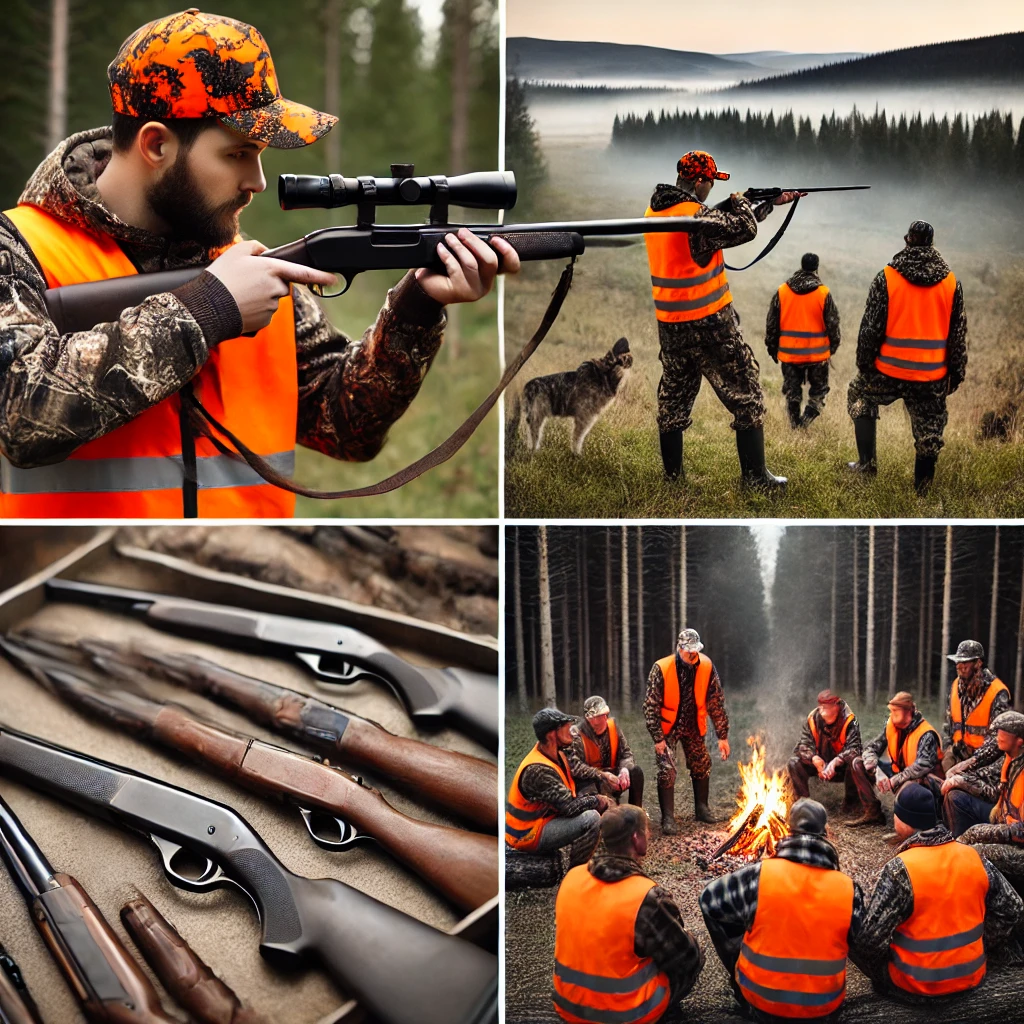
Gun safety is an integral part of responsible hunting. Whether you are a novice or a seasoned hunter, understanding and practicing advanced gun safety measures can make all the difference in ensuring not just your safety, but the safety of those around you. As thrilling as hunting may be, it’s paramount to approach it with caution and diligence to prevent mishaps and accidents. In this guide, we delve into advanced gun safety practices, particularly focusing on field practices that hunters should adhere to.
Hunting is more than just a recreational activity; it’s a tradition that has been passed down through generations. But with tradition comes responsibility. Responsible hunters recognize the importance of mastering their weapon, understanding their environment, and always prioritizing safety. While basic gun safety tips are essential, delving deeper into advanced precautions can substantially reduce risks and enhance the hunting experience.
In this article, we’ll explore multiple facets of advanced safety tips—from field practices, handling firearms, and ensuring that your equipment is in prime condition. By the end of this guide, you’ll be better prepared for your next hunting trip, armed with the knowledge to keep yourself and others safe.
Understanding Your Environment
Your environment plays a crucial role in hunting safety. Familiarizing yourself with the terrain, vegetation, and local wildlife behavior can prevent dangerous encounters. Begin by researching the area you plan to hunt. Topographic maps, satellite imagery, and local habitat reports provide invaluable information about the hunting grounds. Understanding the lay of the land helps you anticipate potential hazards, such as steep elevations, water bodies, or dense underbrush.
Weather conditions can also impact your safety. Always check weather forecasts before heading out. Sudden changes in weather can make navigation challenging and increase the risk of accidents. Prepare for varying conditions by carrying appropriate gear, such as waterproof clothing, extra layers, and emergency supplies.
Moreover, it’s wise to familiarize yourself with the local fauna. Knowing the habits and behaviors of the animals in your hunting area can help you anticipate their movements and avoid inadvertent disturbances that might provoke dangerous wildlife. Stay informed about any conservation regulations, including protected species and restricted areas, to ensure you’re hunting legally and ethically.
Advanced Firearm Handling
Being proficient with your firearm is fundamental to safe hunting. Advanced firearm handling goes beyond basic knowledge of loading, aiming, and firing. It requires an in-depth understanding of the mechanics of your firearm and consistent practice. Firstly, ensure your firearm is clean and well-maintained. Regular cleaning prevents malfunctions that can lead to accidents.
Practice proper muzzle control at all times. The muzzle should always point in a safe direction, and never at something you do not intend to shoot. Be aware of your surroundings and other hunters’ positions to avoid accidents caused by errant shots. Utilize a gun sling to keep your hands free and your firearm secure when navigating challenging terrain.
Trigger discipline is another critical aspect of advanced firearm handling. Only place your finger on the trigger when you are ready to take a shot. Keep your finger outside the trigger guard during all other times. Develop muscle memory through regular training sessions, focusing on safe trigger practices.
Lastly, understand the ballistics of your firearm and the ammunition you’re using. Knowing the effective range and trajectory of your shots increases your accuracy and ensures that you can make ethical, clean kills.
Equipment Check and Maintenance
Reliability of your equipment can make or break your hunting trip. Before embarking on a hunt, thoroughly check all your gear. Start by inspecting your firearm for signs of damage or wear. Ensure that the barrel is clear of obstructions and the action functions smoothly.
Carry a gun cleaning kit and essential spare parts, such as extra springs, screws, and a cleaning rod. Field conditions can quickly cause dirt and debris to accumulate in your firearm, affecting its performance. Regular maintenance, even in the field, is key to preventing mechanical failures.
Optics, such as scopes and binoculars, also require careful maintenance. Check for clear lenses and proper alignment. Sturdy mounts and secure fastenings prevent shifting or loosening during travel. Invest in protective covers to shield your optics from dirt and moisture.
Aside from firearms and optics, your clothing and personal gear are equally important. Wear layers appropriate for the weather, ensuring that they are quiet and non-restrictive. Footwear should be comfortable and provide good traction. Carry a first-aid kit and emergency supplies, including a map, compass, and water purification tablets, to handle unexpected situations.
Marksmanship and Ethical Hunting
Advanced safety practices extend to marksmanship and ethical hunting. Responsible hunters strive for clean, humane kills, which requires excellent marksmanship skills and knowledge of animal anatomy. Spend time at the range practicing various shooting positions and distances to build confidence and accuracy.
Know your limits and respect them. Refrain from taking shots beyond your effective range or in poor visibility conditions. Taking risky shots increases the chance of wounding an animal, resulting in unnecessary suffering. Always aim for vital organs, such as the heart and lungs, to ensure a quick and ethical kill.
Furthermore, educate yourself on the signs of a well-placed shot and the appropriate steps to track and recover game. Patience and persistence are key components of ethical hunting. Take the time to track wounded game diligently, ensuring that you recover every animal you shoot.
Respect for wildlife and the environment is paramount. Abide by local hunting regulations, including seasons, bag limits, and licensing requirements. Report any illegal activities you observe to the appropriate authorities. Responsible hunters play a vital role in wildlife conservation and habitat preservation.
Emergency Preparedness and First Aid
No matter how careful you are, emergencies can occur. Being prepared can significantly mitigate the impacts of accidents or unexpected situations. Start by creating an emergency plan before your hunting trip. Share your itinerary with a trusted friend or family member, including your expected return time and location.
Pack a comprehensive first-aid kit tailored to hunting-related injuries. Include items such as bandages, antiseptic wipes, tweezers, and medical tape. Familiarize yourself with basic first-aid procedures for common injuries like cuts, sprains, and fractures.
A communication device is essential for emergency situations. While mobile phones are convenient, their coverage may be limited in remote areas. Consider carrying a satellite phone, two-way radio, or personal locator beacon (PLB) for reliable communication. Know how to use these devices and ensure they are fully charged or carry spare batteries.
In case of an injury, stay calm and assess the situation. Prioritize immediate threats and administer first aid as needed. Use signaling techniques, such as a whistle or mirror, to attract attention if you need assistance. If you’re unable to reach help, remain in one location and conserve energy until help arrives.
Conclusion
Advanced gun safety practices are critical for a successful and enjoyable hunting experience. By understanding your environment, mastering firearm handling, maintaining your equipment, practicing ethical hunting, and preparing for emergencies, you enhance not only your safety but also that of fellow hunters and wildlife. Approaching hunting with a safety-first mindset fosters a culture of responsibility and respect, ensuring that this cherished tradition can be enjoyed for generations to come.
As you embark on your next hunting adventure, remember that safety is a continuous learning process. Continually update your knowledge and skills, seek out training opportunities, and stay informed about new safety practices and equipment advancements. By prioritizing safety, you contribute to a positive and sustainable hunting culture that values the well-being of all its participants.