
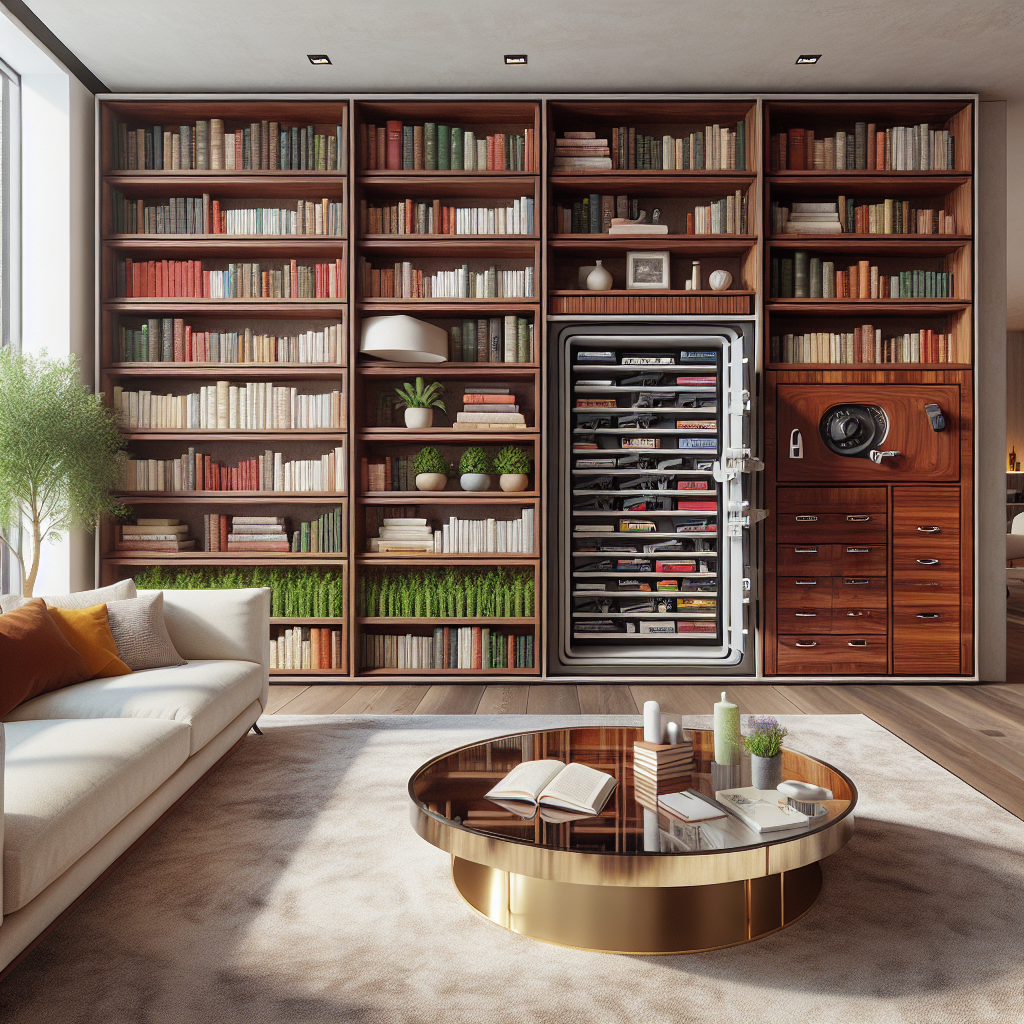
As a responsible firearm owner, ensuring the security and accessibility of your guns is paramount. Integrating gun safes into your home design not only enhances security but also allows you to maintain the aesthetic appeal of your living space. This article will guide you through the process of choosing and integrating gun safes into your home, considering factors such as security, accessibility, and design.
Types of Gun Safes and Their Integration
1. Hidden Gun Safes
Hidden gun safes are an excellent option for those who prioritize discretion and security. These safes can be integrated into various household items or structures, making them inconspicuous yet accessible. Common types include:
- Furniture-Style Safes: These are designed to look like everyday furniture, such as coffee tables or bookshelves, with secret compartments for firearms. They offer both utility and aesthetics, blending seamlessly into your home decor.
- Wall Safes: Often hidden behind mirrors, artworks, or electrical outlet covers, wall safes utilize existing wall space efficiently. They provide a high level of concealment and can be strategically placed for quick access.
- Clock Safes: Concealed within decorative clocks, these safes offer a clever way to hide firearms in plain sight. They often feature advanced locking mechanisms like RFID locks.
2. Custom Walk-in Gun Safes
For firearm collectors or those with a larger number of guns, a custom walk-in gun safe offers ample storage and enhanced security. These safes can be designed to fit specific needs, incorporating features such as:
- Fire and Water Protection: Integrating fire-resistant and water-resistant materials ensures that your firearms are protected from potential disasters.
- Customizable Layouts: Shelving, racks, and display options can be tailored to your collection, optimizing space and organization.
- Enhanced Security Features: Including biometric locks, surveillance systems, and alarm systems can further secure your gun safe.
Choosing the Right Location
Selecting the right location for your gun safe is crucial for both security and accessibility. Here are some considerations:
- Discreet Placement: Choose a location that is not easily visible to visitors or potential intruders, such as a closet, basement, or behind a false wall.
- Structural Integrity: Ensure the chosen location can support the weight and size of the safe, especially if integrating a walk-in safe .
- Accessibility: In case of an emergency, the safe should be easily accessible. Consider proximity to living areas while ensuring it remains discreet.
Balancing Security and Aesthetics
Integrating a gun safe into your home design involves balancing security with aesthetic appeal. Here are some tips:
- Matching Home Decor: Choose a safe that complements your home’s interior design. Furniture-style safes or those with customizable finishes can blend seamlessly into your living space.
- Camouflage: Use elements like hidden doors or false panels to disguise the safe’s presence. For example, a safe hidden behind a rolling bookshelf or a mirror can be both secure and aesthetically pleasing.
- Custom Finishes: Personalize your gun safe with unique finishes and lighting to enhance its appearance while maintaining its primary function of security.

DIY vs. Professional Installation
Deciding between a DIY project and professional installation depends on your skills and budget:
- DIY Installation: If you have construction experience, building a custom walk-in gun safe or converting a closet into a gun safe can be economical and fulfilling. Ensure you have the necessary tools and materials, and follow detailed plans to achieve the desired security and functionality.
- Professional Installation: Hiring professionals ensures that your gun safe is installed securely and efficiently. Professionals can provide expertise in selecting the right materials, ensuring proper fire and water protection, and integrating advanced security features.
Enhancing Functionality
To maximize the functionality of your gun safe, consider additional features:
- Climate Control: Installing a dehumidifier and temperature control system can prevent moisture-related damage to firearms.
- Lighting: Adequate lighting inside the safe ensures visibility and easy access to firearms and accessories.
- Organizational Accessories: Use customizable foam inserts, racks, and shelving to keep firearms and accessories organized and secure.
Conclusion
Integrating a gun safe into your home design is a practical way to ensure the security and accessibility of your firearms without compromising on aesthetic appeal. Whether you choose a hidden gun safe, a custom walk-in safe, or a DIY solution, careful planning and consideration of security features will help you create a safe and stylish storage solution. Remember, the key to successful integration is balancing functionality with design, ensuring your firearms are both protected and easily accessible when needed.