
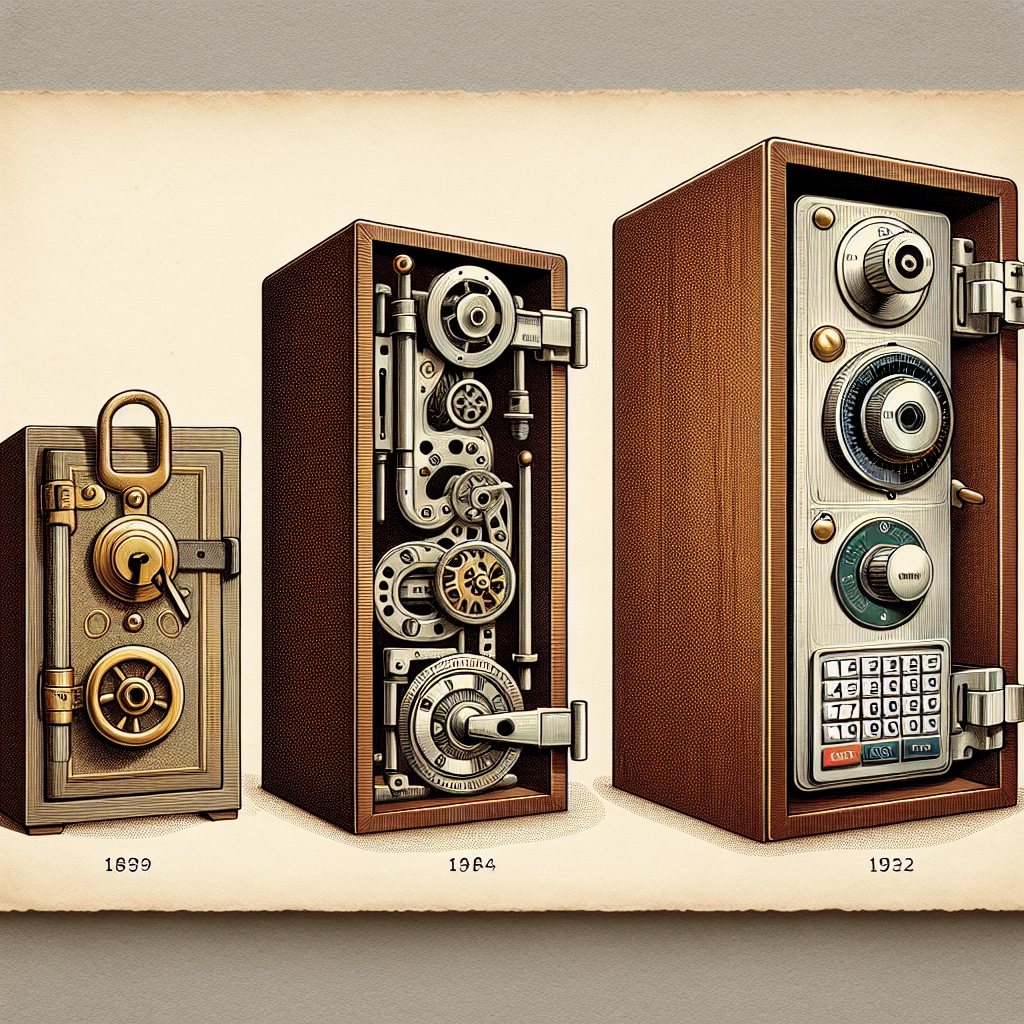
Welcome to our comprehensive guide on the fascinating world of gun safe locking technology. Whether you’re a seasoned gun owner or new to the world of firearms, ensuring the safety and security of your weapons is paramount. Technological advancements have significantly influenced the design and functionality of gun safes over the years, offering a variety of options that cater to different security needs. In this article, we’ll explore the evolution of gun safe locking technology, helping you make an informed decision when purchasing your next safe.
Introduction: The Importance of Secure Storage
Owning a firearm comes with the critical responsibility of storing it securely to prevent unauthorized access, theft, or accidental discharge. The advent of sophisticated gun safe locking mechanisms is rooted in the necessity for enhanced security measures. Gone are the days of simple key locks; modern gun safes now incorporate technology designed to withstand significant tampering and misuse. With growing concerns over gun safety and the need to comply with regulations, understanding these advancements is essential for every gun owner.
Historically, gun safes featured basic locking mechanisms that were relatively easy to compromise. However, technological advances over the last few decades have led to the development of more secure and complex locking systems. This evolution is a testament to the ongoing commitment to gun safety, aimed at providing gun owners with peace of mind knowing their firearms are stored securely.
Our journey through the evolution of gun safe locking technology will delve into various types of locks, highlighting their unique benefits and potential drawbacks. We hope to provide you with valuable insights that will assist you in selecting the best locking mechanism suited to your needs and preferences.
Let’s begin by exploring the initial designs and mechanisms that laid the foundation for today’s advanced gun safes.
The Mechanical Era – Traditional Lock and Key Systems
Traditional lock and key systems were the initial method of securing gun safes. These locks were straightforward, easy to use, and relatively inexpensive. A typical mechanical lock involved a bolt or a series of bolts that were disengaged by the corresponding key. While this method provided a basic level of security, it had its limitations.
The primary advantage of traditional lock and key systems was their simplicity. They didn’t require any power source, making them reliable during power outages. Additionally, they were easy to maintain, with minimal components that could fail. However, simplicity often comes at a cost. Basic mechanical locks could be picked, keys could be lost or duplicated, and the overall level of security was not as robust as today’s standards.
Despite these limitations, mechanical locks served their purpose for many years. They provided an initial benchmark for securing firearms, laying the groundwork for more advanced locking mechanisms. As technology evolved, the need for more secure and tamper-resistant locks became apparent, leading to the development of more sophisticated mechanical and electronic systems.
The Rise of Combination Locks
The next significant advancement in gun safe locking technology was the introduction of combination locks. These locks offered an additional layer of security by eliminating the need for a physical key. Instead, users could secure their gun safes with a personalized combination of numbers or letters.
Combination locks come in two main types: dial and digital. Dial combination locks operate mechanically, requiring the user to turn a dial to specific numbers to unlock the safe. This method is reliable and doesn’t require batteries or an external power source. However, it requires precision and can be time-consuming, especially for those not accustomed to its operation.
Digital combination locks, on the other hand, use electronic keypads. Users enter their combination on a keypad, and the lock disengages if the correct sequence is entered. Digital locks are quicker and more user-friendly than their dial counterparts. They often come with additional features, such as multiple user codes and the ability to change combinations easily. However, they are reliant on batteries, which need regular replacement.
Combination locks significantly enhanced gun safe security, reducing the risk of unauthorized access. Their development marked the beginning of integrating more complex technologies into gun safes, paving the way for the modern innovations we see today.
Biometric Locks – The Dawn of Modern Security
The arrival of biometric locks revolutionized gun safe security by incorporating cutting-edge technology. Biometric locks use unique biological characteristics, such as fingerprints or retinal patterns, to grant access. This advancement offers a highly secure and user-friendly method for safeguarding firearms.
Fingerprint recognition is the most common form of biometric locking technology used in gun safes. Users can program their fingerprints into the lock’s memory, allowing for quick and easy access. One of the key benefits of biometric locks is their convenience – there’s no need to remember combinations or carry keys. Additionally, they offer a high level of security since fingerprints are unique to each individual and difficult to replicate.
However, biometric locks are not without their drawbacks. They rely on electronic components and batteries, which require regular maintenance. Additionally, environmental factors such as dirt, oil, or moisture on fingers can affect the accuracy of the fingerprint scanner. Despite these challenges, biometric locks represent a significant leap forward in gun safe technology, offering a robust and efficient solution for secure firearm storage.
Smart Locks – Integration with Technology
The integration of smart technology into gun safe locking mechanisms has introduced a new era of convenience and control. Smart locks combine traditional and biometric locking methods with advanced digital features, such as remote access, monitoring, and alerts.
Smart gun safes can be connected to home security systems or mobile apps, allowing users to monitor their safes remotely. This integration provides real-time alerts for any unauthorized attempts to access the safe, adding an extra layer of security. Additionally, smart locks often include features such as time-delay functions, where access is only granted after a predetermined period, further enhancing security measures.
One of the main advantages of smart locks is their versatility. Users can grant temporary access to others by providing them with unique codes or using remote access features. This flexibility is particularly useful for families or individuals who require multiple users to access the safe.
While smart locks offer unparalleled convenience and security, they are not immune to technological limitations. They require a stable power source and regular updates to ensure optimal functionality. Moreover, concerns over cybersecurity and hacking need to be addressed to prevent unauthorized remote access.
Exploring Redundancy – Dual-locking Systems
Redundancy in gun safe locking systems has become increasingly popular as an added measure of security. Dual-locking systems combine two or more locking mechanisms, ensuring that if one fails, the other can still secure the safe. These systems are particularly beneficial for high-value safes or situations where maximum security is paramount.
Common dual-locking combinations include mechanical locks paired with digital or biometric locks. For instance, a safe might require both a key and a digital combination to open. This approach not only enhances security but also provides peace of mind, knowing that multiple layers of protection are in place.
Redundant locking systems also offer flexibility. In scenarios where you may temporarily lose access to one locking method (such as losing the key or a dead battery), the secondary lock ensures you can still gain entry. This feature is particularly useful in emergencies or situations where immediate access to your firearms is necessary.
While dual-locking systems offer enhanced security, they also come with increased complexity and cost. Maintaining multiple locking mechanisms requires regular upkeep, and the initial investment can be higher than single-lock safes. However, the added security and reliability often outweigh these considerations for many gun owners.
Future Trends in Gun Safe Locking Technology
The evolution of gun safe locking technology is far from over. As advancements in technology continue, we can expect further innovations aimed at enhancing security and user convenience. Here are some trends to watch for in the near future:
- Advanced Biometric Methods: As biometric technology continues to improve, we may see the incorporation of more sophisticated recognition systems, such as facial or voice recognition, into gun safes.
- Blockchain Integration: Blockchain technology could be used to securely store and manage access codes and user data, reducing the risk of hacking and unauthorized access.
- AI and Machine Learning: AI and machine learning could enhance smart lock systems by predicting and preventing unauthorized access through pattern recognition and behavior analysis.
- Renewable Energy Sources: As sustainability becomes a priority, future gun safes could incorporate renewable energy sources, such as solar panels, to power electronic locking mechanisms.
- Enhanced Durability: Advances in materials science could lead to the development of more durable and tamper-resistant safes, offering higher levels of protection against physical attacks.
These trends indicate a future where gun safes become even more secure, user-friendly, and integrated with other aspects of home security. Staying informed about these developments will help you make the best choices for securing your firearms.
Conclusion: Choosing the Right Locking System for Your Needs
The evolution of gun safe locking technology reflects the ongoing commitment to improving firearm security. From traditional key locks to advanced smart systems, each development has brought new benefits and considerations for gun owners.
When selecting a locking mechanism for your gun safe, it’s essential to consider your specific needs, preferences, and potential challenges. While traditional locks offer reliability and simplicity, modern digital, biometric, and smart locks provide enhanced security and convenience. Additionally, redundant locking systems offer an added layer of protection, ensuring that you can access your firearms when needed while preventing unauthorized access.
Ultimately, the best gun safe locking system is one that aligns with your security requirements, lifestyle, and budget. Staying informed about the latest developments in locking technology will help you make an informed decision and ensure that your firearms are stored safely and securely.