
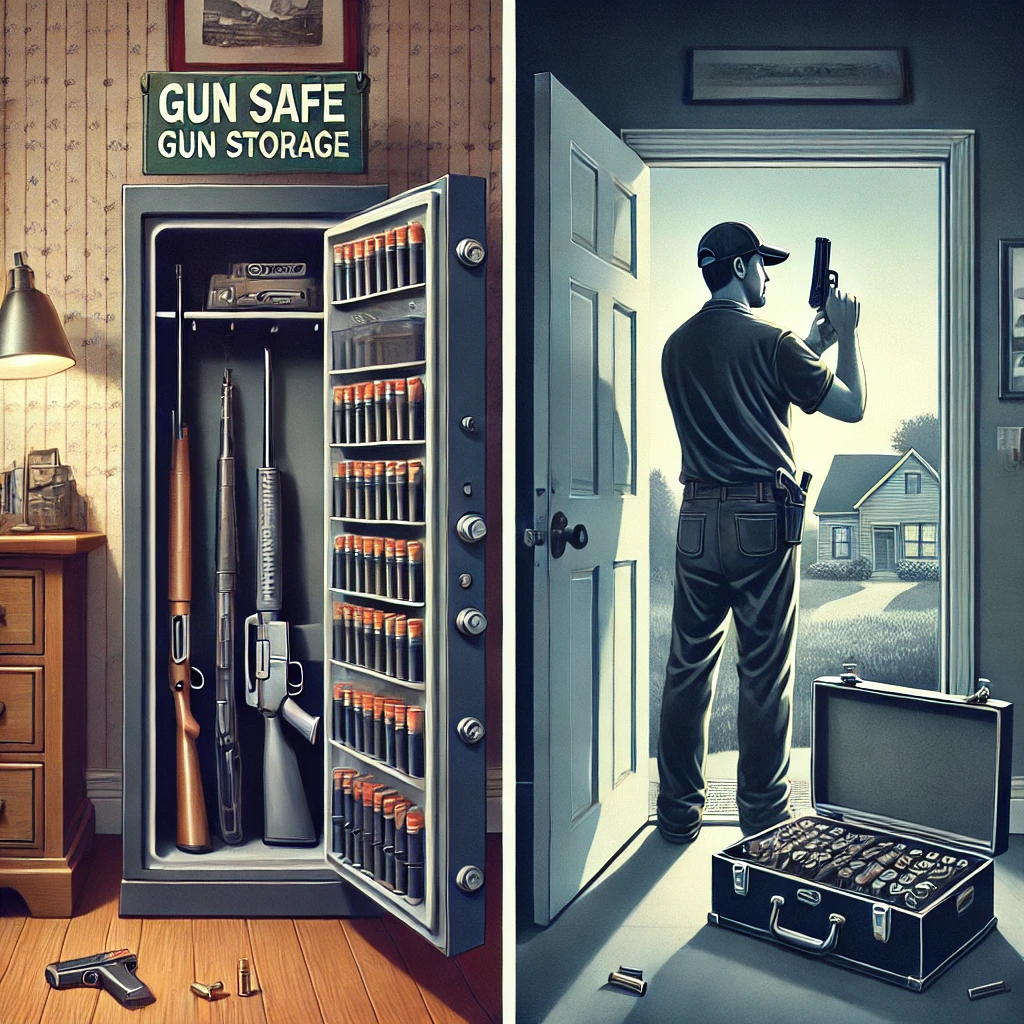
Gun safety has been a critical concern since firearms were first invented. Over the past several centuries, as firearms have evolved and become more widespread, governments and organizations across the world have implemented various regulations to enhance safety. These measures have been aimed at reducing accidents, misuse, and ensuring responsible ownership. In this article, we will take a comprehensive look at the evolution of gun safety regulations, examining key milestones and the rationale behind them. By understanding the historical context, we can better appreciate the significance of current regulations and anticipate future trends in gun safety practices.
For gun owners, it is crucial to be aware of these regulations not only to remain compliant but also to promote a culture of safety. This is particularly important in households where children are present, as well as in communities with high levels of gun ownership. We will explore how safety protocols have changed over time, highlighting landmark regulations that have shaped the way guns are handled, stored, and used today. Whether you are a seasoned gun owner or new to firearms, understanding these regulations can help protect yourself and others.
The Origins of Gun Safety Regulations
The earliest forms of gun safety regulations can be traced back to the 16th and 17th centuries. During this period, firearms were relatively primitive and often used by military and nobility. Safety measures were primarily concerned with preventing accidents during military training and hunting expeditions. Basic protocols like keeping gunpowder dry and ensuring the firearm was not loaded when not in use were some of the first safety measures implemented.
As firearms technology advanced, so did the scale and scope of safety regulations. The 18th and 19th centuries saw the introduction of more structured laws aimed at preventing gun accidents. For instance, the United Kingdom introduced the Gun Act of 1870, which required individuals to obtain a license to use or carry a gun. This law laid the groundwork for future regulations by establishing the principle that ownership and use of firearms should be monitored and controlled by the state.
In the United States, early gun laws were primarily local and varied from state to state. However, with the increasing popularity of firearms, there was a clear need for more uniform and comprehensive regulations. The late 19th and early 20th centuries saw the first federal attempts to regulate gun safety, driven largely by the need to address growing concerns about gun violence and accidents.
The 20th Century: A Turning Point in Gun Safety
The 20th century was a pivotal era for gun safety regulations, marked by significant legislative milestones across various countries. In the United States, the implementation of the National Firearms Act (NFA) of 1934 was a major turning point. The NFA aimed to curb the circulation of machine guns, short-barreled rifles, and other dangerous weapons often used by criminals. It introduced a tax on the manufacture and transfer of these firearms and mandated the registration of all covered weapons.
Another critical piece of legislation was the Gun Control Act (GCA) of 1968, enacted in the wake of several high-profile assassinations, including those of President John F. Kennedy, Martin Luther King Jr., and Senator Robert F. Kennedy. The GCA focused on regulating interstate commerce of firearms, prohibiting certain individuals, such as felons and minors, from purchasing guns, and implementing stricter licensing requirements for dealers.
Globally, other countries were also strengthening their gun safety laws. For example, in Australia, the 1996 Port Arthur massacre led to the implementation of the National Firearms Agreement, which significantly tightened gun control measures, including a gun buyback program. The United Kingdom also introduced stringent laws following the Dunblane school shooting in 1996, effectively banning the private ownership of handguns.
Modern Gun Safety Practices
In recent decades, advancements in technology and increased awareness about gun safety have led to the adoption of more sophisticated measures. Modern gun safes, for instance, are equipped with biometric scanners, electronic locks, and other high-tech security features to prevent unauthorized access. These safes are designed to offer robust protection not only from theft but also from accidents, particularly in homes with children.
In addition to hardware improvements, there has been a concerted effort to educate the public about safe gun practices. Organizations like the National Rifle Association (NRA) in the U.S. run programs aimed at teaching gun owners how to handle, store, and maintain their firearms responsibly. Similarly, countries around the world have implemented mandatory gun safety courses as a prerequisite for obtaining a firearm license.
The role of law enforcement has also evolved to include specialized training in gun safety. Officers are trained not only in the use of firearms but also in de-escalation techniques and safe storage practices. This holistic approach ensures that guns are used responsibly, both by civilians and law enforcement personnel.
The Impact of Social Movements and Advocacy
Social movements and advocacy groups have played a crucial role in shaping gun safety regulations. In the United States, organizations like Moms Demand Action and Everytown for Gun Safety have been instrumental in pushing for stricter gun control measures. These groups advocate for common-sense regulations, such as universal background checks and red flag laws, which allow authorities to temporarily confiscate firearms from individuals deemed to be a risk to themselves or others.
Internationally, similar advocacy efforts have led to significant changes in gun laws. For example, in New Zealand, the Christchurch mosque shootings in 2019 prompted swift legislative action, resulting in the ban of most semi-automatic firearms. This change was largely driven by public outcry and the tireless efforts of advocacy groups pushing for tighter controls.
These movements highlight the power of collective action in bringing about regulatory changes. By raising awareness, educating the public, and lobbying for reform, advocacy groups continue to play a vital role in enhancing gun safety practices globally.
The Future of Gun Safety Regulations
As we look to the future, the landscape of gun safety regulations is likely to continue evolving. Technological advancements, such as smart guns that can only be fired by authorized users, are expected to become more prevalent. These innovations could significantly reduce accidents and unauthorized use, providing an additional layer of safety for gun owners and the public.
Moreover, the role of data analytics and artificial intelligence (AI) in law enforcement and gun safety is expected to grow. Predictive analytics could help identify potential threats and prevent gun-related incidents before they occur. AI could also play a role in monitoring compliance with safety regulations and identifying areas where additional measures are needed.
On the legislative front, we can anticipate continued efforts to standardize gun safety regulations across different jurisdictions. In federal systems like the United States, this could mean more comprehensive federal laws that override inconsistent state regulations. Internationally, there may be increased collaboration to tackle the issue of gun violence, with countries sharing best practices and working together to enhance global safety standards.
Conclusion
The evolution of gun safety regulations is a testament to the ongoing efforts to balance the right to bear arms with the necessity of ensuring public safety. From the rudimentary measures of the early days to the sophisticated technologies and comprehensive laws of today, significant progress has been made. However, the journey is far from over. As society continues to grapple with the complexities of gun ownership, it is crucial to remain vigilant and proactive in promoting safety.
Gun owners, policymakers, advocacy groups, and the public all have a role to play in this ongoing effort. By staying informed, advocating for sensible regulations, and embracing technological advancements, we can create a safer environment for everyone. Understanding the historical context of gun safety regulations allows us to appreciate how far we have come and what steps are necessary to continue improving.
Whether you are a new gun owner or someone with years of experience, adhering to safety protocols is paramount. By doing so, you not only protect yourself but also contribute to a broader culture of responsibility and safety. As we look to the future, let us remain committed to fostering a society that values both the rights of gun owners and the safety of the community.