
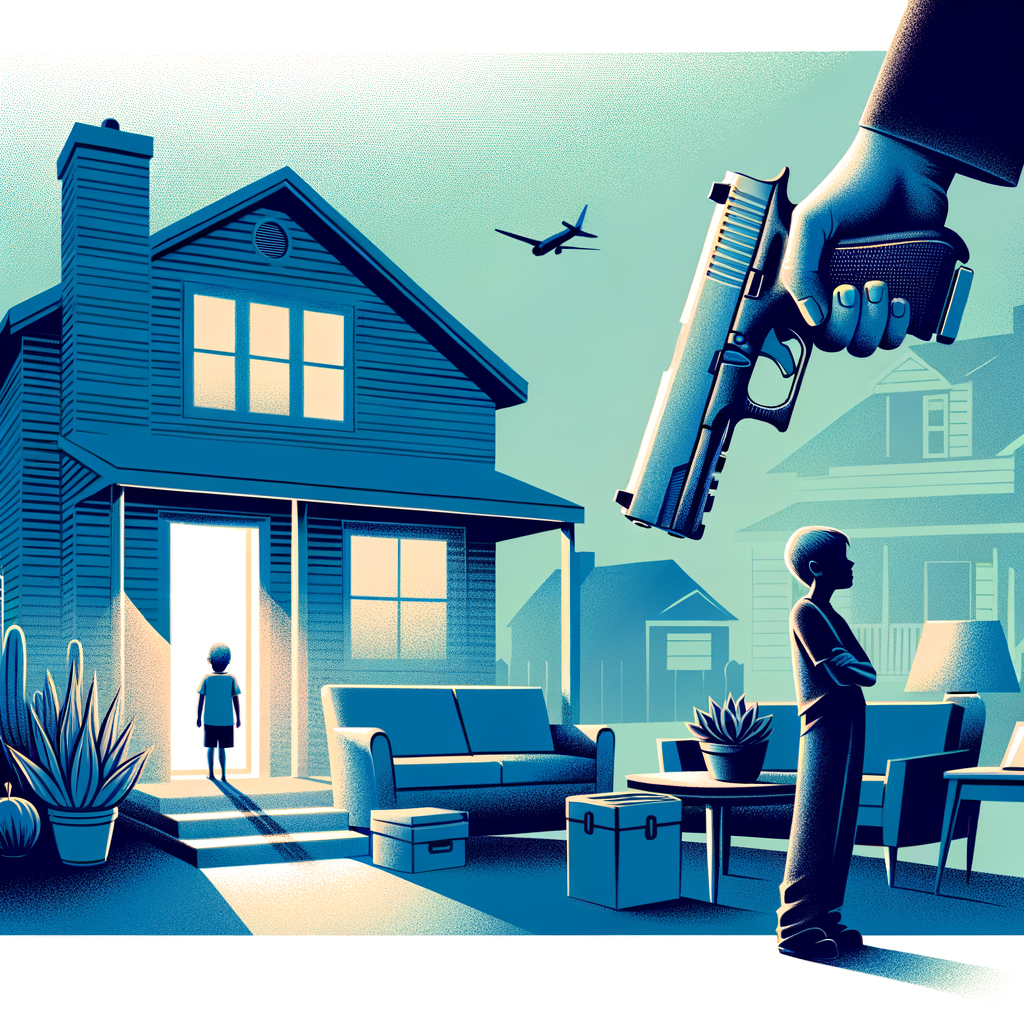
Firearms in the home can be a significant source of anxiety and stress, particularly when young children are present. This concern becomes even more magnified when firearms are not stored securely. The psychological impact of unsafe firearm storage in homes with kids is a complex issue that involves multiple facets of mental health, family dynamics, and childhood development. It is essential to explore how the presence of unsecured firearms in a household can affect the psychological well-being of all members, particularly children. Parents may experience acute stress and guilt, while children could develop anxiety, fear, or even normalize guns as everyday items, which might influence their behavior negatively. These mental health issues can alter family relationships, impact children’s development, and potentially perpetuate risky behaviors. Understanding these dynamics is crucial in addressing the safety and health of families while advocating for change in how firearms are stored in homes.
Psychological Effects on Parents
For parents, the responsibility of keeping their children safe is a constant concern. This sense of responsibility is heightened when firearms are present in the home. The fear of potential accidents can lead to chronic stress and anxiety. Parents may find themselves constantly worrying about the possibility of their child accessing a firearm, leading to persistent underlying tension. This fear can erode the peace of mind necessary for managing other aspects of life effectively.
Furthermore, if an accident does occur, parents often experience immense guilt and self-recrimination, which can have long-lasting psychological impacts. The burden of guilt for failing to prevent an accident can lead to depression and anxiety, significantly affecting the parent’s mental health and ability to function effectively within the family unit. This emotional turmoil can disrupt familial relationships, alter parenting styles, and reduce the overall quality of life for the entire family.
Impact on Child Development
Unsafe firearm storage can adversely influence children’s development, both psychologically and behaviorally. Children are naturally curious, and they may not fully understand the dangers associated with firearms. When firearms are left unsecured, the risk becomes alarmingly high that a child might stumble upon a weapon and cause accidental harm to themselves or others.
This exposure can fundamentally influence a child’s perception of risk and safety. If children view firearms as commonplace items, they might develop a misguided perception of their safety and power. Moreover, the presence of weapons, when not accompanied by proper education and understanding, could normalize violence or heighten aggressive tendencies. In some cases, this could lead to increased incidents of aggression or bullying among peers, further compounding the psychological challenges.
Additionally, witnessing parental anxiety or stress regarding firearm safety can indirectly affect children. They may pick up on these cues, leading to heightened levels of anxiety or fear themselves. This can manifest in the form of school-related anxieties, reluctance to engage in social activities, or difficulty forming friendships, all of which are critical components of healthy childhood development.
Affecting Family Dynamics
The presence of unsecured firearms can significantly alter family dynamics, often introducing an element of tension and mistrust among family members. This tension can stem from differing opinions on firearm ownership and safety measures. If one parent is more insistent on securing firearms than another, it can create conflict, leading to arguments and emotional distance.
This kind of environment is particularly challenging for children, who thrive in stable, harmonious settings. Tension and arguments between parents regarding firearm safety can create an unsettled atmosphere, fostering insecurity and apprehension in children. Moreover, it can strain parental relationships and undermine their ability to present a united front on other critical familial issues.
Moreover, the presence of unsecured firearms can affect the family’s social interactions and relationships with others. Some families may avoid having friends or family over due to fears of judgment or concern that visiting children might come into contact with a firearm. This can lead to social isolation, reducing opportunities for social support, which is essential for mental well-being.
Perpetuating Risky Behaviors
Another significant consequence of unsafe firearm storage is that it can perpetuate risky behaviors in children and adolescents. Adolescents who have easy access to unsecured firearms may be more likely to engage in risky behavior, including experimenting with the firearms, potentially leading to accidental discharge or harm.
Moreover, it can contribute to a culture of risk-taking, where young people see firearms more as tools or toys rather than dangerous weapons needing respect and caution. This behavior is often coupled with other risky actions like substance use or delinquency, further jeopardizing their safety and future.
In households where firearms are improperly stored, teenagers might also misuse these weapons in times of high emotion or conflict, resulting in tragic outcomes including suicide or harm to others. Without proper storage and parental guidance, the line between protection and peril becomes alarmingly blurred.
Solutions and Recommendations
While the potential psychological impacts are concerning, there are practical steps that families can take to mitigate these risks. Education plays an invaluable role. Parents must ensure that children understand the potential dangers of firearms and the importance of never touching one without adult supervision. Family discussions about firearm safety can be vital in demystifying guns and reducing potential curiosity-driven incidents.
Beyond education, using secure storage solutions, such as gun safes or lockboxes, is imperative. These storage options prevent unauthorized access and also help reduce anxiety regarding accidental access by children. Additionally, parents should advocate for community programs and resources that educate adults and children about gun safety, promoting a safer environment for everyone.
On a broader scale, advocating for legislation that focuses on child-proofing firearms, or requiring locks and secure storage, can provide an extra layer of protection and peace of mind for families. Communities must also foster open conversations about firearm safety, encouraging parents and children to voice concerns and seek advice without fear of stigma or judgment.
Conclusion
The psychological impact of unsafe firearm storage in homes with kids is profound and multifaceted. Parents endure significant stress and anxiety, while children are at risk of developing skewed perceptions of safety, heightened anxiety, and risky behaviors. The repercussions ripple outward, affecting family dynamics and social relationships, creating an environment where fear and tension may overtake harmony and security.
Addressing the psychological impact of firearm storage requires a holistic approach involving education, secure storage practices, and community involvement. By taking proactive steps to secure firearms, engage in open discussions about gun safety, and advocate for common-sense safety legislation, families can protect their mental well-being and work toward a safer environment for their children. In doing so, they not only ensure the physical safety of their households but also advance a mindset of respect and awareness necessary for the proper handling and storage of firearms. By emphasizing safety and education, families can alleviate the fears associated with firearms in the home, fostering an atmosphere of security and peace.
Nevertheless, while these efforts are important, they are not the ultimate resolution. Continuously reinforcing the importance of safety and responsibility when it comes to firearms—and ensuring that children are kept safe from potential dangers within their homes—can help to mitigate these psychological impacts. In creating better storage habits and embracing a more open dialogue about firearms, families can indeed protect their children from not just physical harm, but psychological repercussions as well.