
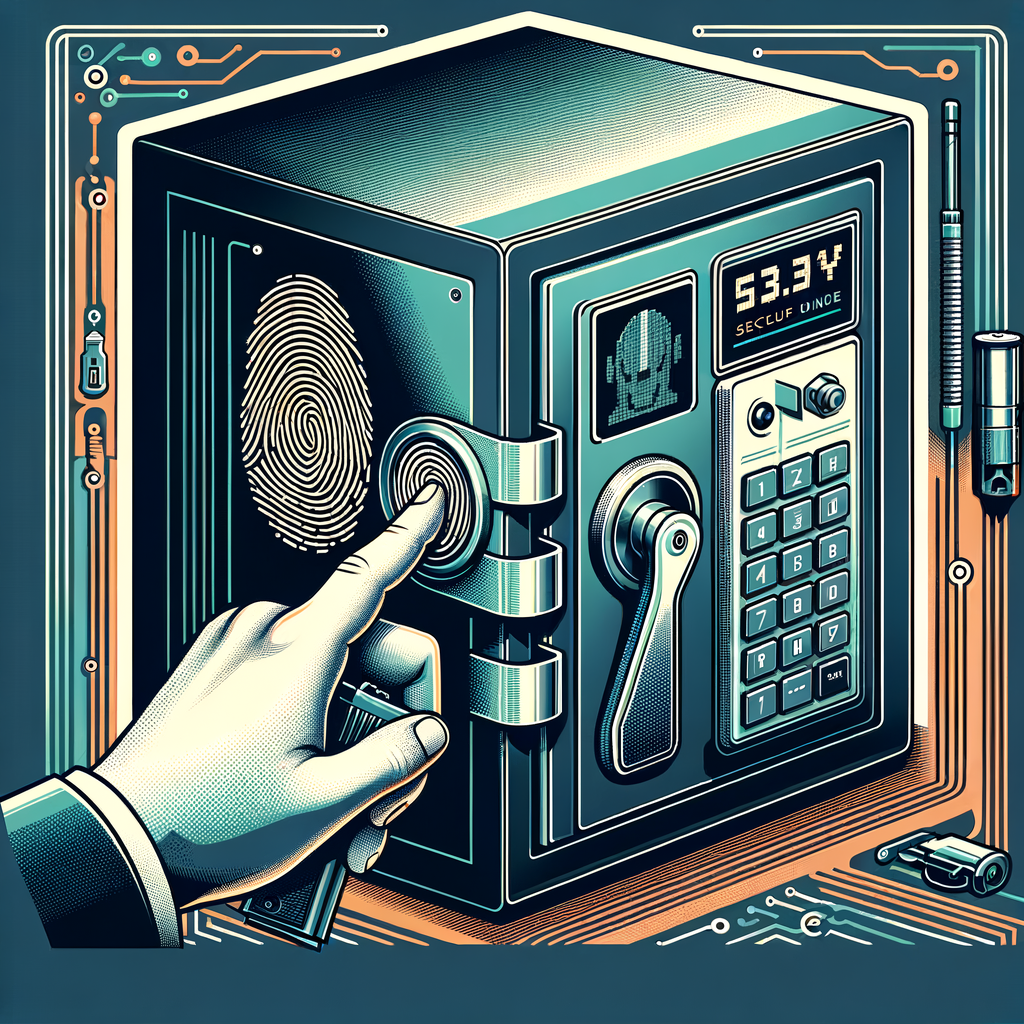
Biometric gun safes have surged in popularity among gun owners. They’re often touted for their convenience, security, and advanced technological features. These safes use fingerprint identification or, in some cases, palm print analysis to unlock. The theory is simple: only authorized users can access the contents, making these safes ideal for quick access in emergencies and safety from unauthorized access, like theft or accidents involving children. However, no system is perfect. Even though biometric gun safes offer cutting-edge technology, they inherently possess vulnerabilities that necessitate backup security measures. This article delves into why relying solely on biometric technology may not be wise and why supplementary security measures are essential.
Biometrics, a branch of technology utilizing human biological traits for identification, is indeed revolutionary. The reliance on a fingerprint or a palm print instead of a traditional key or combination prohibits unauthorized users from easily accessing the firearm. This technology seems like a dream for those who emphasize security and need rapid access during emergencies. Despite these apparent benefits, biometric systems exist within the realm of technology, a field notorious for its fallibilities. This article explores critical reasons urging gun owners to consider backup security for their biometric safes, ensuring their firearms remain securely stored and readily accessible only to those with rightful authority.
Technological Vulnerabilities of Biometric Systems
At its core, the issue with any biometric system is its dependence on technology. Technology can fail, and when it does, consequences can be dire—especially when it involves firearm accessibility. The scanner used to read fingerprints or identify palm prints could malfunction. Dust, dirt, or even a slight build-up of moisture can impede accurate readings. When this happens, access to the safe becomes restricted for both unauthorized and authorized users. Imagine needing fast access to your firearm during a crisis, but the scanner fails to recognize your fingerprint—it’s a scenario no gun owner wishes to face.
The problem doesn’t end with physical obstructions. Software glitches, a lack of system updates, or electronic malfunctions can render biometric locks unusable. Over time, errors in reading fingerprints might occur due to software bugs or hardware degeneration. Moreover, a drained or failing battery can rob the system of its functionality, leaving the user locked out. While technology can be updated and maintained, it is never infallible, highlighting the necessity for backup mechanisms to ensure continuous access.
False Acceptance and Rejection Rates
Biometric systems primarily rely on pattern recognition, which means there’s a margin for errors known as False Acceptance Rate (FAR) and False Rejection Rate (FRR). Far more critical than the inconvenience they pose, these errors could result in tragic scenarios. FAR indicates the system’s propensity to incorrectly recognize an unauthorized fingerprint as authorized. On the other hand, FRR refers to the failure of the system to recognize an authorized user’s fingerprint. Under high-stakes circumstances, an authorized user rejected from accessing their firearm could find themselves in a perilous situation.
For any biometric system to serve its intended purpose and maintain reliable security, FAR and FRR need to remain as low as possible. However, due to variances in user conditions—like aging skin changes, temporary cuts or bruises on fingers, or skin conditions affecting fingerprints—biometric systems might inadvertently keep rightful users locked out or allow unauthorized ones in. Without a backup, these errors could compromise safety and quick access during emergencies.
Limitations in User Enrollment
When enrolling users, biometric systems depend on a detailed and specific pattern of the biometric trait, most commonly the fingerprint. However, certain situations can restrict effective enrollment. For example, individuals with naturally faint fingerprints, skin conditions, or diminished ridge clarity may find it challenging to enroll their biometric data accurately in the system. Without a successful enrollment, access becomes a problem.
Moreover, biometric systems generally have a limit on the number of users they can store. In settings like family homes or offices where multiple people require access, this limitation becomes a genuine concern. Biometric safes may not accommodate all potential authorized users, necessitating alternative security options that accommodate larger groups of users while maintaining security standards.
Weather and Environmental Influence
Environmental factors sometimes impact the efficacy of biometric systems. Extremely cold or hot conditions might affect both the biometric data and the electronic components within the safe. For example, below-freezing temperatures can numb or even alter fingerprints temporarily, while sweltering conditions can cause sweating, leading to moisture-induced scanner failures.
Humidity can severely disrupt electronic components and scanning accuracy. Environments with high humidity can cause moisture to seep into the biometric reader, resulting in short circuits or impaired functioning. Extended exposure to such conditions could permanently damage the safe’s electronic components, either temporarily or until repaired or replaced. Hence, biometric safes in environments subjected to drastic temperature swings or high humidity should have a backup security measure to avoid malfunctions during critical moments.
Physical and Cyber Security Concerns
Biometric information, while secure, is not immune to theft. Digitally stored data from biometric systems potentially exposes users to cyber attacks. Hackers with sophisticated skills can access these systems, either remotely or on-site, and replicate or upload fake biometric data to gain unauthorized access. The sophisticated nature of modern cybercrime requires that systems have adequate cyber defenses, yet no system is invulnerable.
Additionally, physical tampering remains a threat. Should someone gain access to the biometric gun safe, either through the means of duplication or cyber infiltration, they could potentially disable or damage the system, making alternates essential for safety. Including a traditional lock or physical barrier as a backup can prevent unauthorized access if the biometric controls become compromised.
Backup Security Measures
Recognizing the aforementioned vulnerabilities, the integration of backup security measures becomes paramount. A solid backup ensures that legitimate users always retain access to firearms, even when biometric systems suffer failures. The most straightforward and reliable method is to pair the biometric system with a mechanical override key. Such a key does not depend on electricity, and the simplicity of mechanical systems renders them long-lasting and less prone to malfunction compared to electronic ones.
In addition to mechanical overrides, many modern gun safes incorporate digital keypads. Such systems allow entry via a passcode, providing a secondary means of access. Importantly, electronic systems should support users’ ability to easily change passcodes to maintain security barriers. Furthermore, wireless or Bluetooth capabilities allow some safes to be linked to smartphones, bringing a third backup option through mobile access control.
New designs in intelligent systems incorporate voice recognition as another layer of security within multi-modal systems, complementing standard biometric checks. Such redundancy serves to drastically enhance security layers, ensuring unauthorized access remains unlikely and providing peace of mind for owners.
Maintaining and Regular Testing
A significant aspect tied to backup security measures involves regular upkeep and testing. Only through frequent testing can one ensure all systems are functional and reliable. Scheduled maintenance routines for electronic security systems are fundamental to identify potential points of failure before they become security threats. Testing backup systems, such as mechanical keys and digital passcodes, guarantees they execute correctly if biometrics fail.
Owners should consider professional evaluations of safes annually by certified technicians, ensuring hardware and software updates enhance the system’s capabilities and overcome vulnerabilities. In periodic maintenance, batteries must be routinely checked, cleaned, and replaced to sustain the readiness of electronic components. Simultaneously updating software ensures that any known bugs or security loopholes are timely patched, preserving safety standards.
Conclusion
While biometric gun safes hold a reputation for combining security with convenience through advanced technology, their limitations cannot be ignored. Dependence solely on biometric mechanisms places users at risk for potential technological failures, cyber threats, enrollment limitations, and environmental influences. These concerns necessitate reinforcing biometric safes with backup security measures, ensuring their utility and reliability remain uncompromised.
Incorporating alternative lock systems such as mechanical keys, digital keypads, or even integrating smartphone access provides owners peace of mind, assuring that safe access remains possible during failures. Routine maintenance and checks enhance longevity and safeguard the reliability of backup measures. This conscious integration of layered security represents the responsibility gun owners hold to maintain control over their firearms, prioritizing safety alongside the advantages biometrics offer.
By acknowledging and addressing the vulnerabilities within biometric safes, manufacturers and owners alike can ensure firearms are responsibly stored, accessible only to whom they’re intended— fostering a safer environment in homes and communities alike.