
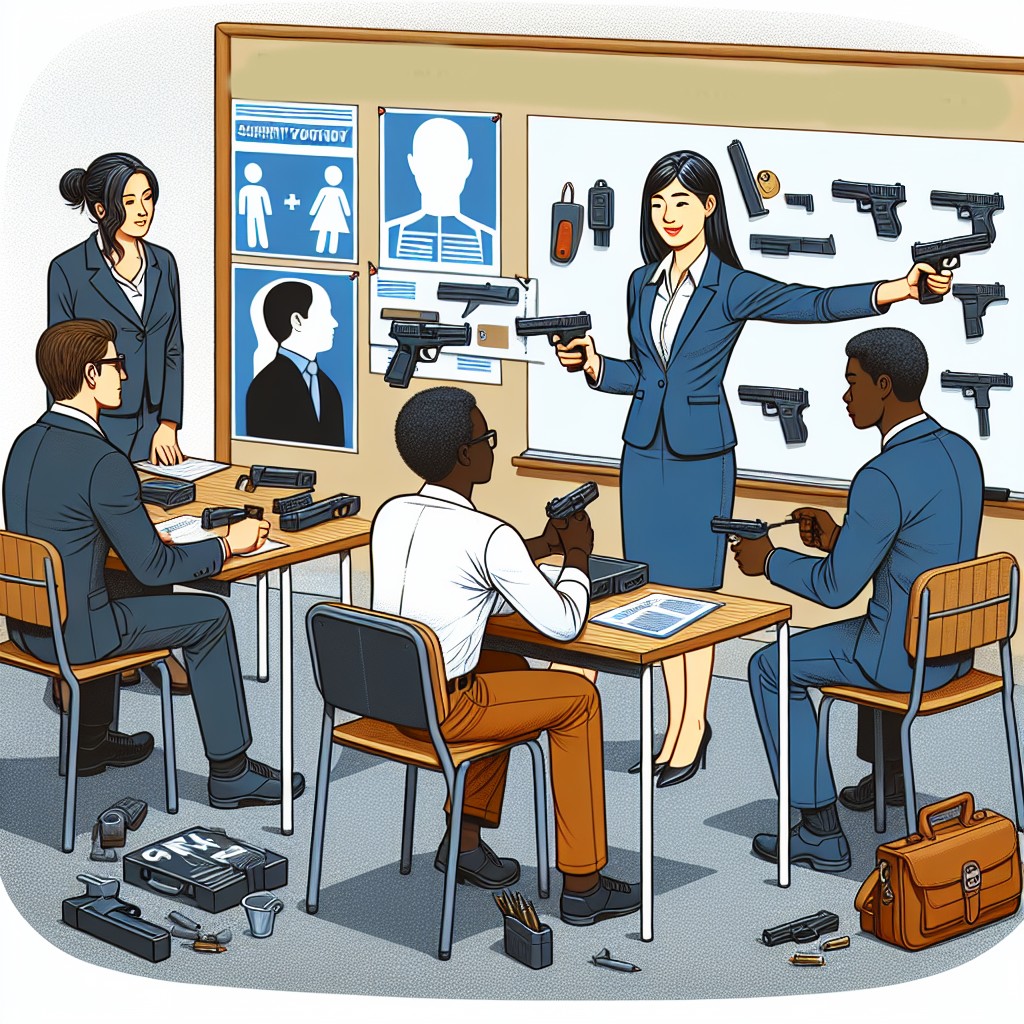
Gun ownership carries with it a significant amount of responsibility. Whether you own a firearm for personal protection, sport, or work-related purposes, the importance of gun safety cannot be overstated. In the United States, gun ownership is a constitutional right; however, this right comes with a crucial need for proper training and safety measures. The right to bear arms and the need for stringent safety protocols go hand in hand to ensure that gun ownership does not lead to unnecessary accidents or tragic incidents.
There is a clear difference between owning a gun and being proficient in its safe handling. While many gun owners may believe they understand the basic principles of gun safety, the reality is that without professional training, they may not be fully prepared to handle numerous potential scenarios. Professional training equips individuals with the knowledge, skills, and confidence required to responsibly handle firearms under various circumstances.
This article aims to delve into the importance of professional training for gun safety. We will explore common gun safety scenarios, highlight the areas where professional training can make a critical difference, and outline the benefits of seeking expert instruction. By understanding these aspects, gun owners can better appreciate the value of professional training and take the necessary steps to ensure their safety and the safety of those around them.
Understanding Basic Gun Safety Principles
First and foremost, there are universal rules of gun safety that every gun owner must commit to memory and practice consistently. These include treating every firearm as if it is loaded, always keeping the muzzle pointed in a safe direction, keeping your finger off the trigger until you are ready to shoot, and being sure of your target and what is beyond it. While these rules may seem simple, they form the foundation of responsible gun ownership and must be reinforced through repetition and practice.
Beyond the basics, there are additional safety principles that come into play during different scenarios. For instance, knowing how to safely load and unload a firearm, understanding the mechanics of your specific gun, and being able to perform routine maintenance are skills that professional training can help develop. Through hands-on learning and expert instruction, gun owners can become familiar with safety protocols that go beyond the standard rules.
In professional training courses, participants are often exposed to a wide range of instructional materials, simulations, and real-life scenarios that test their understanding and application of gun safety principles. This not only helps reinforce their knowledge but also prepares them for unexpected situations that may arise. By engaging in such training, gun owners can move beyond a basic understanding of safety and towards a more comprehensive and practical skill set.
Advanced Training for Specialized Scenarios
While basic gun safety training is essential, advanced training courses offer specialized instruction for a variety of scenarios that gun owners may encounter. These scenarios can range from home defense tactics to active shooter situations, each requiring a distinct set of skills and strategies. For example, in a home defense course, participants may learn how to secure their household, safely store firearms, and effectively respond to a potential threat within the home environment.
Similarly, courses focusing on active shooter training provide critical insights into recognizing early warning signs, escape routes, and engagement strategies if confrontation becomes unavoidable. Such training emphasizes quick decision-making, situational awareness, and the ability to remain calm under pressure. Without this specialized training, gun owners may lack the necessary preparation to handle these highly stressful and potentially dangerous situations.
Another important area of advanced training is marksmanship and tactical shooting. These courses teach accurate shooting techniques, firearm manipulation under stress, and the effective use of cover and concealment. Whether for law enforcement personnel, security professionals, or responsible civilians, this training can significantly enhance one’s ability to use a firearm effectively and responsibly in various circumstances.
Legal and Ethical Considerations
Gun ownership is not merely about physical proficiency; it also involves a deep understanding of the legal and ethical responsibilities that come with handling firearms. Professional training includes instruction on the pertinent laws and regulations regarding firearm use, including self-defense laws, use-of-force continuum, and the consequences of negligent discharge. By understanding the legal framework, gun owners can make more informed decisions and avoid legal troubles.
Ethical considerations are equally important. Professional training instills a sense of accountability and responsibility in gun owners, ensuring that they understand the gravity of using a firearm. This includes the moral implications of potentially taking a life in self-defense, the importance of de-escalation techniques, and the responsibility to ensure the safety of bystanders in any given situation. Comprehensive training emphasizes that using a firearm is always a last resort and should be approached with the utmost caution and consideration.
Moreover, professional training often includes modules on conflict resolution and verbal de-escalation tactics. These skills are crucial in diffusing situations without resorting to the use of a firearm, thereby reducing the likelihood of harm and the subsequent legal repercussions. By integrating legal and ethical training into their firearm education, gun owners can become more responsible and conscientious stewards of their gun rights.
The Role of Instructors in Professional Training
The expertise and experience of professional instructors play a pivotal role in the effectiveness of gun safety training. Qualified instructors bring a wealth of knowledge from various fields, such as law enforcement, military service, and competitive shooting. Their real-world experience offers invaluable insights and practical skills that go beyond textbook learning.
Instructors are trained to identify and correct bad habits, provide constructive feedback, and tailor training to suit individual needs. They can simulate high-pressure scenarios, create realistic training environments, and ensure that participants are well-prepared for real-world challenges. Their ability to convey complex concepts in an understandable and relatable manner helps enhance the learning experience.
Furthermore, professional instructors emphasize continuous learning and practice. They encourage gun owners to regularly revisit and refresh their training, participate in advanced courses, and stay updated on the latest safety protocols and legal changes. By fostering a culture of continuous improvement, instructors help ensure that gun owners remain proficient and responsible throughout their lifetime.
Benefits of Ongoing Education
Gun safety is not a one-time achievement but an ongoing commitment. Continual education and training are vital for maintaining and enhancing one’s firearms proficiency and safety awareness. Regularly attending refresher courses and advanced training sessions can help gun owners stay sharp, adapt to new techniques, and keep up with evolving safety standards.
Ongoing education also provides opportunities to engage with a community of like-minded individuals who prioritize safety and responsibility. This network can offer support, share knowledge, and encourage best practices, creating a reinforcing loop of positive behaviors and attitudes towards gun ownership.
Additionally, many training programs offer specialized courses that delve into niche areas such as defensive shooting, tactical medicine, and scenario-based training. These courses can provide gun owners with a broader skill set, enhancing their ability to respond effectively to various situations. By continually expanding their knowledge and skills, gun owners can become more versatile and competent in handling firearms safely and responsibly.
Conclusion
In conclusion, professional training is indispensable for ensuring gun safety. While basic principles of gun safety are essential, advanced training provides the depth and breadth of knowledge needed to navigate complex and high-stress scenarios. Legal and ethical training further emphasizes the gravity of firearm use, underscoring the importance of responsible and informed decision-making.
The role of professional instructors cannot be overstated. Their expertise, experience, and commitment to continuous learning make them invaluable resources for gun owners seeking to enhance their safety and proficiency. Ongoing education and training are crucial for maintaining a high standard of gun safety and ensuring that gun owners remain responsible stewards of their firearms.
Ultimately, professional training for gun safety is about more than just handling a firearm; it is about cultivating a mindset of responsibility, awareness, and continuous improvement. By investing in professional training, gun owners can protect themselves, their loved ones, and their communities, making a positive contribution to overall public safety.