
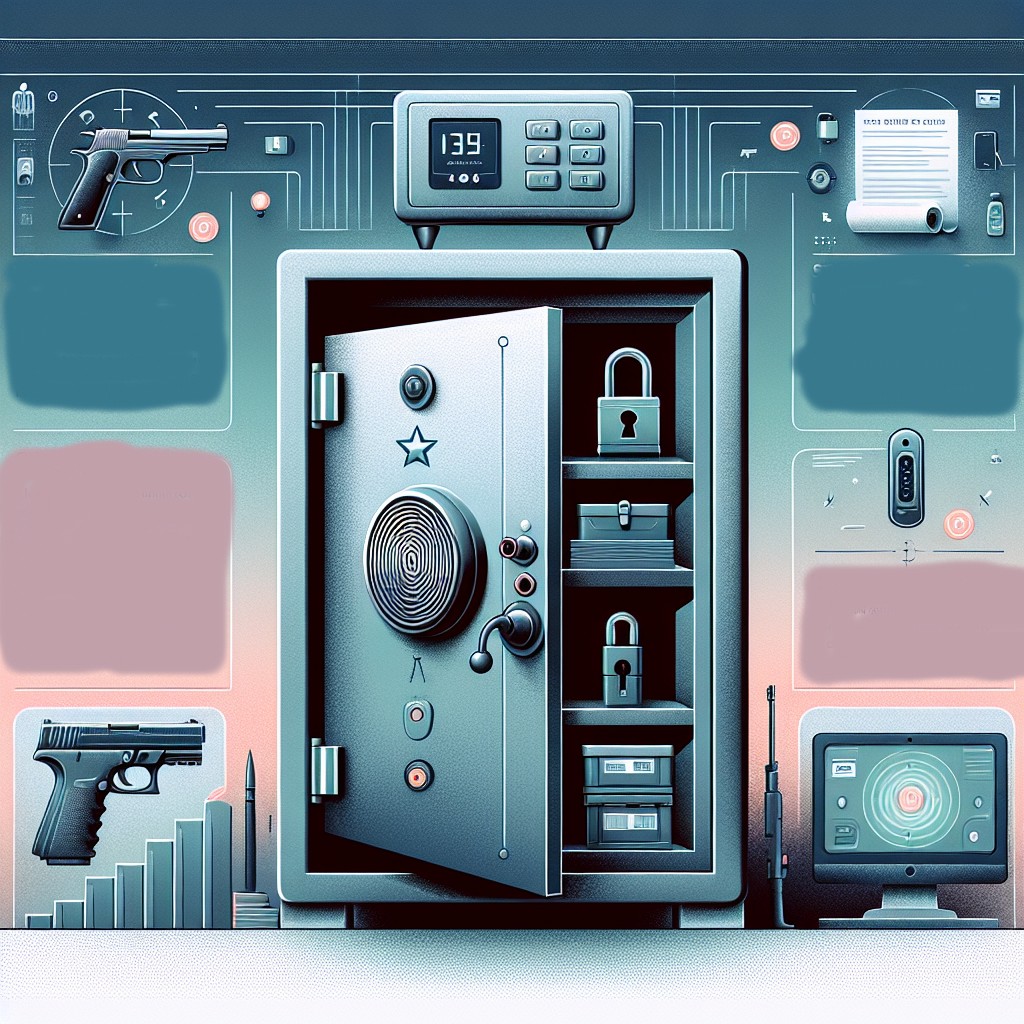
Gun ownership comes with considerable responsibilities, and one critical element is ensuring the secure storage of firearms to prevent unauthorized access and theft. The issue of gun theft is a significant concern, not only due to potential criminal implications but also considering the moral and legal obligations associated with preventing such incidents. With millions of guns stolen every year in the United States, safeguarding these weapons becomes paramount. This article focuses on effective strategies and tips to combat gun theft, aiming to provide gun owners with practical tools and knowledge to protect their firearms.
Gun theft often occurs due to negligence in storage practices. A stolen gun can pose a severe threat as it can be used in criminal activities or accidents. Consequently, ensuring the security of firearms isn’t just about following the law; it’s about saving lives and maintaining peace in communities.
In this article, we’ll explore various aspects, such as the importance of investing in quality gun safes, implementing safety practices at home, keeping a detailed inventory, and being aware of theft patterns. Moreover, we’ll discuss technological advancements that aid in securing guns and delve into best practices adopted by responsible gun owners. By the end of this article, gun owners will be better equipped with the knowledge needed to tackle gun theft effectively.
Investing in Quality Gun Safes
One of the core strategies in combating gun theft is investing in a high-quality gun safe. A gun safe isn’t merely a storage box; it’s the first line of defense against theft. When purchasing a gun safe, there are several critical factors to consider, such as the lock mechanism, material, fire resistance, and size.
Modern gun safes come equipped with advanced locking mechanisms including biometric locks, combination locks, and digital keypads. Biometric locks, which use fingerprint recognition, offer a high level of security as they minimize the risk of unauthorized access. However, it’s crucial to regularly maintain and update the biometric data. On the other hand, combination locks and digital keypads also provide robust security; choosing between them often depends on personal preference and ease of use.
Material and build quality are paramount. Look for safes made from heavy-duty steel, with solid construction that resists tampering and drilling. Fire resistance is another consideration, especially for those living in areas prone to wildfires. Opt for a gun safe that can withstand high temperatures for a significant period.
Size matters as well. Ensure the safe adequately fits all the firearms you intend to store, along with other valuable items like ammunition or important documents. An overcrowded safe can be less effective and harder to organize. Investing in a quality gun safe is a long-term commitment that plays a vital role in preventing gun theft.
Implementing Safety Practices at Home
Beyond investing in a state-of-the-art safe, implementing comprehensive safety practices at home is essential. Here are some practical tips every gun owner can adopt:
- Discrete Storage: While gun safes are crucial, it’s equally important to store them in inconspicuous locations. Avoid areas that burglars are likely to target first, such as the master bedroom.
- Secure Ammunition Separately: Store ammunition in a separate, locked container to add another layer of security.
- Change Access Codes Regularly: For safes with digital or combination locks, change the access codes periodically. Avoid using easily guessable combinations like birthdays or anniversaries.
- Install Security Cameras: To monitor the general area where the safe is stored. This not only deters potential thieves but also provides crucial evidence in case of a break-in.
- Limit Access: Keep gun ownership information private, limiting knowledge about your firearms to only trusted family members.
By adhering to these home safety practices, you substantially lower the risk of gun theft.
Keeping a Detailed Inventory
Maintaining a meticulous inventory of your firearms is another indispensable aspect of preventing and managing gun theft. A comprehensive inventory includes details such as the make, model, and serial number of each gun, along with photographs and receipts.
In the unfortunate event of a theft, having a detailed inventory can significantly aid law enforcement agencies in tracking and recovering the stolen firearms. This documentation also helps in the insurance claims process. There are several efficient ways to maintain this inventory:
- Physical Record: Maintain a physical ledger or notebook where you regularly update the status and particulars of each firearm.
- Digital Records: Use a digital spreadsheet or dedicated inventory management software. These tools often come with additional features like alerts for maintenance schedules and expiry of permits.
- Cloud Storage: Storing inventory details in secured cloud storage ensures that the information remains accessible even if physical copies are lost or damaged.
An up-to-date inventory serves as a robust tool against gun theft, ensuring you’re equipped to respond swiftly and effectively if a theft occurs.
Understanding and Addressing Theft Patterns
Knowledge is power, especially when it comes to understanding theft patterns and taking pre-emptive measures. Thieves often follow specific patterns, and recognizing these can significantly reduce the risk of gun theft.
Studies indicate that a significant proportion of gun thefts occur during home invasions. Thieves often look for easy targets and quick exits. By ensuring your home doesn’t appear an easy mark, you can deter potential burglars. Here are ways to address common theft patterns:
- Reinforce Entry Points: Strengthen doors, windows, and other entry points using solid locks and security systems.
- Avoid Routine Patterns: Don’t establish predictable routines. Vary your schedules to make it more challenging for thieves to time their activities.
- Community Watch: Participate in neighborhood watch programs. A vigilant community is a significant deterrent against crime.
- Light Up: Adequate outdoor lighting deters burglars. Use motion-sensing lights around the perimeter of your home.
By addressing these theft patterns proactively, you stand a better chance of protecting your firearms from theft.
Technological Advancements in Gun Security
The integration of advanced technology in gun security offers additional layers of protection. Modern tools and innovations can significantly augment traditional security measures. Some notable technological advancements include:
- Smart Gun Safes: These safes come with features like biometric scanning, remote access, and alarms that alert you of unauthorized attempts to open them.
- GPS Tracking Devices: These devices can be installed in firearms to track their location in real-time, facilitating quick recovery in case of theft.
- RFID Tags: Radio Frequency Identification tags can be embedded in firearms, allowing for easy tracking and inventory management.
- Security Apps: Smartphone applications that alert you to security breaches at home, often integrating with other smart home devices.
By leveraging these technological tools, gun owners can create a more secure environment for their firearms, effectively reducing the risk of theft.
Best Practices from Responsible Gun Owners
Learning from the experiences of responsible gun owners can offer practical insights into effectively combating gun theft. Here are some best practices:
- Regular Training: Participate in gun safety and theft prevention courses regularly. This keeps your knowledge updated and sharp.
- Community Engagement: Foster a sense of security within your community. Share tips and practices with fellow gun owners.
- Communicate with Family: Ensure family members are aware of gun safety protocols and understand the importance of securing firearms.
- Continuous Assessment: Regularly assess and update your security practices based on changing circumstances and new threats.
Implementing these practices helps build a culture of responsible gun ownership, contributing towards a safer community.
Conclusion
Combating gun theft requires a multi-faceted approach, combining the use of high-quality gun safes, implementing stringent safety practices, maintaining an updated inventory, understanding theft patterns, leveraging technological advancements, and learning from the practices of responsible gun owners. Each strategy discussed in this article plays a crucial role in creating a secure environment for your firearms, ensuring they do not fall into the wrong hands.
As duties of responsible gun ownership is substantial, adhering to these detailed measures is not just about compliance, but about preserving lives and contributing to community safety. An informed and proactive approach towards gun theft prevention will significantly reduce the risks associated with gun ownership.
Remember, the goal is not merely to protect your firearms but to ensure that these weapons, which are powerful tools, are handled with the utmost responsibility and care. By investing your resources, time, and effort into effective gun security strategies, you steward not only your property but also the safety and peace of your community.
We hope this comprehensive guide has provided valuable insights and practical tips to help you combat gun theft effectively. By adopting these strategies, you can be a part of the solution in reducing gun-related crimes and incidents.