
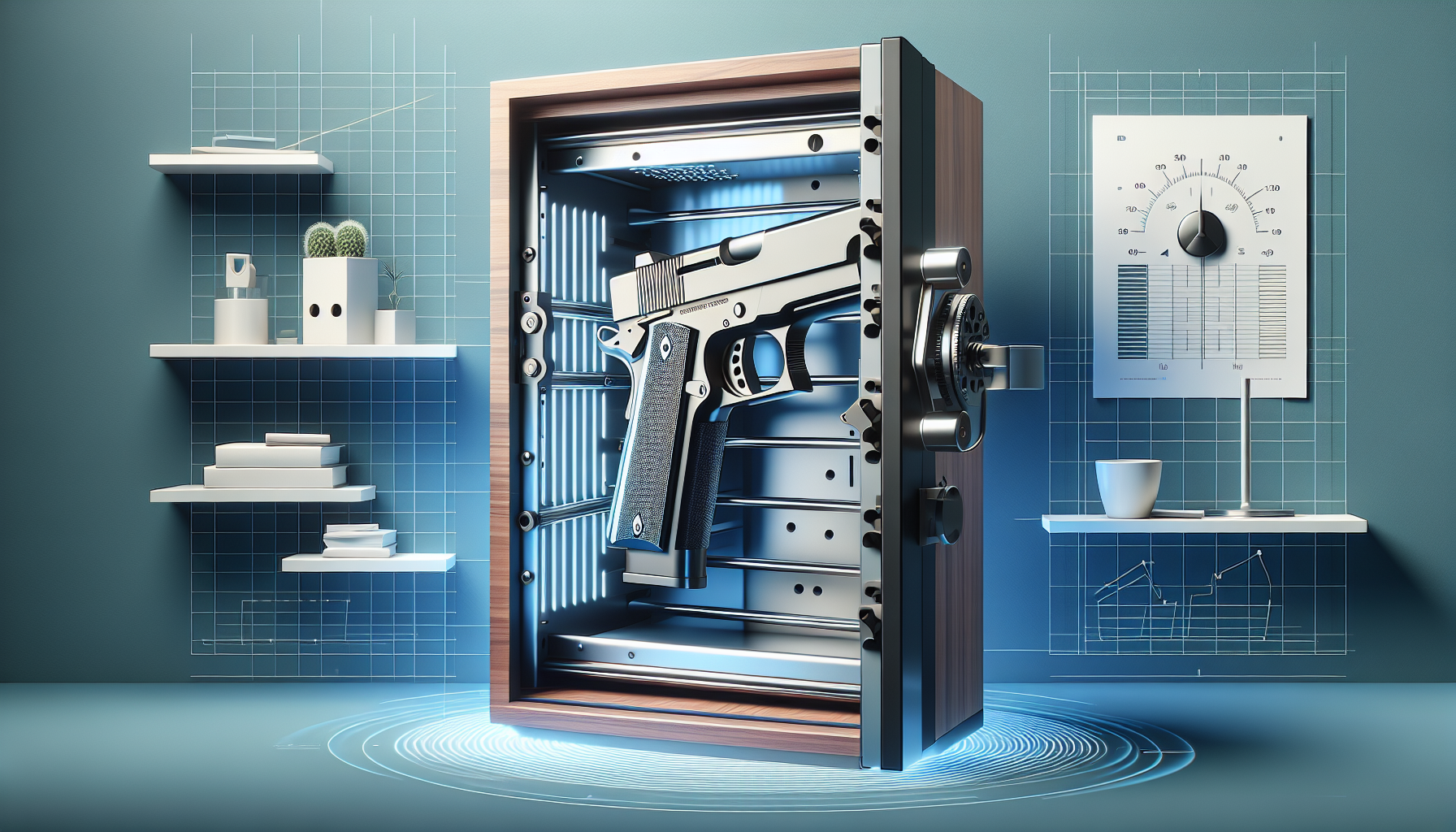
Under-bed gun safes solve a specific problem: how to keep a defensive firearm secure, hidden, and reachable within seconds. For many households, a traditional upright safe in a closet is too slow for nighttime access, while a handgun left in a drawer is too easy for children, guests, or thieves to find. The best under-bed gun safes for quick access bridge that gap by combining rapid entry, tamper resistance, discreet placement, and enough capacity for a handgun, spare magazines, documents, or even a compact long gun.
In my experience evaluating residential firearm storage, under-bed safes are most useful for three groups: homeowners who want a bedside-access solution, apartment dwellers who need low-profile storage, and anyone building a layered home-defense plan without dedicating floor space to a full-size cabinet. The key term is quick access. That does not mean careless access. It means a safe designed to open reliably under stress, in darkness, and with limited fine motor control, while still meeting the practical goal of unauthorized-access prevention.
Another key term is under-bed gun safe. This usually refers to a horizontal safe, often with a pull-out drawer or front-opening door, sized to fit beneath a bed frame. Common widths range from about 36 to 48 inches, though some compact handgun models are smaller and some rifle-capable units exceed 50 inches. Most are built from steel, use electronic keypads, biometric scanners, RF key fobs, or Simplex-style mechanical locks, and can be anchored to flooring or bed structure. Quick access depends on more than lock type alone; it also depends on safe placement, drawer glide quality, battery reliability, and whether the user has practiced retrieval.
This buying guide matters because the wrong safe creates a false sense of security. A cheap unit may pry open, fail electronically, or jam when dust collects under the bed. A well-chosen safe, by contrast, supports safe storage, legal compliance, and realistic defensive readiness. This hub article covers the core buying decisions, tradeoffs, installation factors, and model categories that matter most when choosing the best under-bed gun safe for quick access.
What makes an under-bed gun safe truly fast and secure
The best under-bed gun safes balance four factors: speed, resistance, fit, and reliability. Speed means the lock opens in one consistent motion and the door or drawer presents the firearm cleanly. Resistance means the steel body, locking bolts, hinges, and anchoring points discourage smash-and-grab theft. Fit means the safe actually works with your bed frame, flooring, firearm dimensions, and room layout. Reliability means it functions after months of neglect, power loss, or repeated nighttime drills.
Lock choice drives much of this. Biometric safes look attractive on paper, but fingerprint readers vary widely. High-end sensors can work well if enrolled correctly and kept clean, yet I have also seen budget readers fail with dry skin, sweat, or angled finger placement. Electronic keypads are often the most practical quick-access option because they are predictable, especially when paired with illuminated buttons and a physical backup key. Mechanical push-button locks, especially Simplex-pattern systems, remain the benchmark for durability because they need no batteries and can be opened by touch in darkness, though they are less common on larger under-bed drawer safes.
Steel thickness matters, but it should be evaluated honestly. Many consumer under-bed safes use 14-gauge or 12-gauge steel. That is better than thin lockboxes, but it is not vault construction. Security improves substantially when the safe has reinforced door edges, internal hinges or protected hinge sides, anti-pry lips, and predrilled anchor holes that allow hard mounting to structure. California DOJ approvals and standards such as UL Residential Security Container classifications can provide context, although many fast-access bedroom safes are not full UL-rated burglary safes. That does not make them useless; it simply means buyers should match expectations to threat level.
How to choose the right size, layout, and access method
Size is the first filter, and many buyers get it wrong by measuring only the outside bed clearance. You need enough vertical clearance for the safe body plus tolerance for carpet, rug bunching, drawer travel, and bed slats or support legs. I recommend measuring usable height at several points, not just the edge. Some platform beds narrow underneath, and some frames have center supports that block a long drawer from opening fully.
Next, match the interior layout to the firearm you actually need to store. A bedside handgun setup may require room for one pistol, a weapon-mounted light, spare magazine, and a small flashlight. A larger under-bed safe may hold an AR-pattern pistol, broken-down shotgun, or PCC, but optics height and overall length quickly become limiting factors. Foam interiors can help organization, yet dense customizable inserts are better than egg-crate foam if you want the gun to present consistently on opening.
Access method should reflect your likely use case. If the safe is for a primary defensive handgun, every second of the opening sequence matters. A spring-assisted drawer with interior lighting and a silent mode can be genuinely useful. If the safe stores backup firearms or valuables, slightly slower but more secure entry may be acceptable. Households with children should prioritize lockouts, audit features, and disciplined code management over novelty features.
| Buying Factor | Best Choice for Quick Access | Why It Matters |
|---|---|---|
| Lock type | Electronic keypad or quality mechanical push-button | Consistent opening under stress and low light |
| Steel construction | 12-gauge or better with anti-pry design | Improves resistance to forced entry |
| Anchoring | Predrilled holes with solid mounting hardware | Prevents easy grab-and-run theft |
| Drawer action | Smooth extension with minimal flex | Allows clean firearm retrieval |
| Interior fit | Customizable foam or rack system | Keeps firearms stable and oriented |
| Backup entry | Mechanical override or redundant access option | Reduces lockout risk during battery failure |
One practical rule: buy for the next realistic configuration, not just today’s gun. If you may add a red-dot sight, suppressor-height sights, or a compact long gun, allow for that now. Replacing a poorly sized safe usually costs more than choosing one size up initially.
Best under-bed gun safe categories for different buyers
There is no universal best model for every home, so the most useful approach is to identify the right category. For handgun-only users, compact drawer safes from brands such as Vaultek, Hornady, and Fort Knox are popular because they emphasize fast opening and manageable footprints. Vaultek units often stand out for modular interiors, app-linked management on some models, and multiple entry methods, though battery dependence means owners must stay disciplined about maintenance. Hornady’s RAPiD line has earned attention for RFID access, which can be fast from a staged wristband or tag, but RFID adds another item to manage and secure.
For buyers prioritizing mechanical reliability, Fort Knox has long been respected for Simplex lock options and stout construction in bedside formats. Not every Fort Knox product fits under every bed, but the brand remains a reference point when people want no-battery access. In the larger horizontal category, products from SecureIt, SnapSafe, and Monster Vault-style makers appeal to users storing multiple handguns or compact long guns. These are less like miniature pistol vaults and more like shallow steel cabinets with faster access than a traditional standing safe.
Budget buyers should be cautious. Entry-level imported safes sold through marketplaces can look similar to premium units in photos, yet the differences show up in weld quality, lock consistency, drawer alignment, and customer support. A biometric reader that misses one in five attempts is not a minor inconvenience in a defensive context. Likewise, thin steel and poor anchoring hardware turn concealment into the only real security feature. Budget does not always mean bad, but it usually means more compromises. If cost is tight, I advise prioritizing a reliable keypad and solid anchoring over app connectivity or biometric branding.
For this buying-guides hub, think in pathways: handgun quick-access safes, under-bed long-gun safes, biometric versus keypad comparisons, vehicle-to-bedroom transfer storage, and child-resistant firearm storage. Those are the natural follow-on topics readers usually need after choosing a category.
Installation, maintenance, and real-world placement mistakes
Installation is where many good safes become mediocre. An under-bed safe should be anchored whenever possible. Manufacturers usually provide predrilled holes, but the right mounting method depends on subfloor, slab, bed frame design, and whether you rent or own. Lag bolts into solid wood structure are common in wood-floor installations. Concrete anchors work on slab foundations. If direct floor anchoring is impossible, some users integrate the safe with a reinforced platform bed, though that approach demands careful load planning and does not replace proper theft resistance.
Placement should support access from your actual sleeping position. A drawer that opens toward the wall, catches on bedding, or forces you to kneel awkwardly will be slower than expected. I advise testing the full motion path with the bed made, lights off, and your normal bedroom furniture in place. It is remarkable how often a bench, nightstand, or rug edge interferes with the drawer during real use.
Maintenance is simple but essential. Replace batteries on schedule, not after low-battery warnings. Clean biometric sensors if equipped. Vacuum dust from tracks and beneath the safe. Inspect anchor bolts at least twice a year. Cycle the lock and drawer regularly so you discover failures before an emergency does. If the safe includes override keys, store them securely off-site or in a separate locked location, never loose in the bedroom.
The most common mistake is treating concealment as security. Another is failing to rehearse. Quick access is a learned process: entering the code by feel, controlling the drawer, indexing the firearm safely, and maintaining muzzle discipline in a confined room. A safe can support that process, but it cannot replace it.
How this buying guide fits into a complete gun safe strategy
Under-bed safes work best as one layer in a larger storage plan. They are ideal for ready-access firearms and select valuables, not for bulk firearm collections, fire-rated document protection, or high-end burglary defense. Many owners pair an under-bed unit with a larger UL-listed safe elsewhere in the home: the larger safe handles long-term storage, legal transport documents, optics boxes, and surplus firearms, while the under-bed safe handles immediate access for one primary setup.
This is also where legal and household context matter. State laws differ on storage requirements, especially where minors may access a firearm. Insurance carriers may have separate requirements for theft claims. If you travel frequently, a bedside quick-access setup should be part of a documented routine for staging, unloading if appropriate, and returning firearms to primary storage when the situation changes. Homes with teenagers, frequent visitors, cleaners, or short-term rental activity demand stricter procedures than a single-adult household.
As a sub-pillar hub in Gun Safes & Safety, this page should lead readers into focused guides on lock types, mounting methods, bedside versus closet placement, child-access prevention, and under-bed safe reviews by firearm size. That structure helps buyers move from broad research to a confident final choice. Start by measuring your space, defining your access needs, and eliminating models that do not anchor securely or open consistently. The best under-bed gun safe for quick access is the one you can reach, trust, and operate correctly every time.
Frequently Asked Questions
What makes an under-bed gun safe a better choice for quick access than a traditional closet safe or nightstand drawer?
An under-bed gun safe is designed to solve a very specific problem: keeping a defensive firearm both secured and immediately accessible when seconds matter. A traditional closet safe may offer excellent protection, but it often requires walking across the room, opening a door, and navigating a larger lock system before you can reach your firearm. That process can feel slow and awkward in the middle of the night. On the other hand, a handgun stored in a nightstand drawer may be fast to grab, but it usually provides little to no real security against children, visitors, or burglars.
Under-bed gun safes sit in the middle of those two extremes. They are hidden in a low-profile location, difficult to spot during a casual search, and built with locking mechanisms that still allow fast entry. Many models use electronic keypads, biometric scanners, RFID systems, or backup keys so you can open the safe quickly in the dark without sacrificing basic access control. The drawer-style design also helps because it presents the firearm in a predictable orientation, making retrieval easier under stress.
Another important advantage is discretion. A bulky upright safe can advertise that valuables or firearms are stored in the room, while a drawer under the bed remains out of sight. For households that want a defensive firearm nearby without creating obvious visual clutter, this is a practical solution. In short, the best under-bed gun safes are popular because they combine speed, concealment, and better security than improvised storage options.
How secure are under-bed gun safes, and what features should I look for to prevent unauthorized access?
Under-bed gun safes can be very secure for their intended role, but their effectiveness depends heavily on construction quality and installation. These safes are not usually meant to match the burglary protection of a large, heavy, premium gun vault. Instead, they are built to resist quick access by children, deter opportunistic theft, and keep a firearm secured while still allowing rapid access for the owner. A well-made model can perform this job extremely well.
Start by looking at steel thickness, reinforced edges, and pry-resistant construction. Thin sheet metal may keep honest people honest, but it will not hold up as well against force. Better models use heavier-gauge steel, stronger welds, and tighter door gaps that make prying more difficult. A solid locking system also matters. Electronic keypads are common and convenient, but they should be responsive, simple to use in the dark, and paired with a backup key in case of battery failure. Biometric access can be very fast, though reliability varies by brand, so it is best to choose a system with consistent fingerprint recognition and a secondary entry method.
You should also pay close attention to how the safe anchors to the floor, wall, or bed frame. Even a strong safe becomes less secure if a thief can simply carry it away. Pre-drilled mounting holes are a major advantage because bolting the unit down adds a critical layer of protection. Interior layout matters as well. Foam lining, dividers, and organized storage help ensure the firearm stays in a consistent position, reducing fumbling during retrieval. Finally, look for tamper alerts, interior lighting, and silent-entry modes if the safe will be used for home defense. The best under-bed gun safes balance anti-tamper design with practical speed, which is exactly what most buyers need.
Are biometric under-bed gun safes reliable enough for home defense, or is a keypad safer?
Biometric under-bed gun safes can be reliable enough for home defense, but the answer depends on the quality of the scanner and your comfort level with electronic access methods. A good biometric safe offers one major benefit: speed. In a stressful situation, placing a registered finger on a sensor can be faster than remembering and entering a code. That can make biometric access especially appealing when you are half awake, the room is dark, and fine motor skills are not at their best.
That said, not all biometric systems perform equally. Lower-end fingerprint readers may struggle with wet fingers, dirty sensors, worn fingerprints, or poor placement. For that reason, many experienced buyers prefer a safe that offers biometric access plus a keypad and backup key, rather than relying on a single method. Redundancy is important in any defensive storage setup. If the fingerprint scanner fails, the keypad should still work. If the batteries die, the backup key should still provide entry.
Keypads remain a strong choice because they are simple, familiar, and often very dependable. A good keypad can be operated by touch with enough practice, and many models include illuminated buttons or interior lights to help at night. Some owners actually prefer keypads because they are predictable and less sensitive to environmental conditions. In practical terms, the best option is usually not biometric versus keypad, but a safe that combines both. If quick access is your top priority, choose a model with a proven biometric reader, responsive keypad, low-battery warning, and tested emergency override. Then spend time practicing access so the method becomes second nature under pressure.
What size under-bed gun safe do I need for a handgun, spare magazines, and other essentials?
The right size depends on what you plan to store today and what you may want to store later. For many people, an under-bed gun safe starts as a place for one defensive handgun, but quickly becomes storage for extra magazines, a flashlight, important documents, passports, cash, or other small valuables. That is why it is usually wise to buy slightly more capacity than you think you need. A safe that is too tight can lead to cluttered storage, poor firearm orientation, and slower access when it matters most.
If your primary goal is bedside access to a single handgun, a compact under-bed drawer may be enough, provided it allows the firearm to lie flat without crowding the lock mechanism or interfering with a fast grip. However, if you want space for multiple pistols, spare magazines, a suppressor-ready handgun, or a compact long gun, you will need a wider and deeper unit. Pay close attention to interior dimensions rather than just exterior size. Beds vary in clearance, and some safe drawers need extra room to fully slide open.
It is also important to think about organization. Foam inserts, segmented interiors, and accessory trays can make a medium-size safe far more usable than a larger empty box. The goal is not simply maximum storage, but quick and consistent retrieval. You should be able to reach in and immediately find the firearm in the same position every time. If you plan to store documents or valuables alongside the gun, consider keeping those items separated so they do not obstruct access. In general, the best under-bed gun safe for quick access is one that fits your bed frame, clears the floor easily, opens fully, and gives your firearm enough dedicated space to be retrieved without hesitation.
How should I install and use an under-bed gun safe for the best combination of safety, discretion, and fast access?
Proper installation is just as important as the safe itself. The first step is measuring carefully. Check the clearance under the bed, the safe’s exterior dimensions, and the drawer’s full extension space. Some buyers focus only on whether the safe fits underneath, then discover it cannot open fully because of a bed frame rail, rug, or nearby furniture. You want enough room not just for placement, but for smooth, uninterrupted access.
Once placement is confirmed, anchor the safe whenever possible. A bolted-down under-bed safe is much harder to remove, tamper with, or reposition. Depending on the model and room setup, this may mean mounting to the floor, wall studs, or a sturdy bed platform. Follow the manufacturer’s hardware recommendations and avoid shortcuts, because secure installation is one of the biggest factors separating a truly useful safe from a simple lockbox.
For day-to-day use, consistency matters. Store the firearm in the same orientation every time, and keep only the items you truly need inside the quick-access area. Too much clutter slows retrieval. Test your access method regularly, replace batteries before they become a problem, and confirm that backup keys are stored securely but separately from the safe. If the safe includes silent mode, interior lighting, or programmable access settings, configure those features to match your nighttime routine.
Households with children should treat the safe as one part of a broader firearm safety plan, not the entire plan. Safe storage, responsible handling, and age-appropriate education all matter. Finally, practice opening the safe from bed under realistic conditions. If you cannot access it smoothly while lying down, in the dark, and under mild stress, adjust the setup. The best under-bed gun safes for quick access are most effective when they are installed securely, positioned intelligently, and used in a disciplined, repeatable way.