
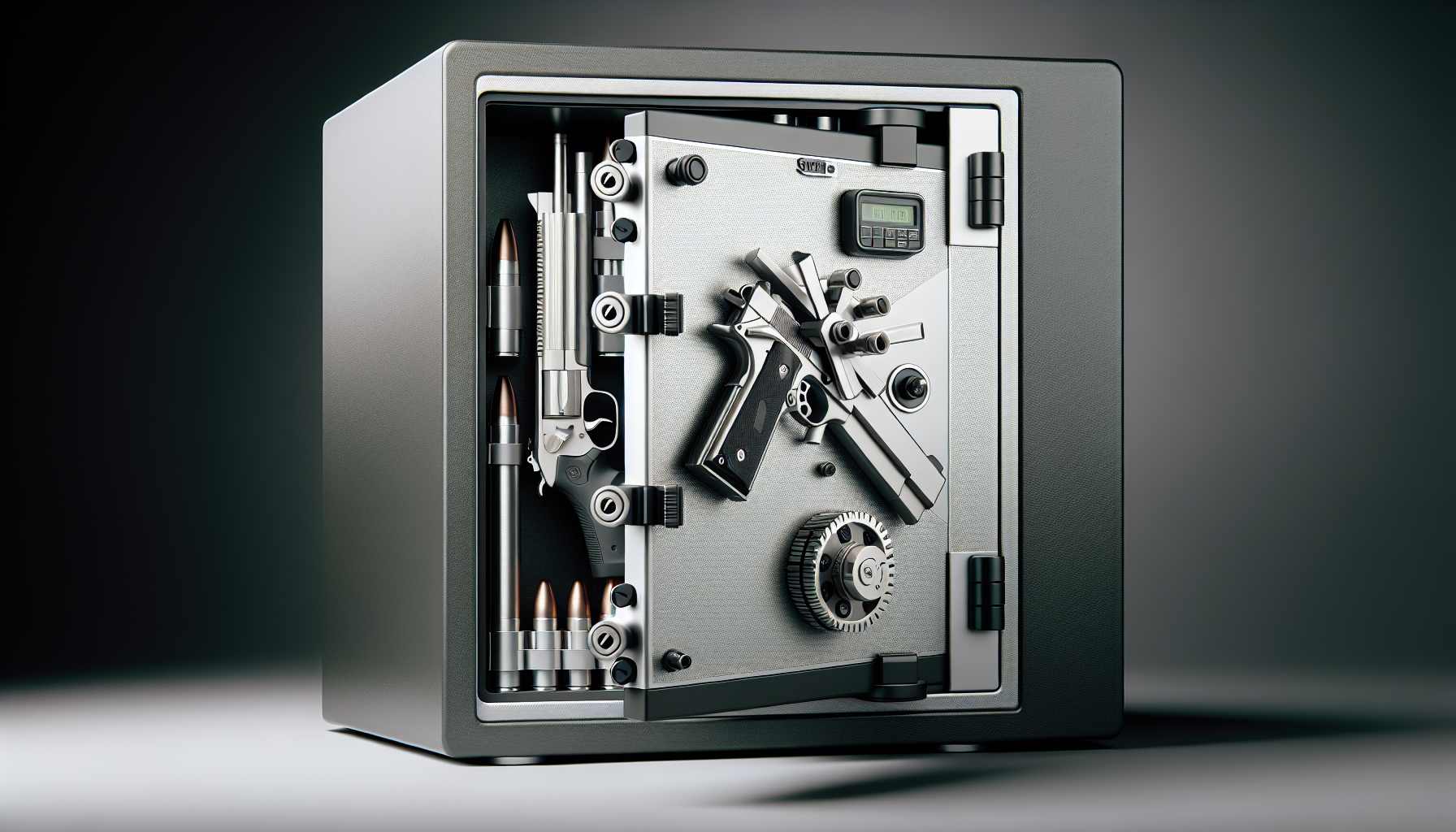
Choosing the best high-security gun safes with reinforced locking bolts starts with understanding what actually resists theft, fire, and unauthorized access. In the gun storage market, “high security” is often used loosely, but the phrase should mean a safe built with thick steel, a strong door structure, a pry-resistant frame, hardened bolt work, and a lock system that maintains alignment under attack. Reinforced locking bolts are the steel bolts that extend from the door into the body of the safe; when engineered correctly, they help prevent pry attacks by distributing force across multiple contact points rather than allowing the door edge to peel open.
I have evaluated safes in showrooms, reviewed construction specs from major brands, and compared warranty, lock, and bolt designs for homeowners who wanted realistic protection rather than marketing claims. The biggest lesson is simple: locking bolts matter, but they are only one part of a secure system. A safe with many chrome-plated bolts can still underperform if the door skin is thin, the frame flexes, or the lock side lacks a reinforced bolt carrier. Buyers need to read beyond brochure language and compare steel thickness, bolt diameter, active versus dead bolts, relocker design, fire board layout, and anchoring provisions.
This buying guide serves as the main hub for gun safe buying guides within a broader gun safes and safety resource. It covers what reinforced locking bolts do, how to compare safe construction, which lock types fit different households, what certifications and fire ratings actually indicate, and which brands consistently appear in serious comparisons. If you are asking what size safe to buy, whether 10-gauge steel is enough, or how to balance quick access with burglary resistance, this guide answers those questions directly and gives you a framework for smarter purchasing decisions.
What reinforced locking bolts do and why they matter
Reinforced locking bolts are hardened steel bolts connected to the safe’s lockwork. When you turn the handle after entering the code or using a key override where applicable, these bolts extend into the safe body and lock the door in place. Their purpose is to resist pry attacks, maintain even pressure across the door edge, and keep the door aligned if force is applied near corners or the lock side. On quality gun safes, you will usually see multiple active bolts on the opening side and fixed dead bolts on the hinge side so the door remains captured even if external hinges are cut.
Not all bolt systems are equal. In lower-end models, manufacturers may advertise a high bolt count even though many bolts are cosmetic, undersized, or poorly supported by the internal bolt carrier. In better safes, the locking bolts are paired with a reinforced door edge, anti-pry tabs, a continuous door plate, and hard plate protection over the lock body. Brands such as Fort Knox, AMSEC, Liberty Safe, Browning, Rhino Metals, and Hollon commonly publish bolt diameter and door construction details, which is a good sign because serious manufacturers know informed buyers compare specifications.
When I inspect a safe, I focus less on how many bolts I can count and more on how they engage. A 4-inch military-style locking bar system can outperform a long row of thin bolts if the door frame is stronger and the contact area is wider. Conversely, a safe with 1.5-inch active bolts, dead bars on the hinge side, and a stout formed door can offer excellent residential security. The practical takeaway is that reinforced locking bolts matter most when they are part of an integrated anti-pry design, not when they are used as a standalone marketing feature.
How to evaluate construction before comparing brands
The first specification to verify is steel thickness. Many residential gun safes use 14-gauge or 12-gauge bodies, which can be acceptable for basic deterrence but are not ideal for high-security use. Serious buyers should start around 10-gauge steel bodies and move up to 7-gauge, 3/16-inch, or quarter-inch plate for higher burglary resistance. Door construction is equally important. Composite doors may combine outer steel, fire insulation, and an inner steel liner, while plate-steel doors use a solid steel slab. Either can work well if engineered properly, but thin outer shells with decorative interiors should not be confused with true security upgrades.
Next, check the frame and bolt support structure. Pry attacks target weak seams, not just locks. A recessed door, interlocking frame, and reinforced bolt carrier reduce the chance that a crowbar can flex the door enough to disengage the bolts. Hard plates made from drill-resistant steel or manganese steel over the lock and relocker are another mark of quality. If an attacker drills the lock area, a spring-loaded relocker can trigger and keep the bolt work engaged. This feature appears on better safes from AMSEC BF series, Fort Knox Defender and Protector lines, and several Hollon and Rhino models.
Interior capacity claims also deserve scrutiny. A “36-gun safe” rarely stores 36 scoped rifles in the real world. Plan on using 50 to 70 percent of advertised capacity unless you have mostly slim, unscoped long guns. This matters because larger safes often have stronger frames and more robust bolt work, but they also weigh more and may require professional delivery. In practice, buying one size up is almost always cheaper than replacing an undersized safe later. Weight is not proof of security, yet heavier safes with thicker steel and layered doors generally perform better against attack and are harder to remove.
Lock types, access speed, and household fit
High-security gun safes usually use either a mechanical dial lock or an electronic keypad lock, with some newer models adding biometric access as a secondary convenience feature. Mechanical locks, often from Sargent and Greenleaf or La Gard, are proven, durable, and independent of battery failure. Their downside is slower access. Electronic locks provide fast entry and simple code changes, which many families prefer for frequent use. Well-regarded electronic options from SecuRam, Sargent and Greenleaf, and La Gard can be reliable for years if installed properly and maintained with fresh batteries.
The right lock depends on how the safe will be used. For a basement storage safe that mainly protects a collection, a mechanical dial is still an excellent choice because it minimizes electronic failure points. For a primary-access safe in a bedroom or office, a high-quality electronic lock is usually more practical because it reduces entry time under stress. I generally advise buyers to avoid treating consumer biometric scanners as the sole security layer on a full-size gun safe. Fingerprint systems can be useful for speed, but dirt, cold fingers, and inconsistent enrollment can reduce reliability.
Another factor is lock replacement and service support. A great safe becomes frustrating if no local technician services the lock brand. Before buying, check whether the manufacturer authorizes locksmiths in your region and whether replacement keypads or lock bodies are easy to obtain. Strong customer support from established brands matters as much as impressive hardware because locks are wear items over a safe’s lifetime. If fast access is essential, consider pairing a large high-security safe for long-term storage with a separate rapid-access handgun safe for defensive use.
Fire ratings, certifications, and realistic expectations
Fire protection claims vary widely because there is no single mandatory consumer standard used across all gun safe advertising. Some companies publish internal test data, others cite independent labs, and others use broad temperature-and-time claims without enough context. A rating such as 75 minutes at 1200 degrees Fahrenheit sounds useful, but buyers should ask how the test was conducted, whether the safe was heated from all sides, whether humidity seals were used, and what interior temperature threshold defined success. Paper chars around 451 degrees Fahrenheit, but optics, stocks, and ammunition may be affected differently by heat and moisture.
For burglary resistance, true burglary safes may carry UL Residential Security Container labels or higher commercial ratings, but many gun safes do not. That does not automatically make them poor choices; it simply means the buyer should compare steel, bolt work, and lock protection more carefully. California Department of Justice listings can indicate compliance for firearm storage requirements in certain contexts, though they are not a substitute for higher burglary testing. If your collection includes valuable rifles, suppressors, optics, or documents, considering a safe with recognized third-party testing is wise.
Anchoring is essential. Even a well-built gun safe is vulnerable if thieves can tip it onto its back and attack the door with body weight and leverage, or remove it entirely. A quality safe should include pre-drilled anchor holes and hardware guidance for concrete or wood subfloor installation. In nearly every residential burglary consultation I have done, anchored safes fared better because time is the enemy of thieves. The best reinforced locking bolts in the world do less good if the entire cabinet leaves the house in a pickup truck.
Best brands and models to compare in this buying guide hub
Because this page functions as a buying guide hub, start your shortlist with brands that consistently publish meaningful construction data. AMSEC’s BF series is a strong benchmark because it pairs a substantial body, thick door design, and robust lock protection in a format many homeowners can still place indoors. Fort Knox is known for extensive customization, heavy steel upgrades, and excellent bolt work options. Liberty Safe’s higher-tier models, especially in the National Security and Presidential lines, are widely available and easier to inspect locally. Rhino Metals offers notable anti-pry features and attractive interiors, while Hollon often delivers strong steel-for-price value.
Browning ProSteel deserves attention for organized interiors and practical capacity layouts, though buyers should compare the exact steel gauge by model because construction varies across tiers. Sports Afield, Winchester-branded models, and Cannon can suit budget-focused buyers, but high-security shoppers should move carefully and verify body thickness, lock brand, relockers, and bolt carrier design instead of relying on external appearance. In side-by-side comparisons, premium models justify their price through stronger bodies, better lock protection, superior fit and finish, and more transparent engineering details.
| Brand/Line | What to check | Best for |
|---|---|---|
| AMSEC BF | Body thickness, door profile, relocker, lock options | Balanced security and fire protection |
| Fort Knox Protector/Defender | Steel upgrades, bolt system, customization | Buyers wanting heavier build options |
| Liberty National Security/Presidential | Local dealer support, interior layout, lock type | Shoppers who want in-person comparison |
| Rhino Ironworks/Metals | Anti-pry features, hinge design, finish quality | Style plus strong residential security |
| Hollon Republic/other heavy models | Steel value, anchoring, delivery logistics | High value per dollar |
The best model for you depends on theft risk, collection value, floor support, and access needs. If you store a modest number of firearms in a suburban home with monitored alarms, a mid-to-upper-tier safe with reinforced locking bolts, 10-gauge or thicker steel, and quality anchoring may be enough. If you have a large collection with premium optics and NFA items, stepping into heavier steel and better-rated lockwork is justified. This hub should lead naturally to deeper comparisons on size, fire ratings, lock choices, and installation planning.
How to choose the right safe size, placement, and installation plan
Size selection should be based on the full storage ecosystem, not just the firearms you own today. Include room for optics, magazines, suppressors where legally owned, important documents, jewelry, and accessories that also benefit from theft and fire protection. Shelving flexibility matters because collections change. Door organizers, half shelves, and modular rack systems can dramatically improve usable capacity. A 24-gun model may work for eight scoped rifles and several handguns, while a 40-gun model often becomes the practical minimum for growing collections.
Placement affects both security and fire performance. Interior locations away from obvious entry points are better than garages, which expose the safe to humidity, temperature swings, and easier visibility during a burglary. Basements can work well for concealment and slab anchoring, but monitor moisture with a dehumidifier rod or desiccant. On upper floors, confirm structural load capacity; many quality gun safes exceed 700 pounds before contents. Professional delivery crews use stair climbers, pallet jacks, and floor protection, and that service is worth the cost because tipping a safe can damage both the house and the safe’s door alignment.
Finally, think in layers. A high-security gun safe performs best when combined with an alarm system, cameras, solid exterior doors, and discreet placement. Concealment buys time, alarms create urgency, and reinforced locking bolts make forced entry harder. This hub article is designed to help you compare buying guides with the right priorities: steel first, door design second, lock and relocker quality third, fire performance fourth, and interior convenience after the core protection features are confirmed.
The best high-security gun safes with reinforced locking bolts are not defined by glossy finishes or oversized capacity claims. They are defined by thick steel, a pry-resistant door and frame, quality lockwork, drill and relocker protection, credible fire design, and proper anchoring. Reinforced locking bolts play an important role, but they deliver real value only when the surrounding door structure is equally strong. That is why informed buyers compare body gauge, door construction, lock brand, and installation details before making a final decision.
As the central buying guide hub for gun safes and safety, this page should help you filter the market quickly. Start with your risk level, your collection value, and your access needs. Then compare established brands such as AMSEC, Fort Knox, Liberty, Rhino, Browning, and Hollon using published specifications rather than marketing language. If a manufacturer hides steel thickness or avoids naming the lock, move on. Transparency is usually a sign of better engineering and better long-term support.
A well-chosen gun safe protects firearms from theft, limits unauthorized access, and gives you a more organized storage system for years. Use this guide as your baseline, then continue into detailed buying guides on safe size, lock selection, fire ratings, and installation strategy so you can choose a model that fits your home and your risk profile with confidence today.
Frequently Asked Questions
1. What makes reinforced locking bolts important in a high-security gun safe?
Reinforced locking bolts matter because they are a major part of what keeps the door anchored to the safe body during a break-in attempt. When the safe is locked, these hardened steel bolts extend from the door into reinforced areas of the frame, helping resist prying, twisting, and forced entry. In a true high-security gun safe, the bolts are not just decorative features or oversized marketing points. They work together with a rigid door, a pry-resistant frame, internal hard plates, and a properly supported lock mechanism to maintain door alignment under stress.
It is also important to understand that more locking bolts do not automatically mean better security. Bolt count can be misleading if the door steel is thin, the frame flexes easily, or the bolt carriers are poorly supported. A well-designed safe may use fewer bolts that are thicker, longer, and backed by stronger internal construction. The best high-security gun safes with reinforced locking bolts use bolt systems that stay engaged even when pressure is applied to the door edges, which helps prevent the kind of deformation that burglars try to create with pry bars and leverage tools.
In short, reinforced locking bolts should be viewed as one part of a complete anti-theft system. They are most effective when paired with heavy-gauge or plate steel construction, solid welds, anti-drill protection, relockers, and secure anchoring to the floor. If you are comparing models, focus on how the bolt system is engineered and supported, not just how many shiny bolts are listed in the brochure.
2. How can I tell if a gun safe is truly high security and not just marketed that way?
The best way to separate real security from marketing language is to look past general terms like “premium,” “tactical,” or even “high security” and evaluate the safe’s actual construction details. Start with steel thickness in both the body and the door. A safe that uses heavier steel and a more robust door structure will generally resist cutting, prying, and impact better than one built around thin sheet metal. The frame around the door opening should be reinforced and designed to reduce gaps that pry tools can exploit.
You should also examine the locking system itself. High-security gun safes typically include reinforced locking bolts, hardened steel plates that protect the lock from drilling, and internal relockers that activate if the lock is attacked. A quality lock, whether mechanical or electronic, should be paired with a design that keeps the bolt work aligned during stress rather than allowing the door to rack or shift under force. This is a major difference between an entry-level cabinet and a serious safe.
Another strong indicator is independent certification. If a safe or lock has been tested to recognized standards, that adds credibility that marketing claims alone cannot provide. Fire protection should also be documented clearly, including how the rating was determined. Finally, look at practical factors such as overall weight, anchor options, hinge-side protection, and the reputation of the manufacturer for build quality and warranty support. A genuinely high-security gun safe is usually easy to recognize once you focus on real engineering features rather than sales copy.
3. Do reinforced locking bolts improve fire protection, or are they mainly for theft resistance?
Reinforced locking bolts are primarily a theft-resistance feature, not a fire-protection feature. Their main job is to keep the door locked tightly into the safe body and resist forced entry techniques such as prying and leverage attacks. They help maintain the security of the safe when someone is trying to peel back the door or force the frame out of alignment. That said, they can indirectly contribute to overall structural integrity by helping the door remain properly seated, which may support a better seal during extreme conditions.
Fire protection, however, depends much more on different design elements. These include the insulating materials used in the walls and door, the quality of the door seal, the thickness and design of the safe body, and the manufacturer’s fire testing methods. Some gun safes use multiple layers of fireboard or other proprietary insulation systems, while better door seals expand under heat to block smoke and reduce internal temperature rise. Those are the features that matter most when evaluating fire performance.
For buyers, the key takeaway is that security and fire protection should be evaluated separately, even though the best safes address both. A safe with excellent reinforced locking bolts may still offer only modest fire resistance if the insulation and seals are basic. Likewise, a safe with a decent fire rating may not be especially difficult to pry open if the steel and bolt work are weak. The strongest choice is a model that combines theft-resistant construction, reinforced locking bolts, anti-pry design, and clearly supported fire protection data.
4. Is an electronic lock or a mechanical dial better for a high-security gun safe with reinforced locking bolts?
Both can be excellent choices, and the better option depends on how you use the safe, how quickly you need access, and how much importance you place on long-term simplicity versus convenience. A mechanical dial lock has a long reputation for durability and does not rely on batteries or electronics. Many owners like it because it is straightforward, time-tested, and less vulnerable to issues such as keypad wear or battery neglect. For users who value proven reliability over speed, a quality mechanical lock remains a strong option.
Electronic locks, on the other hand, offer much faster access and are often more convenient for everyday use. This can be a major advantage if you need quick entry while still maintaining strong unauthorized-access protection. A good electronic lock on a high-security gun safe should be paired with anti-drill protection, relockers, and reinforced bolt work so the convenience does not come at the expense of security. Higher-quality electronic locks from reputable manufacturers can perform very well, but they should be installed on a safe with strong internal engineering, not treated as the sole security feature.
The most important point is that the lock type alone does not define the security level of the safe. Even a great lock can be undermined by thin steel, weak door construction, or poor bolt support. Likewise, reinforced locking bolts perform best when the lock system driving them is precise and durable. If you want the most practical answer, choose a high-quality lock style that matches your access needs, then make sure the safe itself has the structural strength to support that lock under real-world attack conditions.
5. What should I look for when buying the best high-security gun safe for home use?
For home use, start with the fundamentals: thick steel construction, a reinforced door, a pry-resistant frame, and a locking system built around hardened, reinforced locking bolts. These are the core features that help resist burglary attempts. You should also look for drill-resistant hard plates, relockers, protected hinges or dead bars on the hinge side, and a door design that minimizes exposed gaps. If a manufacturer does not clearly explain these features, that is usually a sign to keep looking.
Next, think about size and interior layout. A safe should hold your current firearms comfortably, but it should also leave room for optics, documents, handguns, magazines, and future additions. Many buyers underestimate how quickly they outgrow a safe. Interior organization, shelf flexibility, and access to long guns all matter in daily use. Weight is another practical buying factor. Heavier safes are generally harder to move and often indicate more steel, but they still need to be properly anchored to concrete or another approved surface to perform at their best against theft.
Finally, consider the full ownership picture. Check the lock brand, warranty coverage, fire rating details, finish quality, and the manufacturer’s reputation for customer support. Think about where the safe will be installed, how it will be delivered, and whether the location exposes it to humidity or temperature swings. For many homeowners, the best high-security gun safe is not simply the one with the highest bolt count or the biggest dimensions. It is the one that combines real anti-theft engineering, dependable locking performance, useful storage capacity, and a level of build quality that stands up over time.