
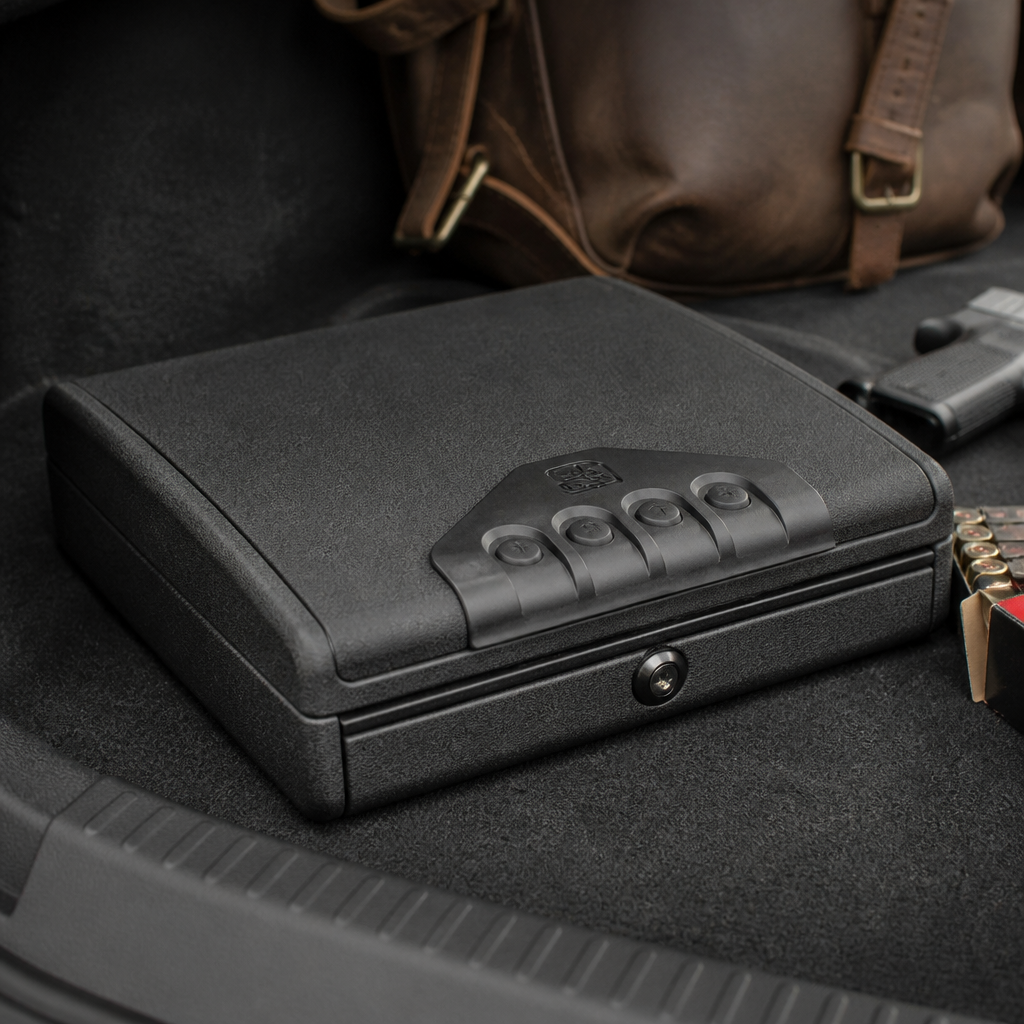
The GunVault NV300 sits in a useful middle ground between a bedside lockbox and a full-size gun safe, offering fast handgun access in a compact, travel-friendly form. For readers exploring Gun Safes & Safety, this review-driven hub on the GunVault NV300 also serves a broader purpose: it explains how to judge portable handgun safes, what standards matter, and which use cases justify this category. A portable handgun safe is a small locking container designed to secure one or two pistols against casual theft, unauthorized access, and rough handling during transport. It is not the same as a residential safe rated for fire, burglary resistance, or long-gun storage, and understanding that distinction is the starting point for a smart purchase.
I have tested compact handgun safes in bedrooms, vehicles, hotel rooms, and range bags, and the pattern is always the same: convenience drives whether owners actually use them. A secure storage product that is awkward to open, difficult to anchor, or too bulky for daily routines often gets left empty. That matters because safe storage is not just about theft prevention. It is also about reducing unauthorized access by children, guests, or service workers, while keeping a defensive firearm available to the lawful owner. In the United States, storage laws vary by state, but courts, insurers, and firearm instructors consistently treat locked storage as a baseline responsible practice.
The NV300 deserves attention because it reflects the tradeoffs that define the entire product review segment. Buyers want a handgun safe that opens quickly, resists prying, survives regular travel, and fits on a nightstand or under a car seat without advertising its purpose. They also want predictable battery life, straightforward programming, and enough interior space for a full-size pistol, spare magazine, or passport. Those expectations sound simple, yet many small safes miss on one or more points. This article reviews where the GunVault NV300 fits, how to compare it with competing models, and what questions to ask before choosing any portable handgun safe.
What the GunVault NV300 Is Designed to Do
The GunVault NV300 is best understood as a secure, portable handgun safe intended for quick-access storage in temporary or semi-fixed locations. In practical terms, that means a nightstand drawer, closet shelf, office cabinet, vehicle trunk, or luggage setup where a larger safe is unrealistic. Products in this class typically use a steel shell, a clamshell or top-opening lid, foam-lined interiors, and either a keypad, biometric reader, key override, or a combination of those methods. The core mission is limited but important: delay access by unauthorized users long enough to prevent easy misuse or grab-and-go theft.
That limited mission needs emphasis because portable safes are often misunderstood. They are not a substitute for a heavy, bolted-down burglary safe from brands such as Liberty Safe, Fort Knox, or American Security. Nor are they generally tested to the same recognized burglary classifications used in commercial security containers. Their value comes from speed, discretion, and adaptability. If you need to secure a carry pistol overnight at a hotel, comply with workplace transport rules, or stage a firearm responsibly in an apartment where drilling concrete anchors is not practical, a portable handgun safe solves a real problem efficiently.
In my experience, the best way to evaluate this category is to start with scenarios rather than specifications. If the NV300 will live by the bed, opening ergonomics in low light matter more than external finish. If it will travel in a vehicle, cable attachment strength, shape, and concealment matter more than decorative padding. If it will rotate between home and trips, then battery compartment access, reset reliability, and tolerance for dust and vibration become decisive. A good product review should connect those use cases to design choices instead of repeating a marketing list of features.
Build Quality, Locking System, and Daily Use
Build quality in a portable handgun safe begins with material thickness, seam design, hinge protection, and latch engagement. While manufacturers do not always publish detailed steel gauges or pry-gap tolerances, experienced buyers should inspect the basics closely. The shell should feel rigid under hand pressure, the lid should seat evenly without excessive flex, and the hinge side should not expose easy pry points. On safes like the NV300, a recessed lid edge and tight seam alignment can make a substantial difference because most real-world attacks on compact boxes are opportunistic rather than sophisticated.
The locking system is where usability and security meet. Electronic access is popular because it allows fast opening under stress, but not all implementations are equal. Buttons should be tactile, spaced well enough for use in darkness, and responsive without requiring excessive pressure. If the NV300 includes a backup key override, that is a practical benefit, not a flaw. Electronics fail, batteries die, and travelers forget maintenance schedules. The key question is whether the override is discreetly placed and resistant to tampering. A poor override can undercut an otherwise solid design; a well-integrated one adds resilience.
Daily use also depends on interior layout. Many owners underestimate how much space a handgun, mounted optic, tall sights, weapon light, and spare magazine actually occupy. Compact safes that fit a bare pistol may not fit a realistic carry or home-defense setup. Foam support should hold the firearm still without interfering with a rapid grip. Lid opening angle matters too. A safe that opens only partially can slow access and cause users to store the gun at a poor angle. These details seem minor until they affect the product every day, which is exactly when owners stop trusting it.
How the NV300 Fits Within Portable Handgun Safe Reviews
As a sub-pillar hub for product reviews, this page should help readers compare the GunVault NV300 with the broader field. In testing portable handgun safes over the years, I have found that buyers usually sort themselves into three groups: bedside users, vehicle users, and travel users. The NV300 appeals most when a buyer needs overlap between those groups rather than a single specialized role. It is more adaptable than ultra-minimal lockboxes aimed only at legal transport, and more portable than heavier quick-access boxes intended to stay in one room permanently.
Competing products often come from Vaultek, Hornady, SnapSafe, LifePod, and StopBox, though these brands differ sharply in design philosophy. Vaultek frequently emphasizes electronics, app integration, and polished interiors. Hornady leans on recognizable security branding and practical keypads. SnapSafe has long been strong in basic lock boxes and cable-secured travel solutions. LifePod-style cases prioritize weather resistance and gear portability. StopBox products approach the problem differently with mechanical retention concepts rather than traditional locking. The NV300 belongs in the conversation when readers want straightforward handgun security without paying a premium for features they may never use.
| Use Case | What Matters Most | How the NV300 Should Be Judged |
|---|---|---|
| Bedside storage | Fast opening, quiet access, stable placement | Check button feel, lid speed, and one-handed retrieval |
| Vehicle storage | Cable security, concealment, vibration tolerance | Inspect anchor points, fit under seats, and latch consistency |
| Hotel or travel use | Portability, discretion, legal transport support | Measure size, weight, and ease of packing with a pistol |
| Office or apartment use | Temporary placement, controlled access, low visibility | Assess footprint, noise, and flexibility without permanent mounting |
This comparison framework matters because there is no universally best portable handgun safe. A product review becomes useful only when it ties performance to context. The NV300 may outperform a slimmer lockbox at bedside access while losing on ultra-light luggage convenience. It may offer better everyday ergonomics than a purely mechanical alternative while requiring battery discipline that some owners dislike. Those are not contradictions; they are the normal tradeoffs that define the category.
Security Strengths, Limits, and Real-World Expectations
The biggest strength of a portable safe like the GunVault NV300 is deterrence through layered friction. A thief looking for easy valuables can be slowed significantly by a locked steel container attached with a cable inside a vehicle trunk or hidden in a drawer. A child or curious guest who might access an unsecured handgun can be stopped completely if the safe is locked consistently and the code is controlled properly. That is meaningful security, and it aligns with the practical standards most firearm instructors teach: deny immediate access, maintain owner control, and store firearms in locked containers when not under direct supervision.
The limits are equally important. Portable handgun safes can usually be defeated with enough time, privacy, and tools. Thin steel can be cut, hinges can be attacked, and tether cables can be compromised. This is why placement is part of security. A safe under a bed in plain view is weaker than the same safe inside a closet, attached to structural framing, and protected by environmental concealment. Likewise, a vehicle safe should never be treated as long-term storage. Law enforcement data and insurance claims consistently show that firearms stolen from vehicles are a major source of diversion into criminal markets.
For realistic expectations, think in layers. The NV300 should be one component in a broader safety plan that includes discreet transport habits, ammunition management where appropriate, code secrecy, battery checks, and rapid reporting if a firearm is stolen. If you need serious burglary resistance at home, pair a portable handgun safe with a larger anchored safe for long-term storage. If you need airline transport, verify Transportation Security Administration rules, hard-sided case requirements, and airline-specific declarations. A good portable safe can support compliance, but compliance depends on the full procedure, not just the box itself.
Buying Factors That Matter More Than Marketing
When readers research product reviews, they are often flooded with feature lists that sound impressive but do not change daily performance. In practice, the buying factors that matter most are opening reliability, fit for your actual handgun configuration, anchor options, and consistent lock behavior over months of use. Test the dimensions against your pistol with any mounted optic or light, not just the base gun. A safe that is one inch too short becomes a frustrating purchase. Likewise, verify whether the interior allows a natural firing grip rather than forcing awkward finger placement that slows retrieval.
Power management is another critical factor. If the NV300 runs on batteries, buyers should ask how easy it is to change them, whether low-battery warnings are obvious, and whether the safe retains codes during replacement. I advise owners to put battery checks on the same calendar cycle as smoke alarm checks. For electronic safes, brand reputation in customer support matters more than glossy advertising. Look for documented warranty handling, replacement key procedures, and parts availability. A quick-access safe is only trustworthy if the manufacturer supports it after the sale.
Finally, think about the review ecosystem itself. The best product reviews include long-term feedback, not just unboxing impressions. Search for reports on keypad wear, latch failures, corrosion resistance, and how the finish holds up in a humid room or hot vehicle. See whether owners mention false openings, programming confusion, or rattling during transport. Those details reveal more than promotional photos ever will. If the GunVault NV300 earns a place in your shortlist, it should be because it meets your use case cleanly, not because it claims to do everything.
Who Should Buy the GunVault NV300
The GunVault NV300 is a sensible choice for handgun owners who need secure portability more than high-end connectivity or heavy residential protection. Apartment dwellers, frequent travelers within applicable legal frameworks, and owners who want a dedicated bedside or office lockbox are the clearest match. It also fits well for people who carry regularly and need a temporary storage solution when entering restricted locations where lawful possession must transition to secured storage. In these scenarios, the value is not abstract. The safe creates a repeatable habit that reduces the chance of a firearm being left unsecured.
It is less ideal for buyers who expect a small box to provide true burglary resistance, broad long-gun storage, or multi-user access management. Those users should move up to larger safes with heavier steel, internal hinges, anchoring systems, and, where appropriate, fire protection. It may also be the wrong fit for those who strongly prefer purely mechanical access without batteries, or for users who want advanced features such as Bluetooth logging, tamper alerts, or app-based notifications. Those preferences are legitimate, but they belong to a different decision set.
As the hub page for Product Reviews under Gun Safes & Safety, this article should point readers toward a disciplined approach: define your storage problem, match it to the right class of safe, then compare models by real use instead of marketing claims. The GunVault NV300 stands out because it addresses a common need with practical portability and focused handgun security. If you are building a safer firearm storage routine, start by identifying where unauthorized access is most likely, then choose the review path that matches that risk and upgrade your setup with intention today.
Frequently Asked Questions
What is the GunVault NV300, and who is it best suited for?
The GunVault NV300 is a compact, portable handgun safe designed to hold one or two pistols while offering quicker access and more flexibility than a traditional full-size safe. It fits into a category that sits neatly between a permanent bedside lockbox and a large gun safe installed in a closet or dedicated room. That middle-ground role is exactly why products like the NV300 appeal to so many handgun owners: they provide practical day-to-day security without requiring a large footprint, a major installation, or the cost of a heavy residential safe.
It is best suited for owners who want secure, convenient handgun storage in places where a full-size safe would be unnecessary or impractical. That includes people who need a dedicated bedside safe, a lockable option for a vehicle, a secure container for travel between destinations, or a way to keep a defensive pistol inaccessible to children and unauthorized adults while still relatively close at hand. It can also make sense for apartment dwellers, students living within applicable legal constraints, frequent travelers, and anyone building a layered firearm storage plan rather than relying on a single storage solution.
That said, the NV300 should be understood for what it is. It is not intended to replace a heavy, permanent gun safe for long-term bulk firearm storage, high-value collections, or maximum burglary resistance. Instead, it is a specialized solution for controlled access, portability, and compact storage. For many buyers, that is exactly the point: the right safe is not always the biggest one, but the one that realistically matches how and where the firearm is actually stored.
How secure is a portable handgun safe like the GunVault NV300 compared with a full-size gun safe?
A portable handgun safe like the GunVault NV300 can be very effective within its intended role, but it should not be judged by the same expectations as a heavy, anchored gun safe. Its main security advantages are access control, deterrence, and delay. In practical terms, that means it helps prevent unauthorized handling, secures a handgun from casual theft, and creates a meaningful barrier against children, visitors, or opportunistic intruders who do not have time or tools. For many real-world households, that level of security addresses the most immediate risks.
Where a portable safe differs from a full-size model is in resistance to sustained attack. Larger safes typically use heavier steel, more robust locking systems, greater internal capacity, and permanent anchoring that makes removal far more difficult. Portable handgun safes, by design, prioritize compactness and mobility. As a result, buyers should evaluate them based on realistic threats: Can it keep a handgun secured during daily life? Can it reduce the chance of unauthorized access? Can it be tethered or anchored? Can it withstand basic tampering long enough to matter?
For the NV300 and similar safes, one of the smartest ways to improve security is proper placement and installation. Even a compact safe becomes significantly more useful when attached with a security cable where appropriate, mounted in a concealed location when possible, or stored out of obvious sight. In other words, the safe itself matters, but so does how it is used. The best way to think about the NV300 is as one layer in a broader firearm security plan, not as the final word in theft protection.
What features should buyers look for when evaluating a portable handgun safe like the NV300?
When assessing a portable handgun safe, buyers should focus on a few core categories: locking method, construction quality, interior size, access speed, mounting or tethering options, and fit for the intended use case. A safe can look impressive in marketing photos, but the real test is whether it performs reliably in the environment where it will actually be used. For example, a bedside safe needs intuitive fast access in low light, while a travel-oriented safe may place greater emphasis on compact dimensions, discreet storage, and secure cable attachment.
Locking method is often the first decision point. Some users prefer electronic keypads for speed, while others lean toward biometric access, backup keys, or simple mechanical systems. No single system is ideal for everyone, so the better question is whether the lock is dependable, easy to operate under stress, and supported by a practical backup method. Construction also matters: look at steel thickness, hinge protection, lid design, latch strength, and overall resistance to prying. Interior layout should be large enough for the handgun and, if needed, a spare magazine, but not so oversized that the firearm shifts excessively inside.
It is also important to evaluate how the safe integrates into daily habits. Does it open consistently? Is the interior protective enough to prevent unnecessary wear? Can it fit the owner’s specific handgun with accessories, such as lights or optics, if applicable? Does it include the ability to anchor, cable, or mount it securely? The strongest portable safe is not necessarily the one with the longest feature list, but the one that balances secure storage, dependable access, and realistic usability for the owner’s routine.
What standards or safety considerations matter most when choosing a portable handgun safe?
For portable handgun safes, the most important standards are often practical rather than glamorous. Buyers should first look for products that support responsible firearm storage by restricting unauthorized access and allowing secure placement. In a broad safety sense, the safe should be durable, consistently lockable, and suitable for the firearm it is meant to store. While portable safes may not carry the same kind of burglary or fire ratings commonly associated with full-size gun safes, they still need to demonstrate competent design, solid construction, and reliable operation.
Beyond the product itself, legal and household considerations are critical. Firearm storage laws vary widely by state and locality, especially regarding child access prevention, vehicle storage, and transportation. A portable safe should help the owner comply with those rules, but it remains the buyer’s responsibility to verify the legal requirements that apply in their location. This is especially important for people using a safe while traveling, storing a handgun in a vehicle, or living in a household with minors.
From a safety perspective, buyers should also think about routine handling. A good portable safe should reduce unnecessary loading and unloading, support consistent storage habits, and minimize the temptation to leave a handgun unsecured “just for a minute.” In real-world terms, that can matter as much as steel thickness. The best portable handgun safe is one that owners will actually use every day, because consistency is one of the most important firearm safety standards of all.
When does it make sense to choose a portable handgun safe instead of a larger gun safe?
A portable handgun safe makes the most sense when the storage problem is local, immediate, and centered on one or two handguns rather than a broader firearm collection. If the goal is to secure a defensive pistol near the bed, lock a handgun temporarily in a vehicle, store a carry gun in a hotel room, or keep a firearm inaccessible in a small living space, a portable safe is often the more practical tool. It solves a specific access-and-security problem without demanding the space, installation commitment, or cost of a large safe.
This choice is also sensible for buyers who already own a full-size safe but need a secondary storage option closer to where the handgun is actually used or staged. That is a common and often overlooked use case. A large safe may be excellent for long-term storage, documents, and multiple firearms, but it may not be ideal for quick-access defensive storage in a bedroom or office. In that context, the NV300 and similar models complement a larger safe rather than compete with it.
On the other hand, buyers should step up to a larger gun safe if they need higher theft resistance, room for multiple firearms, better organization, or long-term centralized storage. Portable safes are about convenience with meaningful security, not maximum physical protection. Choosing the right category comes down to being honest about the intended use. If the priority is compact, accessible, everyday handgun security, the GunVault NV300 represents the kind of portable solution that can be extremely useful. If the priority is collection-level protection, a full-size anchored safe remains the better investment.