

Firearm ownership carries a heavy responsibility. For many, the question of how to store their firearms in a manner that ensures both safety and accessibility is paramount. Gun safes have become a necessity for responsible firearm owners, offering protection from unauthorized access, theft, and damage due to environmental factors. However, the challenge lies in balancing the need for rapid access in emergency situations against the imperative to keep firearms locked away and inaccessible to unauthorized users.
The statistics are alarming: unintentional firearm fatalities and injuries highlight the dire consequences of inadequate storage. Moreover, access by children, those with mental health issues, and burglars further underscores the importance of reliable gun safes and optimized storage strategies. This article aims to provide a comprehensive guide on maintaining this delicate balance, underpinned by best practices and expert recommendations.
Choosing the Right Gun Safe
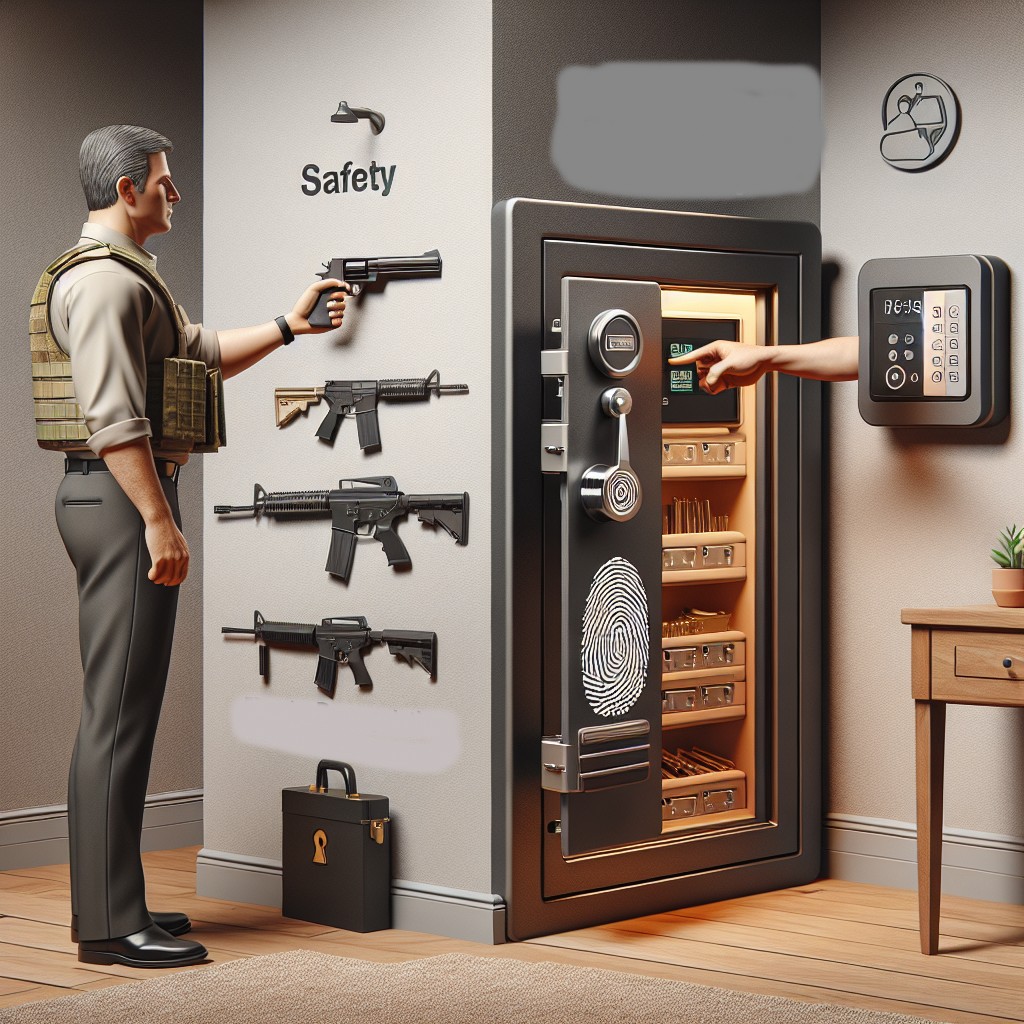
When selecting a gun safe, the critical factor is its ability to deter unauthorized access while allowing swift retrieval when necessary. There are numerous types of gun safes available, each with its unique features. Biometric safes, for example, offer fingerprint recognition, granting access in mere seconds. Traditional combination locks, while secure, can be time-consuming to unlock under stress.
Consider the size and type of your firearm collection. For instance, if you own multiple long guns, a larger safe with ample interior space and adjustable shelving will be more suitable. On the other hand, a smaller pistol safe might suffice for handgun owners. Additionally, the safe’s placement is crucial – out of sight but not out of reach. Safes should be bolted to the floor or wall to prevent removal by intruders.
Durability and fire resistance are also vital considerations. Opt for safes with robust steel construction and an adequate fire rating, ensuring protection even during prolonged exposure to high temperatures. Many modern safes combine these features with smart technology, offering mobile app integration for remote monitoring and access.
Implementing Layered Security
Beyond just choosing the right gun safe, implementing a layered security approach enhances safety. This strategy involves multiple protective measures to create an encompassing barrier against unauthorized access. Start with the exterior: home security systems equipped with motion sensors, cameras, and alarms act as the first line of defense, deterring potential intruders before they even approach your gun safe.
Inside the home, consider additional locked storage for ammunition, keeping it separate from firearms. This extra step prevents immediate misuse should someone gain access to your firearms. Trigger locks and cable locks provide an added layer of security directly on the firearm, rendering them inoperable if the safe’s integrity is compromised.
Engage family members in conversations about firearm awareness. Educate them on the importance of gun safety and the potential dangers of mishandling firearms. Children, in particular, should understand that firearms are not toys and should be taught what to do if they encounter one. Encourage an environment of respect and responsibility around firearm ownership and storage.
Accessibility in Emergency Situations
While ensuring security is paramount, access in case of an emergency cannot be overlooked. The ability to rapidly retrieve a firearm can be a matter of life and death. Quick access safes designed for bedside placement offer a viable solution. These safes, equipped with biometric, RFID, or electronic keypad access systems, can be opened in seconds.
Practice is key. Familiarize yourself with the unlocking mechanism and practice retrieving your firearm under different conditions. Conduct regular drills to ensure muscle memory in high-stress situations. This not only enhances your readiness but also helps identify any potential issues with your access strategy.
Consider the location of the safe within your home. A strategically placed safe near high-risk entry points allows for timely response to potential threats. However, balance this with the necessity to keep the safe out of blatant view to minimize risk of discovery by unauthorized individuals.
Legal and Ethical Considerations
Legal regulations concerning firearm storage vary by region. Adhering to these laws is non-negotiable for responsible gun owners. Research local and state laws to ensure compliance; failure to do so can result in severe legal consequences. Typically, laws mandate specific storage requirements, especially in homes with children or individuals prohibited from firearm access.
Ethical responsibility extends beyond legal obligations. Ensuring your firearms are securely stored minimizes the risk of them being used in criminal activities or accidental harm. The moral imperative to protect oneself, family, and community should drive strict adherence to safety practices.
Insurance considerations also come into play. Many insurance policies stipulate specific firearm storage requirements as a condition of coverage. Confirm that your storage methods align with these conditions to maintain your insurance policy’s validity and effectiveness.
Maintenance of Gun Safes
A gun safe is only as effective as its upkeep. Regular maintenance ensures continued performance and security. Inspect safes periodically for signs of wear, rust, or tampering. Mechanical and electronic locking systems need occasional servicing to ensure reliability.
Firearms themselves need regular cleaning and inspection. Safe interiors should be dry and clean, with desiccants or dehumidifiers used to prevent moisture damage. Batteries in electronic lock systems should be replaced according to manufacturer recommendations to avoid unexpected failures.
Verify the integrity of alarms and sensors integrated with your safe. Regularly test these components to ensure they function correctly, replacing or repairing any faulty equipment. Proactive maintenance extends the lifespan of your safe and guarantees it operates optimally when needed.
Technology advances rapidly; staying updated on the latest developments in safe technology and integrating upgrades can further enhance security. From new locking mechanisms to advanced monitoring systems, continuous improvement is key to maintaining an effective storage solution.
Education and Training
Continuous education and training are critical aspects of responsible firearm ownership. Take advantage of safety courses offered by local authorities or shooting ranges. These courses cover crucial topics, such as safe handling practices, emergency response, and proper storage techniques.
Encourage all household members who might have access to firearms to undergo training. This collective knowledge base within your household fosters a culture of safety and preparedness. Additionally, reputable organizations offer online resources and materials to further enhance your understanding of firearms safety.
Stay informed about new laws, technological advancements, and best practices by subscribing to firearm safety publications and joining relevant forums or groups. Networking with other firearm owners provides opportunities to share experiences and learn from each other’s challenges and solutions.
Regularly review and update your safety protocols. As your collection grows or household dynamics change, adjust your storage methods accordingly. Continuous learning and adaptation are the cornerstones of maintaining a secure and safe environment.
Conclusion:
Balancing the need for accessibility and safety in firearm storage is an ongoing process that requires a combination of the right equipment, diligent practices, and continuous education. Gun safes are indispensable in securing firearms from unauthorized access and potential misuse. However, they must also facilitate quick access in emergencies.
The key is a multi-layered approach that includes selecting a suitable gun safe, implementing additional security measures, understanding legal and ethical responsibilities, maintaining equipment, and staying educated on best practices. Through these combined efforts, firearm owners can ensure their firearms are both secure and accessible, protecting themselves and their loved ones from potential dangers.
Responsible firearm storage is a fundamental aspect of gun ownership. By committing to these safety practices, you contribute to a safer community and demonstrate the highest standards of firearm responsibility.