
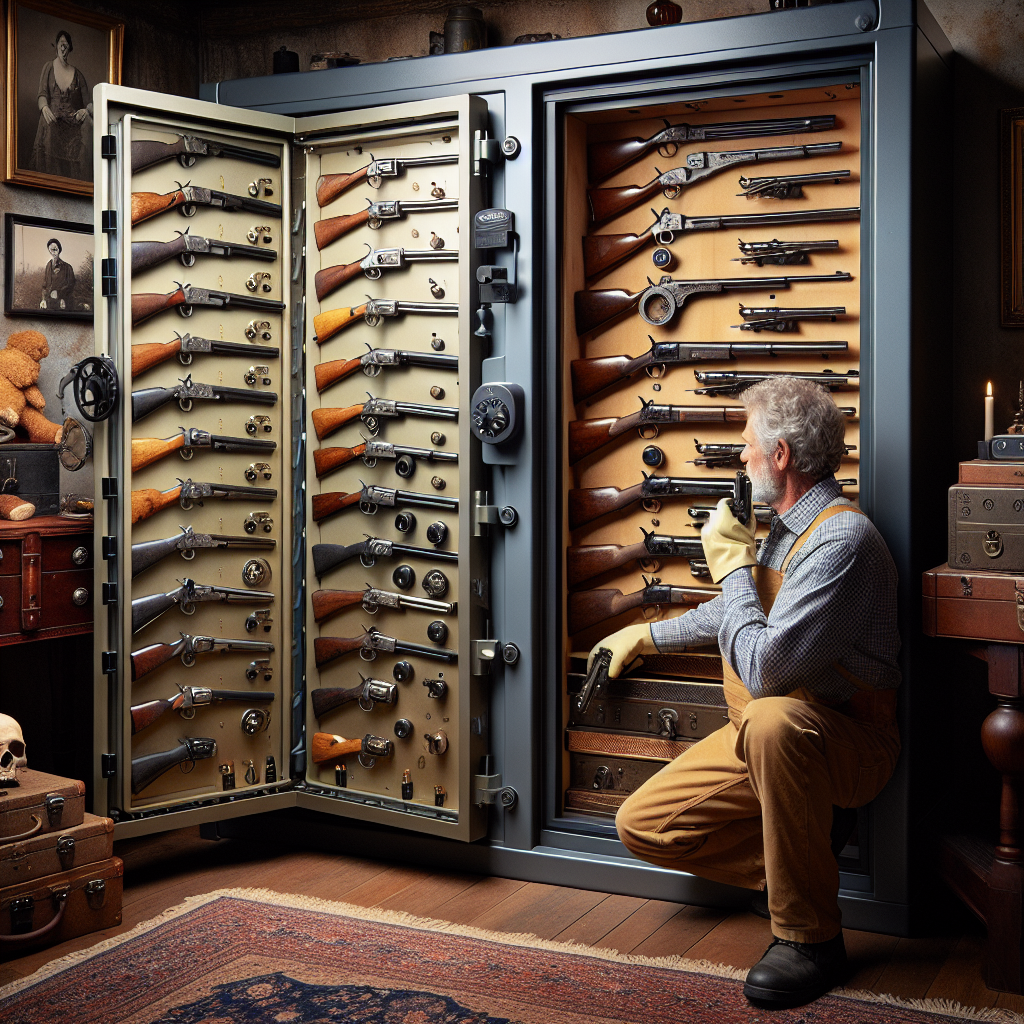
Antique firearms hold a unique allure for enthusiasts and collectors alike. These pieces of history not only represent a bygone era but also often come with intricate craftsmanship that modern firearms simply can’t replicate. However, with the distinction of owning such historical artifacts comes the immense responsibility of ensuring their safety and preservation. Unlike contemporary firearms, antique weapons require special considerations in terms of storage to maintain their value and functionality. The choice of a gun safe is paramount in this endeavor. While the primary function of any gun safe is to secure firearms from theft and unauthorized access, protecting antique firearms involves additional concerns like preventing environmental damage and ensuring careful handling.
The need for a tailored approach to securing antique firearms becomes even more critical when considering factors such as their historical value, sensitivity to environmental conditions, and the potential for mechanical degradation if not stored properly. In this comprehensive guide, we’ll delve into the specifics of buying gun safes designed to safeguard antique firearms. From understanding the particular vulnerabilities of antique weapons to exploring features in gun safes tailored for their protection, this article serves as an essential guide for any antique firearms owner.
Whether you’re a seasoned collector with a vast array of historical pieces or someone who has recently acquired their first antique firearm, this article aims to provide in-depth insights and actionable advice. After all, the legacy embedded in each antique firearm deserves meticulous preservation for future generations to appreciate and enjoy. So, let’s embark on this journey to ensure that your antique collections remain secure and well-preserved.
Understanding the Unique Vulnerabilities of Antique Firearms
Antique firearms differ significantly from their modern counterparts, not only in design and functionality but also in the materials used. These differences make them particularly vulnerable to environmental conditions that might not significantly affect modern firearms. For instance, many antique guns were manufactured using materials like iron, brass, and wood, all of which react uniquely to moisture, temperature changes, and time. Understanding these vulnerabilities is the first step in choosing the right gun safe for your valuable antique collection.
One of the primary concerns is rust and corrosion. Iron and steel components, prevalent in antique firearms, are prone to oxidation when exposed to moisture. This process can cause serious damage over time, compromising both the aesthetic and functional integrity of the weapon. Therefore, humidity control within your gun safe becomes crucial. Similarly, wooden stocks and grips found in many antique firearms can warp or crack if exposed to fluctuating humidity levels or excessive dryness.
Another critical factor is temperature. While extreme temperatures can affect any firearm, antique guns are more susceptible due to their age and the materials used in their construction. Consistent temperature control can prevent wood from expanding or contracting, which could otherwise lead to cracks or loosening of parts. Furthermore, antique firearms often feature intricate engravings and decorative elements, whose preservation requires stable environmental conditions.
Lastly, the mechanical wear and tear on older firearms can be exacerbated by improper storage. Many antique guns come with delicate mechanisms that may not withstand the rigors of casual handling or stacking. These intricacies underscore the importance of choosing a gun safe that provides not just security, but also the right environment and physical protection for delicate, historically significant pieces.
Key Features to Look for in a Gun Safe
When selecting a gun safe for antique firearms, it’s important to look beyond basic security features. While protecting your collection from theft is essential, it’s equally important to ensure that the safe you choose can maintain the right environmental conditions. Here are some key features to consider:
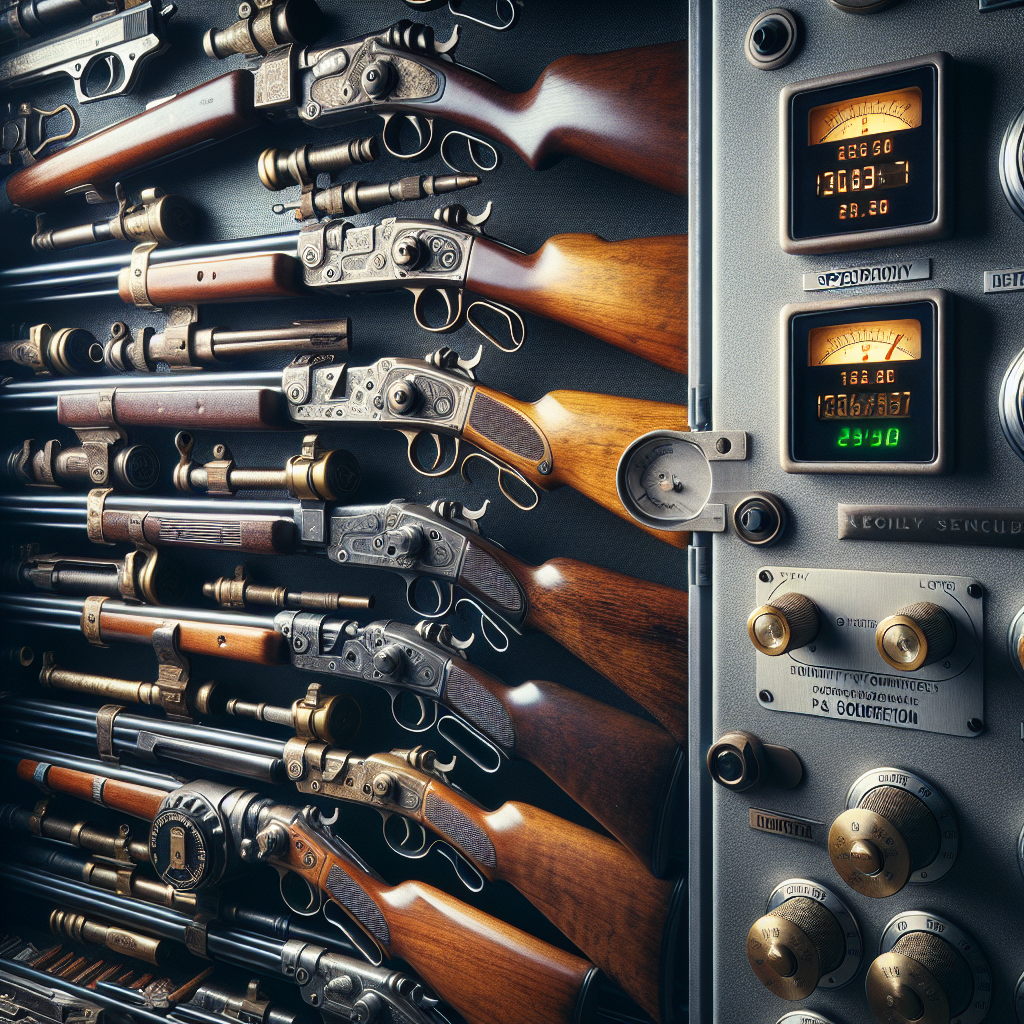
Humidity Control: A quality gun safe designed for antique firearms should offer integrated humidity control. This can take the form of built-in dehumidifiers or moisture-wicking materials. Some advanced models even provide a climate-controlled environment, keeping humidity levels within an optimal range to prevent rust and wood damage.
Temperature Regulation: Consistent temperature control is another crucial feature. Look for safes with insulation that can maintain a stable internal temperature. This helps prevent the wood components from expanding or contracting and keeps metal parts from undergoing thermal stress.
Internal Layout and Padding: The internal design of the safe should accommodate the unique shapes and sizes of antique firearms. Adjustable shelving, custom compartments, and padded interiors can offer the necessary support and cushioning. This helps keep the firearms in place, reducing the risk of damage due to movement or pressure.
Fire Resistance: Fire-resistant safes provide an added layer of protection. Many antique firearms are irreplaceable, and a fire can quickly devastate a collection. Opt for safes that offer a high fire-resistance rating, ensuring that your weapons are protected from potential fire hazards.
Security Features: While the focus is often on preservation, the primary purpose of a gun safe remains securing your firearms against theft. Anti-pry bars, advanced locking systems (such as biometric or digital locks), and robust build materials are fundamental in keeping your collection secure.
By prioritizing these features, you can ensure that your antique firearms are stored in an environment conducive to their preservation, while also safeguarding against potential threats.
Choosing the Right Size and Capacity
Selecting the right size and capacity for your gun safe is crucial. It’s not only about fitting all your firearms inside but also about storing them in a way that prevents damage and allows easy access. Here’s a detailed guide on determining the appropriate size and capacity for your needs.
Firstly, conduct a thorough inventory of your collection. Note the types, sizes, and numbers of antique firearms you possess. Keep in mind that future acquisitions may require additional space, so it’s wise to anticipate potential growth in your collection. After all, an overstuffed gun safe not only poses a risk to the guns but also makes it harder to access individual pieces when needed.
Compact safes may seem convenient, but they often lack the space required for careful arrangement and easy access. Larger safes, while bulkier, provide ample room for proper organization. Adjustable shelves and custom inserts can be particularly useful, allowing you to tailor the interior layout to your collection’s specific requirements.
Additionally, consider the safe’s dimensions relative to its placement. Make sure you measure the designated storage area in your home, and account for any maneuvering space needed to access the safe easily. Remember, a gun safe is a significant investment, and it should not only serve its protective function but also integrate well into your living space.
Lastly, think about the accessibility features of the gun safe. Some models come with interior lighting, making it easier to handle your firearms in low-light conditions. Others offer modular interiors that can be reconfigured as your collection changes. By thoughtfully considering these aspects, you can choose a gun safe that meets both your current and future needs.
Handling and Maintenance Guidelines
Even the most protective gun safe can’t replace the need for proper handling and regular maintenance of your antique firearms. Implementing careful practices both when handling the guns and maintaining them will provide an additional layer of preservation.
Let’s start with handling. Always wear clean, soft gloves when handling antique firearms. This practice minimizes the risk of transferring oils and salts from your skin, which can accelerate corrosion. Physical support of the firearm is also crucial—always lift with two hands, and avoid gripping delicate areas such as intricate engravings or historical modifications.
Next, on the subject of maintenance, regular cleaning is a must. Antique firearms can accumulate dust and moisture even when stored in optimal conditions, so periodic checking and cleaning are necessary. Use mild cleaning agents specifically formulated for antiques, and avoid abrasive materials that can scratch or otherwise damage the firearm’s surface.
Lubrication is also essential for the functioning parts of antique firearms. However, opt for lubrication products that are pH-neutral and designed for use on historical objects. Regular oiling can help prevent rust and keep the mechanical components in working condition.
Another worthwhile investment is an annual professional inspection. Experts can identify potential problems that might not be evident to the untrained eye, such as minute cracks or early signs of corrosion. This can help you address issues before they become major problems.
By combining the right storage solutions with meticulous handling and maintenance practices, you can ensure the longevity of your antique firearms for years to come.
Insurance and Documentation
While proper storage and handling are paramount, protecting your antique firearms also involves comprehensive documentation and insurance. These steps are often overlooked but are crucial aspects of responsible ownership.
First, thorough documentation of your antique firearms is essential. This includes maintaining detailed records of each gun, such as its make, model, serial number, and any other identifying characteristics. Photographs or video documentation of each firearm are valuable for verification and insurance purposes.
Next, consider appraising your antique firearms. Professional appraisals can provide an accurate valuation, which is crucial for insurance and potential resale. Appraisers can issue a certificate stating the firearm’s condition and value, which can be invaluable in case of damage, loss, or theft.
Insurance is another crucial consideration. While standard homeowner’s insurance might offer some coverage, specialized insurance for antique firearms is highly recommended. These policies provide tailored coverage and can protect against a broader range of risks, including accidental damage and full replacement costs for lost or stolen items.
In addition to insurance, secure storage locations are essential. While a high-quality gun safe offers robust protection, supplementing this with a secure location within your home adds an extra layer of security. Ensure that your safe is bolted down and, if possible, stored in a concealed location to further reduce the risk of theft.
By documenting, appraising, and insuring your antique firearms, along with using the appropriate storage solutions, you can protect your investment and ensure that these historical artifacts are preserved for generations to come.
Conclusion
Owning antique firearms comes with a profound sense of responsibility. Each piece represents a fragment of history, embodying stories and craftsmanship that time could easily erode without adequate care. As we’ve explored in this guide, selecting the appropriate gun safe is an essential aspect of safeguarding these invaluable treasures. This involves not only securing them against theft but also ensuring they are protected from environmental conditions that could compromise their integrity over time.
From understanding the unique vulnerabilities of antique firearms to identifying key features in a gun safe, we’ve covered the critical factors that can help maintain these artifacts in prime condition. Ensuring proper size and capacity, meticulous handling, and regular maintenance practices all play vital roles in preserving the historical and monetary value of your collection.
Moreover, adopting comprehensive documentation and insurance practices adds another layer of protection, giving you peace of mind that your investments are well-protected. By combining all these strategies, you can create a holistic approach to safeguarding your antique firearms.
Ultimately, the goal is to ensure that your collection can be enjoyed by future generations, serving as a bridge to the past and a testament to historical craftsmanship. By taking a proactive and informed approach to gun safe selection and firearm care, you can achieve this, ensuring that your antique firearms remain as cherished and pristine as the day they were crafted.