
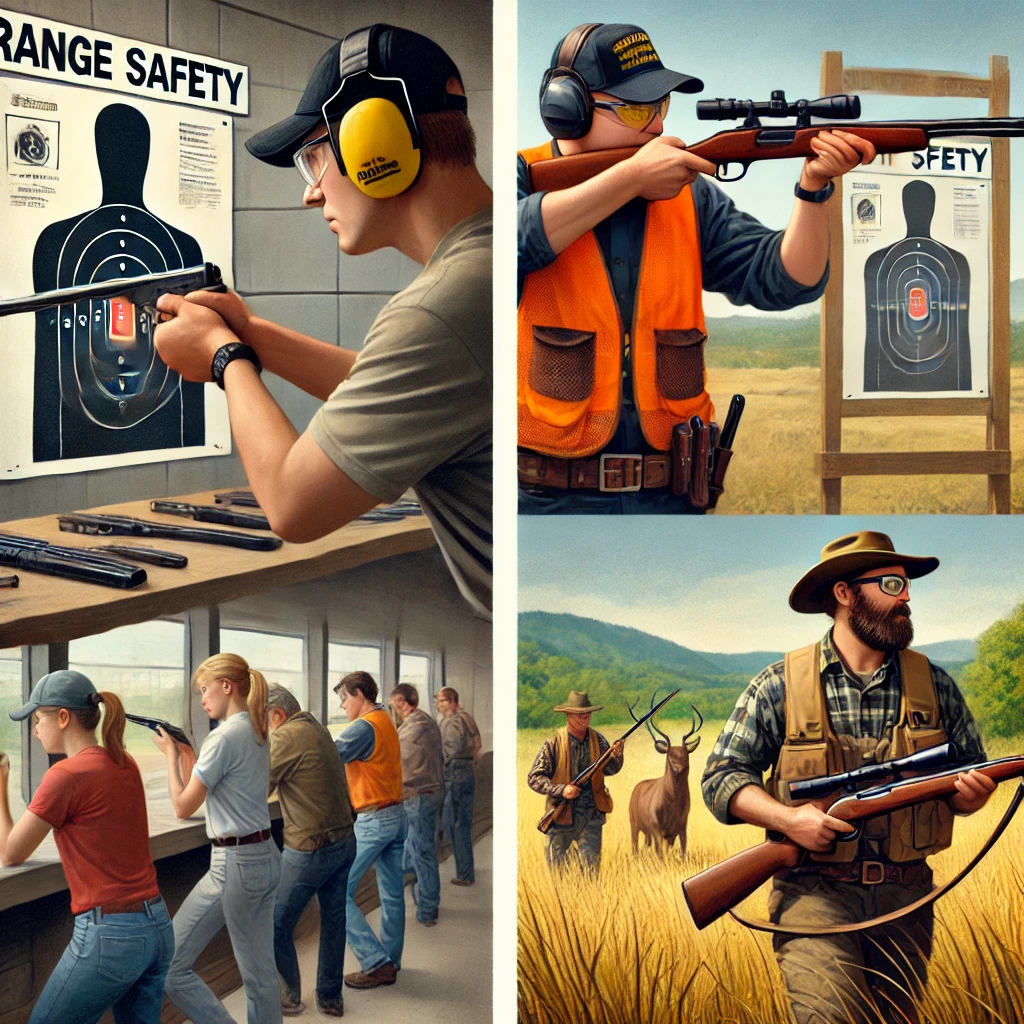
Recreational activities involving firearms, such as hunting, sport shooting, and recreational gun ranges, provide excitement, camaraderie, and a sense of accomplishment. However, these activities also come with inherent risks that make gun safety paramount. Without proper safety measures and responsible behavior, what should be a fun and rewarding pastime can quickly turn into a hazardous situation. In this article, we will delve into the various scenarios of gun safety in recreational settings, providing comprehensive insights and guidelines to ensure that you enjoy these activities without compromising on safety.
When considering gun safety, it’s essential to understand the unique environments and situations that recreational settings present. Each scenario demands its own set of considerations and precautions. By breaking down these environments, you’ll gain a well-rounded understanding of how to handle firearms responsibly, regardless of where you are or what activity you are engaging in.
With each section designed to address a specific aspect of recreational gun use, we aim to cover the most critical topics, including the importance of proper training, the significance of using the right equipment, tailored safety guidelines for different environments, and best practices for ensuring the safety of yourself and those around you. Let’s embark on this thorough exploration, keeping safety at the forefront of every recreational gun activity.
The Importance of Proper Training
One of the most crucial aspects of gun safety in recreational settings is proper training. Comprehensive firearm training courses provide the foundation for safe gun handling and operation. They teach you the fundamentals of shooting, the mechanics of different firearms, and most importantly, instill a sense of responsibility and awareness.
Training courses typically cover crucial areas such as:
- Correct handling and storage of firearms
- Basic and advanced shooting techniques
- Emergency procedures in case of malfunctions or accidents
- Understanding legal aspects and responsibilities
Ensuring that you complete a recognized training program not only enhances your skills but also helps build a responsible gun culture. Additionally, many recreational gun activities and clubs require proof of training for membership or participation, underscoring its vital role.
Remember, ongoing education is just as important as initial training. Consider participating in refresher courses or advanced shooting workshops periodically. Staying updated with the latest safety protocols and techniques can make a significant difference in preventing accidents and ensuring a safe environment.
The Right Equipment: Ensuring Safety and Enjoyment
Selecting the correct equipment is vital in ensuring both safety and enjoyment in recreational gun settings. Proper gear not only enhances your performance but also protects you and others from potential hazards.
Here are some essential pieces of equipment to consider:
- Eye and Ear Protection: Always use quality protective eyewear and ear protection to prevent injuries from debris and prolonged exposure to loud gunfire.
- Appropriate Firearm: Choose a firearm that suits your activity and skill level. For instance, a lightweight rifle might be more appropriate for hunting, while a handgun would be better suited for target shooting.
- Secure Storage: Use gun safes for transporting and storing firearms to prevent unauthorized access and accidental discharge.
- First Aid Kit: Always have a well-stocked first aid kit readily accessible in case of emergency.
- Proper Ammunition: Use the correct type and caliber of ammunition for your firearm to ensure optimal performance and safety.
Investing in high-quality and appropriate gear can significantly mitigate risks associated with recreational firearms. Pay close attention to the condition of your equipment. Regular maintenance and checks are crucial to ensure that everything is in working order, providing additional layers of safety and reliability during your activities.
Safety Guidelines for Hunting
Hunting is one of the most popular recreational activities involving firearms. However, it requires a high level of attention and adherence to safety protocols to ensure that the experience is both enjoyable and safe.
Key guidelines for hunters include:
- Identify Your Target: Confirm that your target is indeed the game you intend to hunt. Always make sure of your target and what lies beyond it before pulling the trigger.
- Wear Appropriate Clothing: Use hunter orange or other bright colors to ensure visibility to other hunters. This helps prevent accidents caused by mistaken identity.
- Stick to Legal Hunting Areas: Ensure that you are hunting in designated areas to prevent conflicts and avoid potential legal issues.
- Maintain Gun Readiness: Keep your firearm unloaded until you are ready to shoot. This reduces the risk of accidental discharge while traveling or moving through dense terrain.
Hunting can be a rewarding activity when approached responsibly. By following these safety guidelines, you minimize risks and enhance the overall experience, making it enjoyable for everyone involved.
Gun Safety at Shooting Ranges
Shooting ranges are a controlled environment where individuals can practice and refine their shooting skills. Despite the controlled setting, there are still specific gun safety rules that must be adhered to:
- Follow Range Commands: Always listen to and follow the instructions of the range officers. Their role is to ensure safety and order at the range.
- Know the Range Rules: Familiarize yourself with the specific rules of the shooting range you are visiting. Each range may have unique regulations that must be observed.
- Controlled Muzzle Direction: Point your firearm in a safe direction at all times. Follow the “downrange” rule, making sure the gun’s muzzle is always directed towards the target area.
- No Distracted Shooting: Focus solely on your shooting when you are on the firing line. Refrain from engaging in conversations or any distractions while handling a firearm.
Shooting ranges provide a fantastic opportunity to improve your shooting abilities. By maintaining strict adherence to safety protocols, you can make the most out of your practice sessions while ensuring a secure environment for yourself and others.
Safe Practices for Recreational Firearm Use
Beyond structured environments like hunting fields and shooting ranges, recreational firearm use can take place in a variety of settings. Whether it’s an informal shooting session in the wilderness or a planned event with friends, adherence to general safe practices is essential:
- Avoid Alcohol and Drugs: Never handle a firearm while under the influence of alcohol or drugs. These substances impair judgment and reaction times, increasing the risk of accidents.
- Use Designated and Safe Shooting Areas: Choose locations that are appropriate for shooting activities, ensuring a safe distance from people, buildings, and other potential hazards.
- Inform Others: Notify others in the area of your presence and activities. Clear communication helps in preventing unexpected encounters that could lead to dangerous situations.
- Respect the Environment: Clean up after your shooting activities. Collect spent shells and any other debris to preserve the area and promote a positive image of the shooting community.
Recreational firearm activities can be enjoyable and fulfilling when approached with caution and respect for safety protocols. Consistent practice of these safe practices ensures everyone involved has a positive experience.
Conclusion
Gun safety in recreational settings is a multi-faceted topic that requires attention, responsibility, and ongoing education. Whether you are hunting, at a shooting range, or engaging in informal shooting activities, the principles of safety must always be respected and followed. Proper training, the right equipment, adherence to specific safety guidelines, and general safe practices form the pillars of responsible recreational gun use.
With the enjoyment and benefits that come from recreational gun activities, maintaining a commitment to safety ensures that these activities remain fulfilling and burden-free. By integrating these guidelines into your regular practices, you contribute to a safer environment for yourself and others and help foster a positive and responsible gun culture.
Remember, safety is an ongoing journey. Continue seeking knowledge, stay updated with the latest safety measures, and always remain vigilant. Through these efforts, you can confidently enjoy your recreational gun activities, knowing that you’ve taken the necessary steps to ensure a safe and rewarding experience.