
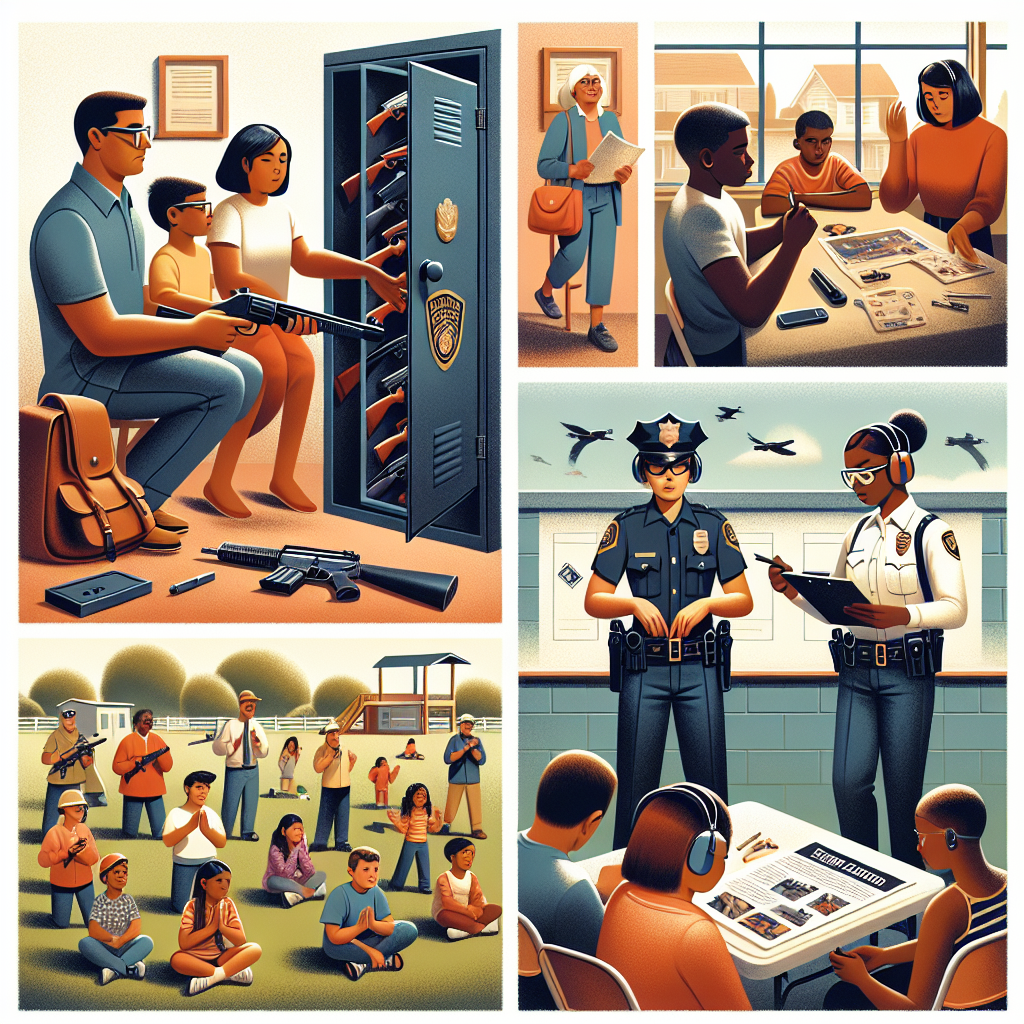
Gun safety is a crucial issue that impacts not just individual gun owners but entire communities. Every year, thousands of people are injured or killed due to accidental discharges, unsafe storage practices, and unintentional shootings. Creating a culture of gun safety within a community involves collective effort, education, and the implementation of best practices. This article aims to explore the importance of community involvement in promoting gun safety, highlight various scenarios where safety measures can prevent tragedies, and provide actionable steps communities can take to improve overall gun safety.
The fact that firearms are a part of everyday life for many people makes it imperative to understand and practice gun safety principles. Whether in rural, suburban, or urban settings, the presence of guns can be a double-edged sword that offers protection and poses risks. Gun-related accidents often stem not from malicious intent but from negligence, lack of knowledge, or simple oversight. Therefore, it is critical to advocate for responsible gun ownership and usage, which includes secure storage, proper handling, and extensive education.
Community-oriented gun safety programs can play a pivotal role in reducing accidents and enhancing public safety. These programs foster a shared sense of responsibility and provide platforms for education and dialogue. By focusing on community-oriented strategies, we can create an environment where gun safety is prioritized, and tragedies are minimized.
The Importance of Education
Education is the cornerstone of any effective gun safety initiative. Knowledge about firearm mechanics, safe handling practices, and the legal aspects of gun ownership can drastically reduce the risk of accidents. Educational programs should target various demographics within a community, including children, teenagers, adults, and the elderly. Each group can benefit from tailored information that addresses their specific needs and challenges.
Schools play a vital role in this educational endeavor. Incorporating gun safety lessons into school curriculums can provide children and teenagers with essential information early on. These programs can cover topics like recognizing the dangers of firearms, the importance of not touching guns without adult supervision, and what to do if they encounter a firearm. For adults, community centers and local law enforcement agencies can offer regular workshops and training sessions. These programs can include hands-on training, safe storage demonstrations, and discussions about the legal responsibilities of gun ownership.
Moreover, online resources and social media platforms can extend the reach of gun safety education. Websites, videos, and interactive courses can provide convenient and accessible information to a broader audience. By leveraging these digital tools, communities can ensure that essential gun safety knowledge is available to everyone, regardless of their schedule or location.
Encouraging Safe Storage Practices
One of the most effective ways to prevent accidental shootings and unauthorized access to firearms is to promote safe storage practices. Proper storage involves keeping firearms unloaded and locked away in a gun safe or a lockbox, separate from ammunition. Moreover, using additional security measures like trigger or cable locks can provide an extra layer of safety.
Community initiatives can encourage safe storage practices through awareness campaigns and incentives. For instance, local governments or community organizations can host events where gun owners can receive discounts on gun safes and locks. Law enforcement agencies can also participate by offering free gun locks and providing demonstrations on how to use them correctly.
Another valuable approach is to promote the concept of “gun safety reviews,” where community members volunteer to help each other assess and improve their gun storage setups. These reviews can be informal and friendly, aimed at fostering a supportive environment where gun owners feel encouraged to adopt best practices. By normalizing these conversations, communities can create a culture where safe storage is the standard, not the exception.
Addressing Specific Gun Safety Scenarios
Different scenarios require different safety measures. Understanding these situations can help gun owners prepare and respond appropriately, thereby minimizing risks.
Home Safety
In homes with children, it’s crucial to have a secure gun storage solution. Children, driven by curiosity, might try to handle firearms if they are accessible. Teaching children about the dangers of guns and establishing a “no-touch” rule can further ensure their safety.
Vehicles
Transporting firearms requires strict adherence to safety protocols. Guns should be unloaded and stored in a secure, locked container when in a vehicle. It’s also essential to avoid leaving firearms in cars for extended periods, as they can be stolen.
Hunting and Recreational Shooting
While engaging in hunting or recreational shooting, always adhere to the four primary gun safety rules: treat every gun as if it’s loaded, never point a gun at anything you’re unwilling to destroy, keep your finger off the trigger until ready to shoot, and be sure of your target and what’s beyond it. Wearing proper safety gear, such as ear and eye protection, is also crucial.
Supporting Mental Health and Responsible Gun Ownership
Mental health is a significant factor in gun safety. Ensuring that firearms are not accessible to individuals undergoing mental health crises can prevent tragedies. Communities should foster environments where seeking help for mental health issues is encouraged and destigmatized.
Implementing “red flag” laws can provide a legal framework for temporarily removing firearms from individuals deemed a risk to themselves or others. These laws often involve a court order and require evidence that the individual poses a significant danger. Community members can support these measures by staying informed about the signs of mental distress and knowing how to act if they suspect someone is at risk.
Gun owners themselves must take responsibility for ensuring their mental wellness. Regular self-assessment, seeking help when needed, and being open to discussions about mental health are vital parts of responsible gun ownership.
Community Programs and Partnerships
Creating a culture of gun safety requires collaboration between various community stakeholders. Partnerships between local governments, law enforcement, schools, healthcare providers, and community organizations can create a comprehensive approach to gun safety.
Community gun safety programs can include:
- Gun Buyback Programs: These events allow citizens to anonymously surrender unwanted firearms, reducing the number of guns in circulation and the potential for accidents.
- Safe Storage Initiatives: Providing free or discounted gun safes and locks can promote secure storage practices among gun owners.
- Public Awareness Campaigns: Leveraging media and social platforms to disseminate gun safety information can reach a wide audience.
- Training and Workshops: Regular events where gun owners can learn about safe practices, legal responsibilities, and self-defense can enhance community knowledge and vigilance.
Schools and youth organizations can partner with law enforcement to create child-focused programs. These can include interactive sessions where officers explain the importance of gun safety in a way that’s engaging and accessible for younger audiences.
Leveraging Technology for Gun Safety
Advancements in technology offer innovative solutions for enhancing gun safety. Smart gun technology, which includes biometric locks and personalized authorization, can prevent unauthorized use of firearms. While these technologies are still evolving, they hold significant promise for reducing accidental shootings and thefts.
Moreover, apps and devices that promote responsible ownership can be beneficial. For instance, digital gun safes with remote access and alerts can notify owners if the safe is tampered with. Apps that offer virtual training modules and safety tutorials can make education more accessible and engaging.
Communities can advocate for the adoption of these technologies by informing gun owners of their benefits and providing opportunities for hands-on demonstrations. Bulk purchasing programs or subsidies for acquiring smart gun technology can also make these advancements more accessible.
Conclusion
Building a community culture of gun safety is a multifaceted effort that requires education, proper storage practices, mental health support, community programs, and technological advancements. By working together, communities can create safer environments where the risks associated with firearms are minimized, and responsible gun ownership is the norm.
To achieve this, it’s essential to foster open dialogues about gun safety, encourage continuous learning, and support initiatives that prioritize the well-being of all community members. Every stakeholder, from individual gun owners to local governments, has a role to play in promoting a culture where gun safety is paramount.
By prioritizing these measures, communities can not only reduce the number of gun-related accidents and incidents but also create an environment of trust, responsibility, and safety. Through collective effort and proactive steps, we can ensure that firearms, while respected for their protective qualities, do not become sources of harm.