
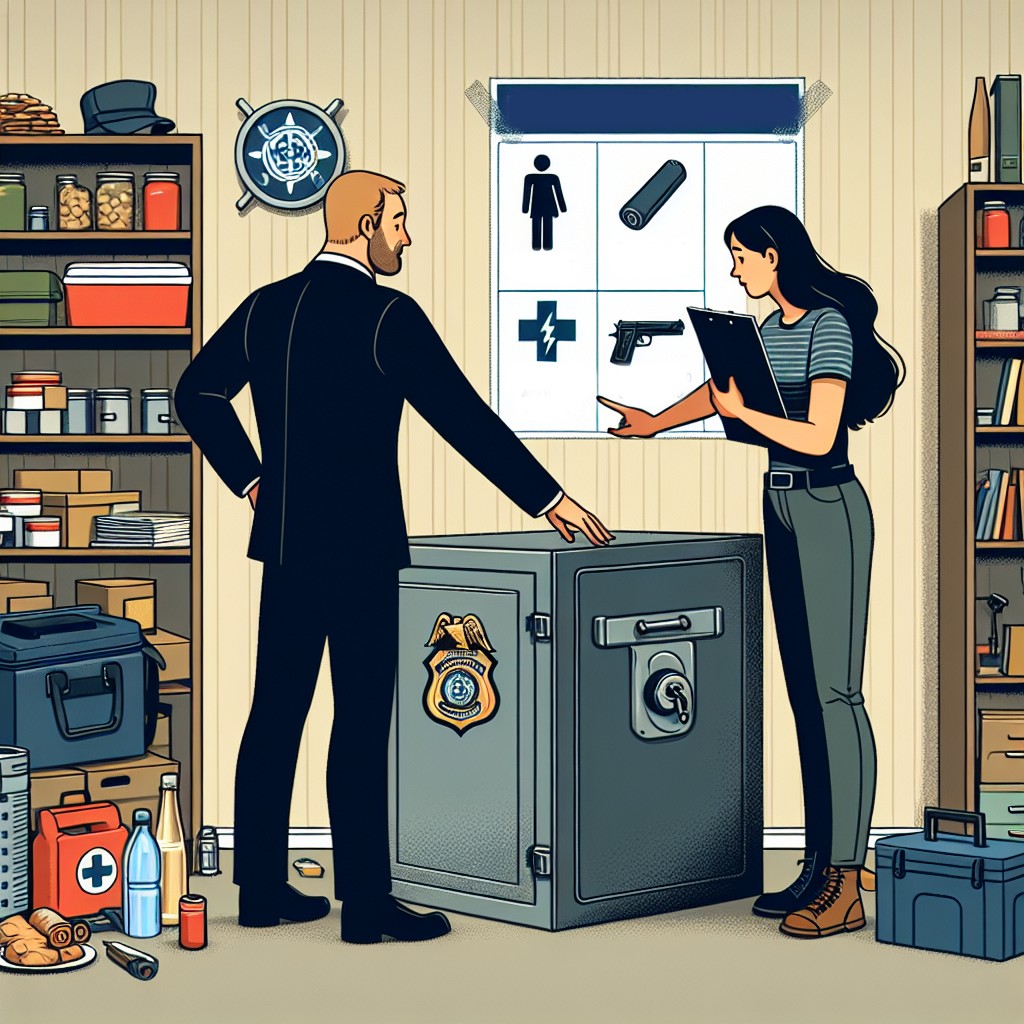
In today’s world, emergency preparedness is more crucial than ever, and for firearm owners, this involves unique challenges. Ensuring that you can access your firearms safely and quickly in times of need while still keeping them secure from unauthorized access requires careful planning and adherence to advanced safety practices. This article aims to provide comprehensive safety tips for accessing firearms during emergencies, ensuring both your safety and the safety of those around you.
Many firearm owners focus extensively on securing their guns but might overlook the importance of being able to access them promptly during emergencies. This delicate balance of security and accessibility can be achieved through a combination of advanced safety practices, proper firearm storage solutions, and a clear understanding of emergency protocols. As responsible gun owners, our primary goal should be to ensure that our firearms do not pose a threat to our households while still providing the security they are meant to offer.
Preparation and Mindset
The first step to ensuring safe and efficient access to your firearm in an emergency is to adopt the right mindset. This includes recognizing the potential risks and preparing both mentally and physically to address them. Regular training and drills are paramount.
- Drills and Rehearsals: Conduct regular safety drills to familiarize yourself with the process of retrieving your firearm. Similar to fire drills, these exercises should become second nature.
- Stress Management: Emergencies often come with high levels of stress. Learning to manage this stress can significantly improve your response time and decision-making abilities.
- Assessment: Continually assess your preparedness by identifying potential weaknesses in your current safety procedures and seeking opportunities for improvement.
Secure Storage Solutions
One of the most effective ways to ensure both security and accessibility of firearms is by selecting the right storage solutions. This involves evaluating your options and choosing what best fits your needs.
- Gun Safes: High-quality gun safes provide robust security features to prevent unauthorized access. Look for safes with biometric locks for quick access under stress.
- Quick-Access Safes: Quick-access gun safes are designed to open rapidly with a combination of codes, RFID, or biometric scanning. These are particularly useful for home defense weapons.
- Hidden Compartments: Hidden compartments can offer a level of security without drawing attention to the storage location but should be combined with other security measures.
Technological Aids
Technology can significantly enhance your ability to access firearms safely during an emergency. Integrating various technological aids can streamline the process and provide additional layers of safety.
- Smart Safes: Smart safes that connect to mobile devices can alert you to tampering or unauthorized access attempts, adding an extra layer of security.
- Home Security Systems: Incorporate your firearm storage solutions into your home security systems for comprehensive protection.
- Biometric Solutions: Biometric technology such as fingerprint scanners ensures that only authorized individuals can access the firearms, offering both speed and security.
Legal and Regulatory Compliance
Adhering to local and federal regulations is a crucial aspect of firearm safety. Compliance not only ensures legality but often aligns with best safety practices.
- Stay Informed: Keep up-to-date with the latest firearm laws and regulations in your region. Legislation can change, and it’s essential to adapt your practices accordingly.
- Documentation: Ensure all your firearms are properly documented and registered as required by law. Proper documentation can be critical during emergencies.
- Permits: Maintain the necessary permits and licenses for owning and carrying firearms. This includes understanding the specific requirements for your state or region.

Training and Education
A key component of safe firearm access is continuous training and education. Regularly updating your skills and knowledge ensures that you are prepared for any situation.
- Professional Training: Enroll in firearm safety and handling courses offered by certified professionals. These courses often provide valuable insights and practical skills.
- Situational Awareness: Learn to assess and respond to various scenarios through scenario-based training. This helps in making informed decisions during actual emergencies.
- First Aid Training: Incorporate first aid training into your routines. Knowing how to administer first aid can be crucial during emergencies where firearms are involved.
Community and Responsibility
As firearm owners, there is a broader responsibility towards the community. Promoting safe firearm practices within your community can have a significant impact on overall safety.
- Community Awareness: Engage with your local community to promote firearm safety. Host or participate in workshops and seminars to share knowledge.
- Responsibility: Understand the importance of responsible firearm ownership. This includes securing your firearms and ensuring they are not accessible to untrained individuals.
- Support Networks: Cultivate support networks among fellow firearm owners. Sharing experiences and best practices can enhance collective safety measures.
Conclusion
In conclusion, emergency preparedness for firearm owners involves a multi-faceted approach. By combining the right mindset, secure storage solutions, technological aids, legal compliance, continuous training, and community responsibility, firearm owners can ensure they are ready to access their firearms safely during emergencies. This ensures not only their safety but also the safety and security of their families and the broader community.
Remember, the primary aim is to strike a balance between accessibility and security. Regularly evaluating and updating your safety practices will help maintain this balance and ensure that you are always prepared for any eventuality.