
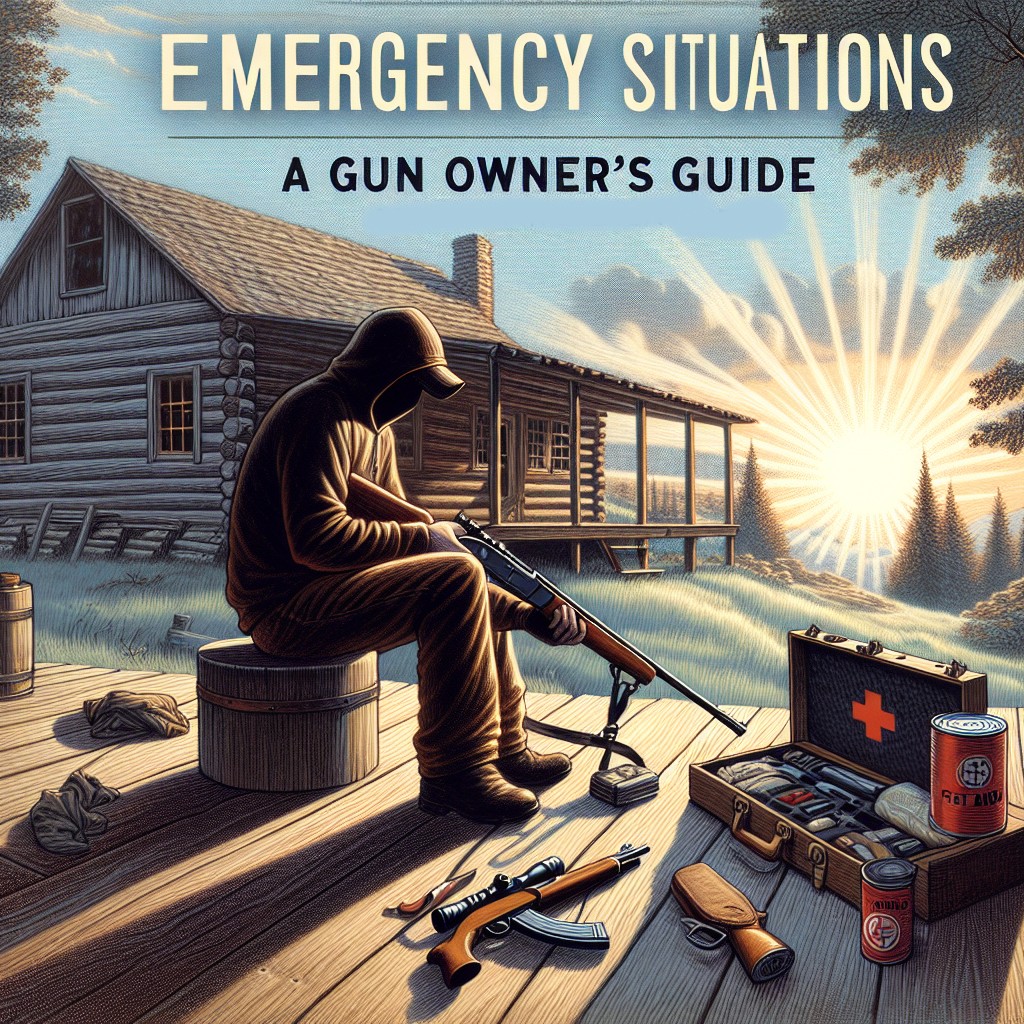
As a gun owner, the responsibility of ensuring safety goes beyond just securing your firearms; it extends to knowing how to handle and respond to potential emergency situations. Whether it’s an intruder in your home, a natural disaster, or a sudden breakdown of social order, being prepared can make all the difference. This guide is designed to provide you with the knowledge and tools needed to navigate various emergencies confidently and safely while remaining a responsible gun owner. From understanding the legal implications to practical safety tips and scenario planning, we’ve got you covered.
Before diving into specific scenarios, it’s crucial to emphasize the importance of regularly training and practicing safety protocols. Owning a gun is not just about having the means of protection, but knowing how to use it properly and safely in high-pressure situations. Proper training can significantly reduce the risk of accidents and increase your effectiveness during an emergency. Additionally, knowing the laws and regulations surrounding firearm use in your area ensures you’re prepared legally as well.
In the following sections, we’ll discuss various emergency scenarios, including home intrusions, natural disasters, and civil unrest. For each, we’ll look at appropriate responses, important considerations, and proactive steps you can take to ensure you and your loved ones stay safe. We’ll also cover best practices for storing your firearms to prevent unauthorized access while maintaining quick access in an emergency.
Responding to Home Intrusions
A home intrusion is one of the most common emergencies that gun owners prepare for. The primary goal in such an event is to ensure the safety of yourself and your family, not necessarily to neutralize the intruder. Having a clear plan and practicing it can make a significant difference in the outcome.
First, ensure that all members of your household know the plan. This should include a safe room where everyone can retreat to and lock themselves in until help arrives. The safe room should be equipped with a phone to call the police, a sturdy lock, and, if possible, a secure window for potential escape.
Your firearms should be easily accessible but secured enough to prevent unauthorized use. Consider a bedside gun safe with quick access features. Regularly practice retrieving your firearm from its storage location to ensure you can do so quickly and safely under stress.
When faced with an intruder, your first action should be to call 911 and inform them of the situation. Stay on the line if possible. If a direct confrontation is unavoidable, position yourself defensively, and make sure you have a clear line of sight to the threat without endangering others.
Natural Disasters
Natural disasters such as hurricanes, earthquakes, and floods present unique challenges for gun owners. In these scenarios, the priority is to survive the event and prevent your firearms from becoming a hazard or falling into the wrong hands.
Before disaster strikes, ensure your guns are stored in a safe that is resistant to the types of damage your area is prone to. For instance, a waterproof safe can protect your firearms during floods, while fireproof safes are essential in areas prone to wildfires.
It’s also wise to have an emergency evacuation plan that includes your firearms. If you need to evacuate quickly, have a secure and discrete way to transport your guns. A gun case with locks, for instance, can be a good choice.
After a disaster, the chaos can lead to increased crime. Keep your firearms secure but accessible. Be cautious about displaying your weapons openly, as this can make you a target. Work with your community and law enforcement to stay informed and safe during the recovery period.
Civil Unrest
Civil unrest, while less common, is a scenario that requires significant preparation. The unpredictability of these situations necessitates a multifaceted approach that focuses on safety, legal considerations, and protecting your rights and property.
First, stay informed about the current socio-political climate and any warnings or alerts from authorities. Being aware and prepared in advance can help you avoid dangerous areas and situations. If civil unrest occurs in your vicinity, your initial focus should be on securing your property and ensuring you and your family are safe.
Store your firearms in a secure location but make them readily accessible if needed. Opt for safes with biometric access, which can save precious seconds while still keeping the guns out of unauthorized hands. Additionally, have a plan for communication with family members and neighbors. Establishing a network can provide mutual support and updates during unrest.
Document any incidents and interactions; this is vital for legal protection. Know your rights and the laws about using firearms in self-defense in your area. Make sure any use of your firearm is justified and compliant with legal standards to avoid legal repercussions.
Firearm Safety and Storage Best Practices
Regardless of the specific emergency scenario, the principles of firearm safety and secure storage are paramount. Improper handling and unsecured firearms significantly increase the risk of accidents and unauthorized use.
The first step is always treating every firearm as if it’s loaded. This mental practice creates a foundation for safe handling. Never point the gun at anything you aren’t prepared to destroy and always be sure of your target and what lies beyond it. These four safety rules are non-negotiables for any gun owner.
When it comes to storage, a quality gun safe is a must. Opt for a safe that’s robust and secured to the floor or wall to prevent theft. Gun safes should be resistant to common threats in your area, such as fire or water damage. For homes with children, additional measures like trigger locks can add an extra layer of security.
Quick-access safes provide a balance between securing your firearm and having it ready when needed. Biometric locks are highly recommended as they allow rapid access in emergencies while preventing unauthorized use. Regularly maintain and test these safes to ensure they function as expected when you need them the most.
Training and Continuous Education
Owning a firearm comes with a responsibility to commit to ongoing training and education. Static knowledge is not sufficient in an ever-changing world; continuous learning ensures that you remain competent and capable of handling your firearm in any situation.
Enroll in professional training courses. These courses offer practical, hands-on experience that books and videos simply can’t provide. They cover various scenarios ranging from basic handling and maintenance to advanced defense techniques.
In addition to formal training, participate in regular practice sessions. Visit the shooting range frequently to refine your shooting skills and build muscle memory. Simulate high-pressure situations during training to prepare for the stress of real emergencies.
Stay updated on gun laws and regulations in your state and locality. Legal landscapes change, and being unaware can lead to severe legal consequences. Join organizations and online forums dedicated to gun safety and responsible ownership; they provide resources and foster a community of knowledgeable peers.
Building a Safety-Oriented Mindset
Finally, beyond the practical steps of owning and using a firearm responsibly, cultivating a safety-oriented mindset is crucial. This mindset encompasses awareness, preparedness, and a commitment to safety in all aspects of life.
Situational awareness is your first line of defense. Always be aware of your surroundings, potential threats, and exits. This awareness allows you to anticipate and react to emergencies more effectively. Educate your family about maintaining similar awareness in their daily lives.
Preparedness is not just about having a plan but being mentally ready to execute it. Regular drills and discussions about what to do in various emergencies reinforce this mental preparedness. When everyone knows their role, it reduces panic and increases the efficiency of response actions.
A commitment to safety permeates every aspect of gun ownership and use. This dedication involves always choosing the safer option, whether it’s where you store your gun, how you handle it, or when you decide to use it. Peer check-ins ensure that others in your community are also adhering to high safety standards, promoting a culture of responsibility.
Conclusion
Being a responsible gun owner means more than just owning and using a firearm; it involves a comprehensive approach to safety and preparedness. By considering the various emergency scenarios detailed in this guide, you can develop a robust plan tailored to your specific situation and environment.
Remember, effective emergency preparedness is proactive rather than reactive. Regularly review and update your plans, ensuring all household members are informed and trained on safety protocols. Continuously engage in training and education to keep your skills sharp and knowledge current.
Investing in high-quality storage solutions and prioritizing secure and quick access to your firearms are foundational elements of responsible gun ownership. Stay informed about local laws and maintain a network of communication with your community to be better prepared for any eventuality.
Ultimately, the goal is to keep yourself and your loved ones safe in potentially dangerous situations. By adhering to the guidelines and insights presented in this guide, you not only enhance your own safety but also contribute to a broader culture of responsible and informed gun ownership.