
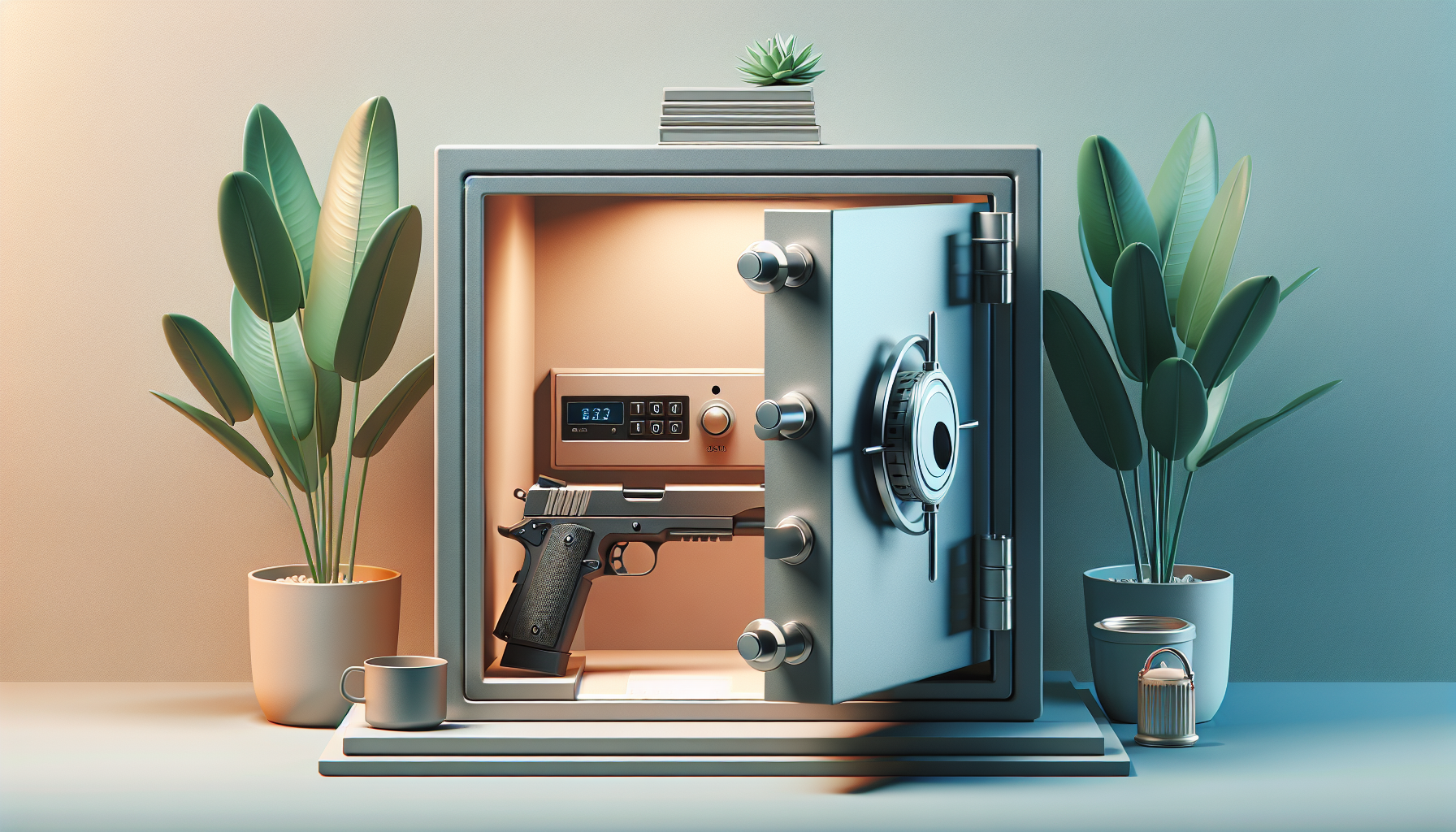
Gun safe alarm systems add an active layer of protection to a passive barrier, and for many owners, that extra security is worth serious consideration. A gun safe is designed to resist theft, fire, and unauthorized access, while an alarm system detects tampering, movement, vibration, door opening, or environmental threats and then alerts the owner or a monitoring service. Together, they create defense in depth. I have seen solid safes fail to prevent loss when they were poorly located, left unmonitored during travel, or targeted by thieves with time and tools. I have also seen modestly priced safes do their job well because alarms shortened the criminals’ window. That is why this topic matters. If you are comparing gun safes, deciding where to place one, or building a complete firearms storage plan, understanding alarm options helps you buy based on risk rather than marketing claims alone.
Buying guides often focus on steel thickness, lock type, and fire rating, but extra security deserves equal attention because most real-world break-ins are opportunistic and time-sensitive. A safe alarm system can trigger a siren, send a phone notification, report through cellular backup, or integrate with a broader home security platform. Depending on the model, it may monitor tilt, impact, vibration, temperature, humidity, or unauthorized opening. For owners storing high-value collections, NFA items, heirlooms, or defensive firearms, these details directly affect theft prevention, documentation, and response time. This hub article explains when a gun safe alarm system makes sense, what features matter most, how to evaluate tradeoffs, and how to connect this decision to the rest of your buying process so you can choose practical, proportionate protection.
What a gun safe alarm system actually does
A gun safe alarm system is not a substitute for a quality safe, anchoring, or responsible access control. Its job is to detect a problem quickly enough that you can intervene, summon help, or at minimum create noise and pressure that force a thief to leave. In practical terms, alarm systems for gun safes fall into a few categories. Internal door alarms activate if the safe is opened without authorization. Vibration or impact sensors react when someone attacks the body or door with tools. Tilt sensors detect attempts to tip and remove the safe. Environmental sensors watch for heat, smoke, excess moisture, or flooding that can damage firearms, optics, and documents.
Some safes ship with factory-installed alarm kits, while others rely on aftermarket modules or integration with a home alarm platform such as Alarm.com, Ring Alarm, SimpliSafe, ADT, or a professional hardwired system. I generally advise buyers to think in layers. The safe itself delays access. Anchoring prevents removal. Room placement reduces visibility. Cameras document events. The alarm compresses the intruder timeline by increasing the chance of immediate detection. That distinction matters because most thieves do not crack a safe in a cinematic way. They pry, cut, drag, or attack weak installation points. If an alarm sounds the moment the safe is moved or the door is touched, the attack becomes riskier and often shorter.
Do you actually need extra security?
The honest answer is that not every gun owner needs a dedicated gun safe alarm, but many benefit from one. The right question is not whether alarms are universally necessary. It is whether your storage setup, household pattern, and risk profile justify the additional cost and maintenance. If you store one budget shotgun in a locked cabinet inside an occupied home with a monitored whole-house system, a separate safe alarm may be optional. If you store multiple firearms, suppressors, collectible pistols, ammunition, passports, cash, or hard drives in a basement safe and routinely travel for work, an alarm becomes far more compelling.
There are several situations where I strongly recommend extra security. First, if your safe is in a garage, outbuilding, workshop, or detached structure, add detection because those locations give thieves privacy and time. Second, if your safe weighs less than roughly 750 pounds before anchoring, use a tilt or movement alarm because smaller units are often stolen intact and opened elsewhere. Third, if you keep high-value firearms with serial-number documentation for insurance purposes, notifications matter because fast reporting can improve recovery chances. Fourth, if children, visitors, contractors, or house sitters may be in the home, door-open alerts add accountability. Fifth, if you live in an area with long police response times, a local siren plus phone alert may still disrupt a break-in when a silent system alone would not.
| Situation | Alarm Priority | Why it matters |
|---|---|---|
| Safe in garage or detached building | High | Attackers have more concealment, noise is less noticeable, and removal is easier |
| Light or midweight safe | High | Thieves often try to tip, dolly, or haul the safe away |
| Monitored whole-home security already installed | Medium | Adding a dedicated safe sensor closes a common blind spot |
| Single low-value firearm in occupied home | Low to medium | Basic locking and responsible storage may be sufficient |
| Collection, NFA items, or family heirlooms | High | Loss severity is high and quick alerts improve response and documentation |
Features that matter when comparing systems
When I evaluate gun safe alarm systems, I focus less on flashy branding and more on detection method, power reliability, and alert path. The best system is the one that still works during the exact conditions that make a burglary more likely: power interruption, internet outage, and prolonged absence from home. Start with sensor type. A simple magnetic contact on the door is useful but limited because it only reports opening, not attempted attack. A better setup combines a door sensor with vibration or shock detection. Tilt sensors are especially useful for compact safes. For premium installations, adding a nearby motion sensor or camera provides confirmation and context.
Next, consider how alerts are delivered. A built-in siren can scare off opportunistic thieves, but remote notifications are what make the system valuable when you are away. App alerts over Wi-Fi are common, yet cellular backup is more resilient if broadband is cut or the router loses power. Battery life matters too. Many standalone modules rely on replaceable batteries, which means they are only as dependable as your maintenance routine. If the system integrates with a professionally monitored panel using supervised sensors, tamper signals and low-battery warnings are usually more robust. Also review environmental protection. Hygrometers, dehumidifier ports, and humidity sensors do not stop theft, but they reduce corrosion risk and support a complete storage plan.
Built-in alarms versus aftermarket options
Buyers often assume factory-installed safe alarms are automatically superior. Sometimes they are, especially when wiring, sirens, and tamper circuits are integrated cleanly into the safe body. Brands such as Fort Knox, Liberty Safe, Browning, and Rhino Metals have offered models or accessories with internal lighting, electrical outlets, and alarm compatibility, which can simplify setup. The downside is flexibility. Built-in systems may use proprietary parts, limited app ecosystems, or basic audible alerts without broader automation.
Aftermarket options can be more adaptable. A well-placed contact sensor from a mainstream security platform, paired with a vibration sensor and camera, often provides better intelligence than a generic internal siren alone. I have helped owners use a recessed contact on the safe door, a shock sensor on the body, and a Z-Wave or Wi-Fi hub that triggers lights, cameras, and phone alerts simultaneously. That kind of layered response is practical and relatively affordable. The tradeoff is installation quality. Wireless devices can be mounted poorly, have range issues through thick steel, or suffer from dead batteries if ignored. If you choose aftermarket equipment, test every sensor with the safe closed, locked, and in its final anchored position, because signal behavior can change once steel surrounds the electronics.
How your safe, room, and home security system work together
The smartest buying decisions happen when you stop treating the safe as a standalone product. Safe security is really the intersection of physical security, electronic detection, and household routine. Placement is the first major variable. A safe hidden in a closet behind a solid-core door on a monitored hallway sensor is harder to attack than one displayed in a garage corner next to power tools. Anchoring into concrete or substantial framing is non-negotiable, because alarms are most useful when they protect a safe that cannot be carried away. I routinely tell buyers that a lighter safe with excellent placement, anchoring, and detection can outperform a heavier safe installed carelessly.
Home security integration also changes the value equation. If you already have door contacts, glass-break sensors, cameras, and professional monitoring, adding one or two safe-specific sensors is usually low cost and high value. You create a sequence of alerts: perimeter breach, interior motion, then safe tamper. That sequence gives you and responders far better information than a single alarm event. If you do not have a whole-home system, a standalone safe alarm can still help, but it should be part of a broader buying guide conversation that includes concealment, lighting, locks, dehumidification, insurance documentation, and inventory records. Extra security works best when each layer supports the others rather than trying to compensate for a weak foundation.
Common buying mistakes and how to avoid them
The biggest mistake is buying an alarm to compensate for an underbuilt or badly installed safe. Thin steel, poor boltwork, weak anchoring, and exposed placement remain core vulnerabilities. The second mistake is choosing an alarm based only on siren volume. Loudness matters, but verified alerts matter more. If your phone never receives a notification because the device depends entirely on home Wi-Fi, the system may fail in the exact moment you need it. The third mistake is ignoring maintenance. Batteries expire, apps lose permissions, sensors drift out of alignment, and users stop checking logs. I recommend a quarterly test schedule and a written checklist just as you would for smoke alarms.
Another common error is overlooking insurance and documentation. An alarm does not replace a rider, current photos, serial numbers, or proof of ownership. In claims and police reports, those records are often as important as the theft event itself. Finally, many buyers misjudge privacy and false alarms. A vibration sensor set too aggressively on a safe in a busy workshop can generate nuisance alerts. A camera aimed improperly may create household tension. Good buying decisions balance sensitivity, usability, and daily life. Choose equipment you will maintain, monitor, and trust. If you are building out your gun safes and safety plan, use this hub as the starting point, then compare lock types, anchoring methods, fire ratings, and safe sizes with the same level of rigor.
Gun safe alarm systems are not mandatory for every owner, but they are often the difference between delayed discovery and immediate response. The key takeaway is simple: a safe protects by resisting access, while an alarm protects by exposing the attack quickly. If your safe holds valuable firearms, sits in a vulnerable location, or remains unattended for long periods, extra security is usually justified. Focus on practical features such as door contacts, vibration or tilt sensing, reliable power, cellular or monitored alerts, and integration with cameras or a home system. Avoid the trap of treating alarms as magic. They work best when combined with a quality safe, proper anchoring, thoughtful placement, humidity control, and updated records.
As a buying guide hub, this topic should shape how you evaluate every related decision under gun safes and safety. Before you purchase, list what you are protecting, where the safe will sit, how long the home is left empty, and how quickly you want to know something is wrong. Then match your risk to the right level of detection. A modest, well-integrated alarm setup often delivers better protection than a flashy feature list you never maintain. Review your current safe, identify the most likely failure point, and upgrade that layer first. If you want a more complete storage plan, move next into safe sizing, lock selection, anchoring, fire protection, and humidity management so your entire system works together.
Frequently Asked Questions
Do you really need an alarm system for a gun safe if the safe is already heavy, fire-rated, and built to resist break-ins?
In many cases, yes. A quality gun safe is an excellent first line of defense, but it is still a passive security device. Its job is to slow down theft, resist unauthorized access, and protect contents from fire or some environmental threats. An alarm system adds the active response that a safe alone cannot provide. Instead of only relying on steel, locking bolts, and weight, you gain the ability to detect tampering, vibration, movement, door opening, or forced entry attempts while they are happening.
That distinction matters because most burglaries are time-sensitive. If someone attacks a safe with tools, tips it over, or starts trying to move it, the safe may hold up structurally, but without an alert, the owner may have no idea anything is happening until much later. By then, the safe may be damaged, relocated, or eventually defeated. An alarm changes that by creating an immediate signal that something is wrong. Depending on the system, that can mean a siren, a smartphone notification, a text alert, or contact with a professional monitoring service.
Extra security is especially worth considering when the safe contains high-value firearms, NFA items, heirlooms, optics, important documents, cash, or ammunition. It is also smart when the safe is located in a garage, basement, workshop, vacation property, or another area with less visibility and less day-to-day supervision. In those situations, the alarm is not replacing the safe. It is covering the exact gap that a safe cannot cover on its own: awareness and response.
The best way to think about it is layered protection. A safe delays and resists. An alarm detects and alerts. When combined with proper placement, anchoring, limited access, and good habits, the result is much stronger than any one measure by itself.
What types of gun safe alarm systems are available, and which features matter most?
Gun safe alarm systems range from very simple internal sensors to more advanced integrated security setups. The most basic options are stand-alone battery-powered alarms that detect vibration, movement, or door opening and sound a siren when triggered. These are affordable and easy to install, making them attractive for owners who want a straightforward alert without wiring or subscription fees.
A step up from that is a smart alarm setup that sends notifications to a phone or app. These systems may include contact sensors on the safe door, tilt sensors, vibration sensors, or motion detectors placed around the safe. Some can also be connected to a broader home security platform. That allows the safe to become part of a larger monitored environment rather than an isolated object in the room.
More advanced systems may include professional monitoring, environmental sensors, and backup power. Environmental monitoring is often overlooked, but it can be extremely valuable. Sensors that detect temperature spikes, smoke, humidity, or water intrusion can help protect firearms and documents from threats that have nothing to do with burglary. In some homes, especially where safes are located in basements or garages, those features can be just as important as intrusion detection.
As for what matters most, reliability should come first. A loud siren is helpful, but dependable detection and timely alerts are more important than flashy features. Look for systems with strong battery life or hardwired backup options, tamper alerts, and clear notification settings. If you travel often or are away from home during work hours, remote alerts are a major advantage. If you want the highest level of response, monitored service may be worth the recurring cost.
Good sensor selection also matters. Vibration or shock sensors help detect drilling, prying, or pounding. Door sensors tell you when the safe has been opened. Tilt or movement sensors can detect an attempt to move or remove the safe. A motion detector in the room adds another layer before the safe itself is touched. The right combination depends on your safe’s location, your budget, and how much risk you are trying to reduce.
Can a gun safe alarm be installed on any safe, or do some safes work better with alarm systems than others?
Most gun safes can be paired with some type of alarm system, but the ideal setup depends on the safe’s design, location, and construction. Even if a safe was not originally sold with a built-in alarm port or electronic integration features, owners can usually add external or internal sensors. Adhesive door contacts, vibration sensors, motion detectors, and nearby environmental sensors can work with many existing safes without requiring major modification.
That said, some safes are definitely easier to secure with alarms than others. Larger safes with interior power access, factory-installed cable ports, or room for sensor placement give you more options. Safes with electronic locks may sometimes work well alongside monitored security systems, especially if they are part of a modern residential security plan. By contrast, very compact safes, portable lockboxes, and lightweight cabinets may limit where sensors can be placed and may be more vulnerable overall, even if an alarm is added.
Placement also affects how well the alarm performs. A safe sitting freely in an exposed garage has very different security needs than a properly anchored safe in an interior closet. If the safe is in a low-traffic area, hidden from view, or located where ambient noise might mask a siren, remote notification becomes more important. If the safe is in a humid basement, environmental monitoring deserves more attention. Installation should be tailored to the real-world conditions around the safe, not just the safe itself.
One important caution is to avoid undermining the safe’s integrity during installation. Drilling into the body or door without manufacturer guidance can affect fire protection, structural performance, or warranties. In most cases, non-invasive alarm components are the safer choice unless the manufacturer specifically provides for alarm integration. If you are unsure, consult the safe manufacturer or a qualified security installer before making permanent changes.
So yes, most safes can benefit from alarms, but the best results come when the system is selected and installed with the safe’s design, the room layout, and the owner’s actual security goals in mind.
Will a gun safe alarm stop theft, or does it mostly just notify you after someone has already started tampering with the safe?
An alarm does not physically stop theft in the way steel, locking mechanisms, and anchor bolts do, but it can dramatically increase the chances of interrupting, deterring, or limiting a theft attempt. In practical terms, that is often enough to make the difference between a failed break-in and a major loss. Most criminals want speed, privacy, and as little resistance as possible. The moment an alarm sounds or a monitored alert is triggered, the risk to the intruder rises sharply.
That is why alarms are so effective as part of a layered system. A burglar who encounters a heavy, anchored gun safe already faces delay. Add a vibration alarm, a door sensor, room motion detection, and immediate alerts to the owner or monitoring center, and the intruder now has to work under pressure. That pressure is often what causes criminals to abandon the attempt or leave before they can fully compromise the safe.
It is also important to understand that not all thefts involve opening the safe on-site. Some thieves try to move the safe and attack it elsewhere. In those cases, a tilt or movement sensor can be especially valuable. If the safe is being shifted, loaded onto a dolly, or removed from its original position, an alarm can trigger before the thief has the chance to disappear with it. This is one of the strongest arguments for pairing alarms with proper anchoring. Anchoring slows removal, and the alarm provides immediate notice that removal is being attempted.
Still, expectations should be realistic. An alarm is not magic. If no one hears it, no one receives the alert, or no one can respond, its value is reduced. That is why overall planning matters so much. Good safe placement, solid anchoring, discreet installation, surveillance cameras, home security integration, and reliable communication methods all increase the usefulness of the alarm. The goal is not to rely on one device to do everything. The goal is to create enough resistance and enough visibility that the odds shift heavily in your favor.
What is the best overall way to secure a gun safe beyond just adding an alarm system?
The best approach is a complete security strategy built around defense in depth. A gun safe alarm is a strong upgrade, but it works best when it is part of a broader plan. Start with the safe itself. Make sure it is appropriately sized, constructed from quality materials, equipped with a reliable lock, and suited to the value and type of firearms or valuables being stored. A bargain safe with thin steel and poor boltwork is still a weak link, even if it has an alarm attached to it.
Next, focus on placement and anchoring. One of the biggest security mistakes owners make is putting the safe in a convenient but exposed location and leaving it unsecured to the floor or wall. A safe that is easy to reach, easy to see, and easy to move is at a much higher risk. Ideally, the safe should be anchored in a location that limits tool access, restricts leverage, and reduces visibility to visitors, contractors, or casual observers. Corners, closets, interior rooms, and low-profile