
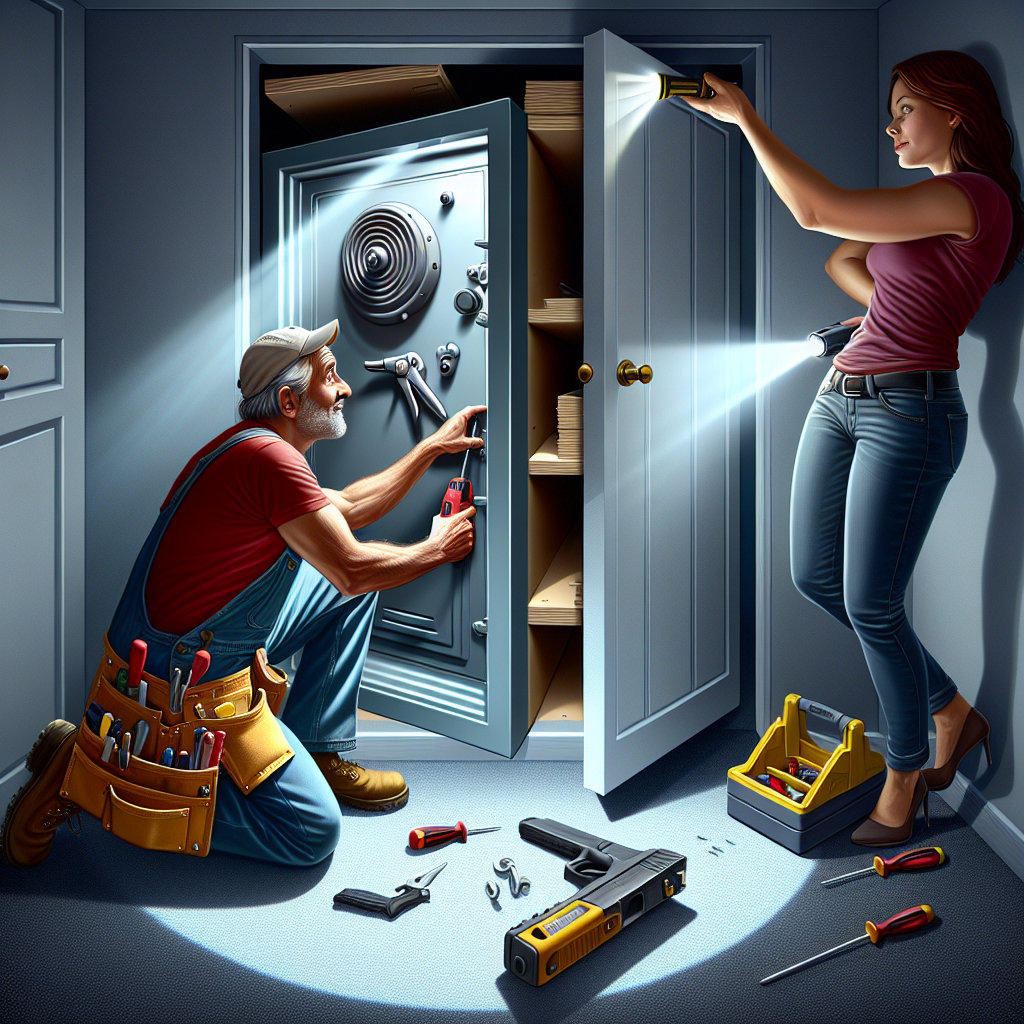
Installing a gun safe is an essential step for ensuring the security of your firearms. It’s not just about purchasing the most heavy-duty or technologically advanced model; proper installation plays a pivotal role in securing your weapons. However, what if you have limited space? Don’t worry. This guide will walk you through the process of installing a gun safe in tight spaces effectively and safely.
Understanding the Importance of Proper Installation
Securing your firearms in a gun safe is a responsibility that no gun owner should take lightly. The proper installation of a gun safe, especially in tight spaces, ensures that your firearms remain inaccessible to unauthorized persons and helps in safeguarding against theft and accidents. For many, the challenge lies in fitting a substantial safe into a constrained area. Limited space does not equate to limited safety, and with the right strategies, you can effectively and securely install your gun safe.
When dealing with constrained space, innovative solutions are crucial. It’s not just about making the safe fit but also ensuring that it remains immovable and that it provides easy access when needed. From hidden compartments to basement installations, there are varied methods to handle small spaces. This article will provide detailed instructions on how to measure your area accurately, the tools and materials needed, the types of gun safes suitable for tight spaces, and step-by-step installation procedures.
Measuring Your Space Accurately
The first step to installing a gun safe in a tight space is accurate measurement. Misjudging even a few inches can turn a feasible installation into a failure. Begin by selecting the potential locations within your home where the safe could fit – think corners of closets, under staircases, or inside cabinet spaces.
Use a measuring tape to record the height, width, and depth of these spaces. Consider obstacles such as molding, outlets, pipes, or ducts that may hamper the installation. It’s also advisable to take additional measurements at various points of the space to account for irregularities.
Once you’ve documented these measurements, compare them with the dimensions of the safes you are considering. Remember to account for door clearance and ease of access. It’s crucial to ensure that the safe not only fits but that you can comfortably open the door and access its contents without difficulty.
Tools and Materials for Tight Space Installation
Equipping yourself with the right tools and materials can make the installation process smoother and more efficient. Here’s a list of essential tools and materials you’ll need:
- Measuring Tape
- Drill and Drill Bits
- Level
- Mounting Bolts or Anchors
- Screwdriver
- Pencil or Marker
- Shims (if required for leveling)
- Adhesive Tape
- Pry Bar (if required for modifications)
Having these tools and materials on hand before starting the installation will save you time and help prevent interruptions. Additionally, using the right drill bits for your wall type (wood, concrete, or metal) ensures that the anchors and bolts hold securely, providing optimal safety.
Types of Gun Safes Suitable for Small Spaces
The market offers a variety of gun safes designed specifically for installation in tight spaces. Here are some of the most practical options:
- Compact Gun Safes: These smaller safes can be easily fitted into corners, under beds, or inside cabinets.
- Wall Safes: Wall safes are installed between wall studs, utilizing vertical space instead of floor space. They can be concealed behind artwork or furnishings.
- Biometric Safes: Typically smaller in size, these safes offer quick access through fingerprint recognition and are designed to fit in tight spaces.
- Corner Gun Safes: Shaped to fit snugly in corners, these safes make the most out of every inch of available space.
Choose a safe that not only matches the dimensions of your tight space but also provides the security features you need.
Preparing the Installation Area
Proper preparation of the installation area is vital to ensure a seamless installation process. Start by cleaning the area thoroughly. Remove any items or debris that may obstruct the installation. If the installation area is inside a closet or a cabinet, ensure that it’s empty and clean.
Next, use a level to check whether the floor or surface is even. An uneven surface can compromise the safe’s stability. Use shims to level the area if required. Mark the safe’s outline on the wall or floor using a pencil or marker. This step is crucial for aligning the drill holes accurately against the safe’s mounting points.
Double-check the measurements and alignment before proceeding to the drilling stage. This ensures that the installation area is ready and that the safe can be securely anchored in place without further adjustments.
Step-by-Step Installation Guide
Now that your space is measured, tools are ready, and the area is prepared, it’s time to proceed with the installation. Here’s a step-by-step guide:
- Place the gun safe in its designated spot to ensure a perfect fit.
- Mark the points on the wall/floor through the safe’s mounting holes using a pencil or marker.
- Remove the safe and drill holes at the marked points.
- Insert the appropriate anchors based on your wall/floor type.
- Position the safe back and align it with the drilled holes.
- Secure the mounting bolts through the safe into the anchors, ensuring they are tightly fastened.
- Use a level to check the safe’s alignment and stability. Adjust as necessary with shims.
- Finally, test the door’s operation, ensuring it opens and closes freely without obstruction.
This step-by-step procedure ensures that the gun safe is correctly installed, providing maximum security in a tight space.
Additional Tips for Tight Space Installations
Here are some extra tips to consider for optimal installation in tight spaces:
- Consider Ventilation: Ensure the installation area has ventilation, especially in enclosed spaces, to prevent moisture buildup inside the safe.
- Concealment: For added security, consider concealing the safe behind furniture or inside a hidden compartment.
- Use Adequate Lighting: Install battery-operated or LED lighting inside closets or cabinets to enhance visibility around the safe.
- Regular Maintenance: Periodically check the anchor bolts and safe condition to ensure ongoing stability and functionality.
These tips can help you achieve a practical and secure installation, even in the most confined spaces.
Conclusion: Achieving Effective Installation in Tight Spaces
Installing a gun safe in a tight space may seem challenging, but with careful planning and the right approach, it’s entirely feasible. The key lies in accurate measurement, selecting the right type of safe, having the necessary tools and materials, preparing the installation area effectively, and following a systematic installation process.
Whether you’re placing the safe under a staircase, inside a cabinet, or embedding it into a wall, the focus should always be on security and accessibility. An installed gun safe not only secures your firearms but also gives you peace of mind, knowing that unauthorized access is prevented, and your weapons are well-protected.
By adhering to the guidance provided in this article, you can ensure that your gun safe installation in tight spaces is successful. The time and effort invested in proper installation are well worth the enhanced security and convenience provided by a well-placed gun safe.