
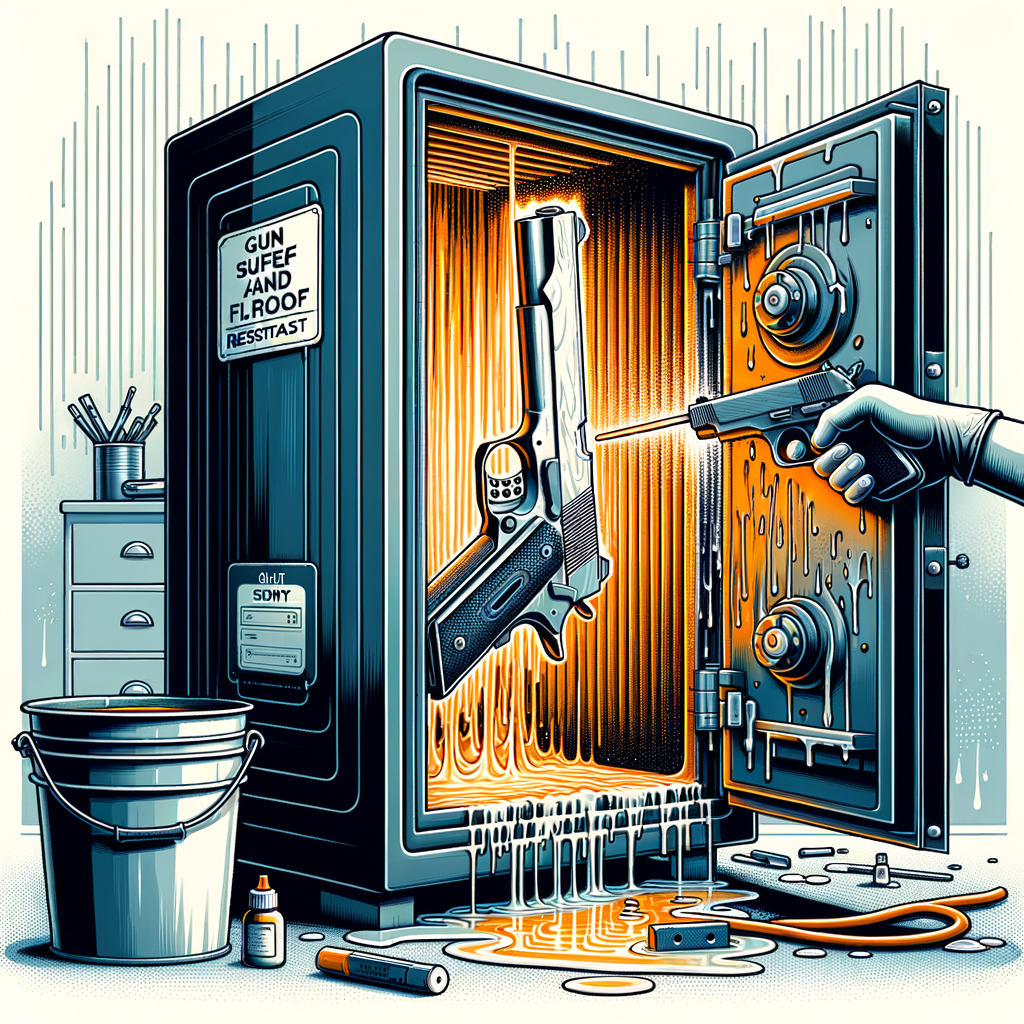
Ensuring that your gun safe is both fireproof and flood-resistant can significantly protect not only your firearms but also any important documents or valuables stored within it. Natural disasters are unpredictable, and safeguarding against them can give you peace of mind. With fire and water being two of the most destructive elements, it is critical to invest both time and resources into increasing your gun safe’s resistance to these dangers. In this guide, we will delve into the necessary considerations when selecting or upgrading your gun safe, covering crucial factors such as materials, construction, and placement. This comprehensive exploration will also provide you with actionable steps to help you address these concerns effectively, enabling you to ensure that your firearms and belongings remain safe even in the face of disastrous circumstances.
Every gun safe is not created equal when it comes to withstanding the brutal forces of fire and flooding. The process of choosing the right gun safe akin to marrying technological prowess with strategic foresight. Furthermore, reinforcing a current safe can enhance its protective features if you’re not in the market for a new one. As we embark on this extensive journey through the essentials of making your gun safe both fireproof and flood-resistant, you’ll become informed about why these factors matter and how to implement effective protective measures. Let us venture into the depths of these protective solutions to arm you with knowledge that could potentially save valuable possessions from damage or irreversible loss.
The Importance of Fireproofing Your Gun Safe
Fireproofing your gun safe is a crucial step in protecting your firearms and other contents from the devastating effects of high temperatures and flames. This involves understanding what makes a safe fire-resistant. Fireproof doesn’t mean completely impervious to fire, but it refers to the safe’s ability to withstand specific temperatures for a time frame. Usually, gun safes are UL-rated, providing an estimate of their fire resistance capabilities. These ratings indicate how long and at what temperatures a safe can endure without compromising its contents. Look for a safe that can withstand at least 1,200 degrees Fahrenheit for at least 30 minutes to ensure basic protection.
The materials used in constructing the safe play a vital role. Safes with solid steel walls combined with fire-retardant layers offer enhanced security against fire. Consider safes incorporating Advanced Fire Seals – they expand under high heat, providing additional insulation and protection against fire and smoke. Additionally, some safes are filled with fire-resistant materials that help in absorbing heat, further protecting the contents.
Selecting the appropriate location for your gun safe is part of fireproofing. Ideally, place it away from potential fire sources like kitchens or garages. Basements offer cooler environments; however, they might pose flood risks, which we will address later. Regardless of location, all surrounding materials should be non-combustible and fire-resistant to add another layer of protection. Installing smoke detectors nearby ensures that any developing fire is promptly detected, allowing for timely evacuation and safety measures.
How to Make Your Gun Safe Flood-Resistant
Flood-resistant features are equally imperative, especially for individuals residing in flood-prone areas. Water damage can ruin firearms and any documents stored within the safe. A paramount step involves seeking safes with waterproof certifications. Such ratings ensure that safes can withstand submersion or splashing without compromising their contents. A waterproof certification means the manufacturer has tested the safe against specific water exposure conditions, providing confidence in its protective abilities.
As with fire-resistance, the construction of the safe is critical in managing water damage. Many waterproof safes include rubber gaskets or seals around doors, preventing water from seeping inside. These seals ensure that, even if submerged, the contents inside remain dry. Additionally, some safes provide external coverings or shells known for their water-resistant properties. It’s crucial to differentiate between water-resistant and waterproof; the latter offers substantially more protection against water exposure.
Raising your gun safe above ground level is an effective strategy to avoid water damage during floods, especially if the safe is in a basement or a lower floor subject to flooding. Mounting the safe on a stable platform elevates it above potential flood levels. Using concrete or steel platforms offers stability and ensures that water does not enter through the bottom. Alongside physical elevation, other preventative measures include the installation of water detection alarms in proximity to the safe’s location, offering a swift warning if water levels rise unexpectedly.
Upgrading Existing Gun Safes for Better Protection
If purchasing a new safe isn’t feasible, upgrading your existing gun safe can help increase its fireproof and flood-resistant capabilities. Retrofitting options vary based on your current safe’s design and material but generally involve reinforcing existing structures. You can add fireproof insulation panels within your current safe, leaving room for ventilation while boosting fire resistance. Products like Fire Rated insulation panels are specifically designed to augment existing safe security.
Waterproof enhancements often involve sealing entry points. Applying waterproof sealants on potential leakage areas, especially around doors and edges, enhances water protection. Many sealants on the market cater specifically to metal surfaces, ensuring that your application withstands friction or external forces.
Additionally, invest in fire and waterproof bags or containers for storing particularly valuable or sensitive items inside your safe. These containers provide another protective layer, doubly fortifying these items against adverse events.
The Role of Regular Maintenance and Inspections
Regular maintenance is an often-overlooked yet vital aspect of ensuring maximum protection from fire and floods. Frequent inspections of the condition of your gun safe’s materials and seals can uncover potential weaknesses. Evaluate gaskets and seals for signs of wear, renewing them if they lose their elasticity or show cracks. Furthermore, ensure that door hinges and locking mechanisms operate smoothly, as impediments here could make the safe vulnerable or difficult to access in emergencies.
Test any alarms related to flood detection or fire regularly to ensure they function as intended. Batteries in smoke alarms should be periodically replaced, and electronic systems should undergo checks to verify their operational status. Keeping maintenance records can help track when upgrades or replacements are due, preventing lapses in protection.
Manufacturer Options and Guarantees
Selecting a reliable manufacturer with a reputation for durable, high-quality safes adds another layer of certainty. Research brands based on user reviews and ratings from trusted security organizations. Look for those offering generous warranties or guarantees, specifically covering fire and water damage. Such assurances often indicate that a manufacturer has an enduring confidence in their product’s performance and can provide you with essential customer support if necessary.
Note that many manufacturers provide maintenance advice or service packages, aligning with your existing safe’s needs. Consulting them for specific fireproofing or waterproofing recommendations can enhance your safe’s longevity and effectiveness.
Smart Technology Integration
Embracing smart technology offers futuristic solutions to making your gun safe even more secure. Smart safes equipped with sensors provide real-time data, sending alerts to your phone if temperature or humidity levels fluctuate beyond normal ranges. These insights allow you to act long before a situation escalates into a disaster. Furthermore, integrating smart locking systems with fingerprint recognition or mobile app controls ensures that access to your safe is restricted to authorized users only, preventing accidental exposure during disasters.
Especially in flood-prone areas, pairing smart technology with traditional methods of safeguarding presents an unbeatable combination. Automatic water pumps connected to flood detectors can act immediately once excess water is detected, mitigating possible damage. Though initial investments might be higher, long-term benefits undoubtedly justify the expense.
Conclusion
Fireproofing and flood-proofing your gun safe are essential steps in safeguarding what matters most to you, offering security beyond theft. By understanding the different aspects of protection against fire and water, you can ensure your belongings stay safe, regardless of the conditions outside. Opting for materials and designs that offer enhanced protection forms the cornerstone of this endeavor, while strategic placement and added technological advantages round out an effective approach.
Embarking on the journey of upgrading your existing safe with effective modifications and maintaining vigilance through regular maintenance ensures that your defenses remain robust. While cost and labor may initially seem considerable, the peace of mind provided by knowing that your valuable belongings are well-protected from fire and flood is invaluable. Additionally, aligning with trusted manufacturers and considering smart enhancements presents a modern convergence between traditional security measures and cutting-edge technology.
In conclusion, no safeguarding measure is too small when it comes to enhancing the resilience of your gun safe against fire and floods. The process begins with identifying your specific needs and vulnerabilities, subsequently aligning appropriate measures to these insights. Always keep abreast with industry innovations and never underestimate the importance of periodic inspections. Empower yourself with these actionable insights, ensuring that your investments yield preparedness in the unpredictable dance of nature’s elements. Overall, a steadfast commitment to protecting what’s important will serve you well now and in the future, providing a protective assurance you can always rely on.