
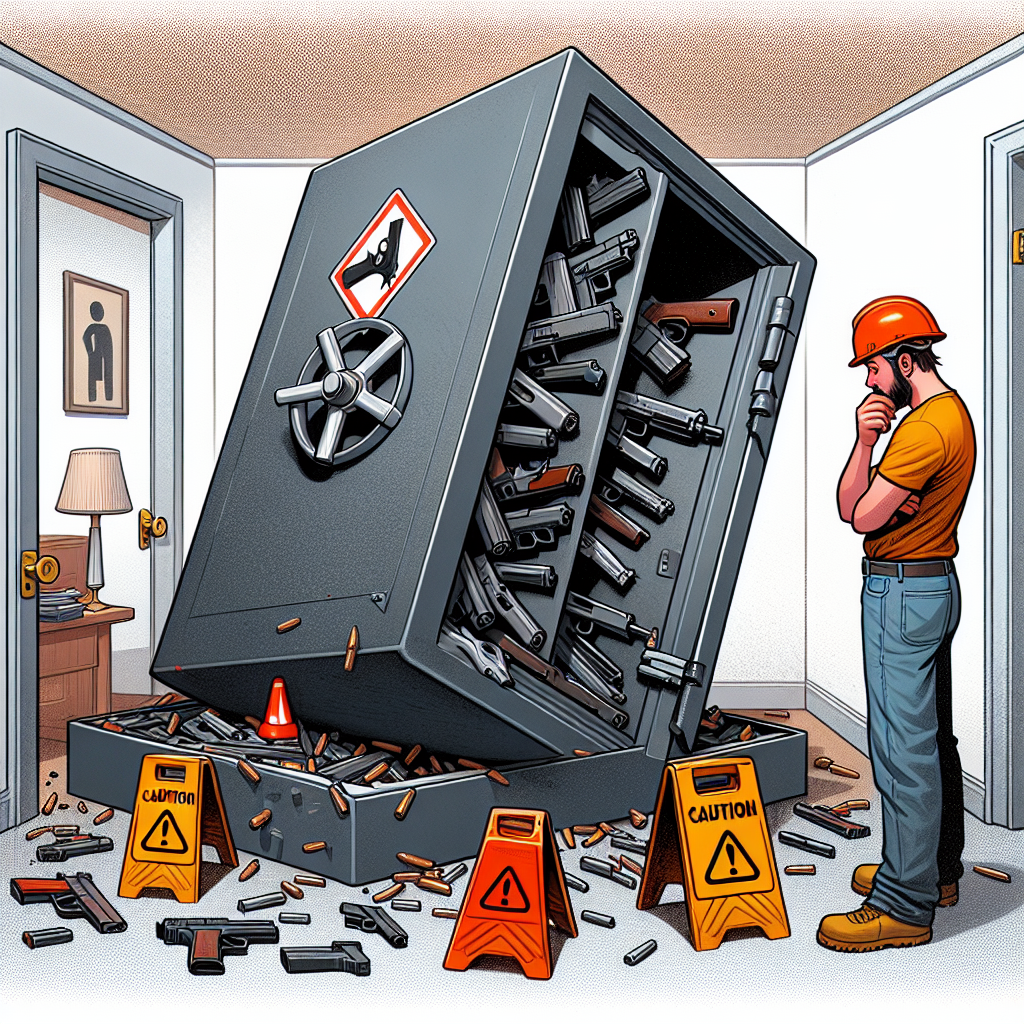
Installing a gun safe is an essential step in ensuring the safety and security of firearms. However, improper installation can potentially lead to dire consequences. While the primary focus for most is on acquiring a high-quality safe, the installation process often receives less attention than it deserves. Missteps during installation can undermine the very security and peace of mind a gun safe is supposed to provide. Sadly, the risks associated with improper installation are numerous, including theft, unauthorized access, and even accidents.
The proper installation of a gun safe involves several critical factors, including selecting the right location, securely anchoring the safe, and considering environmental conditions. Inadequate attention to these details can result in compromised security. This article delves into the dangers associated with improper gun safe installation, offering insights and guidance to ensure your firearms remain safe and secure.
Understanding the specific risks posed by incorrect installation is crucial for any gun owner. In this comprehensive guide, we’ll explore why proper installation is vital, the common mistakes people make, and practical tips for ensuring your gun safe is correctly installed. By the end of this guide, you will be equipped with the knowledge to avoid these pitfalls and maintain a secure environment for your firearms.
The importance of gun safety can’t be overstated, and it all starts with proper installation. Let’s dive into the details and explore how you can avoid the common pitfalls associated with installing your gun safe.
The Importance of Proper Installation
Proper installation of a gun safe is about more than just following manufacturer guidelines; it’s about understanding the critical role that correct placement and securing methods play in overall safety. A well-installed gun safe can significantly reduce the risks of theft and accidents. However, incorrect installation can render even the most secure gun safe ineffective.
One of the most glaring dangers of improper installation is the increased risk of theft. If a gun safe is not securely bolted to the floor or wall, it can be easily removed by burglars. A poorly installed safe can be physically carried away, making it a tempting target for thieves. Additionally, the visibility and access to the safe can also affect its security. Placing it in an easily accessible area without considering potential intrusion points can significantly compromise safety.
Another critical aspect is preventing unauthorized access, especially by children or other household members. An incorrectly installed safe that isn’t securely fastened can be toppled, posing a substantial risk of injury. Furthermore, a safe that is not adequately reinforced might lead to easy tampering, enabling unauthorized individuals to gain access to the firearms within.
Moreover, environmental factors such as humidity and temperature fluctuations can also affect the integrity of a safe’s contents. An improperly installed safe that is not adequately sealed or placed in a moisture-prone area can result in weapon corrosion and damage. Ensuring a stable, dry environment is key to maintaining the longevity and effectiveness of both the safe and its contents.
Common Mistakes in Gun Safe Installation
Despite the critical nature of gun safe installation, common mistakes abound due to various reasons, ranging from oversight to lack of knowledge. Here are some of the most frequent errors and their potential ramifications:
- Incorrect Placement: Choosing a location based on convenience rather than security is a common error. Safes placed in visible, easily accessible areas are more susceptible to theft.
- Improper Anchoring: Failing to securely bolt the safe to the floor or wall can render it easily movable by intruders.
- Ignoring Manufacturer Instructions: Many overlook the specific installation guidelines provided by manufacturers, which are crucial to ensuring the safe’s maximum security features.
- Overloading the Safe: Exceeding the safe’s weight capacity can impact its structural integrity, especially if it’s not anchored correctly, increasing the risk of tipping.
- Poor Environmental Choices: Placing the safe in areas with high humidity or temperature fluctuations can damage both the safe and its contents over time.
- Insufficient Attention to Detail: Rushing through the installation process or overlooking minor details like level flooring or proper sealing can compromise the safe’s effectiveness.
Avoiding these mistakes requires diligent planning and execution. By recognizing these pitfalls, gun owners can better understand the importance of each step in the installation process and take the necessary precautions to avoid them.
Essential Steps for Correct Installation
Proper installation involves several critical steps, each contributing to the overall security and functionality of the gun safe. Here’s a detailed guide on the essential steps to follow:
- Location Selection: Choose a location that is hidden from immediate view and difficult for intruders to access. Basements, concealed closets, or dedicated secure rooms are ideal.
- Prepare the Site: Ensure the area where the safe will be installed is level and structurally sound. This step is crucial as uneven floors can compromise the stability of the safe.
- Follow Manufacturer Guidelines: Adhere to the specific instructions provided by the safe’s manufacturer. These guidelines are designed to optimize the safe’s security features.
- Proper Anchoring: Utilize appropriate hardware to anchor the safe securely to the floor and/or wall. This helps prevent removal of the safe by force.
- Environmental Considerations: Ensure the safe is placed in a dry, stable environment. Use dehumidifiers if necessary to prevent moisture buildup, which could damage the safe and its contents.
- Load Management: Avoid overloading the safe by balancing the weight of its contents. This ensures the safe remains stable and secure.
- Regular Maintenance: Periodically check the safe’s integrity and anchoring mechanisms to ensure continued security.
By diligently following these steps, gun owners can maximize the security and effectiveness of their gun safes, ensuring their firearms remain protected.
Tools and Resources Required
Installing a gun safe correctly requires specific tools and resources, which vary depending on the safe model and installation location. Here’s a general list of what you might need:
- Anchoring Tools: Heavy-duty bolts, screws, and anchors suitable for the safe’s weight and the installation surface (e.g., concrete, wood).
- Drilling Equipment: A power drill with appropriate drill bits for creating holes for the anchoring hardware.
- Level: To ensure the safe is installed on a flat, even surface, preventing any tilt that can compromise stability.
- Moisture Control: Dehumidifiers or desiccants to maintain a dry environment inside the safe.
- Measuring Tools: Tape measure and ruler to accurately plan and execute the placement and alignment of the safe.
- Protective Gear: Safety gloves and glasses to protect oneself during the installation process.
- Manufacturer Instructions: Detailing the specific installation requirements of the safe model.
Having these tools and resources on hand before beginning the installation process can facilitate a smooth and effective setup. Adequate preparation and the right equipment are key to ensuring that your gun safe installation is secure and reliable.
Expert Assistance and Professional Services
While many gun owners might attempt to install their safes themselves, seeking professional assistance can provide additional assurance of a secure installation. Here are some benefits of opting for expert services:
- Experience and Expertise: Professionals who specialize in safe installation have the knowledge and experience to avoid common pitfalls and ensure a secure setup.
- Proper Tools and Equipment: Installation experts come equipped with the necessary tools and equipment, ensuring all aspects of the installation are handled appropriately.
- Time-Saving: Professionals can complete the installation more efficiently, saving you time and effort.
- Enhanced Security: Expert installers can provide advice on optimal placement and additional security measures that might not be apparent to DIY installers.
- Warranty and Support: Many professional services offer warranties on their installation work, providing peace of mind and support in case any issues arise post-installation.
Although DIY installation might be appealing to some, the benefits of professional installation often outweigh the cost considerations. Ultimately, securing firearms safely is paramount, and professional assistance can ensure this goal is effectively met.
Conclusion
The importance of correctly installing a gun safe cannot be overstated. Proper installation not only prevents theft and unauthorized access but also ensures the safe remains a secure and stable storage solution. The dangers of incorrect installation, including increased risk of theft, potential accidents, and environmental damage, highlight the need for careful planning and execution.
By understanding the common mistakes and adhering to essential installation steps, gun owners can significantly improve the security of their firearms. Whether opting for DIY installation or seeking professional assistance, being informed and prepared is key to successful and secure gun safe installation.
Remember, the safety and security of your firearms start with the correct installation of your gun safe. Don’t underestimate the importance of this process, as it plays a crucial role in protecting both your firearms and your household. Ensuring that your safe is properly installed provides peace of mind and upholds responsible gun ownership standards.