
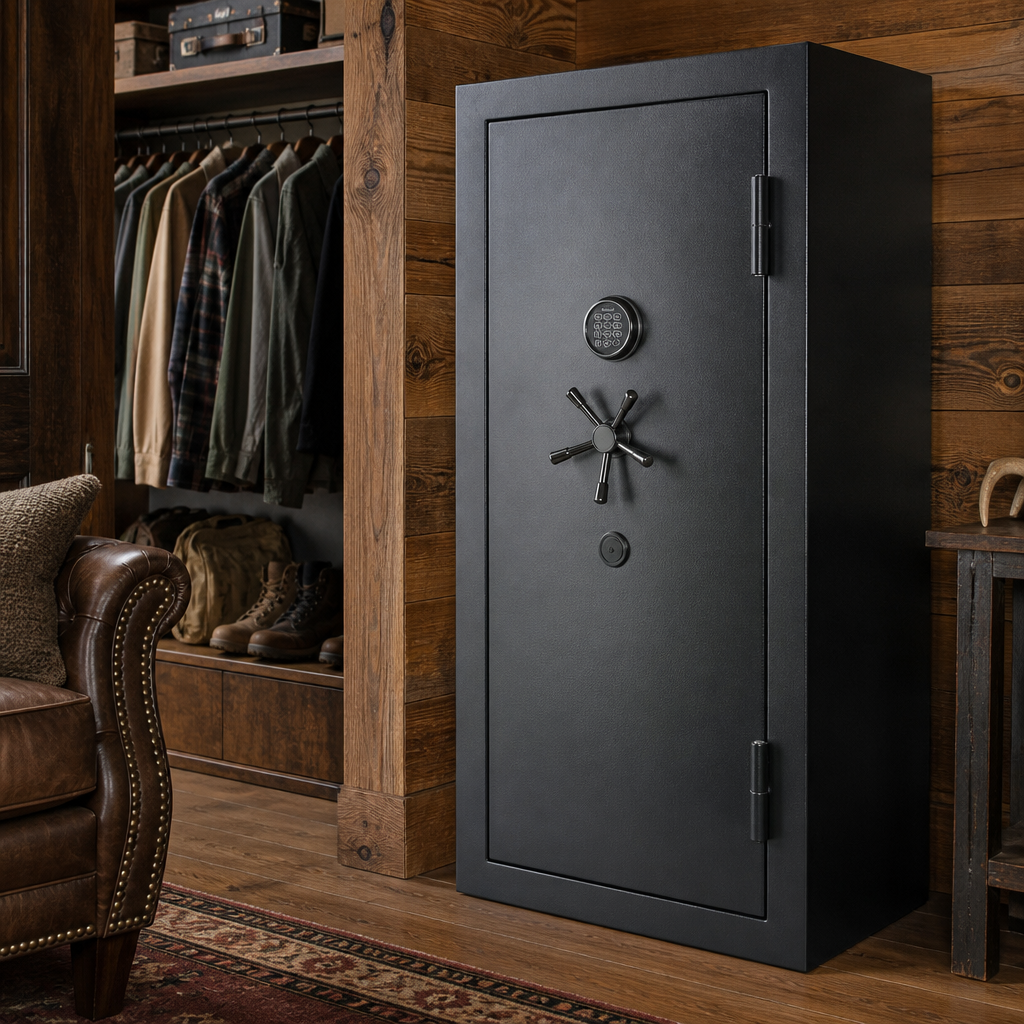
Choosing a gun safe is ultimately a decision about risk management, and the Winchester Evolution 55 stands out because it addresses the two threats owners worry about most: fire and theft. Within the broader Gun Safes & Safety category, product reviews help buyers cut through marketing language and compare construction, lock options, capacity claims, certifications, and long-term usability. As the hub for that review subtopic, this article examines what the Winchester Evolution 55 is, how its protection features work in real use, and why it deserves attention from collectors, hunters, competitive shooters, and households storing both firearms and valuables. A gun safe is not just a steel box. It is a layered security system built from body steel, door thickness, locking bolts, relockers, fire insulation, seals, hinges, anchoring points, and interior organization. The Evolution 55 belongs to the large-capacity residential security container class, built to secure dozens of long guns while also protecting documents, optics, handguns, and heirlooms. Understanding how those layers work matters because advertised capacity and branding alone never tell the whole story.
In my experience evaluating safes for mixed-use firearm storage, buyers usually start with size and finish, then realize the more important questions involve pry resistance, lock reliability, interior flexibility, and realistic fire performance. Those issues matter even more when a safe becomes the central storage solution for an entire household or serious collection. The Winchester Evolution 55 is frequently considered by owners who want one flagship safe instead of several smaller cabinets. That raises the stakes on product review criteria. A proper review should explain not only features, but also tradeoffs: how capacity changes with scoped rifles, whether upgraded interiors reduce usable space, how delivery affects ownership cost, and why an anchored residential security container performs very differently from an unbolted one. This hub article covers those fundamentals in plain language, while positioning the Evolution 55 among the key questions every gun safe shopper should ask before buying, installing, and relying on a large fire-rated safe.
What the Winchester Evolution 55 Is Designed to Do
The Winchester Evolution 55 is designed as a premium, large-format gun safe for residential firearm storage with an emphasis on higher-end fire protection, anti-theft construction, and upgraded interior organization. The number 55 generally signals its long-gun capacity class, though every experienced safe owner knows published capacity assumes slim rifles without large optics, bipods, slings, or offset accessories. In practical terms, that means a collection of AR-pattern rifles, precision rifles with larger scopes, and shotguns with extended controls will reduce real capacity. Even so, the Evolution 55 targets users who need broad storage flexibility: dedicated rifle racks, shelving for handguns and documents, and enough cubic space to consolidate several categories of valuables in one place.
Its role in the market sits above entry-level cabinet solutions and basic big-box-store safes. Buyers considering the Evolution line are generally looking for thicker steel, stronger bolt engagement, more sophisticated fire lining, and a more refined interior than lower-tier alternatives. Winchester has long recognition in the firearms market, but brand familiarity should never replace feature verification. What makes the Evolution 55 notable is how it combines a large footprint with security details that affect actual break-in resistance, such as reinforced doors, multiple locking bolts, internal hinges or protected hinge-side construction depending on configuration, and lock systems intended for repeated use over many years. For a sub-pillar hub on gun safe product reviews, this model represents the type of safe that invites deeper comparison because it sits in the space where buyers expect meaningful protection, not just basic deterrence.
Fire Protection: How the Evolution 55 Earns Attention
Fire protection is often the first headline feature shoppers see, but it is also the most misunderstood. A fire rating is not a universal guarantee that contents will survive any house fire. It reflects a test condition tied to temperature, duration, seal performance, and the safe’s ability to keep internal temperatures below damage thresholds for paper and, in some cases, more sensitive items. The Winchester Evolution 55 gets attention because it is marketed around serious fire defense, typically including extended fire ratings, multiple layers of fireboard, heat-expanding door seals, and robust door construction. Those details matter because fire protection depends on a system rather than one component.
In real-world ownership, the valuable question is not “Does it have a fire rating?” but “How credible is the full fire protection package?” A large body of insulation slows heat transfer. Palusol-style expanding seals help block smoke and heat around the door gap. Tight door fitment improves performance. Elevated interiors or composite layering can further help in severe conditions. Based on what I look for during product evaluations, the Evolution 55 fits the profile of a safe built for people who want stronger-than-average residential fire resistance, especially for storing paper records, backup drives in secondary protected containers, tax documents, suppressor paperwork, passports, jewelry, and sentimental items alongside firearms. Still, no gun safe should be treated as the best place for irreplaceable digital media by itself; media safes use lower internal temperature standards because electronics and data fail well before paper chars.
Theft Protection and Physical Security Features
Theft protection starts with steel thickness and continues through the entire attack path. On a large safe like the Winchester Evolution 55, the main threats in a home burglary are pry attacks on the door, attempts to tip the safe and attack weak points, lock punching or manipulation, and rapid removal of an unanchored unit using dollies or leverage tools. The Evolution 55’s appeal comes from combining heavy overall mass with a reinforced door, multiple locking bolts, and anti-pry features designed to spread force across the frame. That matters because many residential burglaries are short-duration crimes. A safe that significantly slows entry often defeats the attack simply by consuming time and increasing noise.
Anchoring is critical. I have seen buyers spend thousands on a premium safe and then treat bolting it down as optional. That is a mistake. A large residential security container becomes dramatically more secure when anchored into a proper concrete slab or an engineered floor system installed to manufacturer guidance. Without that step, even a very heavy safe can sometimes be tipped, dragged, or attacked from angles that are far harder to access when it is fixed in place. The Evolution 55 is best understood as part of a full theft-resistance plan: alarmed home, discreet placement, anchored installation, limited visibility from exterior windows, and sensible control of access codes or keys.
| Feature | Why It Matters | What Buyers Should Verify |
|---|---|---|
| Door bolts | Increase resistance to pry attacks and forced entry | Number of bolts, bolt diameter, active versus fixed sides |
| Fire seals | Expand during heat exposure to reduce smoke and heat intrusion | Type of seal, placement around door frame, warranty details |
| Lock type | Determines speed of access, battery dependence, and service needs | UL listing, keypad quality, mechanical backup availability |
| Body construction | Affects cutting resistance, rigidity, and overall durability | Steel gauge, composite layers, door thickness specifications |
| Anchor points | Prevents tipping, dragging, and easier pry access | Hole placement, included hardware, floor compatibility |
| Interior layout | Controls real storage capacity and daily usability | Adjustable shelves, handgun storage, scoped rifle spacing |
Lock Options, Daily Use, and Long-Term Reliability
A gun safe can have excellent steel and insulation, but if the lock is frustrating or unreliable, ownership suffers quickly. The Winchester Evolution 55 is typically offered with modern lock choices that may include electronic keypad systems and, in some cases, mechanical dial alternatives depending on dealer configuration. Buyers need to choose based on use pattern rather than trend. Electronic locks provide faster access, easier code changes, and convenience for households that open the safe regularly. Mechanical dial locks are slower but remain valued for simplicity, no battery dependence, and a long service history when sourced from established lock makers.
From hands-on experience with large home safes, the practical issue is not just opening speed. It is consistency under routine use. Keypads should have firm tactile response, protected battery compartments, and a track record of reliability from recognized manufacturers. A relocker mechanism is important because it can trigger if the lock is attacked. Handle action should feel smooth, with no scraping or excessive force required to throw bolts. Door weight should inspire confidence without making access unpleasant. If a safe is difficult to operate, people cut corners, and unsafe temporary storage habits follow. The Evolution 55 earns points when configured with a reputable lock and installed correctly so the door remains square and the boltwork stays aligned over time.
Interior Capacity, Organization, and Realistic Storage Planning
Capacity claims sell safes, but interior management determines whether owners stay satisfied after the first year. The Winchester Evolution 55 is attractive because it offers the scale to organize more than just long guns. A serious review has to ask how that space performs when collections evolve. Scoped bolt guns consume more width than advertised. AR rifles with mounted lights, magnified optics, and slings tangle quickly if spacing is too tight. Pistol racks, door organizers, adjustable shelves, and barrel rests can transform the user experience by reducing clutter and preventing finish wear on firearms stored close together.
For many households, the best use of a 55-class safe is hybrid storage. One side can hold long guns; another can carry removable shelves for ammunition in modest quantities, documents, optics, range logs, hearing protection, and boxed handguns. Owners should be careful with ammunition weight, however, because overloading shelves creates avoidable strain, and storing very large quantities may be better handled in a separate, appropriately planned solution. Humidity control also matters. A safe of this size benefits from a dehumidifier rod or desiccant management, particularly in humid climates or basements. Interior upholstery and lighting are quality-of-life upgrades, but moisture control is a core preservation issue, especially for blued steel firearms, wood stocks, and paper records.
Installation, Placement, and Hidden Costs of Ownership
The purchase price of the Winchester Evolution 55 is only part of the ownership equation. Large safes introduce logistical realities that every honest product review should address: freight delivery, inside placement, stair limitations, floor load considerations, anchoring hardware, electrical access for lights or dehumidifiers, and possible door removal during installation. A safe in this class can weigh hundreds of pounds more than buyers expect, and that weight is beneficial for security but challenging for placement. Ground-floor concrete locations are generally ideal because they simplify anchoring and reduce structural concerns. Upstairs installation may be possible in some homes, but it should be reviewed against joist design, load distribution, and installer guidance.
Placement affects both security and survivability. A garage may offer easy delivery, but it can expose the safe to humidity swings and easier visibility during open-door periods. A master closet offers concealment but may have tighter access and weaker flooring. A basement can be discreet and stable, yet water exposure risk must be evaluated. I advise buyers to think in terms of layered compromise: concealed, climate-aware, anchorable, and accessible enough that they will actually use the safe correctly every day. The Evolution 55 performs best when treated as permanent infrastructure, not a movable appliance.
How the Evolution 55 Compares Within Product Reviews
As a hub article for gun safe product reviews, this model helps define what serious buyers should compare across brands. The Winchester Evolution 55 is compelling when your priority is a large-capacity safe that places equal emphasis on fire and theft protection instead of sacrificing one for the other. Competing models from Liberty, Browning, Fort Knox, Hollon, Rhino Metals, and Steelwater may offer stronger steel in some trims, different interior systems, or alternate lock packages. The correct comparison is not brand versus brand in the abstract. It is specification versus specification at a given price point, including delivery and installation.
For example, some safes advertise very high gun counts but provide limited room for optics-heavy modern rifles. Others emphasize thick doors while using thinner bodies. Some offer excellent interiors but shorter fire durations. Others excel in custom options but at substantially higher cost. The Evolution 55 should be evaluated as a balanced package: substantial fire protection, meaningful anti-theft design, strong usable volume, and the convenience features expected in a premium residential safe. That balance is why it works so well as a central reference point for this review hub. If a shopper learns how to assess this safe properly, they will also know how to evaluate almost any competing gun safe on the market.
The Winchester Evolution 55 earns its reputation by addressing the two problems that matter most in residential firearm storage: keeping intruders out and keeping destructive heat away from valuables long enough to make a difference. It is not a magic box, and no safe should be bought on capacity claims or branding alone. The real value lies in its layered design: serious fire insulation, expanding seals, reinforced construction, reliable lock options, broad interior flexibility, and the mass to discourage quick removal. When anchored properly and placed intelligently, it becomes a strong cornerstone for a household gun safety plan.
For readers exploring Gun Safes & Safety product reviews, the biggest takeaway is this: review safes the way professionals do. Look past marketing photos and ask about steel, boltwork, lock listing, fire test details, interior realism, humidity management, and installation requirements. The Evolution 55 stands out because it gives buyers a credible mix of those qualities in one large-format safe. If you are building a shortlist, use this model as your benchmark, then compare competing safes line by line before you buy. That approach leads to a safer home, better firearm preservation, and fewer regrets after delivery day.
Frequently Asked Questions
What makes the Winchester Evolution 55 stand out for fire and theft protection?
The Winchester Evolution 55 stands out because it focuses on the two risks that matter most to gun owners: keeping unauthorized people out and protecting firearms and valuables during a house fire. Many safes advertise one strength more heavily than the other, but this model is designed to balance both. On the theft side, buyers typically look at steel thickness, door construction, locking bolt coverage, pry resistance, and the overall integrity of the body and frame. A safe can look impressive from the outside, but what really matters is how well it resists forced entry attempts at the door edges, hinges, and lock area. The Evolution 55 earns attention because it is built as a serious residential security container rather than a lightweight cabinet dressed up with premium branding.
On the fire-protection side, the appeal comes from the fact that the safe is marketed to preserve contents during the kind of home fire events that destroy ordinary storage units. Fire ratings, insulation materials, expanding door seals, and the amount of time the safe can maintain survivable internal temperatures are all critical factors when comparing models. For many buyers, the Evolution 55 becomes attractive because it offers a strong combined value proposition: substantial storage, a robust locking system, and fire resistance designed for real-world emergencies. In practical terms, that means owners are not just paying for capacity; they are paying for a safe that is intended to preserve access to their firearms and protect documents, optics, ammunition-related accessories, and other important items when conditions become extreme.
How much can the Winchester Evolution 55 really hold, and should buyers trust the stated capacity?
Like most large gun safes, the Winchester Evolution 55 uses a published capacity number that should be treated as a best-case estimate rather than a guarantee of real-world fit. In the safe industry, capacity claims are often based on tightly packing slim, traditionally stocked long guns without optics, slings, bipods, extended magazines, oversized bolts, or modern chassis systems. In reality, many owners store AR-style rifles, scoped hunting rifles, shotguns with accessories, handguns, documents, and jewelry all in the same safe. Once those items are added, the practical usable capacity usually drops below the headline number.
That does not mean the Evolution 55 is misleading; it means buyers need to interpret the number correctly. A safe in this size class is generally a strong choice for someone with a growing collection, multiple long guns, and a desire to keep important items centralized in one secure location. Adjustable shelving and interior organization matter just as much as raw cubic space, because flexible storage lets owners configure the interior around their actual collection rather than around a catalog image. If someone currently owns 20 to 30 firearms and expects that number to increase, a model like the Evolution 55 may offer the breathing room needed to avoid immediately outgrowing the safe. As a general rule, it is wise to buy larger than current needs suggest, because accessories and spacing requirements consume interior room quickly.
What should buyers evaluate besides marketing claims when reviewing the Winchester Evolution 55?
Beyond branding and promotional language, serious buyers should examine the measurable features that determine long-term value and actual security. Start with the lock type. Electronic locks offer fast access and convenience, while mechanical locks appeal to buyers who prefer a time-tested, battery-free system. The right choice depends on how often the safe will be opened, whether quick access matters, and the owner’s comfort with electronic components. Next, look at the safe’s construction details: body steel, door thickness, internal reinforcement, bolt configuration, relocker features, and how tightly the door mates with the frame. These elements tell you far more about theft resistance than cosmetic details like paint, handle style, or interior lighting.
Fire protection should also be reviewed with a critical eye. Buyers should consider not just the advertised temperature and duration, but also whether the safe includes a heat-expanding seal, how the fire insulation is integrated, and whether the rating aligns with likely residential fire scenarios. Interior usability is another major factor. A safe can have excellent specs on paper but still frustrate owners if shelves are awkward, handgun storage is limited, or door organizers interfere with scoped rifles. Finally, think about weight and installation. Heavier safes are usually harder to remove and often feel more substantial in use, but they also require planning for delivery, floor support, and anchoring. The best review of the Winchester Evolution 55 is one that treats it as a complete ownership decision, not just a list of advertised features.
Is the Winchester Evolution 55 a good choice for long-term ownership and everyday use?
For many buyers, yes. The Winchester Evolution 55 is especially appealing for long-term ownership because it addresses both immediate security concerns and future storage needs. A gun safe is not a product most people want to replace every few years, so usability over time matters just as much as initial protection. In daily use, owners benefit from a safe that opens reliably, has a sensible interior layout, and provides enough room to avoid overcrowding. A cramped safe becomes harder to use safely and can increase the risk of bumping optics, scratching finishes, or storing items in ways that make access slower and less organized.
Long-term value also comes from how well the safe adapts as a collection changes. Someone may begin by storing a handful of rifles and a few documents, but eventually add handguns, suppressor-related accessories where legally applicable, heirlooms, passports, cash, and digital backups. A larger safe with configurable shelves and a sturdy interior setup tends to age better with the owner’s needs. The Evolution 55 fits that kind of ownership model because it is positioned as more than a basic entry-level unit. Assuming it is properly installed, anchored, and maintained, it can serve as a durable part of a household security plan for many years. That makes it a strong option for buyers who want to think beyond today’s collection and invest in a safe that remains useful as responsibilities and storage demands grow.
How should the Winchester Evolution 55 be installed to maximize its security and protection?
Installation is a major part of the safe’s real-world performance, and even an excellent safe can be undermined by poor placement. The first priority is choosing a location that balances concealment, structural support, and accessibility. Ideally, the safe should sit on a solid surface that can support its loaded weight, since large safes become significantly heavier once firearms, ammunition-related gear, and valuables are added. Ground-floor concrete is often preferred because it simplifies anchoring and reduces floor-load concerns, but many homes can also accommodate a large safe on framed floors if weight is properly evaluated. Buyers should not guess here; if there is uncertainty, professional guidance is worth it.
Anchoring is essential for theft resistance. One of the simplest ways burglars defeat residential safes is by tipping or removing them and attacking them elsewhere with more time and better tools. Bolting the Evolution 55 down greatly reduces that risk and makes prying attacks more difficult. Placement also matters strategically. Installing the safe in a corner, alcove, or closet can limit access to its sides and rear, which helps reduce leverage points for forced entry attempts. Environmental protection is important too. If the safe will be used to store firearms long term, owners should think about humidity control, dehumidifiers, and avoiding damp areas where corrosion can become a problem. In short, the Winchester Evolution 55 performs best when treated as part of a complete security system: properly located, professionally delivered if necessary, firmly anchored, and set up to preserve both the safe and its contents over the long run.