
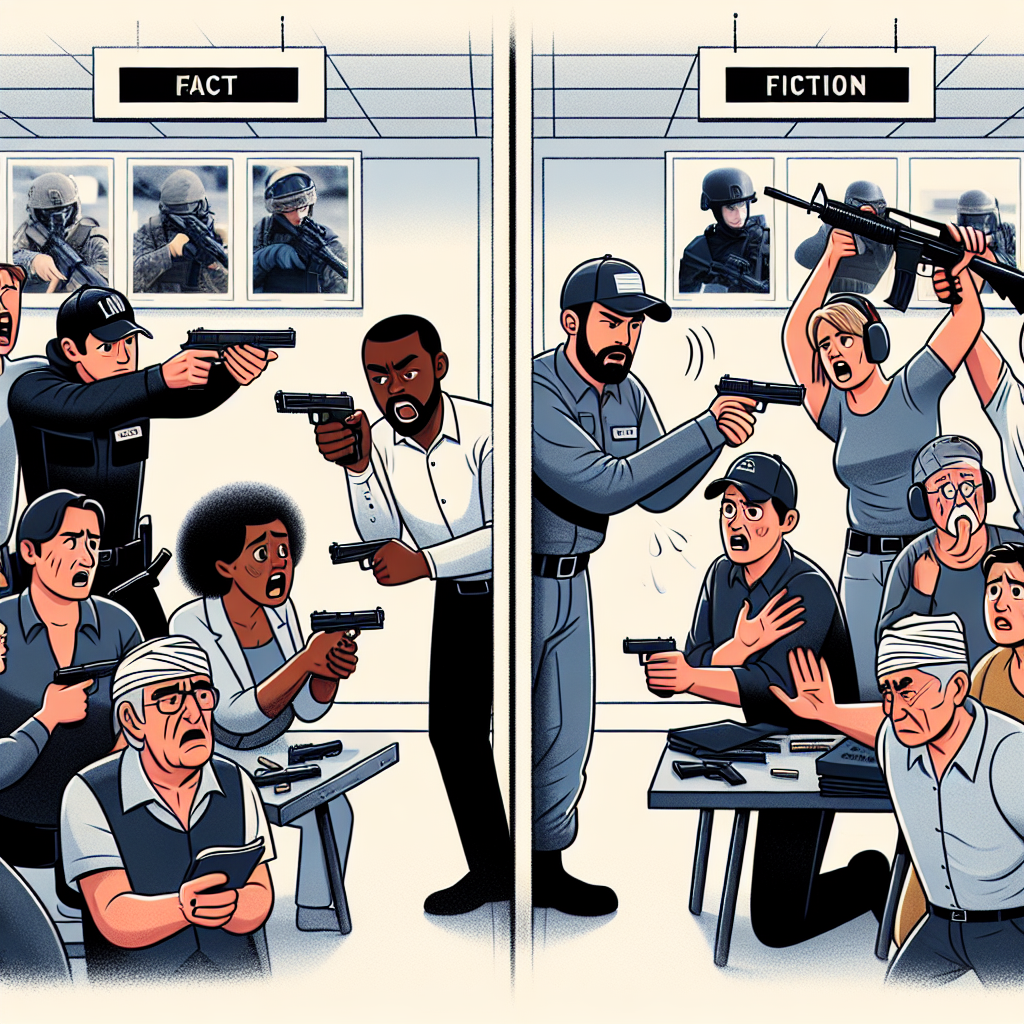
Hollywood has long been fascinated with the portrayal of guns and the often intricate and thrilling scenarios surrounding their use. These portrayals, however, often distort the reality of gun safety practices in favor of dramatic effect. Distinguishing between what we see on the silver screen and what is actually important for responsible gun ownership and safety is crucial for both gun owners and the general public. This article aims to unravel the misconceptions about firearm safety perpetuated by movies and provide advanced safety practices that must be adhered to in real life.
While movies tend to glamorize the use of firearms, showcasing them as powerful tools for heroes and villains alike, they often neglect the critical aspects of gun safety. The entertainment industry’s misrepresentation can lead to misunderstandings that, in the worst-case scenario, may contribute to unsafe gun handling and accidents.
Understanding the importance of gun safety cannot be overstated. Whether you’re a seasoned gun owner or a novice interested in self-defense, hunting, or sport shooting, adherence to proper gun safety practices protects not only you but those around you. This article will highlight the stark differences between gun safety in films and real life and provide expert tips for maintaining the highest safety standards.
The Illusion of Hollywood: Fictional Gun Safety Practices
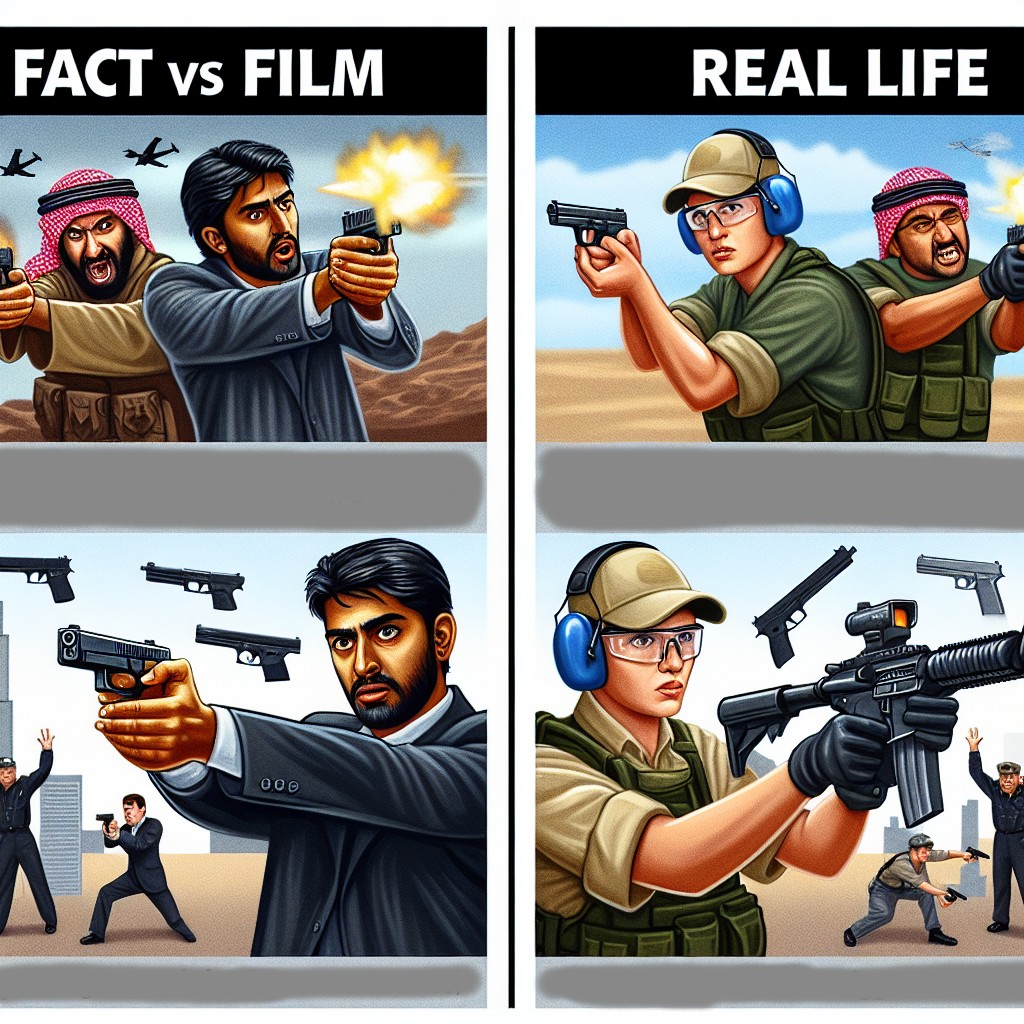
The depiction of firearms in films and television shows often bends reality to the point of breaking. Characters rarely follow any established rules of firearm safety. For instance, you’ll seldom see a character checking the chamber or magazine to confirm whether a gun is loaded. They often aim weapons at people with their fingers on the trigger, a flagrant violation of essential safety guidelines.
The lack of ear protection in most scenes featuring gunfire further distances Hollywood from reality. In an enclosed space, the sound of a single gunshot can cause permanent hearing damage, something rarely depicted. Many films also portray silencers as almost completely muffling the sound of gunfire, while in reality, suppressors merely lower the decibel level to a less harmful range—without eliminating sound entirely.
Another glaring misrepresentation is the ease with which characters can shoot with precision, often while running or performing complex maneuvers. In reality, accurate shooting requires focus, steady breathing, and a stable stance, none of which is possible while sprinting or flipping through the air.
The 4 Cardinal Rules of Gun Safety
Real-life gun owners and handlers cannot afford to treat firearms with the casual disregard often seen in films. The following four cardinal rules of gun safety serve as the bedrock principles for responsible firearm usage:
- Treat every firearm as if it is loaded: Assume a gun is loaded at all times, even when you believe it isn’t. This mindset creates a habit of cautious and circumspect handling.
- Never point a firearm at anything you are not willing to destroy: This rule eliminates the potential for accidental harm. The muzzle should always be directed in a safe direction, even when performing routine tasks like cleaning the gun or practicing dry fire drills.
- Keep your finger off the trigger until your sights are on target and you are prepared to shoot: This rule is often flagrantly ignored in films but is fundamental. Your trigger finger should rest along the side of the frame until you’re ready to fire.
- Be sure of your target and what is beyond it: Bullets can penetrate targets and continue to travel. Knowing what’s beyond your target is critical to ensuring no unintended harm occurs.
These foundational rules are ingrained in every responsible gun owner’s practices and form the first line of defense against accidents and mishaps.
Advanced Safety Practices for Gun Owners
Beyond the cardinal rules, advanced safety practices add layers of protection for gun owners. One of the most effective practices is keeping the firearm securely stored in a gun safe when not in use. High-quality gun safes provide not only theft prevention but also unauthorized access deterrence, making them a must-have for any responsible gun owner.
Regular maintenance and cleaning are also crucial. A well-maintained firearm operates reliably, reducing the risk of malfunction that could lead to accidental discharge. Proper cleaning involves ensuring all parts are in working order and free from obstructions that could affect the firearm’s performance.
Another advanced practice is continuous education and training. Numerous classes and courses available to gun owners focus on safety, marksmanship, and situational awareness. The importance of ongoing training cannot be overstressed, as proficiency and familiarity with your firearm contribute to safer handling.
Implementing technology, such as smart gun safes with biometric locks or other advanced locking mechanisms, adds an extra layer of security. These devices ensure that only authorized users can access the firearm, providing peace of mind and an additional barrier to accidental misuse.
Advanced Situational Awareness and Decision Making
Situational awareness is a critical component of firearm safety that goes beyond just handling the gun. It involves being acutely aware of your environment and potential threats, allowing for the prudent assessment of risks and making informed decisions.
Training in situational awareness helps gun owners recognize the importance of understanding the dynamics of their surroundings. This includes knowing the layout of a space, identifying potential hazards, and maintaining a heightened state of vigilance, particularly in unfamiliar or potentially dangerous situations.
Decision-making under stress is another area where advanced training is beneficial. Responsible gun owners must know when and how to use their firearm, and equally as important, when not to. Courses that simulate real-life scenarios, such as active shooter situations or home defense scenarios, provide invaluable experience in making split-second decisions that can have profound consequences.
Understanding the legal implications of using a firearm is also part of this advanced situational awareness training. Knowing the laws and regulations in your jurisdiction, including what constitutes justified use of force, ensures that gun owners remain within legal boundaries while protecting themselves and others.
Safe Range Practices and Handling
Shooting ranges provide an essential environment for practicing firearm proficiency. However, they also require strict adherence to safety protocols to ensure the well-being of all participants. Safe range practices start with proper handling and extend to a series of disciplined actions that contribute to a secure environment.
One of the primary rules at any shooting range is adhering to the commands and guidelines set by range officers. These individuals are trained to maintain safety and order, and their instructions must be followed without exception. Understanding and respecting range rules, such as loading and unloading firearms only at designated areas, ensures a safe shooting experience.
Personal protective equipment, including ear and eye protection, is mandatory at most ranges and should never be neglected. Ear protection mitigates the risk of hearing damage from repeated exposure to gunfire, while eye protection guards against debris and other hazards.
When it comes to handling firearms at the range, disciplined behavior is paramount. This includes keeping the firearm pointed downrange at all times, performing safety checks before and after shooting, and ensuring the firearm is unloaded when not in use. Following these practices minimizes the risk of accidental discharges and injuries.
Importance of Teaching Gun Safety to Others
One of the most impactful ways to enhance firearm safety is through education. Responsible gun owners should make it a priority to teach gun safety to family members, particularly children. Knowledge and understanding replace fear and curiosity with respect and caution.
Start by educating children on the basic rules of gun safety, emphasizing that firearms are not toys and should never be handled without adult supervision. Using age-appropriate language and concepts is crucial for effective communication. Reinforce these lessons regularly, ensuring that the information is retained and respected.
Include practical demonstrations and supervised handling sessions for older children and adolescents to demystify firearms and provide hands-on experience in a controlled, safe environment. Emphasizing the gravity and responsibility that comes with handling a gun instills a lifelong respect for gun safety practices.
Community outreach and participation in gun safety programs can also make a significant difference. Joining or volunteering with local organizations that promote firearm safety, attending seminars, and participating in community events help spread awareness and promote a culture of responsible gun ownership.
Conclusion: Bridging the Gap
The portrayal of firearms in films often diverges significantly from the realities of gun safety. While Hollywood provides entertainment and dramatization, it is essential for real-life gun owners to understand and adhere to stringent safety practices to prevent accidents and promote responsible gun use.
The four cardinal rules of gun safety establish a robust foundation, upon which advanced practices such as proper storage, regular maintenance, continuous education, and situational awareness build. Safe range practices and the dedication to teaching others about firearm safety further solidify these principles.
By bridging the gap between the fictional Hollywood portrayal and the real-life responsibilities of gun ownership, we foster a safer environment for ourselves and those around us. Responsible firearm handling and adherence to safety protocols are paramount in ensuring that the use of guns remains a tool for protection and sport, devoid of the negligence often depicted on screen.