

Owning a firearm can be a multifaceted experience. While for many it offers a sense of security and empowerment, it can also carry complex psychological implications. Whether you’re a gun enthusiast, a first-time buyer, or someone concerned about the societal effects of firearm ownership, understanding the psychological impact is crucial. This article delves into the emotional and mental health aspects associated with owning a gun, offering insights grounded in research and expert opinion.
In the United States, firearms are deeply interwoven with cultural identities. For some, guns are symbolic of freedom and self-reliance; for others, they are stigmatized and feared. This complex dynamic can lead to a range of psychological reactions among gun owners and those around them, influenced by personal experiences, societal narratives, and legislative environments.
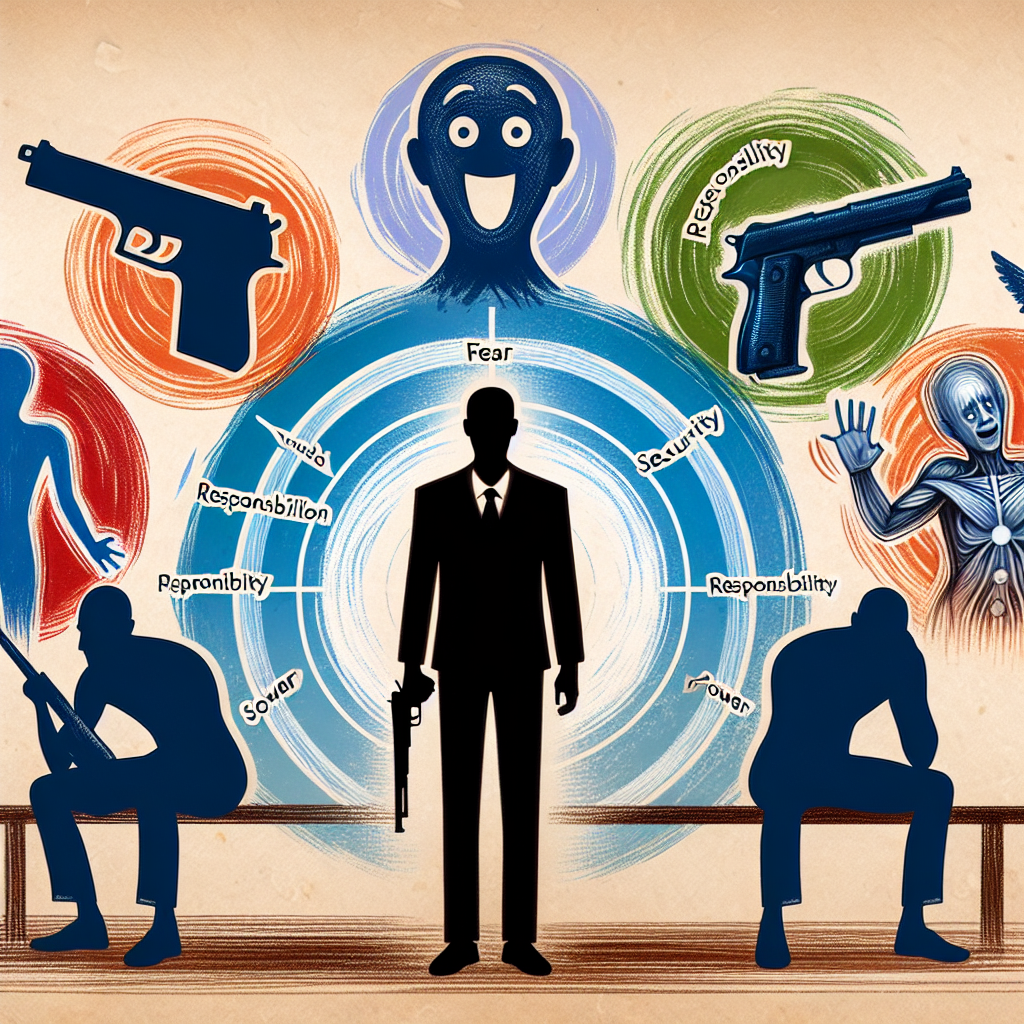
The act of owning a firearm also tends to amplify existing emotions and psychological states. It can provide peace of mind but also introduce anxiety, fear, and even a heightened sense of responsibility. While incidents involving firearms often garner significant media attention, altering perceptions and creating emotional responses, the day-to-day psychological effects are generally less discussed.
By examining the various facets of owning a firearm, from the initial decision to purchase one to the ongoing responsibility of ownership, this article aims to provide a balanced understanding of the psychological landscape surrounding gun ownership.
The Psychological Benefits of Owning a Firearm
Many gun owners report positive psychological benefits. Chief among these is an enhanced sense of security. Given the constant backdrop of societal violence and crime reported in the media, owning a firearm can provide a counteracting sense of control and defense.
For individuals living in high-crime areas or those who have been victims of crime, owning a gun can reduce feelings of vulnerability. This sense of personal empowerment allows them to feel more in control of their own safety, fostering an improved sense of well-being.
Additionally, recreational shooting and hunting are activities that many gun owners find therapeutic. These hobbies offer a sense of community and belonging, which can counteract feelings of loneliness and isolation. The discipline and focus required for target shooting or hunting can also provide a mental escape, similar to the benefits gained from meditation or exercise.
It’s important to note, however, that these benefits are highly subjective. The extent to which they are experienced can vary widely among individuals, influenced by personal history, psychological makeup, and varying circumstances.
Emotional and Psychological Risks
While owning a firearm can offer certain psychological benefits, it also carries significant emotional and psychological risks. Owning a gun can exacerbate feelings of anxiety and fear, particularly if the owner is already prone to such emotions.
One of the most pressing concerns is the risk of accidental injury or death, which is a continuous source of stress for many gun owners. The psychological burden of ensuring safe storage and handling of the firearm can lead to an ongoing state of vigilance, which can contribute to chronic stress and anxiety.
Furthermore, the presence of a firearm in the home can heighten the risk of suicide. Studies have shown that the likelihood of a fatal suicide attempt increases significantly when a firearm is available. Ongoing research has been focusing on understanding how the accessibility of firearms can impact mental health in this context.
Lastly, there is the potential for a negative emotional impact on family members, particularly children. The constant presence of a firearm in the household can alter the psychological environment, sometimes leading to fear or anxiety among non-gun-owning family members.
Impact on Relationships and Social Interactions
Owning a firearm doesn’t just impact the individual owner; it affects their relationships and social interactions as well. The decision to own and keep a gun can influence family dynamics, friendships, and one’s standing within a community.
Within the family, differing opinions about the necessity and safety of having a firearm can lead to conflicts. For some, the presence of a gun can be a source of reassurance, while for others, it may provoke fear and concern, especially if there are young children in the home.
Social circles may also be affected. In areas where gun ownership is common, possessing a firearm could be seen as a norm, thereby fostering bonds over shared interests in shooting sports or self-defense. Conversely, in communities where gun ownership is less common or stigmatized, admitting to owning a gun might lead to social alienation or judgment.
Moreover, gun owners may become part of larger advocacy groups, impacting their broader social interactions and community involvement. These affiliations can provide a sense of belonging and purpose but may also polarize relationships with those who hold opposing views on gun control.
Legislative and Societal Perceptions
Public opinion and legislative environments significantly shape the psychological experience of owning a firearm. Changing laws and regulations can cause anxiety and uncertainty among gun owners, particularly regarding their rights and responsibilities.
For instance, stricter gun control measures might evoke feelings of encroachment and defensiveness, while more lenient laws could reinforce a sense of validation and security. These legislative changes often trigger intense emotional responses and can impact the mental well-being of gun owners.
Moreover, media portrayal of gun violence and regulation debates can amplify psychological reactions. Sensationalized news stories often create a heightened sense of threat or urgency, influencing public sentiment and individual emotional states.
The societal narrative surrounding firearms also plays a role. In cultures where gun ownership is tightly linked to personal freedom and heritage, the psychological impact is layered with identity and tradition. In contrast, societies that prioritize gun control emphasize the collective risk, altering the psychological landscape of firearm ownership.
Therapeutic Interventions and Support Systems
Recognizing the psychological complexities of firearm ownership, various therapeutic interventions and support systems can provide crucial assistance. Mental health professionals are increasingly aware of the unique challenges faced by gun owners and are developing tailored interventions.
Counseling that includes a focus on safe firearm practices can help mitigate anxiety and fear. Therapists can guide clients on creating a balanced approach to gun ownership that promotes mental well-being. Cognitive-behavioral therapy (CBT) is often effective in addressing underlying fears and stressors related to owning a gun.
Support groups and community organizations also play a vital role. These groups offer a platform for gun owners to share experiences and coping strategies, fostering a supportive network. Peer support can alleviate feelings of isolation and provide practical advice on managing the psychological impacts of firearm ownership.
Furthermore, educational programs that address both gun safety and mental health can create a more informed and resilient community of gun owners. These initiatives aim to ensure that the psychological benefits of owning a firearm are maximized while minimizing the associated risks.
Conclusion
Owning a firearm is a deeply personal decision shaped by numerous factors, including cultural background, personal experiences, and societal influences. The psychological impact of firearm ownership is equally complex, offering both potential benefits and significant risks.
Understanding these psychological dimensions is critical for responsible gun ownership. While many find peace of mind and empowerment in owning a gun, others may experience anxiety and stress. Safe storage, responsible handling, and ongoing education are essential to mitigating the risks.
The influence of societal perceptions and legislative environments cannot be understated. The evolving landscape of gun laws and public opinion continues to shape the psychological experiences of gun owners, underscoring the need for balanced and informed dialogue.
Finally, the role of therapeutic interventions and community support systems in promoting mental well-being among gun owners is invaluable. By recognizing and addressing the psychological complexities of firearm ownership, we can foster safer, healthier communities and promote a more nuanced understanding of this multifaceted issue.