
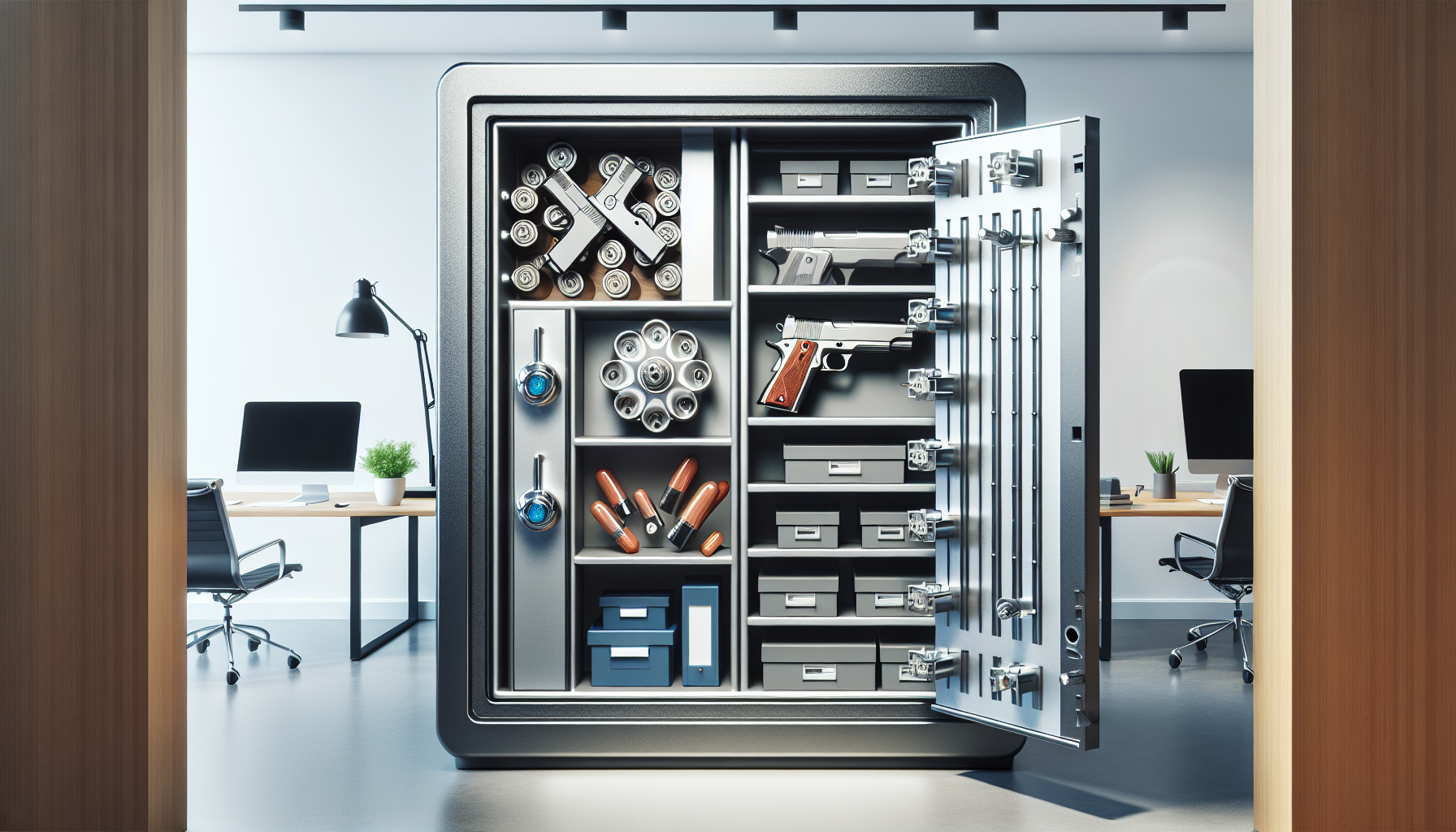
The best gun safes with customizable interiors solve a problem many owners discover only after purchase: a safe that technically fits firearms can still waste space, slow access, and make long-term storage harder than it should be. In practical terms, a customizable interior means the shelving, barrel supports, door organizers, pistol racks, and accessory trays can be adjusted to match what you actually own, not what the manufacturer guessed you might own. That matters whether you are storing scoped hunting rifles, AR-platform carbines, handguns, suppressors where lawful, optics, magazines, documents, or camera gear that shares secure storage space. A fixed-layout cabinet may look large on a spec sheet, yet once you add slings, bipods, hard cases, and oversized scopes, usable capacity drops fast.
I have seen this play out repeatedly when helping buyers move from entry-level cabinets to true residential security containers. They start by asking for the biggest safe in budget, then realize the better question is how flexible the interior will be over the next ten years. Gun collections rarely stay static. A two-rifle setup becomes six long guns, then adds pistols, ammunition kept separately, passports, cash, jewelry, and digital media. A safe that can convert from rifle storage to mixed-use storage with modular shelves, hook-and-loop barrel rests, and configurable door panels gives you a far better return on floor space and money. It also supports safer storage habits because firearms and valuables can be organized, visible, and less likely to knock into one another.
This buying guide explains what to look for, which features matter most, where common marketing claims fall short, and how to match interior flexibility to real security and fire protection needs. It serves as the hub for gun safe buying guides under the broader gun safes and safety category, so it covers the full decision framework rather than reviewing a single model. If you are comparing brands, sizes, lock types, steel thickness, and interior kits, start here. The goal is simple: help you buy once, avoid dead space, and end up with a secure gun safe that remains useful as your storage needs change.
What customizable interiors actually include
A customizable interior is more than a removable shelf. The best systems let you reconfigure the safe around different firearm lengths, optic heights, and non-firearm valuables. Common components include height-adjustable shelves, half shelves for staggered long-gun storage, removable barrel rests, velour-covered side panels with hook-and-loop attachment points, door-mounted pistol holsters, zip pockets, document pouches, and modular racks for magazines or choke tubes. Some premium brands also offer pull-out rifle rods, LED-ready interior channels, jewelry drawers, and dehumidifier pass-throughs placed so accessories do not compete with long-gun space.
In use, these features directly affect capacity. Manufacturers often advertise a “24-gun” or “36-gun” safe, but that number usually assumes slim rifles without optics, arranged tightly, with no door storage and little breathing room. In real homes, a 24-gun safe may comfortably store 10 to 14 scoped long guns with room for shelves and handguns. Adjustable shelving helps reclaim space by turning one side of the safe into flexible storage for ammo cans, range bags, binoculars, paperwork, and small valuables. Door organizers then move pistols and documents off the floor and off the top shelf, where they otherwise create clutter.
The most effective interior layouts balance three things: secure separation, efficient access, and future adaptability. If a safe has a strong body and good lock but a rigid interior, owners often end up stacking cases, leaning firearms against each other, or removing shelves permanently. That wastes cubic volume and increases the chance of dings, tangled slings, or unstable placement. A well-designed interior should let you see what you own, retrieve it without shifting multiple items, and revise the layout in under an hour as your collection changes.
How to evaluate security before interior features
Customizable interiors matter only after the safe meets baseline security requirements. Start with the construction of the body and door. Steel thickness is critical: lower gauge numbers mean thicker steel, and thicker steel resists pry attacks and deformation better. Many mass-market safes use 14-gauge or 12-gauge steel bodies, while stronger residential security containers may use 10-gauge, 7-gauge, or composite construction with additional plate. Door edge design, active locking bolts, and hard plates protecting the lock and relocker all matter more than plush fabric or extra shelves.
Look for independent ratings and standards where available. In the United States, many gun safes are classified as Residential Security Containers under UL 1037 rather than true burglary safes. That does not make them useless; it means buyers should understand the difference. A quality RSC bolted to concrete in a low-visibility area offers a meaningful security upgrade over a thin cabinet, but it is not equivalent to a commercial TL-rated safe. For fire claims, read test conditions carefully. Some manufacturers use independent labs, others use internal testing, and ratings vary by temperature, duration, and pass criteria.
Lock type is another essential choice. Electronic locks provide fast access and support multiple user codes on some models, but they rely on batteries and quality electronics. Mechanical dial locks are slower yet proven and less sensitive to electrical failure. Redundant systems exist, though they increase cost. In my experience, reliable electronic locks from established names such as SecuRam, Sargent and Greenleaf, and La Gard outperform generic keypads found on low-cost imports. If quick access is a priority, test the keypad response, handle throw, and interior lighting together. A customizable interior does little good if the lock frustrates daily use.
Matching interior layout to your firearm collection
The right interior starts with an inventory, not a catalog photo. Count long guns by type, note optic size, measure overall length, and identify accessories that change the footprint. A lever gun with iron sights stores differently from a precision rifle with a 56mm objective lens and bipod. AR-style rifles often need more width because of pistol grips, mounted lights, and magazines. Shotguns with extended tubes and tactical stocks also take more room than listed dimensions suggest. Handguns may be compact individually, but ten pistols in cases consume surprising shelf area unless you use dedicated racks or door holsters.
For many households, the best approach is a split interior. One side remains a long-gun bay with adjustable barrel supports, while the other side uses shelves for pistols, documents, optics, and heirlooms. This setup works especially well in safes marketed as 24- to 40-gun models. Buyers with mostly scoped rifles should strongly consider rifle rod systems or staggered storage inserts that let barrels and optics overlap safely. These systems can increase practical rifle count without forcing tight side-by-side contact. They are especially useful when moving from a hunting-focused collection to a mixed sporting and defensive lineup.
Door panels deserve more attention than they usually get in buying guides. A strong organizer can hold several handguns, passports, hard drives, tax documents, suppressor paperwork where relevant, and small tools, all while clearing shelf space. The key is not just storage volume but avoiding pressure points when the door closes. Poorly designed organizers can contact long-gun stocks or optics. Before buying, confirm the door panel is factory-fitted for the model, not a generic aftermarket insert that steals interior depth.
| Collection Type | Best Interior Setup | Why It Works |
|---|---|---|
| Mostly scoped hunting rifles | Rifle rods, staggered shelves, open floor section | Prevents optic crowding and improves usable rifle count |
| Mixed rifles and handguns | Half long-gun bay, half adjustable shelving, door holsters | Balances access, visibility, and accessory storage |
| Tactical carbines with accessories | Wider barrel rests, fewer claimed slots, modular bins | Accommodates lights, grips, slings, and thicker profiles |
| Family valuables plus firearms | Shelves, document drawers, jewelry insert, dehumidifier | Turns the safe into secure mixed-use storage |
Materials, accessories, and climate control that improve long-term use
Interior materials influence both protection and maintenance. Most quality gun safes use carpet, velour, or fabric-lined panels over wood composite shelving. These surfaces reduce cosmetic wear, but the structure beneath matters too. Thin shelves can sag under ammo, optics, or dense document boxes. If you plan to store more than firearms, ask about shelf weight ratings or inspect the thickness in person. Adjustable metal clip systems generally hold up better than simple friction supports, especially when shelves are moved often.
Accessories can transform a safe from basic storage into an organized system. LED lighting kits are one of the highest-value upgrades because they reduce handling errors and let you see serial-numbered items clearly. Power outlets or pass-throughs support dehumidifiers, lights, and charging devices for rechargeable optics or safe monitors. Pistol racks, magazine bins, and labeled document sleeves save time and reduce the tendency to pile items loosely. If children are in the home, organization is not just convenient; it supports safer control and faster verification that everything is secured.
Humidity management is essential in basements, garages, and coastal climates. Firearms rust from moisture, and wood stocks can warp over time. A customizable safe should leave room for either a desiccant system or an electric dehumidifier rod. GoldenRod remains a common choice because it is simple and durable, but desiccant can work well in smaller sealed spaces if monitored and recharged. Use a digital hygrometer inside the safe rather than guessing. A relative humidity target around 45 to 50 percent is a practical benchmark for many collections, though exact needs vary by materials and local climate.
Best brands and product tiers to compare
No single brand owns the category, but several consistently appear in serious comparisons for customizable interiors. Liberty Safe has long been strong in dealer networks, accessory options, and recognizable interior kits across multiple tiers. Browning is well known for its Axis and DPX-style storage concepts, which can improve real-world capacity for scoped rifles. Fort Knox stands out for customization breadth, including interior layouts, steel upgrades, and finish options, though pricing climbs quickly. Vaultek is more prominent in handgun and modern electronic-access safes, but its design philosophy around modular organization has influenced the broader market.
American Security, often shortened to AMSEC, is worth close attention for buyers who prioritize security construction first and interior flexibility second. Its BF series and higher-end lines blend stronger burglary resistance with practical shelving. Rhino Metals, including brands like Kodiak and Longhorn in some markets, covers a broad range from value-oriented to premium models. SnapSafe offers modular safes that can be assembled in place, which is relevant for upstairs rooms or homes with tight stair access, though buyers should compare security and fire credentials carefully against welded-body alternatives.
Product tiers matter as much as brand names. Entry-level safes often include acceptable door organizers and movable shelves, but lighter steel and less robust fire seals. Mid-range models usually deliver the best balance for homeowners: better lock options, stronger bodies, upgraded interiors, and more useful accessory ecosystems. Premium models justify their cost when you need heavier steel, true customization, superior finish quality, or a layout built around unusual firearms and valuables. The best buying decision is usually not the most expensive safe, but the strongest model that fits your space and leaves room for collection growth.
Buying mistakes, installation rules, and hub topics to explore next
The most common buying mistake is believing advertised gun capacity. Cut the stated number aggressively if you own optics, modern sporting rifles, or accessories. Another frequent error is spending the full budget on exterior size and decorative features while accepting thin steel or weak lock hardware. Buyers also underestimate delivery constraints. Measure doors, stairs, hallways, and floor load before purchase. A 700-pound safe may need professional installation, stair-climbing equipment, or a reinforced route, and those costs should be included upfront rather than discovered on delivery day.
Placement and anchoring are non-negotiable. Bolt the safe to concrete whenever possible using the manufacturer’s anchor points and hardware appropriate to the slab. Position it where pry access is limited, ideally in a corner or alcove, and avoid obvious visibility from entry points or street-facing windows. In garages, watch for moisture and temperature swings. In closets or interior rooms, confirm the floor can support the loaded weight. Fireboards, ammunition, and documents add far more mass than many estimates assume.
As the hub for gun safe buying guides, this page should lead your next research steps. From here, compare mechanical versus electronic locks, large safes versus modular safes, fire ratings, safe room placement, dehumidification methods, and handgun safe options for quick access. If you already know your collection profile, shortlist models with adjustable shelving, robust door organizers, and proven lock brands, then verify body steel, fire test credibility, and dealer support in your area. The best gun safe with a customizable interior is the one that protects your firearms effectively today and still fits your collection, your home, and your habits years from now. Measure carefully, buy conservatively on capacity claims, and choose flexibility only after security fundamentals are met.
Frequently Asked Questions
What does a customizable interior actually include in a gun safe?
A customizable interior usually refers to the parts of the safe that can be moved, removed, or reconfigured to better match your firearm collection and accessories. In the best gun safes, that often includes adjustable shelving, repositionable barrel rests, modular gun racks, pistol pouches or racks on the door panel, removable accessory bins, magazine holders, and dedicated compartments for optics, ammunition, documents, or valuables. Some models use pegboard-style panels, hook-and-loop systems, sliding shelves, or track-mounted dividers that make it easier to adapt the layout as your storage needs change.
This matters because a fixed interior is often designed around a generic idea of what a gun owner might store, not the mix you actually own. If you have scoped rifles, AR-style firearms, handguns, suppressors, range gear, or a combination of firearms and important personal items, a standard shelf layout can waste vertical space, create awkward stacking, and make access slower than it should be. A customizable setup lets you create zones inside the safe so long guns remain upright and protected, handguns are easy to reach, and smaller accessories are not buried under larger items.
In practical use, customizable interiors also improve organization and help reduce accidental contact between firearms. When each item has a deliberate place, there is less shifting, less bumping of optics or stocks, and less chance of scratching finishes during removal or storage. For many buyers, the real value of customization is not just fitting more inside the safe, but storing everything in a way that is more secure, more efficient, and easier to manage over time.
Are customizable gun safe interiors worth it for both small and growing firearm collections?
Yes, in most cases they are well worth it. A customizable interior is valuable for a small collection because it allows you to avoid paying for storage volume that you cannot use effectively. If you only own a few firearms, plus documents, jewelry, passports, cash, or electronics, a modular interior lets you configure the safe for mixed-use storage instead of leaving large unused rifle sections empty. That means better day-to-day organization and easier access to the items you use most often.
For a growing collection, the benefits become even more obvious. Many owners buy a safe based on what they currently have, then quickly realize they need room for additional rifles, handguns, optics, magazines, or accessories. With a fixed interior, any increase in collection size can force you into inefficient stacking or awkward workarounds. With adjustable shelves and repositionable supports, you can change the internal layout as your needs evolve. A shelf that once held documents can later become a handgun section, and a long-gun bay can be widened or narrowed depending on the firearms you acquire.
There is also a long-term value argument. Replacing a safe is expensive, inconvenient, and often difficult because of size and weight. A safe with a flexible interior has a better chance of serving you well for years, even as your collection changes. In that sense, customization is not a luxury feature for many buyers; it is a practical way to make a safe remain useful longer and perform better across different stages of ownership.
How do customizable interiors improve space efficiency and access inside a gun safe?
Customizable interiors improve space efficiency by allowing you to use the full dimensions of the safe in a way that matches the shape and size of your actual contents. Firearms are not all built alike. Scoped rifles need different clearance than traditional long guns, handguns can be stored far more efficiently on racks than on shelves, and accessories such as magazines, hearing protection, holsters, and cleaning supplies can take up a surprising amount of room if they are not organized properly. A modular interior helps turn dead space into usable storage.
One of the biggest advantages is vertical optimization. Adjustable shelves can be raised, lowered, or removed to make room for taller rifles or stacked accessory trays. Door organizers can hold pistols, documents, and magazines without consuming floor space. Barrel supports and stock bases can be repositioned to account for rifle height, optics, and stock profile. This makes it possible to avoid the common problem of a safe that looks spacious on paper but becomes cramped and inefficient once real-world gear is loaded inside.
Access is just as important as capacity. A poorly arranged safe may technically hold everything, but retrieving one firearm often requires moving several others first. That increases handling, slows access, and makes the safe more frustrating to use. A thoughtfully customizable layout allows you to separate frequently used firearms from long-term storage pieces, keep handguns visible and within reach, and store accessories where they can be found immediately. Better visibility and cleaner organization make the safe safer to use, easier to maintain, and far more practical on a daily basis.
What should I look for when comparing the best gun safes with customizable interiors?
When comparing models, start with the quality and flexibility of the interior system itself. Look for shelves that are easy to adjust and sturdy enough to hold loaded accessories or heavier valuables without sagging. Check whether the long-gun section can be reconfigured for scoped rifles, shorter firearms, or mixed storage. Pay attention to door storage as well, since a well-designed door panel can dramatically expand usable capacity for pistols, documents, and gear. The best systems are modular without feeling flimsy, and they let you make changes without special tools or complicated disassembly.
You should also evaluate the safe as a complete package, not just the interior. A customizable layout is most useful when paired with strong fire protection, solid steel construction, reliable locking hardware, quality bolts, and good fit and finish. Interior flexibility does not compensate for weak security or poor durability. Consider whether the safe offers enough depth for rifles with optics, enough height for your tallest firearms, and enough shelf strength for your intended use. Published capacity numbers can be misleading, so it helps to think in terms of your specific collection rather than the manufacturer’s idealized firearm count.
Finally, consider how easy the interior will be to live with over time. Lighting, power outlets, dehumidifier compatibility, soft-lined shelves, labeled storage areas, and the availability of add-on accessories can all make a significant difference. A safe that can accept additional pistol racks, bins, or organizer components later on gives you more flexibility as your storage needs change. The best choice is usually the one that balances security, interior adaptability, real-world usability, and enough room for future growth.
Can a customizable interior help protect firearms and accessories during long-term storage?
Yes, a customizable interior can play a meaningful role in protecting firearms and related equipment during long-term storage. The first benefit is physical separation. When rifles, handguns, optics, and accessories all have designated places, they are less likely to rub against one another, shift during access, or become stacked in ways that put pressure on sensitive parts. That helps preserve finishes, reduces the chance of scratched optics or damaged stocks, and keeps the contents of the safe more stable over time.
Custom layouts also make it easier to store items in a cleaner, more intentional way. For example, removable shelves can create dedicated areas for ammunition, important documents, and cleaning supplies so those items are not crowded around firearms. Pistol racks can keep handguns upright and separated instead of piled together on a shelf. Door-mounted organizers can hold magazines, tools, and smaller accessories where they are visible and easy to inspect. This level of organization matters in long-term storage because it encourages regular maintenance, inventory checks, and moisture control rather than neglect.
Just as important, a customizable interior works best when combined with good environmental protection practices. Even the best layout does not replace the need for humidity management, proper cleaning before storage, and routine inspection. However, a well-organized interior makes those practices easier to maintain because you can see what is stored, reach it without disturbing everything else, and leave airflow pathways instead of packing the safe too tightly. In short, customization helps turn a gun safe from a simple lockbox into a more protective, efficient storage system for both firearms and the valuable accessories that go with them.