
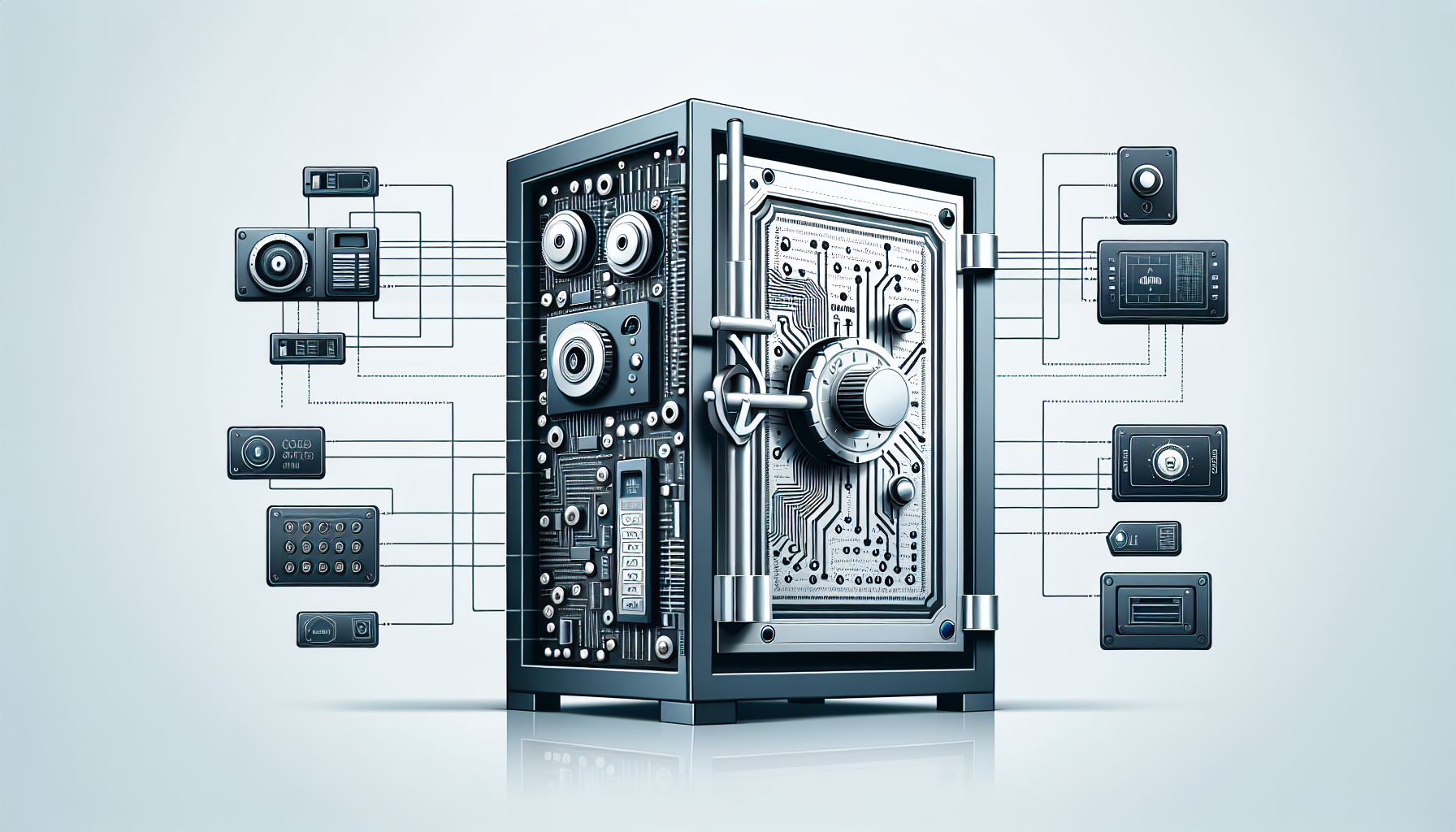
Choosing between mechanical and electronic gun safe locks is one of the most important decisions in any gun safe buying guide because the lock determines how quickly you can open the safe, how often it needs service, and how well it fits your daily routine. In practical terms, a mechanical lock uses physical components such as wheels, a drive cam, and a fence to secure the boltwork, while an electronic lock uses a keypad, circuit board, and motor or solenoid to release the lock when the correct code is entered. Both designs can protect firearms effectively, but they behave differently under stress, heavy use, temperature swings, and long ownership periods.
I have helped buyers compare dozens of residential security containers and true safes, and the lock discussion almost always shapes the final purchase more than steel thickness or interior shelving. That happens for a simple reason: owners interact with the lock every time they access a handgun for home defense, retrieve hunting rifles before dawn, or secure valuables after a range trip. A safe that looks strong on a showroom floor can become frustrating if the lock is slow, unreliable, or difficult for multiple users in the household to operate. For that reason, comparing mechanical and electronic gun safe locks requires more than listing pros and cons. It requires understanding how each system works, where each one excels, and what tradeoffs come with real ownership.
This buying guide serves as a hub for the broader gun safe buying process. If you are also weighing fire ratings, safe sizes, long gun capacity, interior layouts, anchoring methods, and placement in the home, the lock type should be evaluated alongside those factors rather than in isolation. For many buyers, the best gun safe lock is not the newest technology or the oldest proven design; it is the one that matches access speed, maintenance tolerance, budget, and the level of simplicity they want over ten or twenty years. By the end of this guide, you should know which lock style fits your use case, what specifications matter, and which questions to ask before you buy.
How Mechanical and Electronic Gun Safe Locks Work
A mechanical gun safe lock is typically a three-wheel or four-wheel combination dial. When you rotate the dial in a specific sequence, the wheels align their gates so the fence can drop and the bolt can retract. This design has been used for generations by lock manufacturers such as Sargent and Greenleaf and La Gard because it is durable, fully mechanical, and independent of batteries. In normal household use, the biggest strengths are longevity and predictability. If the lock is properly installed and not abused, it can function for decades with minimal intervention beyond occasional service. The tradeoff is speed. Opening a dial lock in darkness or under adrenaline takes more time and more dexterity than pressing a keypad.
An electronic gun safe lock replaces dial manipulation with a keypad and internal electronics. When the correct code is entered, the lock energizes a solenoid or motor-driven mechanism to release the bolt. Quality electronic locks from recognized manufacturers can be very dependable, and they are dramatically faster for routine access. Most also allow users to change the combination without a locksmith, an advantage for households that rotate access, rental properties, or anyone who wants to update codes after a move. However, electronics introduce dependencies that mechanical locks avoid, including batteries, keypads, and circuit boards. Not all electronic locks are equal. On entry-level safes, cheap membranes, inconsistent key response, or poorly protected wiring can create reliability problems that buyers often mistake as flaws in all digital locks.
In gun safe buying guides, a common question is whether one style is categorically more secure. The accurate answer is no. Security depends on the entire system: lock quality, hardplate, relocker design, boltwork, door construction, body steel, and installation. A poor electronic lock on a thin cabinet is not comparable to a commercial-grade electronic lock on a heavier safe, just as a basic mechanical dial on an entry-level container should not be confused with a Group 2 lock on a better-built body. When comparing lock types, start with function and reliability, but always evaluate the safe as a complete security product.
Speed, Convenience, and Daily Use
For buyers focused on quick access, electronic locks usually win. A practiced user can open a keypad safe in seconds, and most people can do it more consistently than they can dial a combination lock. That matters for handgun safes in defensive roles, but it also matters for larger long gun safes used several times a week. In my experience, owners who access their safe frequently are much more satisfied with an electronic lock, especially if they store hearing protection, documents, optics, or cash inside and open it for reasons beyond firearm retrieval. Convenience is not a luxury in this category. It directly affects whether owners keep firearms secured every time.
Mechanical locks make a stronger case when access is infrequent and patience is not a problem. Many collectors, hunters, and long-term storage users open their safe only a few times a month. For them, an extra fifteen or twenty seconds at the door is a minor inconvenience in exchange for avoiding batteries and keeping the system fully mechanical. Mechanical dials also appeal to buyers who prefer tactile feedback and dislike electronics in critical equipment. There is a confidence that comes from knowing the lock does not rely on battery condition, keypad contacts, or firmware behavior.
Ease of use also depends on the people in the household. An electronic keypad is often easier for spouses, older users with reduced hand strength, or anyone who struggles with fine dial manipulation. Some users with vision limitations also find illuminated keypads simpler in low light. By contrast, a mechanical dial can be difficult for teenagers, guests with temporary access, or family members who do not practice regularly. If more than one responsible adult needs dependable access, convenience should be weighted heavily. The best safe is the one every authorized user can operate correctly without hesitation.
Reliability, Maintenance, and Long-Term Ownership
Mechanical locks have earned their reputation because they can last for decades. There is no battery to replace, and the basic mechanism is resilient when made by reputable manufacturers and installed correctly. That said, mechanical does not mean maintenance-free forever. Dials can drift out of alignment, parts can wear, and rough handling during moves can affect operation. Servicing a mechanical lock often requires a trained safe technician, but those service intervals are usually long. For many buyers, that durability is the decisive advantage. If your priority is long ownership with minimal dependency on electronic parts, a mechanical lock remains the benchmark.
Electronic locks require a more active ownership mindset. Batteries need replacement, usually on a preventive schedule rather than after failure. Most quality locks give clear warning beeps or low-battery indicators, but owners must respond to them. I advise replacing the battery annually with a name-brand alkaline battery unless the manufacturer specifies otherwise, and I strongly discourage mixing battery chemistries or using cheap off-brand cells. Many lock failures blamed on electronics are really battery neglect. Beyond power, electronic locks can eventually develop keypad wear, cable issues, or board failures. Those risks are real, but on quality locks they are not constant or inevitable.
The strongest practical distinction is that mechanical locks tend to fail slowly, while electronic locks can feel abrupt when they do fail. A mechanical dial often gives warning through rough dialing or inconsistent contact points. An electronic lock may work normally until a battery drops too low or a component stops responding. That difference matters because buyers remember sudden failures more vividly. The solution is not to avoid electronics automatically; it is to buy a safe with a proven lock, follow maintenance guidance, and test the lock regularly with the door open after any code change or battery replacement.
Security Standards, Features, and Price Differences
When evaluating gun safe locks, buyers should look beyond marketing terms such as military-grade or tamper-proof and focus on recognized standards, relocking features, and manufacturer reputation. Locks may be listed to UL standards, and true safes often use locks classified by security grouping. In the residential market, many gun safes are classified as Residential Security Containers under UL 1037, which addresses the container rather than making the lock comparison simple by itself. The practical takeaway is this: choose locks from established names, ask whether the safe includes a hardplate and relocker, and verify who makes the lock instead of accepting a vague house brand description.
Electronic locks often cost more on the same safe model, though the premium is usually modest compared with the full price of the safe. That added cost buys faster entry, easier code changes, and sometimes extra features such as time delay, dual-user mode, or audit functions on higher-end units. For most home gun safes, those advanced features matter less than keypad quality and dependable lock operation. Mechanical locks tend to keep costs lower and service simpler over the life of the safe, but combination changes may require a locksmith unless the lock is designed for user reset.
| Factor | Mechanical Lock | Electronic Lock |
|---|---|---|
| Access speed | Slower, requires dial sequence | Fast, usually seconds with keypad |
| Power source | None | Battery dependent |
| Combination changes | Often requires service | Usually user programmable |
| Long-term durability | Excellent with quality components | Good to excellent on premium models |
| Ease for multiple users | Moderate | High |
| Best fit | Low-frequency access, simplicity | Frequent access, convenience |
Price should also be viewed through the lens of total ownership. If faster entry means you actually use the safe consistently, the extra cost of an electronic lock may be justified immediately. If your goal is basic secure storage for hunting rifles and archived documents with occasional access, spending more for electronics may add little value. Good buying guides compare not just sticker price, but the value of faster access, easier training for family members, and the maintenance habits each lock type demands.
Who Should Choose Mechanical vs. Electronic
A mechanical gun safe lock is usually the right choice for buyers who prioritize proven longevity, dislike battery management, and do not need immediate access several times a day. It is especially well suited to collectors, basement or closet installations where the safe is opened periodically, and owners who want the simplest possible design with fewer electronic components to troubleshoot. Mechanical locks also make sense in second homes, cabins, and lower-use settings where the safe may sit untouched for extended periods. In those cases, returning to a battery-free lock can be reassuring.
An electronic gun safe lock is usually the better choice for households that access the safe often, need faster opening under stress, or want an easier learning curve for multiple authorized users. This is common in primary residences where the safe stores a defensive handgun, important paperwork, jewelry, spare magazines, and other items used regularly. Electronic locks are also attractive to buyers who expect to change combinations themselves after staffing changes, household changes, or simple security hygiene updates. Convenience and flexibility are real operational benefits, not minor conveniences.
There are also middle-ground cases. Some buyers want the speed of electronics but worry about failure, so they choose a premium electronic lock from a top manufacturer on a better-built safe and commit to annual battery replacement. Others know they rarely open the safe and accept the slower mechanical dial because their use pattern does not justify added complexity. The smartest buying decision comes from matching the lock to your routine. If possible, operate both styles in person. Within thirty seconds, most buyers can tell which interface feels natural and which one feels like a compromise.
What to Check Before You Buy Any Gun Safe Lock
Before buying, verify the lock brand, warranty terms, service network, and whether replacement parts are readily available. Ask the dealer who performs lock service in your area and how a lockout is handled. Confirm whether the keypad is illuminated, where the battery is located, and whether the lock supports simple code changes. If the safe is being delivered upstairs or into a tight room, remember that later service access matters too. A safe wedged into a corner can make lock work more difficult and expensive.
Also check the complete safe specification. Lock quality matters, but it cannot compensate for thin steel, weak boltwork, poor door fit, or a safe that is never anchored. In real burglary scenarios, attackers often target the body, door gap, or leverage points before they attack a quality lock directly. A balanced buying guide therefore treats the lock as one critical component in a larger system that includes installation, concealment, humidity control, and responsible access management.
The bottom line in comparing mechanical and electronic gun safe locks is straightforward. Mechanical locks deliver time-tested durability, independence from batteries, and confidence through simplicity. Electronic locks deliver faster access, easier code management, and better usability for many households. Neither is universally better. The right choice depends on how often you open the safe, who needs access, how much maintenance you will realistically do, and how much convenience matters in daily life. Use this guide as your starting point for broader gun safe buying decisions, then compare specific models, lock brands, and service support before you purchase. A well-matched lock makes a good safe easier to live with and far more likely to be used correctly every day.
Frequently Asked Questions
What is the main difference between a mechanical and an electronic gun safe lock?
The biggest difference is how each lock authenticates access and releases the safe’s boltwork. A mechanical gun safe lock relies on physical parts working together in a purely manual sequence. When you turn the dial, you are aligning internal wheels, a drive cam, and a fence so the lock can retract and allow the handle to move the bolts. There are no batteries, circuits, or keypads involved. An electronic gun safe lock, by contrast, uses a keypad and an internal electronic system to verify the code. Once the correct code is entered, a motor or solenoid releases the mechanism so the safe can be opened.
From an ownership perspective, this affects speed, maintenance, and day-to-day convenience. Mechanical locks are often valued for their simplicity, long service life, and independence from battery power. Many buyers appreciate that they can remain functional for decades with proper use and occasional professional servicing. Electronic locks are popular because they are generally faster to access and easier for many people to use under stress, especially if the owner needs quick entry for defensive purposes. In short, mechanical locks emphasize proven durability and low-tech reliability, while electronic locks emphasize convenience and rapid access.
Which type of gun safe lock is faster and easier to use in an emergency?
In most real-world situations, an electronic gun safe lock is faster and easier to open during an emergency. Entering a code on a keypad is usually quicker than carefully dialing a mechanical combination, especially in low light, under pressure, or when adrenaline is high. Many electronic locks also allow straightforward code entry patterns that become second nature with practice, which can be a major advantage for owners who prioritize rapid access to a firearm for home defense.
Mechanical locks can absolutely be opened reliably, but they usually require more time, more precision, and more familiarity. The user has to rotate the dial in the correct direction sequence and stop accurately on the combination numbers. That is manageable in calm conditions, but it can be slower when someone is tired, stressed, or rushing. For that reason, buyers who rank immediate access as their top priority often favor electronic locks.
That said, speed is not only about the hardware. It also depends on training and habits. A well-practiced owner can become very competent with either system, while an owner who rarely uses the safe may struggle with both. If emergency access matters most, the best approach is to choose the style you are most likely to practice with consistently and use correctly every time.
Are mechanical gun safe locks more reliable than electronic locks?
Mechanical locks are often considered more reliable in the long term because they operate without electronics, software, or batteries. Their design is based on physical interaction between precision parts, and quality models have a long track record in the safe industry. They are less vulnerable to issues such as dead batteries, keypad failures, or electronic component faults. For many buyers, that makes them the preferred choice when the goal is maximum simplicity and fewer failure points.
However, that does not mean electronic locks are unreliable by default. A well-made electronic lock from a reputable manufacturer can be very dependable when installed properly and maintained as recommended. In everyday use, many owners find electronic locks extremely consistent and trouble-free. The key difference is that electronic locks require a bit more proactive attention. Batteries need to be replaced on schedule, the keypad should be kept in good condition, and the user should follow the manufacturer’s instructions rather than waiting for a power-related problem to appear unexpectedly.
Reliability also depends heavily on lock quality rather than lock type alone. A premium electronic lock will usually outperform a cheap mechanical one, and a quality mechanical lock will usually outperform a poorly built electronic one. If reliability is your main concern, focus on safe brand reputation, lock certification, warranty support, and access to qualified service technicians in your area, not just whether the lock is mechanical or electronic.
Do electronic gun safe locks require more maintenance than mechanical locks?
Yes, in general electronic locks require more routine attention, though not necessarily more complicated maintenance. The main responsibility is battery replacement. Most electronic gun safe locks depend on a battery to power the keypad and locking mechanism, so owners should replace the battery regularly according to the manufacturer’s guidance rather than waiting for it to die. Some locks provide low-battery warnings, but it is still smart to change the battery proactively on a schedule. Keeping the keypad clean and ensuring the safe is operated properly are also important basic steps.
Mechanical locks do not require battery changes, which is one reason many buyers view them as lower maintenance. Still, they are not completely maintenance-free. Over time, wear, dust, age, or heavy use can affect performance, and a mechanical lock may eventually benefit from professional inspection or service. What makes them feel simpler is that they do not ask the owner to monitor power status or electronic behavior. They can sit for long periods without raising the same concerns about battery readiness.
The practical takeaway is that electronic locks ask for more consistent owner involvement, while mechanical locks ask for less frequent but still important long-term care. Neither type should be neglected. If you want the lowest routine upkeep, mechanical often has the edge. If you do not mind replacing batteries on a schedule in exchange for easier access, electronic may still be the better fit.
How should I choose between a mechanical and electronic lock for my gun safe?
The best choice comes down to how you actually plan to use the safe. If you want quick access, simple day-to-day operation, and a system that is easy for most users to learn, an electronic lock is often the better option. It is especially attractive for buyers who may need fast entry in a defensive scenario or who dislike dialing combinations. Electronic locks can fit very well into a daily routine where convenience and speed matter most.
If your priorities are long-term durability, reduced dependence on power, and a more traditional lock design with fewer electronic components, a mechanical lock may be the better match. Many owners who use their safe primarily for secure storage rather than rapid defensive access prefer the confidence that comes with a purely mechanical system. It can be a strong choice for buyers who are comfortable with slower access in exchange for proven simplicity.
A smart way to decide is to rank your priorities in order: speed, reliability, maintenance, ease of use, and personal comfort. Also consider who will use the safe, how often it will be opened, where it will be located, and whether quick access is truly necessary. In many gun safe buying decisions, there is no universally better lock type. There is only the lock that best matches the owner’s habits, expectations, and security needs. Choosing based on real use rather than assumptions will usually lead to the best result.