
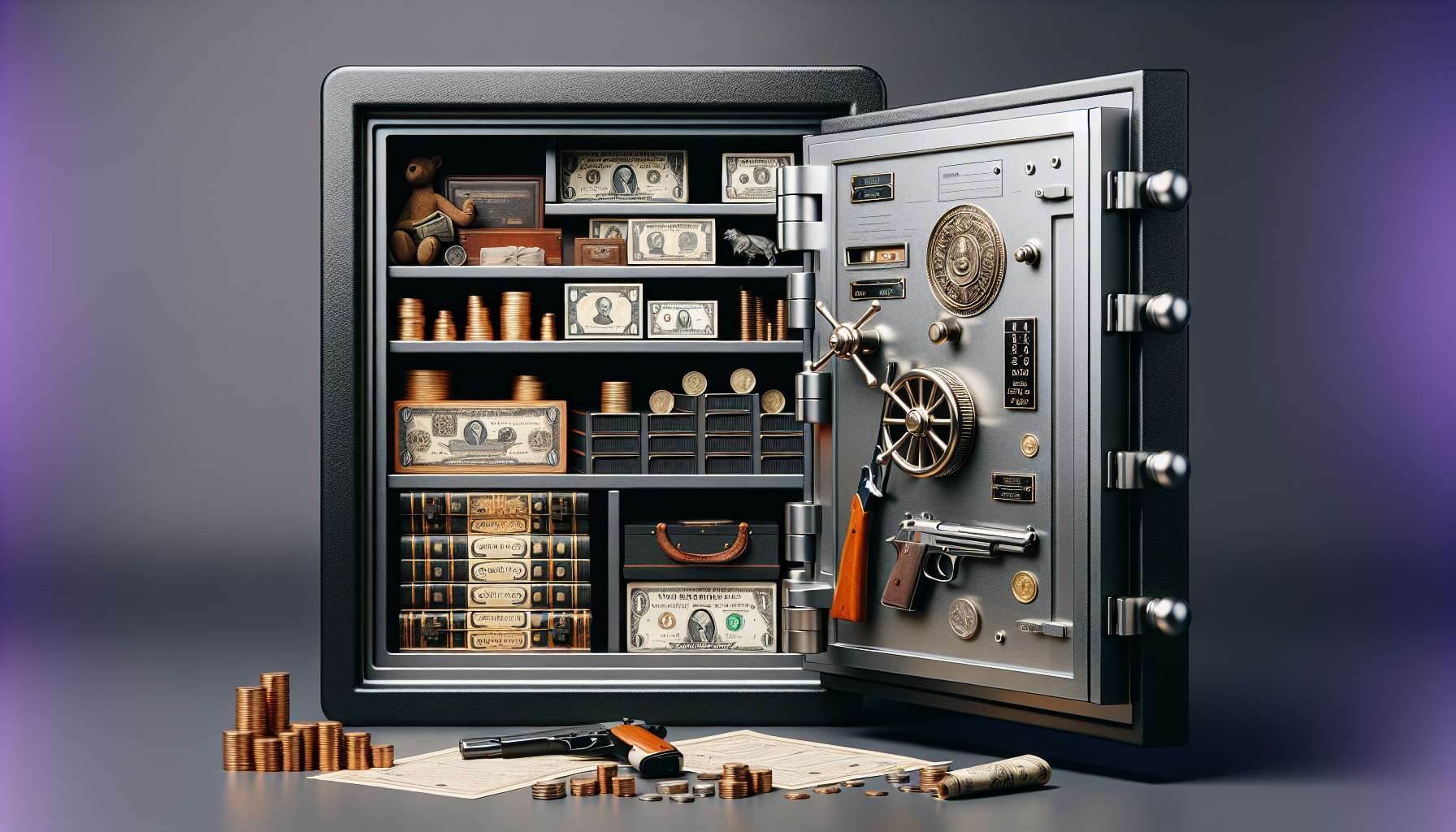
Choosing the best gun safes for storing valuable collectibles and documents requires a different standard than buying a basic firearm cabinet. A true safe for mixed storage must protect guns, paper records, jewelry, heirlooms, and sensitive media from theft, fire, humidity, and everyday handling mistakes. In my experience evaluating residential security containers, the wrong purchase usually happens when buyers focus on capacity or glossy branding and ignore ratings, seal quality, lock reliability, and interior flexibility. That is costly, because a safe that fits rifles neatly may still fail as a home for wills, passports, rare coins, family photos, tax archives, or collectible watches.
The term gun safe is often used loosely. Many products sold under that label are technically residential security containers rated to UL 1037 rather than high-security burglary safes. That does not make them useless; it simply means buyers need to match the product to the risk. For a typical homeowner, a well-built gun safe with solid steel construction, active locking bolts, fire insulation, pry-resistant door geometry, and proper anchoring can provide strong practical protection. For someone storing six-figure collectibles or irreplaceable paper archives, the right answer may be a premium composite safe, a TL-rated safe, or a layered approach that combines a gun safe with a separate document safe.
This matters because mixed storage creates competing requirements. Firearms need organized access, rust prevention, and enough depth for optics. Documents need lower humidity, heat resistance, and crush protection. Collectibles vary widely: silver tarnishes, coins dislike moisture swings, leather can mold, and vintage paper is damaged by heat long before flames reach it. The best gun safes for storing valuable collectibles and documents therefore balance burglary protection, fire endurance, environmental control, and adaptable interiors. This buying guide explains exactly what to evaluate, which features are worth paying for, and how to choose a safe that works as the central hub for your broader gun safes and safety strategy.
What makes a gun safe suitable for collectibles and documents
A gun safe becomes suitable for valuables beyond firearms when it solves four problems at once: unauthorized access, forced entry, fire exposure, and environmental degradation. Start with construction. Look for a formed steel body of at least 12-gauge for midrange models, with 10-gauge or thicker preferred if budget allows. Door plates matter even more because most attacks target the opening side. Reinforced door edges, internal hinges or protected external hinges, hardplates over the lock, and relockers that trigger during punch attacks all add meaningful resistance.
Fire protection needs closer reading than marketing labels. A claim such as “90 minutes at 1,400 degrees” may be based on internal testing rather than an independent standard. Better manufacturers explain whether the rating comes from a verified protocol, what interior temperature threshold was used, and whether the safe includes an expanding intumescent door seal. Paper begins to char around 350 degrees Fahrenheit, while digital media and photographs can be damaged at much lower temperatures, so buyers storing deeds, film negatives, or backup drives should treat generic fire claims cautiously.
Interior design is just as important. I recommend adjustable shelving, a door organizer, and at least one section dedicated to document boxes or archival containers. A safe with only rifle slots wastes volume if your goal includes watches, bullion, binders, and estate paperwork. Modular interiors from brands such as Liberty, Fort Knox, Browning, and Rhino often outperform fixed rack layouts because they let you reconfigure the space as your collection changes.
Humidity management is nonnegotiable. Steel safes are enclosed microclimates; without a dehumidifier rod, rechargeable desiccants, and occasional monitoring with a hygrometer, rust and mildew become real risks. For mixed storage, the target is usually moderate relative humidity rather than the driest possible environment. Around 45 to 50 percent is a practical zone for many homes, though conditions vary by region and what exactly you store.
How to evaluate security ratings, locks, and installation
The best buying decision usually starts with understanding ratings. Many consumer gun safes carry a UL Residential Security Container label, which indicates resistance to a limited attack test using common tools for a specific duration. That is useful for smash-and-grab deterrence, especially when the safe is anchored, but it is not equivalent to a commercial burglary safe. If you are storing rare coins, high-end watches, or documents with major legal or financial significance, stepping up to heavier construction or a true burglary rating can be justified.
Lock choice affects both convenience and failure risk. Mechanical dial locks from Sargent and Greenleaf or La Gard remain trusted because they are durable and not dependent on batteries. Electronic keypad locks provide faster access and easier code changes, making them popular for daily firearm use. Modern electronic locks can be excellent, but quality varies widely. I advise buyers to avoid unknown lock brands on budget safes. Redundant systems, such as a reliable electronic lock backed by a key-locking day gate or a secondary entry method, can add confidence, though any extra entry feature must be well engineered to avoid introducing weakness.
Installation is where many safes either become secure or merely heavy. A 700-pound gun safe can still be tipped with leverage, loaded onto dollies, or peeled open more easily when lying on its back. Anchor the safe to concrete whenever possible using manufacturer-approved hardware. Place it in a tight location where side and rear access are restricted, ideally in a climate-controlled interior room rather than a damp garage. If the floor system is wood-framed, verify structural load capacity before delivery. Professional installers often use stair climbers, pallet jacks, and floor protection methods that prevent damage and improve final positioning.
| Feature | Good | Better | Best for mixed storage |
|---|---|---|---|
| Steel body | 12-gauge | 10-gauge | 7-gauge or composite construction |
| Lock | Listed electronic keypad | Mechanical dial from major brand | Commercial-grade lock with relocker protection |
| Fire seal | Basic gasket | Intumescent door seal | Verified fire system with documented protocol |
| Interior | Fixed rifle rack | Adjustable shelves | Modular layout with document zone |
| Installation | Placed only | Bolted down | Anchored and positioned to limit pry access |
Best gun safe features for documents, jewelry, and rare collectibles
If your priority is storing valuable collectibles and documents, focus less on maximum gun count and more on internal versatility. Manufacturer capacity numbers are famously optimistic; a “36-gun safe” may realistically hold 18 to 24 scoped long guns without crowding. That unused promise becomes useful only if the interior can convert into shelves and bins. The best gun safes for mixed storage include high-strength adjustable shelving, door pouches for passports and handguns, and enough clear width to fit standard document organizers.
For paper records, the key issue is not simply surviving flames but limiting heat transfer. Many gun safes are lined for fire resistance, yet their interiors can still get hot enough to curl or discolor paper in severe events. I often recommend placing critical documents inside UL Class 350 document chests or fire-rated pouches within the main safe. This layered setup improves survivability during longer burns and adds organization. It also helps separate estate documents, titles, birth certificates, and insurance inventories from metals, firearms accessories, or oils that should not sit against paper.
For jewelry and small collectibles, soft-lined drawers, watch boxes, and divided trays prevent abrasion and make inventory easier. Collectors of coins should remember that humidity and handling are bigger enemies than people expect. Capsules, tubes, and inert storage materials matter. Silver, copper, and paper currency all benefit from stable conditions and minimal exposure to sulfur-containing materials. Some premium safes offer built-in drawer systems designed for this exact use, while others can be upgraded with aftermarket organizers.
Do not overlook lighting and power. Motion-activated LED kits help you inspect serial numbers, appraisals, and labels without shifting everything around. A factory pass-through for power simplifies dehumidifier rods and interior lighting, but it must be properly sealed to preserve fire performance. If you plan to store external hard drives or digital media, understand that standard gun safe fire ratings are usually optimized for paper, not data media. In many homes, the safest route is a dedicated media-rated container inside the larger safe.
Best brands, buying tiers, and real-world selection advice
Several established brands consistently appear in serious buying discussions. Liberty Safe built a large following with broad dealer support, modular interior options, and multiple price tiers, from entry residential security containers to heavier premium lines. Browning is often strong on interior organization, especially for owners balancing long guns with shelves and door storage. Fort Knox emphasizes customization, heavier steel options, and upgraded finishes. AMSEC stands out because its catalog spans standard gun safes and true burglary/fire safes, making it one of the easiest brands to shop when your needs exceed a typical consumer model. Rhino, Champion, and Hollon also deserve consideration depending on local availability and service.
At the entry tier, buyers typically get 14- to 12-gauge steel, an electronic lock, basic fire lining, and simpler interiors. These models can work for ordinary firearms and modest-value documents if they are anchored and kept in conditioned spaces. In the midrange, expect thicker steel, better boltwork, more credible fire systems, upgraded locks, and interiors that can meaningfully support collectibles. This is the sweet spot for many households. Premium models add heavier plate, composite barriers, stronger hardplate and relocker systems, finer fit and finish, and more extensive configuration choices.
Selection should reflect actual threat level and collection value. A suburban household storing hunting rifles, family passports, and a few inherited watches may do well with a midrange Liberty, Browning, or Rhino safe plus document boxes and humidity control. A collector with transferable machine guns, rare Colt revolvers, graded coins, and original deeds should probably look beyond marketing-heavy gun safes toward AMSEC BF, Fort Knox upgrades, or even commercial burglary safes. Insurance requirements can help guide the decision. Some insurers set limits on jewelry, firearms, bullion, or documents unless specific storage standards are met and appraisals are current.
Delivery support and dealer quality matter more than many online buyers realize. A reputable dealer can explain lock options, arrange professional installation, and handle warranty issues years later. I have seen excellent safes undermined by poor delivery, damaged door frames, bad anchoring, and incorrect humidity setup. Buying local is not mandatory, but service access is worth real money when the product weighs half a ton and is expected to protect assets for decades.
Common mistakes buyers make and how to avoid them
The most common mistake is buying too small. Collections grow, optics take space, paperwork accumulates, and shelves fill faster than expected. In practice, most owners should buy one size larger than their current inventory suggests. The second mistake is trusting headline gun capacity and ignoring shelf flexibility. The third is assuming every fire rating is comparable. Ask what standard was used, what internal temperature threshold was targeted, and whether any independent verification exists.
Another frequent problem is poor placement. Garages expose safes to temperature swings, moisture, and easier attack access. Basements can be excellent if dry and structurally suitable, but they need active humidity control and careful flood consideration. Main-floor closets or interior utility rooms often provide a better balance of concealment, climate stability, and floor strength. If flood risk exists, elevate the safe on a plinth or engineered platform while preserving anchor integrity.
Buyers also neglect inventory discipline. The safe is only one part of asset protection. Photograph contents, record serial numbers, scan receipts, store appraisals, and review insurance riders. For estate documents, maintain clear labeling and tell a trusted executor where access instructions are kept. For firearms, comply with all local laws on secure storage and access prevention. The best gun safe is not merely a steel box; it is the center of a documented, layered protection system for firearms, valuables, and irreplaceable records.
The best gun safes for storing valuable collectibles and documents are the ones that match real risks, not marketing promises. A strong choice combines credible burglary resistance, well-understood fire protection, adaptable interior storage, reliable locking hardware, and disciplined humidity control. For most households, that means buying a midrange or premium safe from an established brand, anchoring it properly, and adding layered protection for paper records and sensitive media. For higher-value collections, heavier construction or commercial-rated alternatives deserve serious attention.
As the hub for buying guides within gun safes and safety, the core lesson is simple: evaluate the safe as a system. Steel thickness, lock quality, fire seals, shelf design, installation, climate control, insurance fit, and dealer support all matter together. If one area is weak, the entire protection plan suffers. When buyers take the time to compare specifications carefully, ask the right questions, and size up for future growth, they end up with a safe that protects more than firearms. It protects family history, legal records, inherited value, and peace of mind.
Use this guide as your starting point, then compare models by construction, rating, interior flexibility, and installation support before you buy. The right safe will serve for decades if you choose it with the same care you give the valuables inside.
Frequently Asked Questions
What should I look for in a gun safe if I want to store collectibles and important documents, not just firearms?
If you plan to use a gun safe for more than firearms, the selection criteria need to be much stricter than they would be for a basic cabinet. The first priority is real burglary resistance, which means paying attention to the safe’s construction, steel thickness, door design, bolt coverage, and whether it has a recognized rating such as a UL Residential Security Container classification. Many buyers get distracted by advertised gun capacity, interior lighting, or decorative finishes, but those features matter far less than whether the body and door can resist forced entry for a meaningful amount of time.
The second priority is fire and heat protection, especially for paper records, photographs, wills, passports, and family archives. Not all fire ratings are equal, and manufacturer claims vary widely. Look for specific time-and-temperature ratings and try to confirm how those ratings were tested. Keep in mind that paper chars at a lower threshold than many people realize, and digital media can be damaged at even lower temperatures. If you are storing especially sensitive items such as external drives, old film, or rare paper documents, a gun safe alone may not be enough unless you also use specialized interior document chests or media-rated containers inside the safe.
Humidity control is another major factor. Collectibles, jewelry, wood-stock firearms, paper records, and antiques are all vulnerable to moisture swings. A good mixed-use safe should have a quality door seal, provisions for a dehumidifier or desiccant system, and an interior layout that allows valuables to be separated rather than piled together. Adjustable shelving matters here because it lets you create dedicated areas for binders, document bags, boxes, and display-worthy heirlooms without placing them where they can be scratched or crushed by long guns.
Finally, pay close attention to lock quality and daily usability. A safe that is difficult to open, inconsistent, or prone to lock failure becomes a liability fast. Commercially respected electronic locks and high-quality mechanical dial locks both have their place, but either way, reliability matters more than gimmicks. In practice, the best safe for mixed storage is one that combines solid anti-theft construction, credible fire protection, interior flexibility, and moisture management rather than one that simply claims to hold the most guns.
Are fire ratings on gun safes enough to protect paper documents, photos, and digital media?
Sometimes, but not always, and this is one of the most misunderstood parts of safe buying. Many gun safes advertise fire protection, but the details behind that claim can vary a lot. A safe rated for a certain number of minutes at a stated external temperature may be perfectly adequate for some household items, yet still fall short for irreplaceable documents, vintage photos, collectible paper items, and especially digital media. The reason is simple: different materials fail at different temperatures, and many general-purpose gun safe ratings are aimed at broad consumer expectations rather than archive-level preservation.
Paper can discolor, curl, or char long before the safe itself appears damaged. Photographs and older collectible documents may be even more vulnerable because inks, emulsions, and adhesives degrade under heat and humidity. Digital media such as hard drives, USB devices, DVDs, and memory cards are more sensitive still. Even if a gun safe survives a house fire structurally, the interior temperature and moisture conditions may still ruin sensitive contents. Steam and humidity generated during a fire can be just as destructive as direct heat, particularly for paper and magnetic or electronic storage media.
For that reason, many experienced owners use a layered approach. They choose a high-quality gun safe for overall theft resistance and then place passports, titles, legal records, rare documents, and family photos inside a secondary fire-resistant document box or media-rated insert within the safe. This creates an additional thermal buffer and often gives better organization at the same time. It is also smart to digitize important records and keep encrypted backups off-site or in cloud storage because no residential safe can promise absolute protection in every fire scenario.
So, the practical answer is that a gun safe’s fire rating may be enough for some items, but if your collection includes truly valuable paper records or sensitive digital storage, you should not rely on a generic fire label alone. Read the testing details, think about what materials you are protecting, and consider internal document or media protection as part of the setup rather than an optional extra.
How important is humidity control inside a gun safe used for valuables and documents?
Humidity control is extremely important, and it becomes even more critical when a safe is used for mixed storage. Firearms can rust, wood stocks can swell or crack, paper records can warp, photos can stick together, jewelry settings can tarnish, and certain collectibles can deteriorate surprisingly quickly when moisture fluctuates. A safe is an enclosed environment, which is good for security, but that also means it can trap moisture if you do not actively manage conditions inside.
The best approach is to think in terms of prevention, monitoring, and organization. Prevention starts with choosing a safe that has a well-made door seal and a solid overall fit. Monitoring means placing a hygrometer inside so you can see what is happening rather than guessing. Many owners assume their safe is dry just because the room feels comfortable, but interior conditions can differ from the surrounding space, especially in basements, garages, or climates with large seasonal swings. Organization matters because items packed tightly together can trap moisture pockets, while overcrowding increases the chance of scratches, torn packaging, and accidental handling damage.
For moisture control, two common options are desiccant packs and electric dehumidifier rods. Desiccants are simple and useful, but they require regular maintenance or replacement. Electric rods are popular because they provide continuous mild warming that helps reduce condensation, though they require power access through a safe port. In many cases, using both methods is sensible, especially if you store paper records alongside firearms and metal collectibles. If the contents are especially sensitive, placing documents in archival sleeves or sealed document pouches adds another layer of protection.
One more point that often gets missed: avoid putting damp items into the safe, including firearms recently brought in from cold weather or papers stored in humid areas. Let items acclimate first. In real-world use, humidity damage is often gradual, not dramatic, which is why it gets overlooked until the harm is already done. If you want a safe that truly protects collectibles and documents, moisture management should be treated as a core requirement, not an accessory purchase made later.
Is an electronic lock or a mechanical dial better for a gun safe holding high-value items?
Both can be excellent choices if the lock is from a reputable manufacturer and properly installed, but the better option depends on how you plan to use the safe. Electronic locks are popular because they are fast, convenient, and easy to operate in low light or stressful situations. For a safe you open regularly to access documents, jewelry, or firearms, that convenience can make a real difference. A good electronic lock also allows quick code changes, which is useful if household access needs change over time.
Mechanical dial locks, on the other hand, are valued for their long-term simplicity and independence from batteries. Many owners appreciate that there is no keypad to fail, no battery to monitor, and no electronics to troubleshoot. A quality mechanical lock can provide decades of reliable service, but it is slower to open and less convenient for frequent access. That tradeoff is acceptable for some buyers, especially those who prioritize durability and a more traditional setup over speed.
The more important issue is not electronic versus mechanical in the abstract, but lock quality versus low-grade components. Cheap electronic locks can be frustrating and unreliable, while poor mechanical locks can also cause service headaches. For a safe storing heirlooms, legal documents, and firearms, reliability should outweigh novelty every time. Look for locks with strong industry reputations, and buy from safe brands known for decent support, replacement parts availability, and qualified servicing.
In practical terms, if you need frequent access and want easier day-to-day use, a high-quality electronic lock is often the better fit. If your safe is opened less often and you prefer a proven, battery-free mechanism, a mechanical dial may be the better choice. Either way, test the lock regularly, replace electronic lock batteries on a schedule rather than waiting for failure, and keep backup access procedures documented securely. The lock is the part of the safe you interact with most, so dependability matters just as much as the steel around it.
Can one gun safe realistically protect firearms, heirlooms, jewelry, and legal documents at the same time?
Yes, one gun safe can often serve all of those purposes, but only if it is chosen and set up with mixed storage in mind. The mistake many buyers make is assuming any large gun safe automatically becomes a universal protection solution. In reality, storing firearms, jewelry, paper records, sensitive keepsakes, and family heirlooms together creates competing needs. Guns need secure racking and corrosion prevention, documents need fire and moisture protection, and collectibles often need shelving, padding, and separation from heavier items that could damage them.
A well-designed safe for mixed use should have flexible interior shelving, not just maximum long-gun slots. Adjustable shelves let you create dedicated zones for files, lockboxes, trays, archival containers, and boxed valuables. Soft-lined storage areas can help