
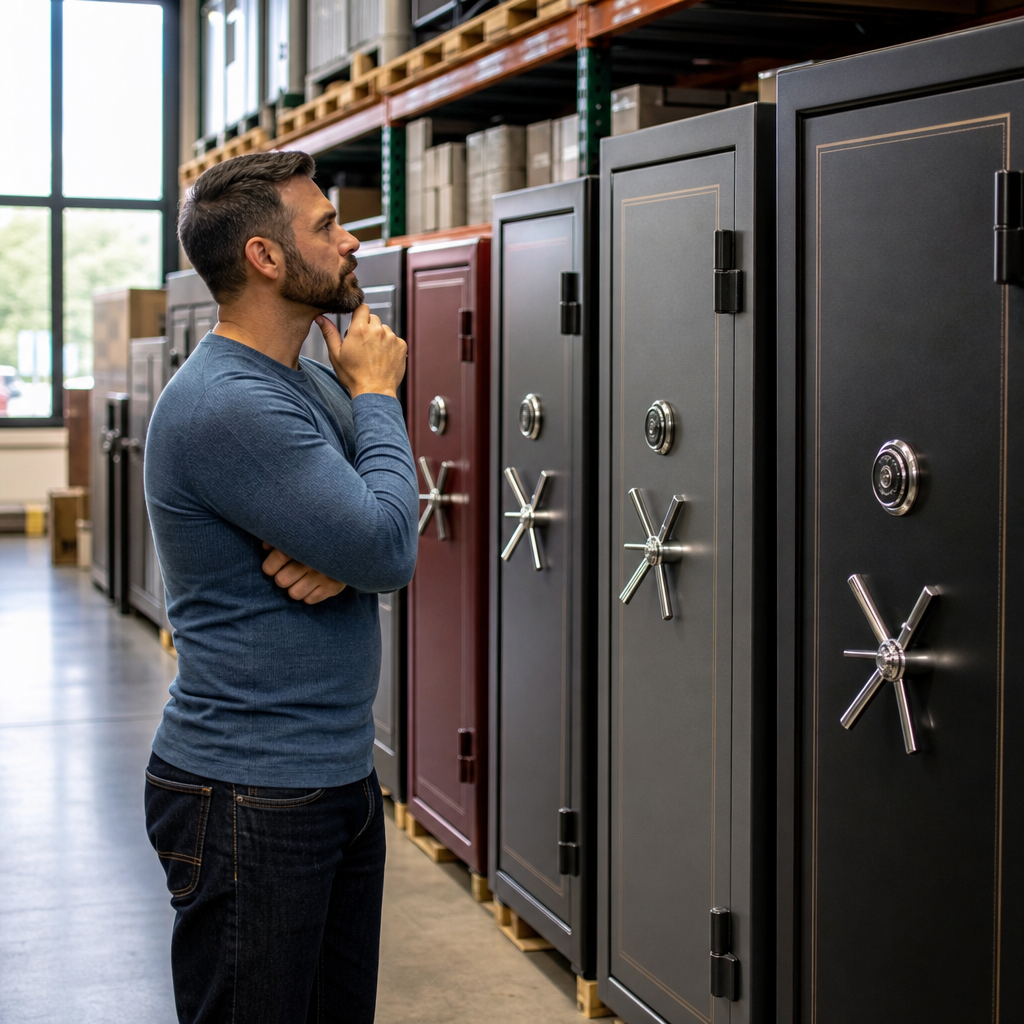
Not all gun safe manufacturers are equally trustworthy, and treating them as interchangeable is one of the most costly myths in firearm storage. In years of reviewing residential security products, I have seen buyers focus on glossy photos, oversized capacity claims, and sale pricing while overlooking the factors that actually determine whether a safe protects guns from theft, fire, humidity, and unauthorized access. A gun safe manufacturer earns trust through verifiable construction standards, transparent testing, consistent lock quality, responsive warranty support, and honest marketing. If a brand cannot clearly explain steel thickness, locking bolt design, fire test protocol, anchor requirements, and service procedures, skepticism is warranted.
Before going further, it helps to define the terms that are often blurred together. A residential security container is not the same as a burglary-rated safe, even though both may be sold as gun safes. Fire resistance also differs from burglary resistance; a cabinet can survive a short heat exposure yet fail quickly under prying or cutting. Capacity ratings are another common source of confusion because a manufacturer may count slim, unscoped long guns placed with unrealistic spacing. Trustworthiness, then, is not a vibe or a logo. It is the degree to which a company’s claims match independently understandable facts and the degree to which its products perform predictably in real homes.
This matters because gun storage has consequences beyond protecting expensive property. A poorly built safe can contribute to unauthorized access, legal liability, insurance disputes, and irreversible loss after burglary or fire. The stakes rise further for owners storing handguns for defensive use, family heirlooms, NFA items, optics, passports, cash, and digital media in the same enclosure. The hub topic of gun safe myths and misconceptions exists because many purchasing decisions are still driven by assumptions that sound reasonable but fail in practice. If you believe all major brands use similar steel, all electronic locks are equal, or all lifetime warranties provide meaningful help, you are making a security decision on marketing language instead of evidence.
The practical question is simple: how can a buyer tell which gun safe manufacturers are trustworthy? The answer starts with a disciplined review of materials, ratings, lock systems, delivery realities, after-sale support, and the honesty of the company’s own claims. It also requires recognizing the most persistent myths in this category and replacing them with measurable standards. When buyers do that, weaker brands become easy to spot, and stronger manufacturers stand out for reasons that can be defended clearly.
Why the “all gun safes are basically the same” myth persists
The myth survives because the market is crowded with products that look similar from ten feet away. Large doors, glossy finishes, plush interiors, and patriotic branding can make very different safes appear equivalent on a showroom floor or product page. I have compared units with near-identical exterior dimensions where one used substantially thicker body steel, a better hardplate arrangement, tighter door gaps, and a lock from a recognized commercial supplier, while the other relied on thinner metal, decorative bolt count, and vague fire language. To an untrained buyer, both looked “heavy duty.” In use, they were not remotely equal.
Retail channels reinforce the confusion. Big-box stores, online marketplaces, farm supply chains, and warehouse clubs often prioritize simplified specs: width, height, weight, “gun count,” and fire minutes. Those numbers are easy to advertise but incomplete. Weight alone does not prove quality because some mass comes from fireboard, not steel. Bolt count is often overstated because active locking engagement matters more than the sheer number of visible bolts. A 90-minute fire label may mean little if the test conditions are unpublished, the temperature curve is unclear, or the manufacturer does not explain whether the rating applies to paper survival, internal temperature thresholds, or merely cabinet integrity.
Another reason the myth persists is that many buyers never witness a failure. They buy once, experience no burglary, and assume their decision was validated. Security products are unusual because the weaknesses become visible only under attack, under heat, or when service is needed urgently. That delayed feedback loop rewards marketing more than engineering unless the buyer knows what to inspect up front.
What trustworthy gun safe manufacturers consistently disclose
Reliable manufacturers are usually transparent in ways weak brands avoid. They identify steel gauge or plate thickness for both body and door, not just “heavy steel construction.” They specify the lock type and often the lock brand. They describe the boltwork design, relocker features, hardplate protection, hinge arrangement, and anchor hole configuration. They state whether the product is a residential security container or carries another recognized burglary classification. They explain fire insulation method and test basis rather than relying on dramatic but unsupported claims.
In my experience, a trustworthy product page reads more like a spec sheet than an advertisement. That does not mean every buyer needs a commercial TL-rated safe. It means the company respects the buyer enough to provide information that can be checked. Established names often reference standards from Underwriters Laboratories, California Department of Justice firearm safety device requirements, or known lock platforms from Sargent and Greenleaf, SecuRam, or La Gard. Transparent brands also explain tradeoffs. For example, they may note that an entry-level model is intended mainly for smash-and-grab resistance and must be anchored to perform properly.
Silence is revealing. If a manufacturer avoids publishing steel thickness, avoids naming the lock, inflates storage capacity, and buries warranty exclusions, that pattern signals weak trustworthiness even before you see the safe in person. Honest companies know informed buyers compare details.
Core myths and the facts that correct them
Most misconceptions about gun safes fall into a short list. The table below shows the myths I hear most often and the reality buyers should use instead.
| Myth | Why it sounds believable | What the evidence shows |
|---|---|---|
| All gun safe manufacturers use similar steel | Exterior size and weight can look comparable | Body steel varies widely; thinner steel is easier to pry, punch, and cut |
| More locking bolts always mean better security | Higher bolt counts look impressive in ads | Bolt engagement, door structure, and lock protection matter more than count alone |
| Any fire rating is reliable | Minutes are easy to compare | Without a named test protocol, fire claims may be inconsistent or loosely defined |
| Electronic locks are less secure than mechanical locks | People trust old technology | Quality electronic locks from reputable makers are dependable; cheap keypad systems are the real problem |
| A lifetime warranty guarantees support | The phrase sounds comprehensive | Coverage often excludes freight, cosmetic issues, humidity damage, or lock service after misuse |
| If a safe is heavy, it cannot be stolen | Mass suggests permanence | Unanchored safes are routinely tipped, dollied out, or attacked more easily when on their back |
These myths matter because each one pushes buyers toward the wrong metric. Trustworthy manufacturers educate against these misunderstandings instead of exploiting them. When a brand markets only by gun count, bolt count, and flashy warranty language, it often signals a company that assumes buyers will not ask deeper questions.
How to evaluate construction, locks, and fire claims
Start with steel. Many consumer gun safes use formed sheet steel bodies, while stronger models may use thicker plate doors, reinforced door edges, and better frame geometry. Gauge can be confusing because lower gauge means thicker steel. A body built from 12-gauge steel is materially different from one built from 14- or 16-gauge steel, especially against prying. Door construction matters even more because that is the attack surface. Composite doors with plate, hardplate, and reinforced bolt areas generally outperform decorative-looking doors with exposed bolts and thin skins.
Next, inspect the lock system. A trustworthy manufacturer pairs its safe with a lock from a recognized supplier and provides service parts through established channels. Mechanical dial locks remain durable and proven, but they are slower and less convenient for some households. Good electronic locks offer faster access and user code management, which can be valuable for defensive handgun storage. Biometric systems are improving, but trust depends heavily on sensor quality, firmware stability, and backup access. Across categories, the key distinction is not mechanical versus electronic; it is high-quality lock versus bargain lock.
Finally, treat fire claims carefully. A meaningful fire discussion names temperature, duration, seal behavior, and ideally an external standard or at least a consistent internal protocol. In actual house fires, conditions vary by room, fuel load, ventilation, and suppression response. No consumer safe can guarantee survival under all fire conditions. Trustworthy manufacturers say that plainly. They do not imply that a single time rating is universal protection for guns, optics, documents, and digital media alike, because those contents fail at different temperatures and humidity levels.
Brand trust is proven after the sale, not just at checkout
One of the clearest differences between trustworthy and weak gun safe manufacturers appears when something goes wrong. Locks fail, shipments arrive damaged, door panels warp, handles loosen, and owners get locked out. The companies worth trusting have documented service processes, accessible customer support, replacement parts availability, and technician networks or clear reimbursement policies. When I evaluate manufacturers, I look beyond brochure specs and study how they handle delivery damage claims, warranty calls after a fire, and lock replacement on older models.
This is where many misconceptions collapse. Some buyers assume a long-standing brand name automatically means excellent service. Not always. Licensing, private-label arrangements, changing factories, and dealer-dependent support can all affect the ownership experience. In some cases, the safest purchase is not the brand with the loudest advertising but the one sold through a competent local safe dealer who manages installation, anchoring, lock setup, and future service. Manufacturer trust and dealer trust are related but separate issues, and smart buyers evaluate both.
Another overlooked point is installation guidance. A responsible manufacturer explains floor load considerations, anchoring hardware, humidity control, dehumidifier compatibility, and the risks of garage placement in flood-prone or high-corrosion environments. That advice is not an extra. It is part of trustworthy product stewardship because a safe that is improperly installed may fail in ways the steel alone cannot prevent.
How this hub should guide your next research step
As a hub for gun safe myths and misconceptions, this page should help you evaluate every related question with the same standard: prefer measurable facts over sales language. When comparing brands, verify steel thickness, understand what burglary classification actually means, and ask whether the lock is a known commercial model or an anonymous keypad assembly. When reading about fire protection, look for the test method, not just the minute count. When capacity claims seem generous, assume optics, slings, and modern rifle dimensions reduce real storage. When a warranty sounds broad, read the exclusions before delivery day.
The most trustworthy gun safe manufacturers do not need buyers to stay confused. They publish specifics, acknowledge limitations, support their products after the sale, and design safes for real-world use rather than catalog photography. That does not mean the most expensive safe is always the right choice. It means the right choice is the one whose claims can be checked and whose maker can be relied on when security, fire, or service questions become urgent. Use this hub as your starting point for deeper comparisons on steel, lock types, fire ratings, placement, anchoring, and long-term maintenance. The benefit is straightforward: better information leads to safer storage, fewer regrets, and a gun safe you can trust when it matters most. Start your next comparison by pulling up the full specifications, not the marketing banner.
Frequently Asked Questions
Are all gun safe manufacturers equally trustworthy?
No. Manufacturers vary widely in how they design, build, test, and support their safes, and those differences matter a great deal when you are storing firearms. A trustworthy gun safe company does more than print an impressive capacity number on the label or advertise a steep discount. It should provide verifiable information about steel thickness, door construction, locking systems, bolt work, fire protection methods, seal quality, and warranty support. The most reliable brands are transparent about their specifications and are willing to explain how their safes perform under real-world conditions, not just in marketing language.
One of the biggest mistakes buyers make is assuming all gun safes are basically the same if they look similar online. In reality, two safes with nearly identical dimensions can differ dramatically in resistance to pry attacks, heat exposure, moisture intrusion, and lock failure. Some manufacturers invest in quality control, independent testing, replacement parts availability, and long-term customer service. Others focus heavily on appearance, promotional pricing, and inflated interior capacity claims. Trustworthiness comes from consistent build quality, honest specifications, dependable support, and a track record of standing behind the product after the sale.
What should I look for when judging whether a gun safe manufacturer is reputable?
Start with construction details that can be verified. Look for clear information on body steel gauge, door plate thickness, reinforcement around the lock and bolt system, hinge design, and the number and placement of locking bolts. Reputable manufacturers usually publish these details because they know informed buyers care about actual security performance. If a brand relies on vague phrases like “heavy-duty construction” or “advanced protection” without giving hard specifications, that is a reason to be cautious.
You should also evaluate fire protection claims carefully. Trustworthy manufacturers explain how the fire rating was established, how long the safe is intended to protect contents, what temperature standard is being referenced, and whether door seals expand during heat exposure. Good brands also acknowledge that fire performance depends on installation conditions, room placement, and overall safe construction. In addition, reputation is shaped by warranty coverage, responsiveness to lock problems, availability of replacement keys or electronic components, and how the company handles shipping damage or defects. Reviews can be helpful, but the most meaningful signs of trust are transparency, engineering details, testing credibility, and consistent post-purchase support.
Why are oversized capacity claims and flashy marketing a problem when comparing gun safes?
Because they often distract buyers from the features that actually determine whether the safe performs when it matters. Capacity ratings are frequently based on idealized storage using slim, unscoped long guns placed in ways that most real owners do not use. Once you add optics, slings, bipods, magazines, documents, handguns, or shelves, the usable space can shrink quickly. A manufacturer that emphasizes a large gun count without giving realistic interior layout information may be prioritizing sales appeal over practical honesty.
Flashy marketing can also hide shortcuts in build quality. A safe may look impressive in photos because of glossy paint, decorative hardware, interior lighting, or a premium-looking door panel, while still using thinner steel, weaker door organization, less robust bolt work, or lower-grade electronic locks than a better-built competitor. The result is that buyers may overpay for appearance and branding while underestimating burglary risk, fire risk, and moisture concerns. Trustworthy manufacturers do not need to rely only on showroom appeal. They tend to provide meaningful specifications, realistic storage expectations, and direct explanations of what their safes can and cannot do.
How important are fire protection, humidity control, and unauthorized access prevention when evaluating a manufacturer?
They are central to the question of trust. A gun safe is not simply a metal cabinet for keeping firearms out of sight. It is supposed to reduce multiple risks at once, including theft, accidental access, fire exposure, and environmental damage. A dependable manufacturer designs the safe as a complete protective system. That means considering insulation materials, door seals, lock reliability, relocker features, pry resistance, anchor options, and interior conditions that affect rust and long-term firearm storage.
Humidity control is especially important in residential settings, where garages, basements, and exterior walls can expose a safe to condensation and temperature swings. A trustworthy manufacturer makes it easier to manage interior moisture through thoughtful design, such as pass-through ports for dehumidifiers, quality door seals, and interiors that do not trap dampness. Unauthorized access prevention is equally important. The manufacturer should use dependable lock options, protect critical locking components, and provide guidance on anchoring and placement. A safe from a less reliable brand may appear adequate at first glance but fail in the exact areas that matter most over years of use: corrosion prevention, lock durability, and resistance to tampering by children, guests, or thieves.
Can price alone tell me which gun safe manufacturer I should trust?
No. A higher price does not automatically guarantee better engineering, and a low price does not always mean the safe is useless. What matters is whether the price aligns with measurable build quality and credible protection features. Some premium brands earn their pricing through thicker steel, stronger doors, better lock systems, more rigorous testing, better fit and finish, and stronger customer support. Others charge more primarily because of branding, styling, or dealer markups. Likewise, some budget-friendly manufacturers offer decent value in specific use cases, while others cut corners in ways that significantly reduce protection.
The smartest approach is to compare what you are actually getting for the money. Look at steel thickness, lock type, fire barrier design, door gap, bolt coverage, anchor hole configuration, interior flexibility, warranty terms, and the manufacturer’s reputation for service after the sale. If a company is evasive about specifications or makes grand promises without proof, even a bargain price may be too expensive in the long run. When it comes to firearm storage, trust should be based on documented quality and real-world performance, not on sale tags alone.