
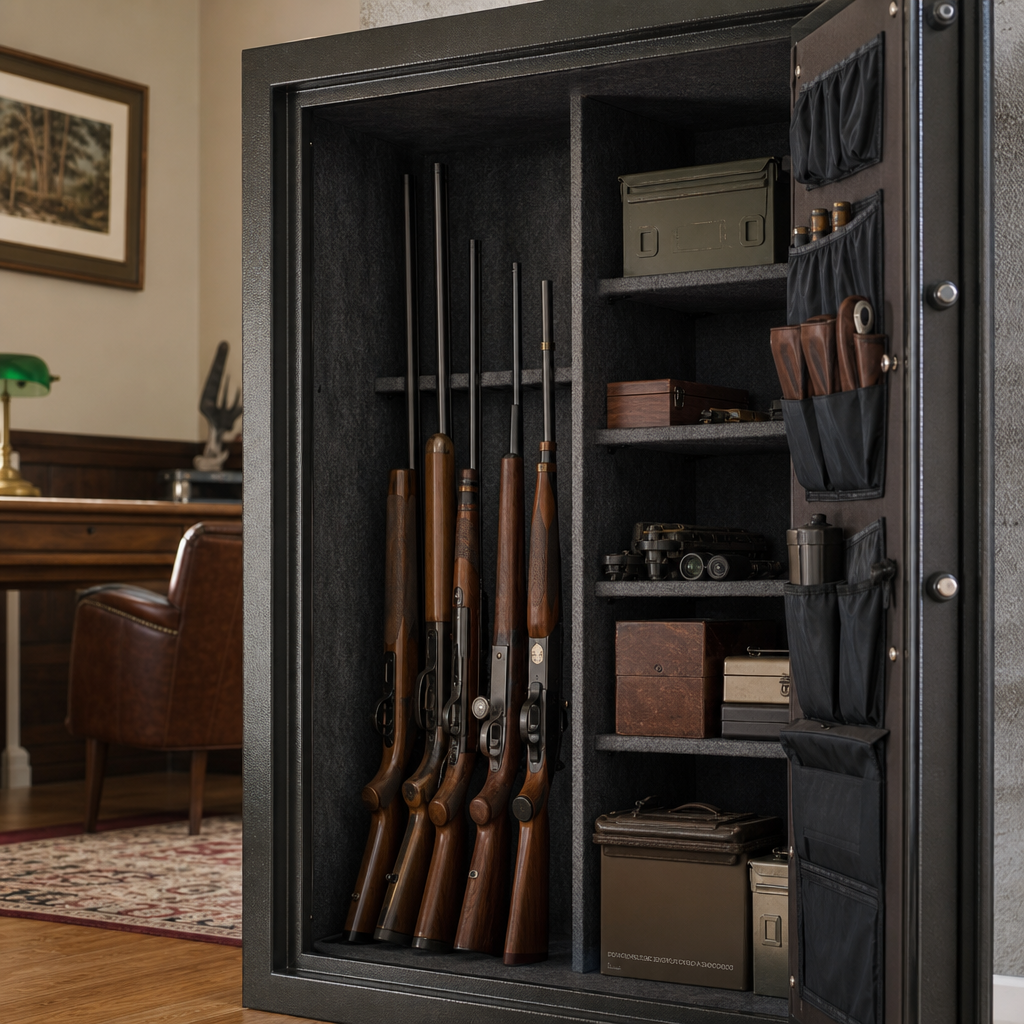
Gun safes do have a practical shelf life, but not in the simplistic way many buyers assume. A well-built safe does not suddenly expire after a fixed number of years, and a cheap model does not automatically fail on a preset date. Long-term durability depends on construction quality, environment, maintenance, locking components, fire insulation, and how the safe is used over time. In my experience evaluating residential security containers, the biggest misconception is that steel thickness alone determines lifespan. In reality, a safe is a system: body, door, hinges, lock, relockers, bolt work, sealants, interior materials, anchoring points, and corrosion resistance all age differently.
Understanding whether gun safes have a shelf life matters because buyers often treat them as one-time purchases. That assumption can create risk. A safe that still looks solid from the outside may have degraded door seals, brittle wiring in an electronic lock, weakened drywall-based fire lining, or rust beginning under carpeted interiors. The opposite is also true. I have seen older mechanical-lock safes remain reliable for decades because they were installed in climate-controlled rooms, anchored correctly, and serviced before small failures became lockouts.
For this hub on gun safe myths and misconceptions, the central question is not just how long a gun safe lasts. It is what “lasts” actually means. Does it still lock? Does it still resist pry attacks? Does it still provide meaningful fire protection? Will it protect optics, documents, and firearms from humidity? Can you get replacement parts for the lock? Those are the practical measures of durability. A twenty-year-old safe can be serviceable, outdated, or near failure depending on those answers.
Several persistent myths confuse the issue. Many owners believe all gun safes are effectively permanent, that heavier always means better, that fire ratings are directly comparable across brands, that electronic locks wear out quickly while dial locks last forever, or that rust only affects safes stored in garages. None of those claims is universally true. This article explains where these beliefs come from, what is accurate, and how to judge long-term gun safe durability with the same realism a locksmith, installer, or insurance-conscious homeowner would use.
What “Shelf Life” Means for a Gun Safe
When people ask whether gun safes have a shelf life, they usually mean one of three things: functional life, security life, or environmental life. Functional life refers to whether the lock, handle, bolt work, and door still operate reliably. Security life refers to whether the safe still offers modern resistance to forced entry. Environmental life refers to whether the safe continues protecting contents against moisture, smoke, and heat. These timelines overlap, but they are not identical.
A basic residential gun safe may function for many years while declining in security relevance. For example, a thin-bodied cabinet with a simple electronic lock may still open and close after ten years, yet provide limited pry resistance compared with a newer model using heavier steel, reinforced door edges, and improved bolt retention. Likewise, a safe’s fire materials can age even if the lock works perfectly. Adhesives dry out, seals compress, and interior fabrics trap humidity. Durability is therefore a layered concept, not a single expiration date.
Industry terminology also matters. Many products marketed as gun safes are technically residential security containers rather than high-security safes. Under UL 1037, a Residential Security Container is tested primarily against limited attack by hand tools, while true burglary safes undergo more rigorous testing classifications. That distinction is important because consumers often assume all large steel cabinets offer the same long-term protection. They do not. If a product starts with modest security margins, time and wear reduce those margins faster.
Common Myths That Distort Expectations
The first myth is that a gun safe should last forever if it is made of steel. Steel is durable, but the safe’s vulnerable points are usually moving parts, seams, corrosion-prone areas, lock electronics, and fire-protection materials. A second myth is that a lifetime warranty means lifetime performance. In practice, warranties often cover attempted break-ins or fire damage under specific conditions, not routine aging, cosmetic deterioration, lock battery leakage, or moisture damage to interiors.
The third myth is that external appearance tells you everything. I have inspected safes with glossy finishes and pristine doors that hid rust on anchor holes and lower interior corners because they sat on unsealed concrete. The fourth myth is that electronic locks are inherently short lived. Quality electronic locks from recognized manufacturers such as Sargent and Greenleaf, SecuRam, or La Gard can be dependable for years when protected from battery corrosion, voltage neglect, and moisture. Poorly made electronics fail early; well-made electronics do not deserve blanket dismissal.
Another myth is that a heavy safe is always a durable safe. Weight can come from thick steel, composite fill, fireboard, or inefficient design. Some older imported safes feel substantial because of added drywall layers, not superior burglary resistance. Finally, many owners believe no maintenance is needed. That is probably the most expensive misconception in this category because small service issues become lockouts, misalignment, or corrosion that shortens useful life.
What Actually Determines Long-Term Durability
Durability begins with materials and construction. Thicker steel bodies, reinforced door frames, continuous welds, hardplate protecting the lock, and robust internal hinge-side dead bars generally age better under stress than lightly built cabinets with spot welds and flexing doors. However, lock quality matters just as much. A safe with excellent steel but poor bolt work tolerances can become frustrating to operate as the door settles or the floor shifts.
Environmental exposure is the next major factor. Humidity is a slow-moving threat that owners underestimate. In basements, garages, and outbuildings, daily temperature swings create condensation on steel surfaces. Over time, that condensation promotes oxidation on bolts, hinge pins, and internal cavities. Fireboard and fabric interiors can hold moisture against metal, accelerating hidden rust. This is why dehumidifier rods, desiccants, air circulation, and a moisture barrier under the safe make a measurable difference.
Usage patterns matter too. A safe opened several times a day experiences more wear on the handle spindle, lock mechanism, and bolt work than one opened monthly. Poor loading habits can also shorten life. Long guns leaning against the door panel can interfere with closure; overloaded shelves sag; hard cases scrape interior walls and trap moisture. Anchoring also affects longevity. An unanchored safe can rack slightly on uneven floors, creating long-term door misalignment and bolt pressure that users mistakenly blame on the lock alone.
| Factor | How It Affects Lifespan | What Owners Should Do |
|---|---|---|
| Steel thickness and weld quality | Reduces flex, pry vulnerability, and structural fatigue | Verify body and door gauge, inspect welds, buy from established brands |
| Lock type and quality | Determines reliability, serviceability, and lockout risk | Choose UL-listed locks and replace weak batteries on schedule |
| Humidity exposure | Causes rust, sticky bolt work, and interior deterioration | Use desiccants, dehumidifier rods, and a moisture barrier under the safe |
| Fire insulation materials | Can settle, crack, or absorb moisture over time | Keep the safe in stable indoor conditions and inspect seals periodically |
| Installation and anchoring | Prevents tipping, shifting, and door misalignment | Anchor to a suitable slab or framed floor using manufacturer guidance |
How Lock Types Age Over Time
Mechanical dial locks have a reputation for longevity, and that reputation is largely earned. A quality Group 2 or Group 2M style lock can remain serviceable for decades if it is not abused and receives occasional professional service. They are less vulnerable to battery neglect, and many owners appreciate their simplicity. Still, they are not immortal. Lubricants age, wheels wear, tolerances drift, and improper dialing habits can mask developing issues until the lock becomes unreliable.
Electronic locks trade some mechanical simplicity for speed and convenience. In normal home use, a good electronic lock can easily deliver a long service life, but it has more failure points: keypad membrane wear, wiring fatigue, corroded battery contacts, and circuit failure from moisture or leaking batteries. Most lockouts I have seen were not sudden mysteries. They came after ignored low-battery warnings, off-brand battery use, or years in non-climate-controlled spaces.
Biometric locks attract buyers who want fast access, but they are the category most often oversold. Fingerprint readers vary widely in quality and can be inconsistent with dirty hands, aging sensors, or poor enrollment practices. For long-term durability, a biometric system should always be evaluated by the backup entry method and the quality of the underlying lock body. No access technology is durable if replacement parts are unavailable five years later.
Fire Ratings, Corrosion, and the Limits of Protection
Fire ratings generate some of the most persistent misunderstandings in the gun safe market. Many manufacturers publish ratings based on proprietary tests rather than one universal standard. That does not mean every rating is meaningless, but it does mean consumers should compare carefully. A safe advertised as protecting contents for sixty minutes at a stated temperature is only as credible as the test method, seal design, insulation continuity, and door gap performance.
Fire protection also changes over time. Intumescent door seals can compress or degrade. Gypsum-based fireboard can absorb ambient moisture and lose structural integrity if exposed to repeated humidity cycles. After a house fire, even if the exterior seems intact, hidden heat damage may compromise future performance. That safe may still lock, but its fire resistance may no longer match its original rating. Treat post-fire reuse cautiously and consult the manufacturer or a qualified safe technician.
Corrosion is the quieter durability killer. Surface rust is sometimes manageable, but internal corrosion on bolt carriers, relockers, or lock mounting hardware is far more serious. Salt air in coastal regions, fertilizer storage nearby, and direct contact with concrete all accelerate deterioration. Owners often focus on burglary and fire while forgetting that moisture can disable a safe long before any criminal attack or structure fire occurs.
Signs a Gun Safe Is Nearing the End of Its Useful Life
Aging safes usually provide warning signs. The most common are increasing resistance when turning the handle, inconsistent electronic keypad response, a door that must be lifted or pushed to latch cleanly, visible rust at the bottom corners, swelling interior panels, detached door seals, or a mechanical dial that feels rough or loses its usual indexing precision. None of these symptoms should be ignored.
Replacement may be wiser than repair when structural security is outdated, parts are unavailable, or corrosion has reached internal mechanisms. For example, spending significant money to repair a thin, entry-level cabinet with obsolete electronics rarely makes sense if the body itself offers limited pry resistance. By contrast, servicing a heavier safe with a quality body and a replaceable lock is usually money well spent. The decision should be based on construction value, not sunk-cost emotion.
If you inherit or buy a used gun safe, evaluate it systematically. Identify the lock brand, inspect hinge-side gaps, check anchor integrity, look for humidity damage under carpeted floors, verify smooth bolt travel with the door open, and confirm whether the manufacturer still supports parts. A used safe can be an excellent value, but only if the shell is sound and the critical components remain serviceable.
How to Extend a Gun Safe’s Service Life
The most effective way to extend gun safe durability is preventive care. Install the safe indoors if possible, away from persistent dampness and major temperature swings. Raise it slightly off bare concrete with a sealed platform or approved barrier. Use a GoldenRod-style dehumidifier or rechargeable desiccant, and monitor humidity with a hygrometer. Replace electronic lock batteries on a schedule rather than after they weaken.
Operate the safe correctly. Do not slam the door, force the handle against bolt pressure, or store firearms in ways that obstruct movement. Inspect door seals annually, vacuum dust from hinge areas, and address small rust spots before they spread. If the lock begins behaving differently, call a trained safe technician early. In practice, early service is far cheaper than emergency drilling after a lockout.
For most households, the right mindset is not “buy once, forget forever.” It is “buy well, maintain periodically, reassess honestly.” Gun safes absolutely can deliver decades of protection, but only when owners understand their real limits. If you want your safe to remain trustworthy, inspect it, manage moisture, service the lock, and upgrade when security or reliability no longer meets the job.
Frequently Asked Questions
Do gun safes actually expire after a certain number of years?
No, gun safes do not have a fixed expiration date in the way many people imagine. A quality safe does not suddenly become unsafe at year 10, 20, or 30, and a lower-end model does not automatically fail on a preset timeline either. What most people call a safe’s “shelf life” is really its practical service life, which depends on how well it was built, where it is installed, how often it is used, and whether critical components are maintained. The body of the safe, especially if it is made from heavier steel and solid welds, can remain structurally sound for decades. However, moving parts such as electronic locks, relockers, hinges, handles, bolts, door seals, and interior materials are more likely to wear out first.
That is why durability should be viewed as a system rather than a single number. A safe may still look impressive from the outside while experiencing declining reliability in its lock, corrosion inside the door cavity, deteriorating fireboard, or moisture-related interior damage. On the other hand, a well-made safe kept in a stable indoor environment and serviced when needed can remain dependable for a very long time. In practical terms, the question is not “How many years does a gun safe last?” but “How well is this particular safe aging in real-world conditions?”
What factors have the biggest impact on a gun safe’s long-term durability?
Several factors matter, and construction quality is only the starting point. Steel thickness is important, but it is not the only measure of long-term performance. The overall build quality includes how the safe is welded, how the door is reinforced, the quality of the locking mechanism, the fit and alignment of the bolts, the strength of the hinges, and whether the manufacturer used dependable internal components instead of cutting corners where buyers cannot see. A safe with decent steel but poor lockwork or weak assembly can become troublesome much sooner than a better-engineered model.
The environment is just as important. Safes placed in climate-controlled interiors usually age much better than safes kept in garages, sheds, basements, or humid coastal regions. Moisture, condensation, and temperature swings can gradually lead to rust, swollen interiors, seal degradation, and electronic lock issues. Maintenance also plays a major role. Replacing lock batteries on schedule, checking for door misalignment, managing humidity with desiccants or dehumidifiers, and addressing small mechanical problems early can significantly extend usable life. Finally, usage patterns matter. A safe that is opened several times a day will place more wear on locks, handles, and moving parts than one that is accessed occasionally. Long-term durability is the result of all of these conditions working together over time.
Which parts of a gun safe are most likely to wear out or fail first?
In most residential gun safes, the first issues usually show up in the components that move or rely on electronics, not in the main steel body. Electronic locks are a common example. Many are reliable, but they contain keypads, circuits, battery contacts, and solenoids that can eventually fail, especially in humid or inconsistent environments. Mechanical dial locks often last a long time, but they can still drift out of adjustment or develop wear if heavily used. Handles, spindle assemblies, boltwork, and relock mechanisms can also experience wear, particularly if the door is routinely slammed, overloaded, or operated roughly.
Fire protection materials are another overlooked area. In many consumer safes, the fire lining or insulation system can degrade gradually with age, moisture exposure, or previous heat events. Door seals may harden, crack, or lose effectiveness over time. Interior shelves, fabric panels, and adhesive-backed organizers often wear out long before the shell of the safe does. Hinges can also become misaligned if the safe is moved improperly or if the floor beneath it shifts. So while the steel enclosure may remain intact for decades, the practical reliability of the safe often comes down to the condition of these smaller but essential parts. That is why regular inspection matters more than relying on age alone.
How can you tell if an older gun safe is still reliable or if it should be replaced?
The best way to judge an older gun safe is to evaluate its condition and performance, not just its age. Start with operation: does the lock open consistently, does the handle feel smooth, and does the boltwork engage fully without sticking or grinding? The door should close evenly, seal properly, and not show signs of sagging or alignment problems. Look for visible rust, bubbling paint, corrosion around seams, or moisture damage inside the safe. Check the bottom edges and door frame carefully, because these are common places for environmental wear to appear first. If the safe has an electronic lock, pay attention to delayed response, keypad inconsistency, or battery compartment corrosion.
You should also assess whether the safe still meets your current security and fire-protection needs. Some older models may be mechanically sound but offer outdated burglary resistance, lighter steel than expected, or basic lock systems compared with current options. If replacement parts are difficult to obtain, the manufacturer no longer exists, or a locksmith has warned that the lock platform is nearing the end of its serviceability, those are practical signs that replacement may be wiser than repair. In contrast, a well-built safe with a sound body and serviceable lock may be worth maintaining for many more years. In short, replacement should be based on reliability, condition, supportability, and whether the safe still fits your risk level, not on a simple calendar age.
What can owners do to make a gun safe last as long as possible?
The most effective step is choosing the right environment from the beginning. Install the safe in a dry, stable, climate-controlled area whenever possible, and avoid long-term placement in damp basements, garages with major temperature swings, or uninsulated outbuildings unless you actively control humidity. Use a dehumidifier rod or desiccant system inside the safe, and monitor moisture levels if you live in a humid region. Routine maintenance matters too. Replace batteries in electronic locks before they become weak, keep the keypad and battery contacts clean, and have any hesitation or inconsistent operation checked before it becomes a lockout problem.
It also helps to operate the safe carefully and avoid unnecessary strain. Do not overload door organizers to the point that they interfere with closing, do not slam the handle or force the bolts, and make sure the safe remains level and securely anchored so the door stays properly aligned. Periodically inspect hinges, door gaps, anchor points, interior fabric, and seals for signs of wear. If you notice rust beginning, address it early before it spreads. For higher-end safes or heavily used safes, occasional service by a qualified safe technician can extend the life of the lock and mechanical components. The main takeaway is simple: gun safe longevity is not just about what you buy, but how you install it, use it, and maintain it year after year.