
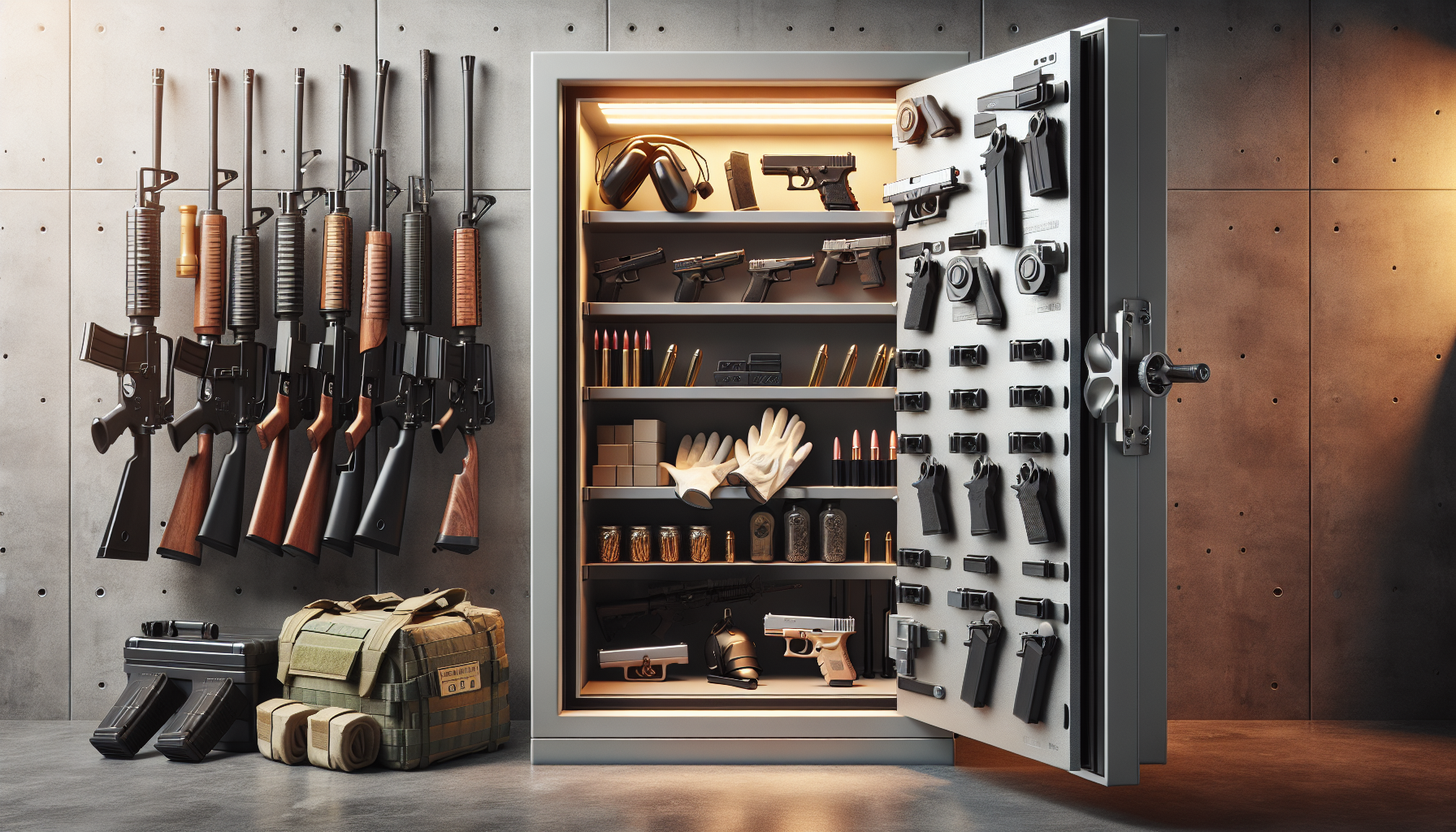
Law enforcement officers and military personnel need gun safes built for rapid access, serious theft resistance, controlled storage, and dependable performance under daily stress. The best gun safes for law enforcement and military personnel are not simply larger versions of residential cabinets; they are purpose-chosen security systems designed around duty weapons, long guns, credentials, ammunition, body armor, and the practical realities of shift work, deployments, and family life. In this buying guide, I will break down what matters most when choosing a safe, where premium features are worth paying for, and how to match a safe to your mission, home, and budget.
A gun safe, in practical terms, is a locking steel enclosure intended to prevent unauthorized access, delay burglary, organize firearms, and in many cases provide some level of fire protection. For officers and service members, that definition is too basic. The real requirement is layered risk control: keeping a duty pistol available but secure, protecting issued or personally owned rifles, separating weapons from children and visitors, documenting serial numbers, and avoiding storage mistakes that can compromise readiness or safety. I have worked with officers who needed one-touch bedside access after midnight shifts and with military households that needed larger modular storage after a PCS move. Their needs overlap, but they are not identical.
This topic matters because the consequences of choosing the wrong safe are immediate. A flimsy cabinet can be pried open in minutes. An oversized safe with poor interior layout can bury a patrol rifle behind hunting gear. An unreliable biometric lock can fail when hands are wet, cold, or gloved. On the other hand, the right safe supports secure daily routines. It reduces negligent access risk, simplifies weapon accountability, and protects expensive equipment from theft, humidity, and fire. As the hub for buying guides in the gun safes and safety category, this article covers the core selection criteria, the main safe types, expected feature tradeoffs, and the real-world questions buyers should answer before purchasing.
What law enforcement and military buyers should prioritize first
The first purchase decision is not brand; it is use case. Start by listing exactly what the safe must store in the next three years, not just today. A patrol officer may need room for a duty pistol, backup handgun, patrol rifle, shotgun, optics, magazines, armor carrier, and important documents. A military household may need secure storage for AR-platform rifles, handguns, suppressors where legal, serialized optics, NFA paperwork, and deployment records. If the safe will also hold passports, cash, and family documents, interior configuration and fire rating become more important.
Next, define access speed. Bedside pistol safes solve a very different problem than full-size long-gun safes. If your primary concern is securing a duty handgun while keeping it accessible during off-hours, a dedicated quick-access handgun safe is often the better first purchase. If you need consolidated storage for multiple weapons and accessories, a full-size safe is the foundation. In many officer households, the best answer is a two-safe setup: one rapid-access handgun safe in the bedroom and one anchored long-gun safe in a closet, garage, or dedicated room.
Construction quality matters more than marketing language. Many products are sold as safes when they are really residential security containers. That distinction matters because steel thickness, door design, lock protection, relocker mechanisms, and anchor points determine how long a unit resists forced entry. In the U.S. market, Underwriters Laboratories burglary ratings are meaningful when present, but many consumer gun safes do not carry full TL ratings because of cost. In that case, evaluate objective factors such as body steel gauge, solid plate doors versus composite doors, continuous welds, hard plates protecting the lock, and robust boltwork.
How to evaluate safe construction, locks, and fire resistance
Steel thickness is one of the clearest indicators of defensive value. Thicker steel is harder to cut, bend, and pry. Entry-level gun safes often use 14-gauge or thinner bodies. Mid-tier models may use 12-gauge or 11-gauge steel. Premium units frequently move to 10-gauge or heavier, with reinforced door structures. For an officer storing duty weapons, I generally advise avoiding thin sheet-metal cabinets unless they are a temporary measure inside a separately secured room. They can deter casual access, but they are weak against basic pry attacks.
Lock choice is equally important. Mechanical dial locks have a long service record and no batteries, but they are slower in low light and less convenient for repeated daily openings. Electronic keypad locks are the current standard because they are fast and simple to operate under stress. High-quality electronic locks from names like Sargent and Greenleaf or SecuRam are far preferable to generic no-name lock packages. Biometric locks can be excellent for handgun safes, but quality varies sharply. In testing and field use, fingerprint readers can struggle with dirty hands, dry skin, moisture, or off-angle placement, so the best units always include a dependable keypad or key override backup.
Fire protection needs careful interpretation. Safe makers advertise fire ratings in minutes and temperatures, but methods are not always standardized. Some use independent testing, while others use proprietary protocols. For a realistic buying decision, compare brands that disclose testing conditions and insulation methods. Fireboard-lined safes can protect contents in many residential fire scenarios, but no consumer safe is invincible in a prolonged structural collapse or extreme burn. If your main goal is document survival, use dedicated UL-classified document storage inside the gun safe or alongside it. Fire rating is valuable, but burglary resistance and anchoring usually matter more for firearms security.
| Feature | Best for | Main advantage | Main limitation |
|---|---|---|---|
| Mechanical dial lock | Long-term reliability | No batteries and proven durability | Slower access |
| Electronic keypad lock | Daily duty use | Fast, simple operation | Battery maintenance required |
| Biometric lock | Quick handgun access | Very fast when sensor quality is high | Can misread under poor conditions |
| 12-gauge or thicker body | Primary firearm storage | Better resistance to pry and cut attacks | Higher cost and weight |
| Independent fire testing | Mixed firearm and document storage | More credible performance claims | Often raises purchase price |
Best types of gun safes for officers, service members, and veterans
For most law enforcement buyers, the best all-around choice is a full-size rifle safe paired with a fast handgun vault. A full-size safe from Liberty Safe, Fort Knox, American Security, Browning, Rhino Metals, or Hollon can secure rifles, shotguns, pistols, magazines, and gear in one place. These companies differ in steel thickness, interior flexibility, lock options, and fire ratings, but each has models that suit serious home storage. American Security, often called AMSEC, stands out for stronger construction in many lines and a broad catalog that includes both residential gun safes and higher-security burglary-rated products.
Handgun vaults matter because many officers unholster a duty pistol at predictable times: after a shift, before sleep, or when entering a restricted location. In those moments, a bedside or vehicle-adjacent handgun safe prevents unsafe staging on a nightstand or shelf. Products from Vaultek, Fort Knox, V-Line, Hornady, and GunVault are common in this category. For duty use, I prefer simplex mechanical pushbutton designs or premium electronic models with reliable backup entry methods. A safe that opens quickly every time is more valuable than one with extra app features but inconsistent lock performance.
Military personnel often benefit from modular thinking. Frequent moves, base housing constraints, and changing family size can make a massive 1,200-pound safe impractical. In those cases, a medium-size safe with a flexible interior, external hinge clearance, and proper anchoring may be a better fit than the largest model in the showroom. Veterans building a long-term collection may move in the opposite direction and choose heavier 10-gauge or composite-door safes for better burglary resistance. The right answer depends on whether mobility, storage volume, or anti-theft strength is the top priority.
Size, placement, anchoring, and environmental control
Buy bigger than your current inventory suggests. Safe capacity numbers are notoriously optimistic because manufacturers count tightly packed long guns without optics, slings, lights, or staggered magazine setups. A “36-gun” safe may comfortably hold half that number once rifles have scopes and accessories. I advise buyers to estimate real capacity at roughly 50 to 70 percent of the advertised figure. That margin also leaves room for handguns in door organizers, paperwork, medical kits, and valuables that inevitably migrate into the safe over time.
Placement affects both security and usability. A safe installed in a ground-floor closet, basement corner, or interior room with limited pry clearance is harder to attack than one displayed in an open garage. At the same time, humidity in basements and temperature swings in garages can damage guns, optics, and paperwork. If a garage is the only viable location, choose a dehumidifier system, use desiccants as backup, inspect seals regularly, and avoid placing the safe where water runoff can reach the base. In humid regions, GoldenRod-style heating elements and rechargeable desiccant packs are simple, proven additions.
Anchoring is not optional. Even a heavy safe can be tipped for pry leverage or loaded onto a dolly by a determined burglary crew. Use the manufacturer’s anchor points and install into concrete with wedge anchors or into wood framing with appropriate lag hardware, following local structural constraints. If you rent or live in base housing, ask what modifications are allowed before delivery day. I have seen buyers focus on lock upgrades while ignoring anchoring, which is backwards. A strong safe that is not bolted down is easier to defeat than a moderate safe that is properly installed in a constrained location.
Buying by budget: what you get at each price level
Under roughly $500, the realistic options are handgun safes, steel cabinets, and a few very basic compact gun safes. This tier is suitable for immediate child access prevention and temporary organization, but not for high-confidence burglary resistance. If funds are tight, prioritize a quality quick-access handgun safe for the duty weapon and delay the larger purchase until you can afford heavier steel. Cheap full-size safes often look substantial on a sales floor while offering thin bodies, basic interiors, and weak lock protection.
From about $800 to $1,800, buyers enter the practical mid-market sweet spot. Here you can find full-size gun safes with better steel, improved boltwork, door organizers, power outlets, and meaningful fire protection claims. This range serves many officers well, especially when paired with anchoring and discreet placement. During holiday sales at Tractor Supply, Costco, Bass Pro Shops, Cabela’s, or local safe dealers, value improves significantly. The best deal is rarely the tallest safe on promotion; it is the unit with the best steel and lock package for the money.
Above $2,000, construction generally improves in ways that are noticeable and worthwhile: heavier bodies, better doors, upgraded locks, superior fit and finish, more credible fire design, and stronger hardware. At this level, custom interiors and premium brands become accessible. For buyers with higher risk exposure, expensive optics, or a large collection, stepping into this category is often justified. If you own short-barreled rifles, suppressors, thermal optics, or agency-relevant equipment with high replacement cost, spending more on secure storage is rational risk management, not excess.
Common buying mistakes and how to avoid them
The most common mistake is buying for today’s inventory instead of tomorrow’s use. Firearm collections and gear loads almost always expand. The second mistake is trusting marketing labels instead of construction details. Terms like “military style” or “tactical” say nothing about steel thickness, lock quality, or pry resistance. The third mistake is overvaluing fire ratings while underestimating burglary risk. In most homes, theft is the more immediate threat to firearms, especially if social media posts, contractor access, or visible deliveries reveal that guns are present.
Another mistake is choosing speed over reliability in lock systems. A biometric reader that fails occasionally is unacceptable on a duty handgun safe. Test lock operation repeatedly before trusting it with your primary defensive firearm. Replace batteries on a schedule, not after failure warnings. Keep override keys secured but accessible according to your household plan. For full-size safes, avoid obscure lock brands with weak service networks. A reputable lock supported by local safe technicians is worth more than an impressive touchscreen that cannot be serviced easily.
Finally, do not ignore household routines. The best gun safe is the one that fits your actual habits. If your gear drop happens at 2 a.m., the safe must be easy to use when tired. If children are in the home, every temporary staging point becomes a hazard. If you move often, measure doorways, stairs, floor loading, and truck access before ordering. Good buying decisions happen when security, convenience, and installation realities are treated as one system rather than separate issues.
The best gun safes for law enforcement and military personnel combine secure construction, dependable access, practical capacity, and installation that supports daily use. Buying well means starting with your mission: what you need to store, how quickly you need to reach it, where the safe will live, and what level of burglary resistance your environment demands. For most buyers, the strongest setup is a layered approach that includes a fast-access handgun safe and a properly anchored long-gun safe with room to grow.
If you remember only a few points, make them these: prioritize steel and anchoring over flashy features, choose lock systems with a proven service record, treat advertised capacity claims with skepticism, and plan for humidity and fire without assuming either replaces theft protection. Brands matter, but specifications matter more. A well-chosen mid-tier safe installed correctly will outperform a poorly placed premium model every time. That principle holds whether you are an officer securing duty gear after shift, an active-duty service member managing PCS realities, or a veteran building a serious collection.
Use this hub as your starting point for every gun safe buying decision in the broader gun safes and safety category. Compare safe types, narrow your must-have features, set a realistic budget, and measure your installation space before you shop. Then buy once, install it correctly, and build a storage routine you can trust every day.
Frequently Asked Questions
What makes a gun safe suitable for law enforcement officers and military personnel?
A gun safe for law enforcement and military use needs to do more than lock up firearms. It should support rapid access to duty weapons, provide meaningful protection against theft, and keep sensitive gear organized and ready for immediate use. Officers and service members often store handguns, patrol rifles, shotguns, magazines, credentials, optics, ammunition, body armor, and other mission-critical equipment in one place, so the interior layout matters just as much as the steel construction. A well-designed safe should allow quick retrieval without creating clutter or forcing gear to be stacked in a way that slows response time.
Construction quality is also a major differentiator. Look for thicker steel, reinforced doors, robust locking bolts, anti-pry features, and quality welds rather than thin metal cabinets marketed as safes. A suitable model should be able to handle repeated daily use without developing problems in the lock, hinges, or door alignment. This is especially important for professionals whose schedules may include overnight shifts, unpredictable callouts, deployments, or frequent transitions between on-duty and off-duty readiness.
For many law enforcement and military households, controlled storage is just as important as fast access. The right safe helps prevent unauthorized access by children, visitors, contractors, or anyone else in the home while still letting the owner get to a firearm quickly in an emergency. In short, the best gun safe for this audience is a purpose-built security system that balances access speed, theft resistance, gear organization, and long-term reliability under real-world daily stress.
Is rapid access more important than maximum size when choosing a safe for duty use?
In many cases, yes. While storage capacity matters, rapid access is often the first priority for law enforcement officers and military personnel who may need immediate access to a duty handgun or defensive long gun. A very large safe can be useful for storing an entire collection, but if it takes too long to open, requires digging through gear, or places the most important firearm behind other items, it may not serve the user well during a time-sensitive event. For duty use, accessibility and layout should be evaluated before raw storage numbers.
This does not mean smaller is always better. The ideal approach is usually to match the safe to the actual mission. Some professionals use a layered setup: a rapid-access handgun or rifle safe for immediate defensive needs and a larger main safe for long-term secure storage of additional firearms, ammo, documents, and equipment. That setup can work especially well for shift workers who need one firearm instantly available while keeping everything else protected and organized. It also reduces the temptation to overcrowd a single safe, which often leads to poor access and unnecessary wear on firearms and accessories.
When comparing options, pay attention to door swing, lock speed, shelf placement, interior lighting, and whether your duty setup fits without having to remove optics, lights, or slings. A safe that technically holds more guns is not automatically the better choice if it slows access or forces compromise in readiness. For professionals who rely on consistent, efficient retrieval, functional capacity often matters more than advertised capacity.
Which locking system is best for a law enforcement or military gun safe?
The best locking system depends on how the safe will be used, but for many law enforcement officers and military personnel, the top priorities are speed, reliability, and consistency under stress. Electronic locks are popular because they offer quick entry and simple operation, which can be valuable during urgent situations or after a long shift when fatigue is a factor. Biometric locks can also be attractive for fast access, especially on smaller bedside or vehicle-adjacent safes, but quality varies widely, and not every fingerprint scanner performs well in real-world conditions.
Mechanical dial locks remain respected for long-term durability and independence from batteries, but they are generally slower to operate. That makes them a solid option for a main storage safe where maximum speed is less critical than dependable security over time. Some users prefer an electronic lock on a quick-access safe and a mechanical lock on a larger secondary safe. This type of split approach can give the user both speed and redundancy.
No matter the lock style, overall quality matters more than marketing language. A well-built lock from a reputable manufacturer is usually a better investment than an advanced-looking feature set on a cheaply made safe. Users should also consider backup entry methods, battery accessibility, lock certification, and whether the keypad or scanner is easy to use in low light or under stress. For professional users, the best lock is the one that opens quickly when authorized, resists tampering, and continues to perform reliably through repeated use.
How much theft protection should officers and service members look for in a gun safe?
They should look for real theft resistance, not just basic concealment. Many firearm storage products on the market are essentially security cabinets made from thin steel, and while they may deter casual access, they are not the same as a true safe. For law enforcement and military personnel who may store duty weapons, serialized firearms, optics, credentials, and other valuable equipment, stronger construction is worth prioritizing. Heavier steel, reinforced doors, internal hinges or protected hinge designs, solid bolt work, and pry-resistant frames all contribute to a higher level of security.
Anchoring is equally important. Even a well-built safe can be compromised more easily if it is not bolted securely to the floor or wall structure. A smaller or mid-size safe that is properly anchored often provides better practical theft protection than a larger unanchored unit. Placement matters as well. Installing the safe in a discreet location with limited working space around the sides can make prying attacks more difficult and reduce visibility to guests or intruders.
Officers and military personnel should also think beyond burglary. Controlled access protects against unauthorized handling by family members, acquaintances, or temporary visitors. If the safe will hold documents, badges, cash, electronics, or issued gear, fire protection may also deserve attention, although theft resistance and reliable access often take priority for duty-related storage. The goal is to choose a safe that creates a meaningful barrier to attack while still fitting the user’s operational routine and access requirements.
What features help with daily organization and readiness inside a professional-grade gun safe?
Interior organization can have a major impact on readiness. For law enforcement and military personnel, a good gun safe should support the way equipment is actually used, not just provide open space. Adjustable shelving, door-mounted handgun racks, magazine pouches, document storage, rifle barrel supports, and dedicated compartments for ammunition or medical gear can make a significant difference. When gear is organized logically, the user can transition from home storage to duty preparation more efficiently and avoid wasting time searching for essential items before a shift or after an emergency callout.
Lighting is another important feature that is often overlooked. Interior LED lighting helps with identification of firearms, magazines, credentials, and accessories in low-light conditions, which is especially useful for night-shift personnel or anyone accessing the safe in the early morning hours. Dehumidification or moisture control is also valuable, particularly in humid climates, garages, basements, or homes where long guns and optics may remain stored for extended periods. Protecting metal components, ammunition, and electronic accessories from corrosion helps preserve reliability over time.
Finally, the best professional-grade safes support both security and workflow. That may include enough depth for rifles with optics, room for body armor or plate carriers, protected space for important documents, and a configuration that separates frequently used items from long-term storage. A safe that keeps weapons, gear, and credentials ready without becoming cluttered is far more useful than one that simply offers volume. For law enforcement and military users, readiness is not just about owning secure storage; it is about having secure storage that works smoothly every day.