
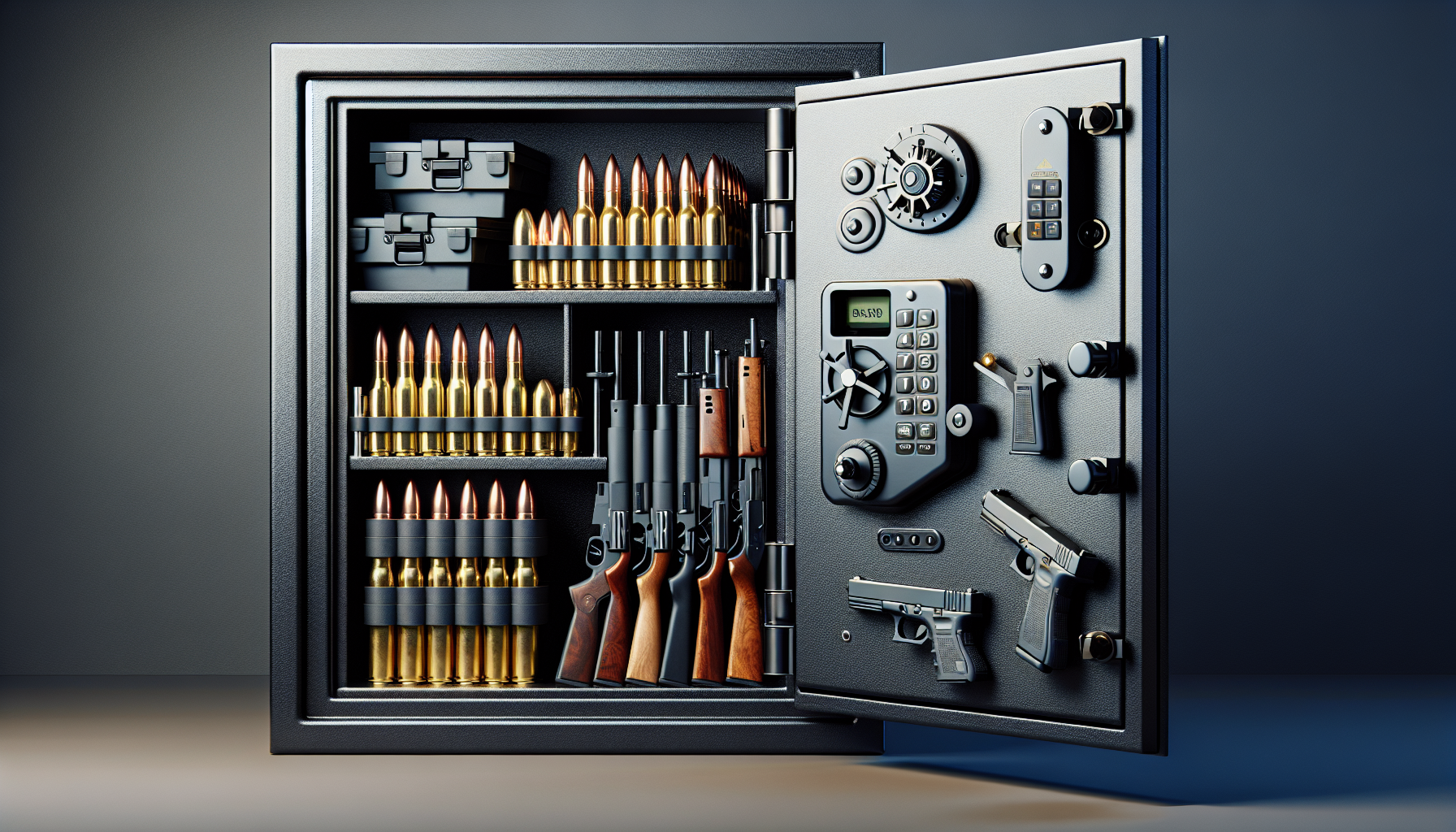
Choosing the best gun safes for storing ammunition separately starts with understanding a simple safety principle: firearms and ammunition should be secured in ways that reduce unauthorized access, fire risk, theft, and accidental loading. In practical terms, that usually means a primary safe for firearms and a separate locked compartment, secondary safe, or dedicated ammo cabinet for cartridges, shotgun shells, and magazines. As someone who has set up storage plans for households with hunters, competitive shooters, and first-time gun owners, I have seen one consistent pattern: people buy for gun capacity first, then regret not planning for ammunition, documents, optics, and future expansion.
A gun safe is a reinforced locking container designed to resist burglary, fire, or both. Ammunition storage is different. Ammo is dense, sensitive to heat, and best kept cool, dry, organized, and segregated by caliber and use. Separate storage does not mean inconvenient storage. It means a system that keeps firearms inaccessible to children or thieves, keeps ammunition dry and inventoried, and supports responsible access for lawful owners. Many states and localities also expect secure storage when minors may be present, and insurance claims after burglary or fire often hinge on whether reasonable protective steps were taken.
This buying guide is the hub for selecting the right safe setup. It explains what to look for in the best gun safes for storing ammunition separately, how to compare sizes and lock types, when a dual-safe setup beats an internal locker, and which features matter most for pistols, rifles, and bulk ammo. If you want one answer up front, it is this: buy a gun safe that exceeds your current firearm count by at least 30 percent, anchor it to concrete whenever possible, and use a distinct locked ammo solution with humidity control and clear labeling. That approach is safer, more flexible, and easier to manage over time.
Why separate ammunition storage is the smartest buying strategy
Separate ammunition storage improves safety because it adds layers. A thief who reaches a firearm but not the ammunition cannot use it immediately. A child who discovers one storage area still faces another barrier. During home moves, maintenance, or safe reorganization, it also prevents loose rounds from mixing with cleaning chemicals, batteries, or important papers. In my experience, households that separate guns and ammunition maintain inventories better and spot shortages, corrosion, or caliber mix-ups faster.
Separate storage also solves a common capacity problem. Ammo is heavy. A thousand rounds of 9mm can weigh about 26 pounds, and bulk .223 or 12-gauge shells add up fast. Many residential gun safes are marketed around long-gun counts, not shelf load, so stacking cases of ammunition inside the main safe can waste usable firearm space and strain interior shelves. A dedicated ammo locker, steel cabinet, or secondary burglary-rated box often gives better organization and lower cost per cubic inch than upgrading to a much larger gun safe.
There are limitations. Separate storage can slow access in a defensive emergency, so owners who keep a home-defense firearm often use a quick-access handgun safe for the firearm and store the majority of ammunition elsewhere. The point is not to make lawful access impossible. The point is to make unauthorized access difficult while keeping routine storage controlled, dry, and accountable.
How to evaluate the best gun safes for storing ammunition separately
Start with construction. Steel thickness matters more than glossy paint, door embroidery, or oversized capacity claims. For many residential buyers, 12-gauge to 10-gauge steel bodies are a meaningful starting point, with thicker steel providing better pry resistance. Doors often use composite construction, and the locking system should include multiple live bolts and a reinforced frame. If a safe maker advertises an independent burglary rating from Underwriters Laboratories, that carries more weight than marketing language alone. Most consumer gun safes are not true commercial burglary safes, so compare honestly.
Next, assess fire protection carefully. Fire ratings vary widely because manufacturers test differently. Look for stated duration and temperature, but also ask how the safe was tested, whether heat exposure included a cool-down phase, and whether door seals expand under heat. Paper chars around 451 degrees Fahrenheit, but ammunition performance and packaging integrity can degrade under lower sustained heat and high humidity. For that reason, I advise clients to think of fire protection as buying time for the fire department, not guaranteeing perfect contents after a major structural fire.
Lock type is the next decision. Mechanical dial locks have long service records and no batteries, but they are slower. Electronic keypad locks are faster and easier for multiple household users, though batteries and electronics can fail. Premium locks from Sargent and Greenleaf or SecuRam generally outperform no-name imports. Biometric locks can be useful on bedside handgun safes, but for larger long-gun safes I still prefer a quality keypad or mechanical lock because consistency matters more than novelty.
Interior design matters because this article is about buying guides, not just safe shells. Adjustable shelving, barrel rests, door organizers, and dedicated pistol racks let the main safe hold firearms efficiently while your separate ammo storage handles weight and sorting. If you reload, add space planning for powder and primers based on applicable fire code guidance and manufacturer recommendations rather than stuffing everything into one box.
Best storage configurations for different buyers
The best setup depends on what you own and how you use it. A first-time handgun owner in an apartment usually needs one quick-access pistol safe and one smaller locking ammo box with desiccant. A hunting household often needs a mid-size long-gun safe for scoped rifles and shotguns plus a locking ammo cabinet for seasonal loads, choke tubes, and field accessories. Competitive shooters and high-volume trainers benefit from a heavier main safe and a secondary steel cabinet or utility room locker because case lots of ammunition consume space quickly.
Here is the configuration framework I use when comparing options for clients and family members.
| Buyer type | Main firearm storage | Separate ammo storage | Best reason |
|---|---|---|---|
| Apartment owner | Compact bolted handgun or small rifle safe | Locking ammo can or small steel cabinet | Saves floor space and improves child safety |
| Hunter | 24 to 36 gun safe with adjustable shelves | Dedicated ammo cabinet with caliber bins | Protects optics and organizes seasonal loads |
| Collector | Heavier safe or UL rated security container | Secondary burglary resistant box | Reduces clutter inside the main display safe |
| Competitive shooter | Large safe with door storage and document shelf | Separate cabinet for bulk case lots | Handles weight and keeps training inventory visible |
| Family with children | Anchored safe with keypad lock | Distinct locked location, ideally another room | Adds layered access control |
A separate internal locker can work, but it is usually a compromise. It is better than leaving ammunition loose on a shelf, yet it rarely matches the capacity or organization of a dedicated ammo cabinet. If your priority is strict separation, buy two true locking units. If your priority is limited space, choose a main safe with an internal locker and plan a future upgrade path.
Features that matter most in a buying guide
Anchoring is nonnegotiable. Even a heavy safe can be tipped, pried, or hauled away with dollies if it is not bolted down. Concrete slab installation is ideal, and quality wedge anchors are inexpensive compared with the value of what the safe protects. On upper floors or wood subfloors, verify joist load capacity because ammunition weight surprises people. I have seen buyers fill a safe and cabinet with enough ammunition to create hundreds of pounds of concentrated load in a closet corner.
Humidity control is equally important. Ammunition lasts longest in stable, dry conditions. Use rechargeable desiccants, a GoldenRod style dehumidifier, or both, depending on the enclosure. For coastal climates, basements, or garages, you need more than a silica pack tossed on a shelf. Corrosion starts quietly on brass and steel components, then shows up when you need reliable ignition. Keep ammo in original boxes or labeled cans, off bare concrete, with lot numbers visible when possible.
Organization features save money because they prevent duplicate purchases and mismatched calibers. Label shelves clearly. Separate defensive ammunition, hunting loads, range ammunition, and rimfire bulk packs. Magazines should be stored unloaded or loaded according to your maintenance preference, but they should still be segregated by firearm type. Good organization turns your safe area into an accountable storage system instead of a pile of expensive metal boxes.
Finally, think beyond the safe itself. Placement should avoid obvious sight lines from doors and windows, minimize moisture exposure, and allow enough swing clearance to access shelves. Closet installs are common, but utility rooms, reinforced corners, and discreet basement spaces can work well if humidity is controlled. Delivery path and stair access also matter. Some excellent gun safes never make it into homes because buyers measure the footprint but forget the dolly angle, handrail clearance, or landing turns.
Recommended safe categories and trusted brands
For handgun-focused households, quick-access safes from Vaultek, Fort Knox, and Hornady are common starting points. Vaultek offers strong user interfaces and app features on some models, though I still tell buyers to evaluate electronic complexity against long-term simplicity. Fort Knox pistol boxes have a durable reputation and straightforward mechanical strength. Hornady RAPiD models are popular for bedside access, especially when paired with a larger primary safe elsewhere in the home.
For full-size gun safes, many buyers compare Liberty Safe, Browning, Winchester, Cannon, Sports Afield, Rhino Metals, and Fort Knox. The right choice depends on budget and the level of construction you are actually getting, not just branding. Fort Knox and Rhino often appeal to buyers who want heavier steel and more customization. Browning is known for practical interiors, especially for mixed firearm collections. Liberty has long held strong brand recognition in residential gun safes, and many of its models are easy to source locally with delivery support.
For separate ammunition storage, Stack-On style steel cabinets, SecureIt modular cabinets, and lockable steel job boxes can all work, depending on your environment and budget. A dedicated ammo cabinet does not need velvet interiors or trophy styling. It needs a reliable lock, sensible shelf spacing, manageable weight, and enough airflow control to support dehumidification. If you are storing substantial quantities, a purpose-built steel cabinet with labeled bins often works better than packing heavy cans into the bottom of your gun safe.
No brand is perfect across every price tier. That is why buying guides should focus on verifiable specifications: steel gauge, lock pedigree, fire seal design, shelf load, interior adjustability, warranty terms, and dealer service quality. In the real world, local dealer setup and warranty support can be as important as the badge on the door.
Common mistakes buyers make and how to avoid them
The biggest mistake is trusting published gun counts. A “36-gun safe” rarely holds 36 modern long guns with optics, slings, bipods, and AR magazines attached. Realistic capacity may be half to two-thirds of the label. That is one reason separate ammo storage is so valuable: it preserves the main safe for firearms rather than turning it into a cramped supply closet. Buy larger than you think you need.
Another mistake is overvaluing fire ratings while ignoring burglary resistance. Most residential thefts are quick attacks with pry tools, not laboratory fire events. A safe with better steel and anchoring but a modest fire rating may protect your firearms better than a thinner box wrapped in marketing claims. The ideal answer is balance, but if forced to choose in many suburban burglary scenarios, I prioritize construction, lock quality, and anchoring first.
Buyers also underestimate documentation. Record serial numbers, keep purchase receipts, and photograph contents. Store digital copies securely offsite or in encrypted cloud storage. Insurance riders for firearms collections can fill gaps left by standard homeowners policies, which may impose sublimits. Separate ammunition inventories are useful too, especially for higher-end defensive loads, match ammunition, or hard-to-find calibers.
Do not overlook legal and household realities. If children, visitors, caregivers, or contractors are regularly present, access control standards should be stricter. If you move often, modular cabinets or lighter secondary ammo storage may be more practical than one enormous safe. If you live in a humid garage climate, do not treat a garage install as equal to indoor conditioned space. Every buying decision sits inside a real household, and the best gun safes for storing ammunition separately are the ones that fit daily life without creating shortcuts.
The best gun safes for storing ammunition separately are not defined by one brand or one lock type. They are defined by a storage plan that matches your firearms, your home, and your risk level. For most buyers, the winning formula is straightforward: a properly anchored gun safe with realistic excess capacity, plus a dedicated locked ammo cabinet or box with humidity control and clear labeling. That setup improves safety, preserves firearm space, supports better inventory habits, and creates meaningful barriers against unauthorized access.
If you are using this page as your buying guide hub, remember the priorities in order. Start with construction quality and anchoring. Then compare lock reliability, interior flexibility, and fire protection claims. After that, choose the separate ammo solution that fits your volume, climate, and floor load. Avoid marketing shortcuts like inflated gun counts or decorative extras that do nothing for security. Focus on steel, locks, organization, and service support from a reputable dealer or manufacturer.
When buyers take this layered approach, they usually spend more wisely and regret less. They stop cramming cartridges onto safe shelves, stop guessing what they have on hand, and gain a cleaner, safer storage routine. Use this hub as the starting point for every purchase decision in your gun storage plan, and build a setup that remains secure, organized, and practical for years.
Frequently Asked Questions
Why is it recommended to store ammunition separately from firearms?
Storing ammunition separately from firearms is one of the most practical ways to improve overall household gun safety. The main reason is simple: if a firearm and its matching ammunition are not kept together, it becomes much harder for an unauthorized person, child, visitor, or thief to quickly load and use the firearm. That extra layer of separation creates time, and time is often what prevents accidents, impulsive misuse, and unauthorized access.
Separate storage also helps support better organization. When ammunition is stored in its own locked cabinet, ammo safe, or internal locking compartment, it is easier to sort by caliber, track inventory, rotate older defensive or hunting loads, and prevent mix-ups between cartridges that may look similar. For households with multiple firearms, this matters a great deal because using the wrong ammunition can be dangerous and can damage a firearm.
There is also a fire-safety and risk-management benefit. While properly stored ammunition generally does not behave like explosives in the way many people assume, keeping it in a dedicated, cool, dry, locked location away from firearms and away from ignition sources is still a smart best practice. In real-world storage planning, the most secure setup is often a dedicated gun safe for firearms plus a separate ammo cabinet or lockbox designed to control access, reduce clutter, and support responsible storage habits.
What features should I look for in a gun safe or ammo cabinet when storing ammunition separately?
If your goal is to store ammunition separately and responsibly, focus first on secure access control. A good ammo storage solution should have a dependable locking system, whether that is a high-quality key lock, mechanical combination lock, or electronic keypad. The lock should be robust enough to deter casual tampering and unauthorized access, especially in homes with children or frequent guests. For many people, a dedicated ammo cabinet with reinforced steel construction offers an ideal balance of security, organization, and affordability.
Material quality matters as well. Steel gauge, door reinforcement, hinge protection, and the overall rigidity of the cabinet or secondary safe all affect how resistant it will be to prying and forced entry. If the storage unit can be bolted to the floor or wall, that is a major advantage because it prevents theft of the entire cabinet. This is especially important with smaller ammo safes or lockboxes, which can otherwise be carried away if left unsecured.
Environmental protection is another key feature. Ammunition should be kept dry and in a stable environment, so look for storage with a good seal, interior organization options, and enough room for desiccants or a dehumidifier if humidity is a concern. Shelving strength is important too, because ammunition gets heavy quickly. A cabinet may look spacious on paper, but if the shelves sag under loaded ammo cans, that becomes a long-term usability problem. Fire protection can also be a worthwhile consideration, though many buyers prioritize access control and moisture management first for ammunition storage. The best setup is one that is secure, sturdy, anchored, and organized enough to keep calibers separated and easy to manage.
Is a separate internal locking compartment enough, or should I use a completely separate ammo safe?
That depends on your household, your risk level, and how strictly you want to separate firearms from ammunition. An internal locking compartment inside a larger gun safe can be a good solution for some owners because it keeps everything in one central, controlled location while still requiring a second level of access. This setup works well for people with limited space, moderate ammo quantities, and a strong safe already installed in a secure area of the home.
However, a completely separate ammo safe or dedicated metal ammo cabinet usually provides a stronger interpretation of separate storage. It physically divides the firearms from the cartridges, shells, and loaded magazines, making unauthorized loading less convenient and less immediate. That can be particularly valuable in homes with children, teenagers, shared occupancy, contractors coming in and out, or anyone who wants a higher margin of safety. A separate cabinet also improves inventory control because ammunition can be arranged by caliber, use case, and quantity without crowding the firearm safe.
In practice, many experienced owners prefer a two-container system: a primary gun safe for firearms and a second locked unit for ammunition and magazines. This approach often works best for hunters, sport shooters, and multi-firearm households because it scales better over time. If you only have a small amount of ammunition and limited room, an internal locking compartment may be sufficient. If you want the best combination of safety, organization, and separation, a dedicated ammo safe or cabinet is usually the more effective long-term choice.
Can I store loaded magazines in the same place as my ammunition, or should they be separated too?
Loaded magazines occupy a middle ground in storage planning because they are technically ammunition-containing items, but they are also part of the firearm’s functional system. Whether to store them with loose ammunition, in a separate locked bin, or in the firearm safe depends on your priorities. From a strict safety and unauthorized-access standpoint, storing loaded magazines in the same locked container as loose ammunition, separate from the firearms themselves, generally makes sense. That way, even if someone accessed the firearm safe, they would still not immediately have a loaded feeding device available.
If readiness is a factor, some owners choose a more nuanced arrangement. For example, they may store training ammunition and spare magazines in a separate ammo cabinet, while keeping a specific defensive magazine in a quick-access but controlled location according to their legal obligations, household needs, and personal security plan. The right answer depends heavily on your living situation and the balance you want between defensive access and maximum separation.
For most general-purpose storage plans, consistency is the best policy. If your article’s focus is safe storage of ammunition separately, then storing loaded magazines with other ammunition-related items in a dedicated locked container supports that principle well. Use labeled bins, caliber-specific sections, and clear household rules so there is no confusion about what belongs where. The key objective is to reduce immediate unauthorized loading while still keeping your system organized, secure, and practical to maintain.
How should ammunition be organized inside a separate safe or cabinet for long-term storage?
The best long-term ammunition storage system is secure, dry, clearly labeled, and easy to audit. Start by grouping ammunition by caliber and gauge, then separate by purpose such as defensive loads, hunting rounds, practice ammunition, shotgun shells, rimfire, or specialty cartridges. This prevents dangerous confusion and makes it much easier to know what you have on hand. Original manufacturer boxes are often helpful because they preserve lot information and load details, but many owners also use labeled ammo cans or bins for cleaner stacking and more efficient use of shelf space.
Moisture control is essential. Store ammunition in a cool, dry location inside the cabinet or safe, and add desiccant packs or a suitable dehumidifying solution if your climate is humid. Avoid placing ammunition directly on concrete floors if you are using cans or crates nearby, and inspect storage areas periodically for rust, condensation, or seal failure. Strong shelves and balanced weight distribution matter too, since ammunition can become extremely heavy. Put the heaviest calibers and bulk cases on lower shelves to reduce strain on the cabinet and improve stability.
It is also smart to build a simple rotation system. Place older ammunition toward the front and newer stock toward the back, especially for defensive or hunting loads you may want to cycle periodically. Keep an inventory list so you can track quantity, purchase dates, and intended use. If magazines are stored in the same cabinet, dedicate a separate section for them and label whether they are loaded or unloaded. A well-organized ammo cabinet does more than save time; it reinforces safe handling habits, reduces mistakes, and helps ensure your separate-storage plan remains effective over the long term.