
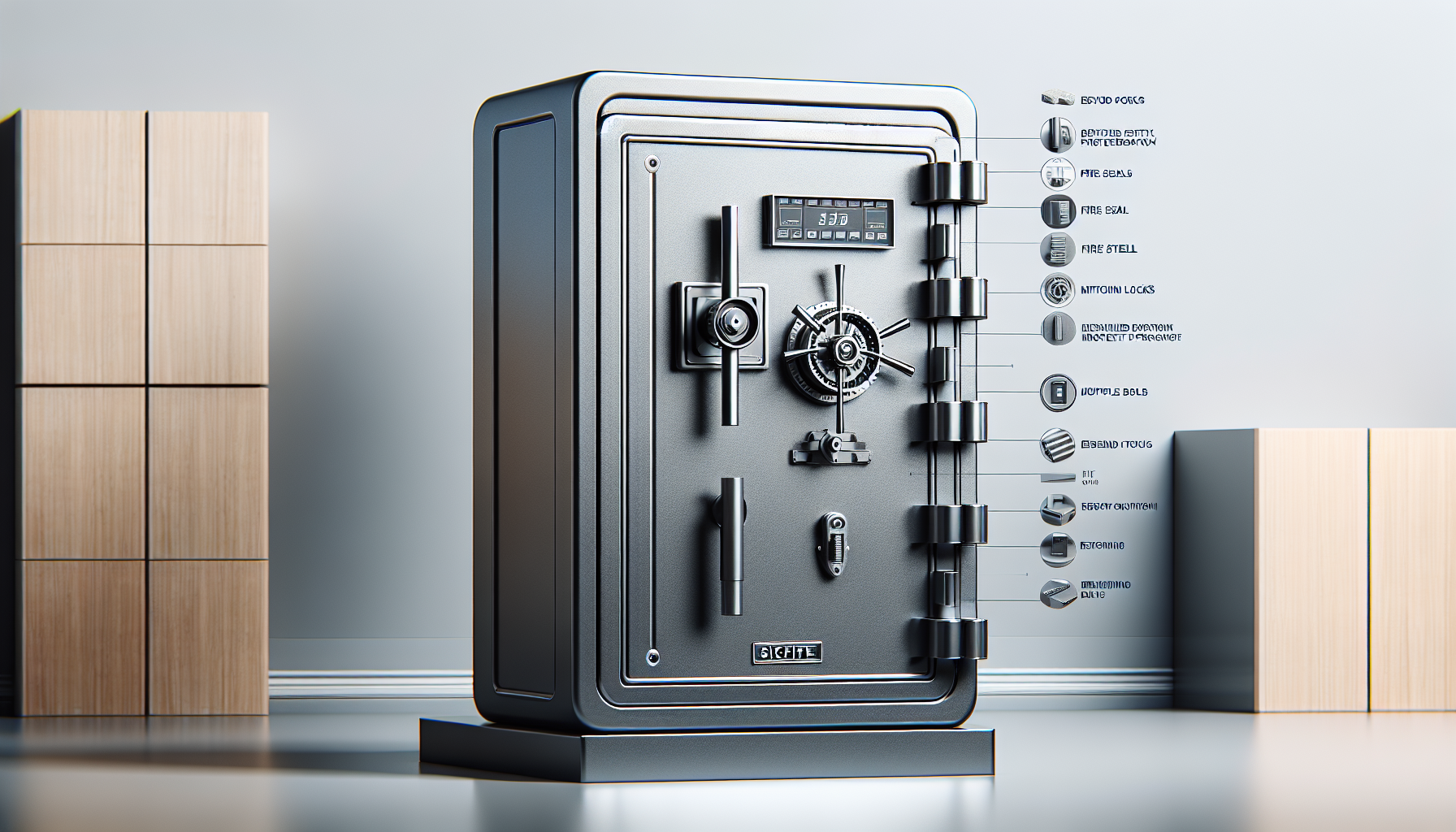
The best heavy-duty gun safes that offer maximum burglary protection combine thick steel, strong boltwork, relockers, hard plates, reinforced doors, and disciplined installation into one system that resists attack long enough to defeat common residential break-in methods. In practical terms, a “heavy-duty” gun safe is not just large or expensive. It is a burglary-resistant container engineered to slow prying, drilling, punching, grinding, and tampering, while also protecting firearms from unauthorized access. For buyers shopping the gun safes and safety category, this buying guide serves as the central resource for evaluating build quality, lock types, ratings, capacity claims, interior layout, and installation choices before spending thousands of dollars.
This topic matters because most gun safe purchases are made under pressure: a new firearm enters the home, children are present, insurance requirements change, or a recent burglary makes the risk feel immediate. I have helped buyers compare safes in showrooms, move them into tight residential spaces, and inspect entry points after failed break-in attempts, and the pattern is consistent. The safest-looking cabinet is not always the most secure unit. Marketing often emphasizes paint, lighting, and door organizer panels, while real burglary protection depends on steel thickness, door construction, anchor strategy, and lock resilience. Understanding those fundamentals helps you buy once, avoid overpaying for decorative upgrades, and focus on the features that materially increase resistance to theft.
At the hub level, a complete heavy-duty gun safe buying guide must answer five questions clearly. What construction details actually stop burglars? Which certifications and ratings are worth trusting? How do major lock options compare in reliability and security? What size and interior configuration fit a real collection, not a brochure estimate? And which brands and models have earned strong reputations for serious burglary protection? The sections below address each question directly, using plain language, concrete examples, and practical standards so you can shortlist the right safe for your home, collection, and risk profile.
What Makes a Heavy-Duty Gun Safe Burglary Resistant
The core of burglary protection is steel, but buyers need to know where the steel is, how thick it is, and how the safe is assembled. Many entry-level “gun safes” use 14-gauge to 12-gauge steel bodies, which may be adequate for basic unauthorized access prevention but can yield relatively quickly to aggressive prying or power tools. A serious heavy-duty safe typically starts around 10-gauge steel for the body, with better options moving to 7-gauge, 3/16-inch, or 1/4-inch plate. Plate-steel doors are generally stronger than thin outer skins wrapped around layers of fireboard, although composite constructions can still perform well when designed correctly. In the field, the difference between a thin cabinet and a true heavy safe is obvious once the pry bar comes out.
Door design matters as much as body thickness. A strong door uses substantial plate or composite construction, deep internal bends for rigidity, and a robust bolt carriage that engages multiple sides of the frame. Active locking bolts on the opening side look impressive, but the hinge side needs protection too, either through fixed dead bars or full interlocking profiles. Continuous pry resistance comes from minimal door gaps, reinforced jambs, and hard-to-flex frame geometry. On better safes, manufacturers add drill-resistant hard plates over the lock and relockers that trigger if the lock is attacked. Those internal defenses matter because many targeted burglaries focus on the lock area, not the broad face of the safe.
Weight is another useful indicator, though not a stand-alone measure. A 1,000-pound safe is harder to remove than a 350-pound unit, but weight can come from fire insulation, interior finish, or large dimensions rather than better anti-theft construction. That is why specs should be read together: steel gauge, total weight, door thickness, number of relockers, bolt diameter, and anchor provisions. Burglary protection also depends on install conditions. Even a premium safe becomes easier to defeat if it is freestanding in a garage, visible from the street, and not anchored to concrete. The best heavy-duty gun safes achieve maximum burglary protection only when construction and placement work together.
Which Ratings and Certifications Matter Most
Buyers often ask whether they should trust manufacturer claims or third-party ratings. The short answer is that independent testing is more meaningful. For burglary resistance, Underwriters Laboratories remains the most recognized benchmark. Residential Security Container, or RSC, is common in the gun safe market and indicates resistance to a defined attack test using basic hand tools for a limited time. RSC is better than no rating, but buyers seeking maximum burglary protection should understand its limits. It does not mean the safe is equivalent to a commercial TL-rated safe. TL-15 and TL-30 ratings, found more often on high-security jewelry or cash safes, represent a much higher level of tested resistance against more aggressive tool attacks.
That distinction matters because many premium gun safes are well-built yet still not commercial burglary safes. Some brands have introduced upgraded categories such as RSC Level II, which increases test rigor and is a meaningful step up for residential buyers. California Department of Justice compliance addresses minimum firearm storage and lock standards, but it should not be confused with elite burglary resistance. Fire ratings also deserve scrutiny. There is no universal house standard across the gun safe market, and some stated fire times are based on proprietary testing rather than a recognized independent furnace test. For a buying guide focused on theft resistance, fire protection is important, but it should never distract from construction strength.
The safest approach is to treat ratings as one layer of evidence. Compare them with steel thickness, lock protections, fit and finish, and the manufacturer’s reputation for publishing real specifications. Brands that explain body gauge, door plate dimensions, and testing standards transparently are generally more trustworthy than brands using only broad phrases like “military style” or “extreme security.” Insurance requirements can also shape the decision. Some insurers care about burglary ratings, documented value limits, and proof of anchoring. If your collection includes NFA items, high-end optics, or heirloom firearms, it is wise to verify insurance terms before purchase. The right rating should support your risk profile, not merely decorate the brochure.
Lock Types, Relockers, and Attack Resistance
For most buyers, the lock is the most visible decision and the most misunderstood. Mechanical dial locks remain highly respected because they are durable, proven over decades, and not dependent on batteries or circuit boards. Quality mechanical locks from Sargent and Greenleaf or La Gard can run for many years with minimal issues when properly serviced. Their tradeoff is slower access and a steeper learning curve for some users. Electronic keypad locks offer faster entry and simpler code changes, which is why they dominate modern gun safe sales. A good electronic lock from a reputable maker can be dependable, but cheap import keypads and poorly sealed electronics cause a disproportionate share of lock complaints.
Biometric locks are popular in handgun safes, yet on full-size heavy-duty gun safes they should be approached cautiously. Fingerprint systems can be convenient, but they are generally best treated as a convenience layer rather than the sole reason to choose one model over another. Burglary resistance around the lock matters more than convenience features. Hard plates resist drilling, spring-loaded relockers activate when the lock body is punched or attacked, and protected spindle or cable routes reduce direct access to vulnerable parts. On better safes, these features are standard, not optional. A lock without robust surrounding defense can become the weak point of an otherwise substantial safe.
Redundancy is another sign of thoughtful engineering. Some manufacturers pair multiple relockers with tempered glass plates, so attempted drilling causes internal components to block boltwork movement. Others shield the lock area with manganese hard plate, which is difficult to drill and slows common attack paths. In practical buying terms, choose the lock type based on your daily access needs, then verify the anti-drill and relocker package behind it. I generally advise buyers with larger collections to prioritize a proven electronic or mechanical lock from a recognized brand over unproven smart features. Reliability under stress matters more than novelty, especially when the safe protects firearms, documents, and irreplaceable accessories.
How to Compare Brands, Models, and Real Capacity
Brand comparison gets tricky because most manufacturers offer multiple lines ranging from decorative entry units to genuinely heavy-duty models. In the premium residential segment, names such as AMSEC, Fort Knox, Hollon, Liberty, Browning, Rhino Metals/Cannon, and Sportsman Steel come up frequently, but the correct comparison is line against line, not logo against logo. For example, AMSEC BF and RF series safes are built for different purposes than lighter cabinet-style offerings in the broader market. Fort Knox is often praised for customization and heavier steel upgrades. Hollon has earned attention for models that bring stronger steel and useful certifications to buyers who want more than entry-level construction without stepping into full commercial TL pricing.
Capacity claims require the same skepticism. A “48-gun” safe may hold that number only if the collection consists of slim, unscoped rifles with no slings, bipods, lights, or pistol grips. In actual use, modern sporting rifles, precision rifles with large optics, and shotguns with accessories consume far more room. A realistic planning rule is to buy a safe rated for at least 30 to 50 percent more long guns than you currently own. Interior flexibility also matters. Adjustable shelving, barrel racks, door organizers, and modular supports can increase usable space, but overloading the door with handguns and magazines adds weight and can reduce clearance for long guns inside if the layout is poorly designed.
| Buying Factor | What to Look For | Why It Matters |
|---|---|---|
| Body steel | 10-gauge minimum, preferably thicker | Improves resistance to pry attacks and cutting |
| Door construction | Plate or reinforced composite door | Protects the most common attack surface |
| Lock package | UL-listed lock, hard plate, relockers | Reduces vulnerability to drilling and punching |
| Rating | RSC at minimum, stronger if budget allows | Provides independent evidence of test performance |
| Capacity | Oversize beyond current collection | Prevents crowding and preserves organization |
| Anchoring | Factory anchor holes and solid install plan | Stops thieves from removing the whole safe |
When comparing models, separate burglary features from convenience features. Interior lighting, dehumidifiers, USB outlets, and upholstery improve ownership but do not make a safe harder to break into. Focus first on steel, door design, lock protection, and anchor strategy; then compare organization, finish, and fire package. Also look closely at warranty terms and service support. A lifetime replacement warranty after fire or break-in sounds impressive, but buyers should ask about labor, freight, locksmith coverage, and exclusions. A brand with responsive dealer support and available parts is often a better long-term choice than a brand with louder marketing and thinner service infrastructure.
Installation, Placement, and the Mistakes That Undermine Security
A heavy-duty gun safe can lose much of its burglary advantage if it is installed poorly. The first rule is anchoring. Bolting the safe to concrete is ideal; anchoring to substantial wood framing can work when done correctly, but concrete generally provides stronger resistance against removal. Thieves prefer to tip a safe onto its back because prying and cutting become easier from that position. Proper anchoring prevents that tactic and makes it far harder to move the safe to a secondary location for a leisurely attack. If the safe sits on a raised floor, buyers should confirm structural load capacity, especially with models weighing 1,000 pounds or more before firearms and ammunition are added.
Placement should minimize visibility and working space for attackers. A tucked corner location that restricts door-side pry bar access is better than an exposed wall in a garage. Closets, interior rooms, and basement locations often reduce visibility, but humidity must be managed with desiccants, goldenrod-style heaters, or climate control. Avoid installing a premium safe where delivery crews can be easily observed from the street if discretion is a concern. Many experienced owners also layer security with alarm sensors, cameras, motion lighting, and monitored systems. A safe is delay equipment, not an isolated solution. The goal is to create enough noise, time, and uncertainty that a burglar abandons the attempt.
Common buying mistakes are predictable. People underestimate future collection growth, overvalue glossy interiors, choose based on stated gun count, or assume any “fire safe” is highly burglary resistant. Another mistake is ignoring doorway clearances, stair geometry, and final placement logistics before ordering a very large model. Professional delivery matters because damaged floors, compromised stair treads, and unsafe handling can turn a smart purchase into a costly problem. The best path is to define your threat level, budget for installation as part of the project, and buy the strongest safe that fits your space and realistic storage needs. If you are building out a complete protection plan, continue with the related buying guides on gun safe fire ratings, safe room placement, dehumidification, and pistol safe selection to choose every layer with the same discipline.
The best heavy-duty gun safes that offer maximum burglary protection are the ones built around genuine resistance, not showroom appeal. Thick steel bodies, reinforced doors, quality locks, relockers, hard plates, credible ratings, and secure anchoring are the features that consistently matter. Once those fundamentals are in place, size, interior flexibility, fire performance, and finish help refine the choice. Buyers who understand the difference between marketing language and measurable construction can compare safes far more effectively and avoid paying premium prices for cosmetic upgrades that do little against real attacks.
As a hub for gun safe buying guides, this page is designed to help you make that comparison with confidence. Start by defining your collection size, replacement value, access needs, and likely installation location. Then narrow the field to models with transparent specifications, recognized lock components, and meaningful burglary ratings for your budget. Finally, treat delivery, anchoring, and layered home security as part of the purchase, not afterthoughts. If you are ready to move from research to selection, use this guide as your checklist and continue into the supporting articles in this subtopic to choose the right safe, the right setup, and the right long-term protection strategy for your firearms.
Frequently Asked Questions
What features actually make a gun safe “heavy-duty” for burglary protection?
A heavy-duty gun safe is defined by how well it resists forced entry, not just by its size, weight, or price tag. The most important factors start with steel thickness in the body and especially the door, because thicker steel is harder to pry, cut, bend, or punch through. A true burglary-focused safe also uses robust boltwork that secures the door at multiple points, reinforced door edges that reduce pry opportunities, and a solid frame that keeps the door from flexing under attack. High-quality relockers and hard plates are also essential. Hard plates help shield the lock from drilling, while relockers are designed to trigger if someone attacks the lock or internal mechanism, keeping the safe locked even if the primary lock is compromised.
Beyond the core structure, the best heavy-duty gun safes are engineered as complete systems. That means a reliable lock, well-protected internal components, reinforced hinge areas, and a design that slows down common residential break-in methods such as prying with bars, drilling near the lock, grinding vulnerable corners, or trying to tip the safe over. The label “heavy-duty” should therefore be viewed as shorthand for burglary resistance achieved through material strength, lock protection, door design, and installation. A safe that simply looks impressive but lacks thick steel, anti-drill protection, and secure anchoring is not offering maximum burglary protection in real-world conditions.
How important is steel thickness when choosing the best heavy-duty gun safe?
Steel thickness is one of the most important indicators of burglary resistance because it directly affects how difficult the safe is to pry open, cut, drill, or deform. In practical terms, thicker steel generally means better resistance to fast attacks with common tools. The door usually deserves special attention because it is the primary target during a burglary. A heavy-duty gun safe with a thick, reinforced door and a stronger body will typically outperform a larger but thinner safe that relies mainly on appearance or interior capacity. Steel thickness alone is not the only factor, but it forms the structural foundation for everything else the safe does well.
That said, steel thickness should never be evaluated in isolation. A safe with moderately thick steel but excellent door design, strong boltwork, relockers, hard plates, and proper installation can outperform a poorly engineered safe made with heavier material. Burglary resistance comes from the combined effect of steel gauge, reinforcement, lock protection, and how the safe is mounted in the home. The smartest approach is to look for a balanced design: substantial steel in the body and door, minimal pry gaps, reinforced locking areas, and a layout that does not expose easy attack points. If your goal is maximum burglary protection, steel thickness matters a great deal, but it matters most when it is part of a complete anti-theft design.
Do relockers, hard plates, and reinforced doors really make a big difference?
Yes, they make a major difference because they specifically address the most common ways criminals attack gun safes. A hard plate is intended to protect the lock and surrounding mechanism from drilling, which is one of the quickest routes an intruder may attempt if they know where to target. A relocker adds another layer of defense by automatically engaging if the lock is tampered with or violently attacked. In simple terms, even if a burglar damages part of the lock area, a relocker can prevent that damage from translating into an open door. This forces the attacker to spend more time, use more tools, and make more noise, all of which work in your favor.
Reinforced doors are equally important because the door is where prying efforts are usually concentrated. A well-reinforced door with strong edges, limited flex, and properly integrated boltwork resists the kind of leverage attacks often used in smash-and-grab residential break-ins. Without these features, even a safe that is heavy or externally impressive may have vulnerable points around the lock or door frame. In a serious heavy-duty gun safe, relockers, hard plates, and reinforced doors are not luxury extras. They are core security components that transform a basic storage container into a burglary-resistant safe capable of slowing down determined attack methods.
Does bolting down a heavy-duty gun safe really improve burglary protection?
Absolutely. Proper installation is one of the most overlooked parts of gun safe security, yet it has a huge impact on burglary protection. Even a very strong safe becomes more vulnerable if a burglar can tip it over, move it to a more private location, or position it for easier prying and tool access. When a heavy-duty gun safe is securely anchored to a concrete floor or another appropriate structural surface, it becomes much harder to manipulate. That means less opportunity for thieves to attack weak angles, gain leverage under the door, or remove the safe entirely for later opening. In many residential burglaries, speed matters more than perfection, so anything that keeps the safe fixed in place increases the chance the attackers will give up.
Installation also includes placement strategy. A safe positioned in a tight, low-visibility area with limited side clearance is harder to pry than one sitting exposed in the middle of a garage. Bolting the safe down and placing it intelligently work together to reduce attack options. Maximum burglary protection is never just about the safe itself; it is about the safe as installed in the real environment where it will face actual threats. If you invest in one of the best heavy-duty gun safes but do not anchor it properly, you are leaving a significant part of its security potential unused.
Can a heavy-duty gun safe protect both against burglary and unauthorized access in the home?
Yes, and that dual role is one of the main reasons people invest in a high-quality gun safe. A heavy-duty burglary-resistant safe is designed to slow or defeat external attacks, but it also serves as a controlled-access storage solution inside the home. That means it helps keep firearms away from children, guests, unauthorized family members, or anyone else who should not be able to handle them. A secure locking system, solid construction, and a door that cannot be easily forced open all contribute to both burglary protection and responsible firearm storage. In that sense, the best heavy-duty gun safes do more than resist break-ins; they help owners maintain safety, compliance, and peace of mind every day.
It is important, however, to match the access method and internal setup to your needs. Some owners prioritize the highest level of anti-theft resistance, while others also want organized storage, fast authorized access, and separation for ammunition or important documents. The best solution is a safe that offers strong anti-burglary engineering without compromising secure daily use. When chosen carefully and installed correctly, a heavy-duty gun safe becomes a long-term part of a layered security plan: it protects firearms from theft, restricts unauthorized access, and makes it far harder for a criminal to turn your own firearms into part of the problem during a home intrusion.