
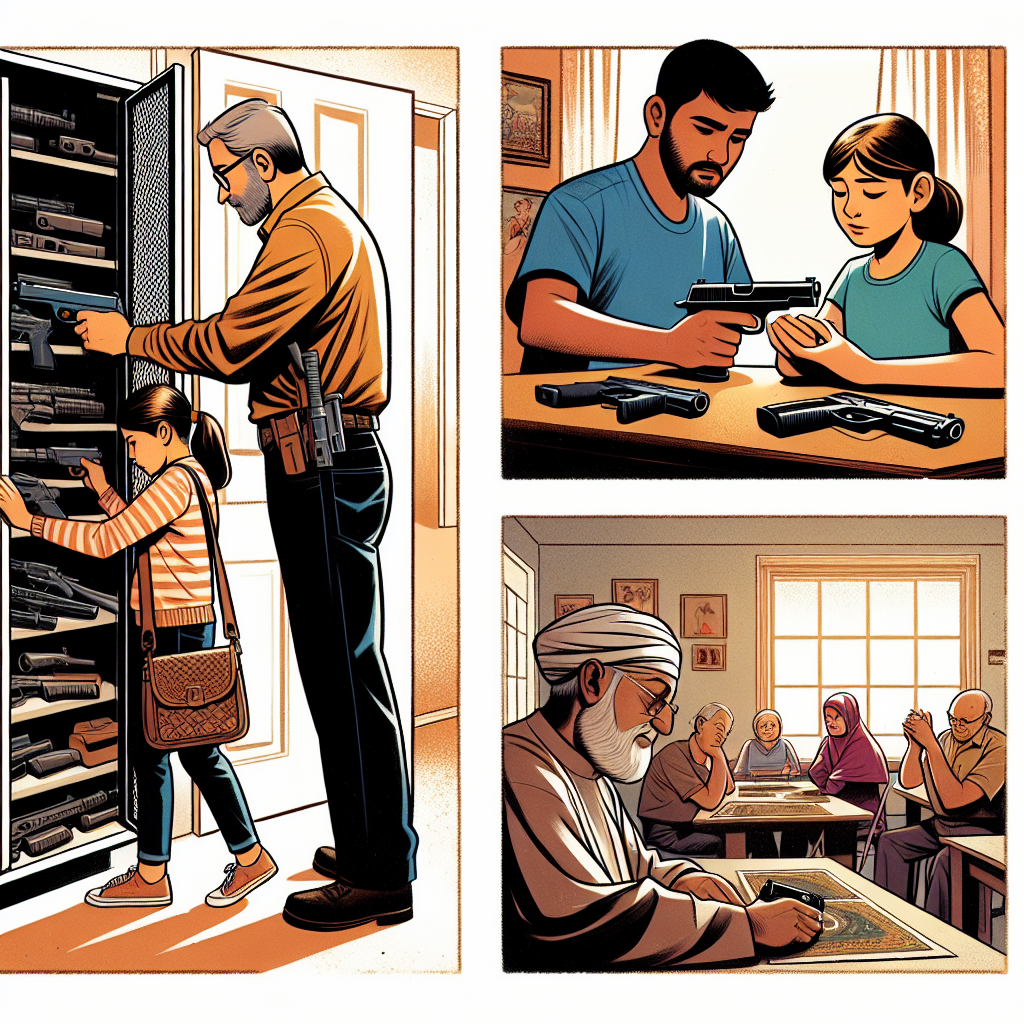
Gun safety is an essential aspect of responsible gun ownership, particularly when you have family members of different age groups. The presence of firearms in a household where children, teenagers, and older adults live necessitates a comprehensive understanding of gun safety tailored to each age group. Whether the goal is to prevent accidents or teach responsible gun use, it is crucial to adapt your safety measures and communication strategies according to the age and maturity level of your family members. In this article, we will explore gun safety considerations for various age groups, including young children, pre-teens, teenagers, and even senior adults. Understanding these distinctions can make a significant difference in preventing tragedies and promoting a culture of safety and responsibility around firearms.
From toddlers who are just learning about the world around them to teenagers who might be developing an interest in firearms, keeping guns secured and educating each family member accordingly is pivotal. While it might seem daunting to tailor safety measures and discussions to different age groups, it is a necessary effort to ensure the well-being of everyone in the household. This article aims to serve as a comprehensive guide to help you implement effective safety practices that cater specifically to the distinct needs and behaviors of various age categories.
Secure storage solutions like gun safes, locked cabinets, and educational initiatives can create an environment that respects the power and potential danger of guns while fostering a responsible attitude in all family members. By breaking down gun safety concerns and best practices into age-specific segments, you can address the unique risks and educational needs that come with each stage of life. Let’s dive into the first age group: young children.
Gun Safety for Young Children
Young children, typically those aged 3 to 7, are curious explorers, fascinated by the world around them. This age group is particularly vulnerable to accidental injuries or worse if they come across a firearm. The most critical aspect of gun safety for young children is ensuring that guns are stored securely to prevent any unauthorized access.
Begin by investing in a high-quality gun safe that offers robust locking mechanisms. The safe should be placed in a location that is out of reach and out of sight of young children. Additionally, ensure that all firearms are unloaded and that ammunition is stored separately in a locked container.
While physical security measures are paramount, education plays a secondary yet crucial role. Teach your young children about the risks associated with firearms using simple, age-appropriate language. Emphasize that guns are not toys and that they should never touch a gun if they see one. Role-playing scenarios can be a helpful method. For example, practice what they should do if they find a firearm: stop, don’t touch, leave the area, and tell an adult immediately.
Combining secure storage solutions and basic education helps lay the groundwork for safe gun habits that can be built upon as your children grow older. Now, let’s explore precautions and educational techniques for pre-teens.
Gun Safety for Pre-Teens
As children enter their pre-teen years, typically from ages 8 to 12, their cognitive abilities and understanding of complex concepts improve significantly. This age group may also become more curious about firearms due to exposure through media or peer discussions. Therefore, gun safety measures for pre-teens require a blend of stricter security and more in-depth education.
Continue to use gun safes and locked cabinets to store firearms and ammunition securely. However, at this age, you can begin to introduce more detailed safety education. Discuss the mechanics of firearms and the very real consequences of improper use. Encourage a respectful attitude towards guns, reinforcing that they are tools with a specific purpose and should never be handled without adult supervision.
It is also an ideal time to incorporate visual aids and perhaps even supervised visits to a shooting range. These experiences can demystify firearms and offer practical safety lessons in a controlled environment. Moreover, consider enrolling pre-teens in a certified gun safety course tailored for their age group. Such courses can provide structured, professional instruction on handling and respecting firearms.
By combining secure storage practices with more comprehensive educational initiatives, you can help pre-teens develop a well-rounded understanding of gun safety. Next, we’ll focus on the unique considerations for teenagers.
Gun Safety for Teenagers
Teenagers, those in the 13 to 18-year age range, present unique challenges when it comes to gun safety. This is a period characterized by increased independence, peer pressure, and in some cases, emotional turbulence. Gun safety for teenagers not only involves secure storage and education but also deeper discussions about the responsibilities and ethical aspects of firearm use.
Secure storage remains as crucial as ever. Continue using gun safes and ensure that only responsible adults have access to the keys or combinations. Teenagers are more likely to be exposed to unsupervised environments, making it vital to keep firearms locked at all times.
Educational efforts should pivot towards a more mature understanding of firearms. Dive into topics such as the legal responsibilities of gun ownership, the seriousness of firearm-related accidents, and the ethical considerations of using guns. Open, honest conversations are essential. Encourage teens to ask questions and express their thoughts and concerns about firearms.
Practical experience remains valuable. Supervised range visits and advanced gun safety courses can provide hands-on learning opportunities. However, remember that this is also a critical time to discuss the socio-emotional aspects of gun usage. Talk about the impact of peer pressure, the importance of mental health, and the role of guns in conflict resolution.
A well-rounded approach to gun safety for teenagers should prepare them to handle the responsibilities that come with firearm knowledge and usage. Next, we will address the needs of senior adults regarding gun safety.
Gun Safety for Senior Adults
Senior adults, especially those over the age of 65, have their own set of challenges when it comes to gun safety. Age-related factors such as reduced mobility, declining vision, and cognitive impairments can impact a senior’s ability to handle firearms safely. Therefore, gun safety for this age group often involves reassessing access and reassessing the physical handling of firearms.
Secure storage remains a priority. Even if senior individuals are the primary gun owners, it is crucial to ensure that all firearms are kept in a secure, easy-to-access gun safe. The safe should be positioned in a way that does not require excessive bending or reaching.
Evaluate the physical and cognitive abilities of senior adults periodically. If there are concerns about their capacity to handle firearms safely, consider implementing additional layers of security, such as removing ammunition from the home or more frequent check-ins by family members.
Education for seniors should focus on refreshing basic gun safety principles and ensuring they understand their current physical limitations. Encourage them to attend senior-friendly gun safety courses, which can provide tailored advice pertinent to their age group.
By considering the unique needs of senior adults, you can help ensure that they continue to enjoy their right to bear arms safely and responsibly. Next, we will provide actionable steps for ensuring ongoing gun safety for all age groups within a household.
Ongoing Gun Safety Responsibilities
Ensuring ongoing gun safety within a household that includes multiple age groups involves establishing and maintaining a culture of responsibility and awareness. Here are actionable steps to ensure everyone stays safe:
- Regularly Review Safety Protocols: Conduct routine checks on your gun storage methods and update them as necessary. Ensure all family members are familiar with and adhere to safety protocols.
- Ongoing Education: Continually educate all family members about gun safety. Use age-appropriate methods and update the information as family members grow and mature.
- Family Discussions: Host regular family meetings to discuss gun safety, reinforcing the importance of following all rules and respecting firearms.
- Responsible Access: Limit access to firearms strictly to individuals who are fully capable and responsible. Use biometric safes or other advanced locking mechanisms to control access seamlessly.
- Community Resources: Utilize local resources such as gun safety courses, community programs, and law enforcement outreach to stay updated on best practices and new safety technologies.
By following these ongoing steps, you can create a safe environment for all family members and ensure long-term respect and responsibility toward firearms. In the concluding section, we will recap the main points and emphasize the importance of tailored gun safety measures for different age groups.
Conclusion
Gun safety is a multifaceted responsibility that requires tailored approaches for different age groups. From young children to senior adults, each age category presents unique challenges and considerations that must be addressed to ensure a safe home environment. Secure storage solutions, such as high-quality gun safes, are a fundamental aspect of preventing unauthorized access and reducing the risk of accidents. However, education tailored to the cognitive and emotional maturity of each age group is equally critical.
For young children, the focus should be on preventing access and instilling a basic understanding of the dangers associated with firearms. Pre-teens require a blend of secure storage and more detailed education that includes practical experiences. Teenagers need a mature and comprehensive approach that covers the legal, ethical, and socio-emotional aspects of gun ownership and usage. Senior adults, on the other hand, may need a reassessment of their ability to handle firearms safely due to age-related factors.
Creating a culture of ongoing responsibility and awareness is essential. Regularly reviewing safety protocols, continuing education, fostering open family discussions, and using community resources are all effective strategies for ensuring ongoing gun safety. By understanding and addressing the unique needs of different age groups, you can promote a safe, responsible, and respectful environment for firearm handling in your household.
Ultimately, the goal is to ensure that all family members, regardless of their age, understand the importance of gun safety and are equipped to handle firearms responsibly. By taking a proactive and tailored approach, you can protect your loved ones and instill lifelong habits of safety and responsibility.