

Transporting firearms, whether it’s for a hunting trip, a visit to the gun range, or moving to a new residence, requires adhering to a set of stringent safety measures. Ensuring that firearms are transported safely isn’t just a matter of following the law – it’s about preventing accidents, safeguarding others, and being a responsible gun owner. This guide is set to equip you with crucial safety tips and best practices for transporting firearms.
Whether you’re a seasoned gun enthusiast or a beginner, understanding the importance of safe firearm transportation can save lives and reduce the risk of unintended consequences. Laws governing firearm transportation can vary significantly from one jurisdiction to another, so it’s crucial to stay well-informed about the regulations that apply to you. Furthermore, beyond the legalities, there are general principles and standards you should adhere to for the safety of yourself and others.
In this comprehensive article, we will cover various aspects of firearm transportation, including understanding the legal framework, proper packaging of firearms, securing them in your vehicle, and what to do upon arrival at your destination. Let’s dive in and ensure that every step of your firearm transportation process is as safe and secure as possible.
Understanding Legal Requirements
Every responsible gun owner must prioritize knowing and understanding the laws and regulations regarding firearm transportation. These laws can vary widely between states, and even local municipalities can have their own set of rules. The penalties for violating these laws can be severe, ranging from hefty fines to imprisonment, so it’s imperative to be well-informed.
Start by researching federal laws, particularly those enforced by the Bureau of Alcohol, Tobacco, Firearms and Explosives (ATF). Federal guidelines generally mandate that firearms transported across state lines be unloaded and stored in a locked container. Ammunition should be stored separately from the firearm. While carrying firearms across state lines, it’s crucial to understand the specific regulations of the state you are entering.
Next, consult the laws of your specific state and any state you will be traveling through. Resources such as the NRA’s Institute for Legislative Action provide state-by-state information on firearm laws. Certain states require that firearms be transported in a specific manner, such as locked in the trunk or a secured area of the vehicle. Other states have reciprocity agreements that allow permit holders to carry their firearms across state lines legally.
Documentation is also a critical part of legal compliance. Ensure you have all necessary permits and licenses on hand. In some regions, a proof of ownership may be required, especially if you’re transporting multiple firearms. Always keep your paperwork accessible but secure, as you might need to present it to law enforcement officers during transit.
Proper Packaging of Firearms
Proper packaging of firearms is essential for ensuring they remain secure and undamaged during transportation. The key is to choose the right kind of storage that meets legal requirements and provides adequate protection.
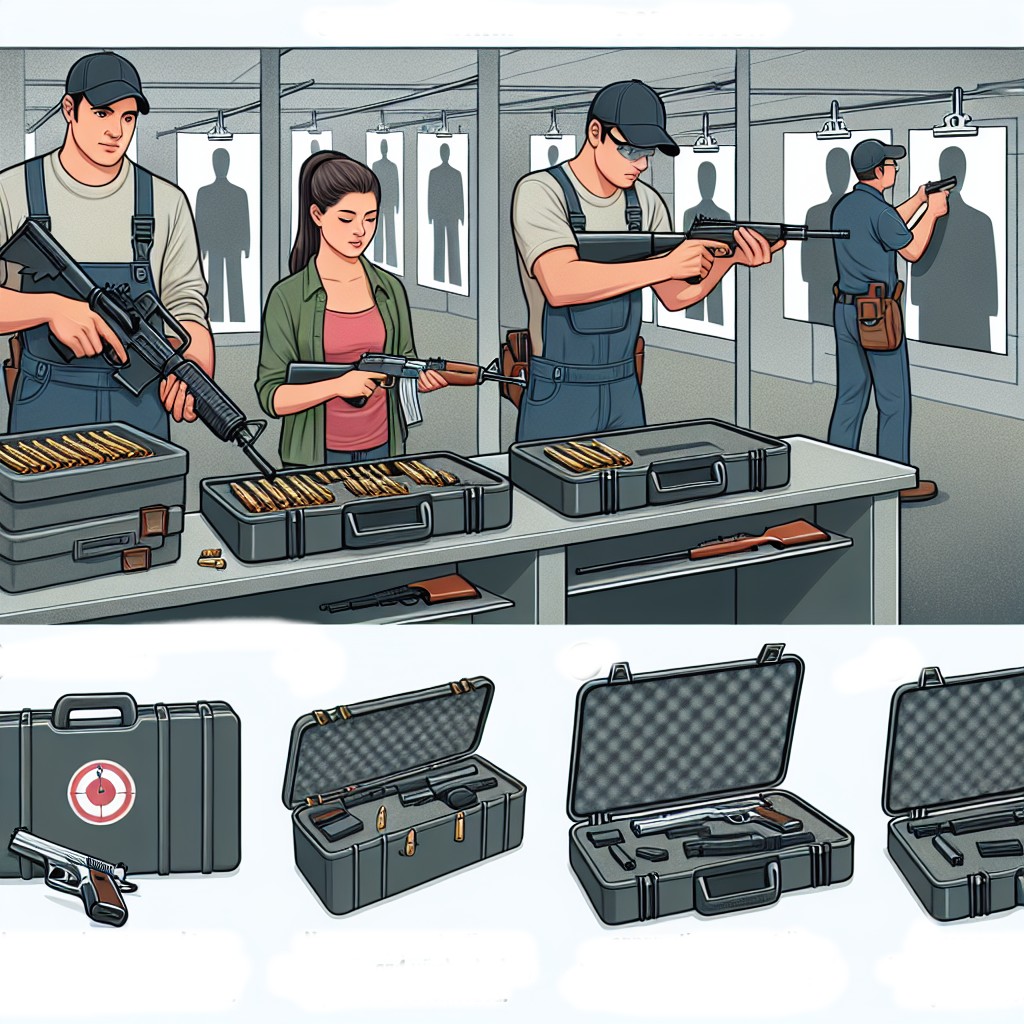
Hard cases are generally recommended for transporting firearms. These cases are robust and provide strong protection against impact, moisture, and tampering. Many hard cases come with locking mechanisms, which are essential for complying with legal stipulations that the firearms be secured.
Soft cases, while less secure than hard cases, are better suited for short distances or less rigorous transport conditions. These are more portable and convenient but should ideally be used in conjunction with a locking mechanism to secure the contents.
For multiple firearms, modular cases that allow for individual compartments can be extremely beneficial. These multi-gun cases can ensure that firearms do not come into contact with each other, preventing scratches and other damage. Additionally, padding within these cases can provide extra security, keeping the firearms steady and cushioned against any bumps during transport.
Apart from the firearms themselves, proper packaging also extends to ammunition. Ammo should be stored in separate, secure containers, especially if you’re traveling long distances. Utilizing specialized ammo cans, which are designed to be rugged and lockable, is advisable. Ensure that the ammo is stored in a cool, dry place within the vehicle to avoid any potential safety hazards.
Securing Firearms in Your Vehicle
Securing firearms in your vehicle is crucial to prevent theft and ensure safety during transportation. Depending on the type of vehicle you own, the methods for securing firearms can vary.
If you own a sedan, the ideal place to store firearms is in the trunk, separated from the ammunition. This positioning ensures that the firearms are out of reach and view. Make sure that the firearms are placed in locked cases and the trunk is also lockable.
For SUVs or trucks that may not have separate compartments, investing in a vehicle-specific gun safe or lockbox is highly recommended. These safes can be bolted down to the frame of the vehicle, providing an additional layer of security. Ensure that the guns are placed unloaded and the safe is securely locked before you set off on your journey.
An often overlooked aspect is the placement of the firearm cases within the vehicle. They should be stowed in a way that they are secure and do not shift during transit. Using bungee cords or cargo nets can help stabilize the cases, minimizing movement and potential damage.
Always double-check that all locks are engaged and that firearm cases are as secure as possible before starting your journey. Additionally, avoid making unnecessary stops, and never leave your vehicle unattended for extended periods, especially in unfamiliar areas. If stopping is unavoidable, try to park in well-lit, secure areas and remain vigilant.
Upon Arrival at Your Destination
The safety measures don’t end once you’ve reached your destination. Proper protocols should continue to be followed to ensure safe handling of firearms at all times.
Upon arrival, first, ensure that the immediate environment is secure and that there are no unauthorized individuals around. Unload all firearms carefully within the confines of your vehicle if it is legally allowed, or move them safely to a designated area before unloading.
If you’re arriving at a shooting range, hunting lodge, or similar premises, always follow the specific safety protocols and guidelines provided by the venue. Many of these places have their own set of rules to ensure the safety of all participants. Pay close attention to their regulations regarding where and how firearms should be unloaded, as well as any check-in procedures.
For home arrival, take the firearms directly to your designated storage area, ideally a secured gun safe. Immediately secure them to ensure they are not accessible to unauthorized individuals, especially children. Also, take this time to inspect the firearms for any potential damage or issues that may have occurred during transport. Clean them if necessary and ensure they are correctly stored. Never leave firearms in a vehicle overnight, as it significantly increases the risk of theft. This practice applies even if the vehicle is parked in a seemingly secure location, such as a garage.
Emergency Procedures and Best Practices
Even with the best precautions, emergencies can happen. Being prepared for these situations is vital for ensuring safety. Here are some best practices and emergency procedures to keep in mind.
First, always have a plan in place. This includes having contact information for local law enforcement and understanding the procedures to follow if you’re pulled over or in an accident. During a stop by law enforcement, remain calm and inform the officer that you are transporting firearms and that they are secured according to legal requirements.
If you experience a vehicle malfunction or breakdown, remain with the vehicle if it’s safe to do so. Inform roadside assistance that you are transporting firearms and require a secure and expedited service. If necessary, contact local law enforcement to inform them of your situation and follow their instructions carefully.
In the event of an accident, prioritize personal safety first. Once it is safe, communicate to arriving authorities that you are transporting firearms. They will guide you on the protocols to follow.
Routine checks and maintenance of your firearm transportation equipment can prevent many issues. Regularly inspect gun cases, safes, and locking mechanisms to ensure they are in working condition. Keep abreast of any changes in firearm transportation laws and best practices to ensure ongoing compliance and safety.
Conclusion
Ensuring safe firearm transportation is a multifaceted responsibility that extends beyond merely following the law. It’s about adopting a mindset of safety, vigilance, and respect for the power you carry. By understanding and adhering to legal requirements, properly packaging your firearms, securing them in your vehicle, following proper protocols upon arrival, and being prepared for emergencies, you can significantly mitigate risks and enhance safety.
Every gun owner should embrace these safety tips and make them an integral part of their firearm handling routine. Knowledge and preparedness are your strongest allies in ensuring that firearm transportation is conducted safely and responsibly.
Remember, the aim is not just to avoid legal repercussions but to contribute to a culture of safety and responsibility within the firearm community. Every precaution you take reinforces this culture and helps protect not only yourself but also those around you.
Thank you for taking the time to read through these safety tips. Implement these practices and contribute to safer firearm transportation for everyone. Stay informed, stay prepared, and stay safe.