
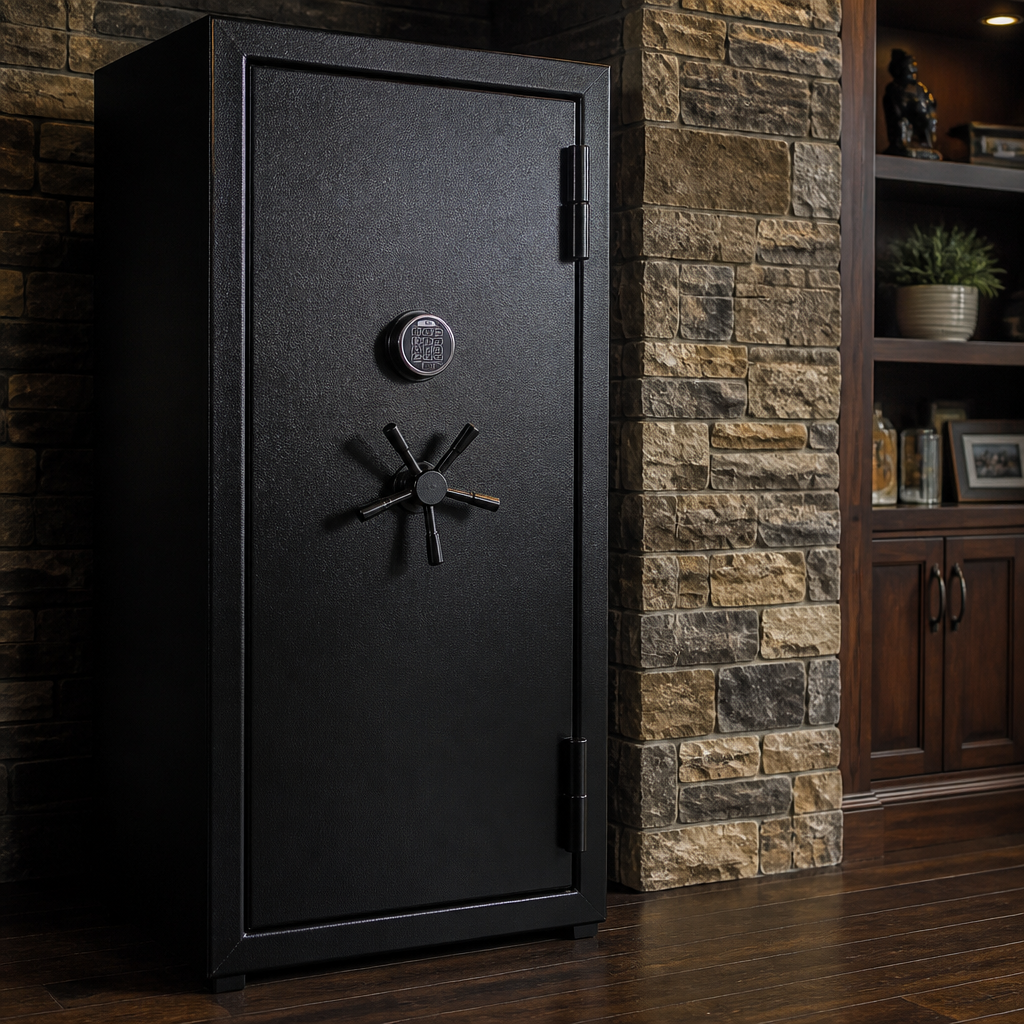
The Fort Knox Maverick Series sits at an important intersection in the gun safe market: it promises the structural integrity, fire resistance, and storage flexibility buyers expect from a premium safe while remaining grounded enough to serve as a practical starting point for broader product research. Within the wider Gun Safes & Safety category, product reviews matter because buyers are not choosing a simple metal box. They are choosing a security system for firearms, documents, optics, cash, heirlooms, and liability reduction. In this context, a review hub for the Fort Knox Maverick Series must do more than list features. It needs to explain steel thickness, locking systems, relocking devices, bolt coverage, fire ratings, interior configuration, installation requirements, and long-term ownership considerations in plain language.
I have evaluated gun safes in homes, retail showrooms, and installation environments, and the same pattern always appears: shoppers often focus first on capacity claims and price tags, then discover that build quality, lock reliability, and anchoring matter more than a painted badge or a marketing phrase. The Maverick Series deserves attention because Fort Knox has built a reputation around American-made safes, thick steel construction, and meaningful customization. For buyers who are comparing product lines under the Gun Safes & Safety umbrella, this series functions well as a reference point. It helps answer practical questions such as what makes one safe stronger than another, how much fire protection is enough, and when paying more for heavier construction becomes justified. That is why this hub article covers the Maverick Series as both a specific product family and a framework for reviewing gun safes intelligently.
At its core, the Fort Knox Maverick Series is designed for owners who want robust burglary resistance without immediately stepping into the brand’s highest custom tiers. The term strength here is not shorthand for weight alone. Ultimate strength in a gun safe means resistance to prying, cutting, drilling, heat transfer, and internal failure points. It also means dependable lock operation, organized interiors that keep firearms stable, and a door system that stays aligned under stress. A strong safe should also work in the real world. It must fit through doorways, anchor securely to concrete or wood-framed floors, and allow fast, repeatable access for authorized users. Those are the standards serious product reviews should apply, and they shape everything that follows in this hub.
What Makes the Fort Knox Maverick Series Stand Out
The Maverick Series stands out because it reflects Fort Knox design priorities that experienced buyers actively look for: heavier steel than many big-box competitors, substantial door construction, solid locking hardware, and a made-to-order mindset that treats the safe as security equipment rather than furniture. Fort Knox is widely associated with domestic manufacturing, and that matters in this category because tolerances, welding quality, and support after the sale all influence long-term performance. In practical terms, the Maverick line appeals to buyers who want a serious gun safe that feels purpose-built. When I compare safes on a showroom floor, one of the first indicators of quality is how the door behaves. A well-built door closes with controlled mass, the frame feels rigid, and the handle movement engages bolts with mechanical confidence rather than slack. That tactile difference often predicts how the safe will hold up over years of use.
Another differentiator is the way Fort Knox approaches configuration. Buyers rarely have identical storage needs. One household may need room for scoped rifles and suppressor-ready carbines, while another prioritizes handguns, legal documents, and jewelry. The Maverick Series is relevant as a product review hub because it sits within a brand ecosystem that supports different layouts, lock choices, finish options, and accessory decisions. That makes it easier to compare not just one safe, but the buying logic behind safe selection. A good hub article should direct readers toward questions that improve every review they read next: What gauge steel is used in the body? Is the door plate reinforced? How many active locking bolts are present? What is the tested or declared fire rating? Can shelving be reconfigured as collections evolve?
Build Quality, Steel Thickness, and Security Design
Build quality is the first serious filter in any gun safe review, and with the Maverick Series the conversation should begin with steel. Steel thickness directly affects resistance to pry attacks, impact, and tool-based entry. Many entry-level safes use relatively thin bodies that can be compromised faster than buyers expect, especially at the top corners of the door opening where pry leverage is strongest. Fort Knox has historically differentiated itself by using heavier construction than mass-market imports, and that reputation is a major reason the Maverick Series earns attention from informed shoppers. A thicker body and reinforced door frame increase the time, noise, and effort required for forced entry, which is often the deciding factor in residential burglary deterrence.
Door design matters just as much as wall thickness. A strong safe door should include a rigid composite or plate structure, secure hinge support, and multiple locking bolts that engage deep into the frame. Buyers often misunderstand bolt count, assuming more bolts automatically mean more security. In practice, bolt size, travel, placement, and door frame strength matter more than raw quantity. Fort Knox safes are generally recognized for meaningful boltwork rather than cosmetic hardware. The Maverick Series should therefore be evaluated on full system integrity: body thickness, door reinforcement, bolt engagement, lock protection, relockers, and the way those elements work together under attack. If a review only states that the safe is heavy, it misses the actual engineering that creates burglary resistance.
One overlooked factor is weld quality. Continuous, clean welds contribute to structural integrity and reduce weak points around seams. During inspections, I look for consistent finishing around door frames and body corners because uneven fabrication can indicate looser quality control. Buyers should also examine the hard plate or drill-defeating components protecting the lock area. A serious safe must assume an attacker may target the lock directly. Mechanical defenses around the lock body, paired with relocking devices that trigger if tampering occurs, are part of what separates a true security container from a decorative cabinet.
| Review Factor | Why It Matters | What to Check on the Maverick Series |
|---|---|---|
| Body steel thickness | Slows pry and cutting attacks | Ask for exact gauge or inch measurement, not vague claims |
| Door construction | Door is the most attacked area | Look for reinforced plate structure and rigid frame fit |
| Locking bolts | Secures door against prying | Evaluate bolt depth and side coverage, not count alone |
| Lock protection | Reduces drill attack success | Confirm hard plate and relocker presence |
| Weld and fit finish | Signals manufacturing quality | Inspect seams, door alignment, and handle engagement |
Fire Protection, Lock Options, and Day-to-Day Use
Fire protection is one of the most misunderstood parts of gun safe shopping. Buyers see a number of minutes attached to a temperature rating and assume that tells the whole story. It does not. Fire performance depends on insulation type, door seals, wall construction, safe mass, where the safe is installed, and how a real house fire develops. The Maverick Series should be reviewed by looking at both its stated rating and its practical context. A safe in a climate-controlled basement on a concrete slab faces different thermal conditions than one on the second floor of a wood-framed home with heavy fuel load. In my experience, buyers should treat fire ratings as comparative data, not guarantees. Higher ratings are useful, but installation location and emergency response times matter just as much.
Lock choice also deserves careful attention. Most buyers will choose between a traditional mechanical dial and an electronic lock. Mechanical locks have a long service record and are valued for durability and independence from batteries. Electronic locks offer faster access and easier code changes, which many households prefer, especially if the safe is opened frequently. Neither option is universally better. The right choice depends on usage pattern, climate, maintenance discipline, and user comfort. For the Maverick Series, a good review should explain how lock selection changes the ownership experience. A family opening the safe several times a week may benefit from an electronic keypad, while a collector storing firearms for long intervals may prefer the simplicity of a dial lock from a trusted manufacturer such as S&G or SecuRam, depending on available configurations.
Daily usability matters because a safe that is frustrating to access often gets used poorly. Interior layout, door swing clearance, shelf adjustability, lighting options, and handgun storage all influence whether the safe actually improves safety. The Maverick Series works best when buyers match interior dimensions to real firearm profiles, not manufacturer capacity estimates based on slim, unscoped long guns. Modern rifles with optics, bipods, and slings consume more space than catalog numbers suggest. A sound review should therefore translate listed capacity into realistic ownership scenarios. If a safe says it holds a certain number of guns, assume the true practical count will be lower once accessories and protective spacing are factored in.
Who Should Buy the Maverick Series and How It Compares
The Fort Knox Maverick Series is best suited to buyers who want more than an entry-level gun safe and are willing to pay for stronger construction, brand reputation, and upgrade flexibility. That includes firearm owners building a long-term home storage solution, collectors moving beyond thin import cabinets, and households that want to consolidate firearms with documents and valuables in one hardened location. It is especially attractive for buyers who understand that replacing a compromised safe later is usually more expensive than buying a stronger one first. Weight, however, is part of the tradeoff. Heavier safes cost more to ship, more to move, and may require professional delivery planning, especially over wood floors, stairs, or tight interior turns.
Compared with lower-cost retail safes, the Maverick Series generally competes on steel strength, overall fit, and the confidence that comes from a manufacturer known for substantial builds. Compared with ultra-premium custom models, it may represent a more balanced point on the curve between price and protection. That is why it works well as a product review hub topic. It helps readers evaluate adjacent articles on Fort Knox alternatives, safe installation, lock troubleshooting, fire ratings, and safe sizing. If you are deciding between this line and competing models from brands such as Liberty, Browning, American Security, or Rhino, the useful comparison points are not paint, logo, or brochure capacity. They are steel thickness, door construction, lock pedigree, warranty terms, interior adaptability, and dealer support in your area.
Buyers should also think about threat model. If your main concern is child access prevention and casual theft, the Maverick Series may exceed your minimum needs, though that extra margin still has value. If your concern includes determined burglary attempts with pry bars, grinders, and time, stronger construction becomes far more important. No residential gun safe is invulnerable, and any honest review should say that plainly. The objective is to increase delay, reduce opportunity, and protect contents long enough for detection, interruption, or abandonment. In that mission, the Maverick Series earns its reputation by focusing on the fundamentals that actually matter.
How to Use This Hub for Smarter Gun Safe Product Research
As a hub within the Product Reviews branch of Gun Safes & Safety, this article should guide your next research steps. Start by defining your required storage volume based on actual firearms and valuables, not future guesses. Then set a security baseline by identifying the minimum body steel, door strength, lock type, and fire rating you will accept. From there, compare the Fort Knox Maverick Series against related review topics: larger Fort Knox lines, competing American-made safes, quick-access handgun safes, modular safe interiors, and professional installation advice. If possible, inspect the safe in person. Open it, close it, work the handle, examine the seams, and ask the dealer direct questions about boltwork, lock brand, lead times, warranty support, and anchoring recommendations.
The central lesson is simple: a gun safe should be reviewed as a complete protective system, not a capacity number on a sales sheet. The Fort Knox Maverick Series is built for buyers who value strength, realistic security engineering, and dependable ownership over superficial marketing. Its appeal comes from substantial construction, thoughtful configuration, and a reputation that has been earned through product consistency rather than gimmicks. If you are building a shortlist under the Gun Safes & Safety category, use this hub as your benchmark for what a serious review should cover. Then continue into the related articles, compare specifications carefully, and choose the safe that matches your threat level, home layout, and collection with confidence.
Frequently Asked Questions
What makes the Fort Knox Maverick Series different from other gun safes in its price range?
The Fort Knox Maverick Series stands out because it is designed to deliver many of the qualities buyers typically associate with higher-end safes without pushing entirely out of reach for practical shoppers. In the gun safe market, that balance matters. Many products either lean heavily toward budget convenience or premium customization, but the Maverick Series occupies a middle ground that appeals to buyers who want meaningful protection rather than just basic storage. It is built to be more than a metal cabinet for firearms. It is intended to function as a true security system for guns, documents, optics, cash, and other valuables.
What separates it from many competing options is the combination of structural strength, fire protection, and interior usability. A lot of safes can advertise one strong feature, such as a thick-looking door or a fire lining, but serious buyers know security is about the total package. The Maverick Series is often considered attractive because it addresses the core concerns that matter most: resistance to forced entry, protection during a house fire, and the ability to organize firearms and valuables in a practical way. That makes it especially relevant for buyers doing broad product research and trying to avoid compromises that become obvious only after delivery.
Another key advantage is brand reputation. Fort Knox has long been recognized in the safe industry for emphasizing heavy-duty construction and long-term durability. For many consumers, buying from a respected manufacturer adds confidence that the safe is not relying on marketing language alone. In short, the Maverick Series is different because it offers a more serious level of protection and ownership confidence than many entry-level alternatives, while still remaining approachable for buyers who want premium-level performance without immediately moving to the most expensive tier.
How secure is the Fort Knox Maverick Series for storing firearms and other valuables?
The Fort Knox Maverick Series is generally positioned as a strong and credible option for buyers who take firearm security seriously. Security in a gun safe is not just about locking the door. It is about how the body is constructed, how the door resists prying attacks, how the locking system is designed, and how the safe performs when a burglar has time, tools, and opportunity. The Maverick Series appeals to buyers because it is built with the understanding that real-world protection depends on these combined factors rather than on any single feature.
For firearm owners, this matters on several levels. First, the safe helps prevent unauthorized access by children, guests, or thieves. Second, it creates a protected environment for rifles, handguns, suppressor-related accessories where lawful, ammunition components, and optics that can represent a major financial investment. Third, it provides peace of mind that important personal items such as passports, wills, property records, jewelry, and emergency cash are stored behind a lock system designed for meaningful resistance. Buyers should still remember that no residential safe is absolutely impenetrable, but a well-built safe dramatically raises the difficulty, time, noise, and risk involved in a break-in attempt.
Security is also improved when the safe is installed correctly. Even a strong safe performs best when it is anchored properly and placed in a location that limits pry access and slows removal. The Maverick Series is best viewed as part of a larger home security strategy that may also include alarms, cameras, controlled room access, and responsible key or code management. In that context, it serves as a serious protective barrier rather than a simple storage container, which is exactly what many buyers are looking for when researching premium gun safes.
Does the Fort Knox Maverick Series offer reliable fire protection?
Fire protection is one of the most important reasons buyers move beyond a basic gun cabinet and into the safe category, and the Fort Knox Maverick Series is appealing because it acknowledges that firearms are rarely the only items stored inside. Owners often place legal paperwork, birth certificates, insurance files, photographs, hard drives, collectible items, and cash in the same unit. During a house fire, those contents may be just as irreplaceable as the firearms themselves. That is why fire resistance should be viewed as a major part of the safe’s value, not a secondary feature.
The Maverick Series is intended to provide a level of fire protection that aligns with what many buyers expect from a better-built residential safe. In practical terms, that means the safe is designed to slow heat transfer to the interior long enough to improve the chances that contents survive a serious fire event. However, buyers should always look closely at the exact fire rating, test standards, and manufacturer specifications for the specific model they are considering, because fire claims can vary significantly across the safe industry. Duration, peak temperature, seal performance, and construction details all influence how meaningful that protection really is.
It is also important to understand what fire protection can and cannot do. A safe does not make contents indestructible under every possible condition, especially in long-duration or extremely intense fires. Sensitive electronics, certain media, and some paper materials may still require additional protective measures. Still, compared with lightweight storage units or lower-end alternatives, a safe like the Maverick Series offers a much more credible defense against one of the most devastating risks a homeowner can face. For many buyers, that added layer of protection is a deciding factor because it turns the safe into an all-purpose asset protection tool, not just a firearm storage solution.
Is the Fort Knox Maverick Series a good choice for first-time safe buyers?
Yes, the Fort Knox Maverick Series can be an excellent choice for first-time safe buyers, especially those who want to start with a product that reflects serious standards rather than something they may outgrow quickly. New buyers often face a confusing market filled with oversized capacity claims, vague steel descriptions, and broad promises about security. The Maverick Series is attractive because it gives first-time shoppers a more grounded reference point. It helps them evaluate what matters most in a quality safe: construction strength, lock reliability, fire protection, internal organization, and brand credibility.
For someone buying a safe for the first time, one of the biggest mistakes is focusing only on price or advertised gun count. In reality, ownership needs usually expand. A person may start with a few rifles and handguns, then later add optics, magazines, documents, cash, and family valuables. The Maverick Series makes sense because it is built with the understanding that the safe will likely serve multiple purposes over time. That kind of versatility is especially useful for first-time buyers who do not yet know exactly how their storage needs will evolve.
At the same time, first-time buyers should still approach the purchase thoughtfully. They should measure doorways, hallways, floor load considerations, and installation space before ordering. They should also think about whether the chosen interior layout supports both current firearms and future acquisitions. In many cases, the Maverick Series works well because it offers enough quality and capability to make the first purchase a lasting one, rather than a temporary step before an upgrade. That gives new buyers a stronger long-term value proposition and a better overall ownership experience.
What should buyers consider before purchasing a Fort Knox Maverick Series safe?
Before purchasing a Fort Knox Maverick Series safe, buyers should think beyond the headline features and evaluate how the safe will function in their real home environment. Start with the basics: size, weight, and placement. A safe may look perfect on paper, but if it does not fit through entryways, upstairs spaces, or the intended room, installation becomes more complicated and expensive. Buyers should carefully measure all access points and confirm where the safe will sit, including whether the floor can support the load and whether the location allows the door to open fully.
Next, consider storage needs realistically. Gun safe capacity numbers are often optimistic, especially when modern rifles have scopes, bipods, slings, or other accessories. If the safe is meant to protect more than firearms, internal space becomes even more important. Documents, pistols, jewelry, emergency cash, and optics all take room, and organization matters. Buyers should look at shelf configuration, long-gun layout, door storage options, and how easy it will be to access frequently used items without overcrowding the interior. Choosing slightly more room than currently needed is often the smarter long-term move.
It is also wise to examine the lock type, warranty support, and dealer reputation. Some buyers strongly prefer electronic access for speed, while others prefer the simplicity and longevity of a mechanical option. Beyond that, installation and anchoring should never be treated as optional details. A premium safe performs best when it is professionally delivered, placed strategically, and bolted down correctly. Finally, buyers should compare the Maverick Series not just against cheaper safes, but against their actual protection goals. If the priority is a meaningful blend of burglary resistance, fire protection, trusted construction, and flexible storage, then the Maverick Series is often a compelling option for serious research and consideration.