
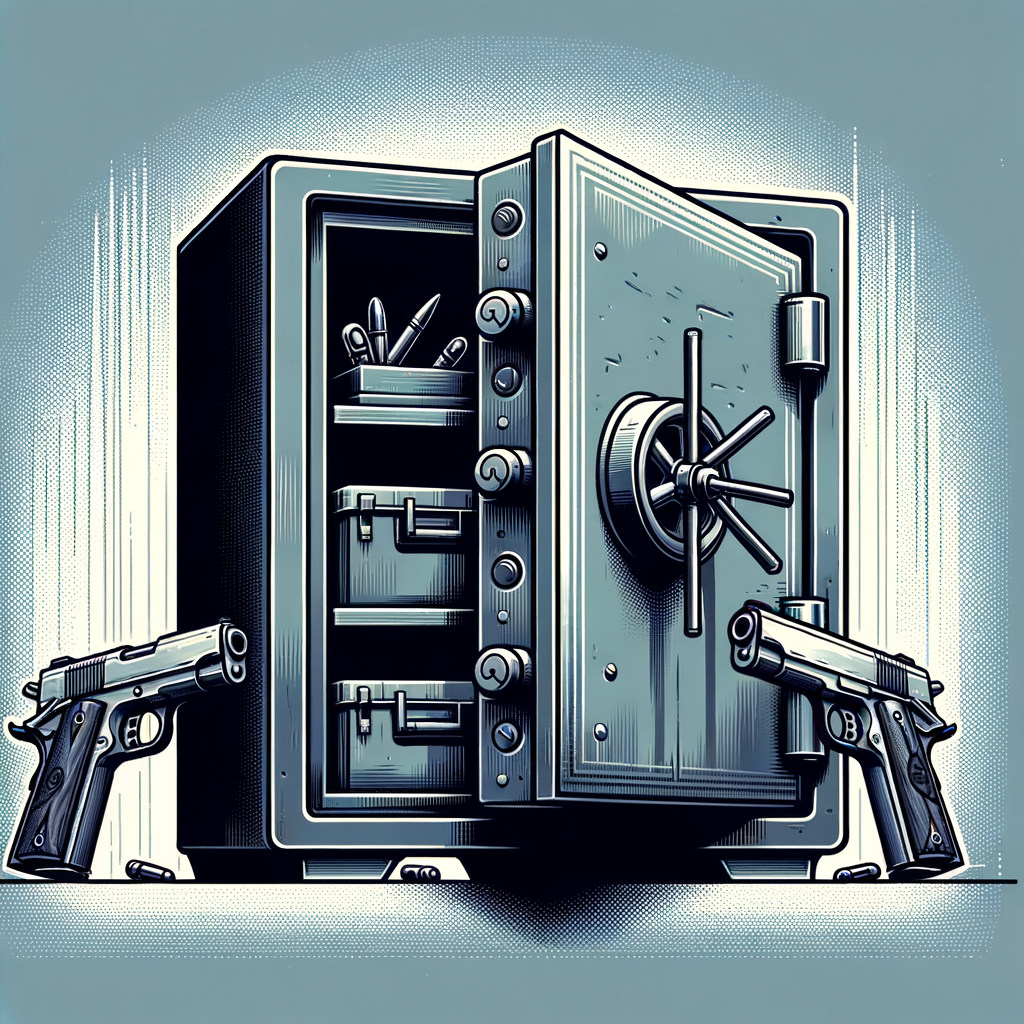
Securing a gun safe in a high-crime area is an essential step for responsible firearm ownership and personal safety. High-crime areas present unique challenges, where the risk of theft and unauthorized access to firearms becomes a significant concern. Understanding how to enhance the security of your gun safe not only protects your firearms but also ensures the safety of your household and community. This guide aims to provide you with comprehensive strategies and practical solutions to secure your gun safe effectively. We’ll explore various methods, from selecting a suitable gun safe to implementing advanced security techniques, all tailored to address the demands of living in an area with elevated crime rates. Whether you are a new firearm owner or have extensive experience, this article will offer valuable insights into mitigating risks and enhancing the overall security of your gun storage. By prioritizing these measures, you can confidently safeguard your firearms against potential threats, reduce the chances of them falling into the wrong hands, and fulfill your responsibilities as a gun owner.
Selecting the Right Gun Safe
Your first line of defense against theft in a high-crime area is selecting the right gun safe. Not all safes offer the same level of protection, and in a high-crime area, opting for higher security features is advisable. Consider safes made of robust materials, such as heavy-duty steel, which can withstand tampering attempts. Look for safes with locks that meet rigorous security standards, like UL (Underwriters Laboratories) ratings.
When choosing a gun safe, size and capacity are also crucial. Opt for a safe that can accommodate all your firearms comfortably, allowing for the possibility of future additions. A cluttered or overfilled safe might impede its security features by making it difficult to close properly or easier to pry open.
Optimal Placement of Your Gun Safe
The location of your gun safe within your home significantly influences its security level. Choose a place that combines accessibility for you yet remains inconspicuous to potential intruders. Avoid obvious spots like the master bedroom or garage where safes are commonly kept. Instead, consider locations less frequented by outsiders, such as a basement corner, obscured closet, or even hidden spots reinforced with concealment.
Additionally, avoid areas susceptible to environmental damage, like basements prone to flooding or rooms with high humidity, as these conditions can compromise the safe’s integrity over time. Anchor your safe to the floor or a wall if possible, which deters burglars from removing it from the premises entirely. Many safes come with pre-drilled holes for bolting, which is an added advantage.
Implementing Advanced Security Features
In high-crime areas, relying solely on a basic gun safe is not enough. Implementing additional security features is critical. Start with an advanced locking mechanism. Biometric locks, which use fingerprint recognition, offer high security because they rely on unique human characteristics. However, ensure that these systems have a backup key or PIN in case of a malfunction.
Consider adding an alarm system specifically for your safe. Alarms that trigger when the safe’s lock is tampered with or if there is unusual movement can be connected to your home security system. This integration allows for immediate alerts to your phone or monitoring service about a potential breach.
Moreover, installing surveillance cameras in the area surrounding your safe can deter criminals or at least provide visual records should a break-in occur. Use cameras with night vision capabilities and ensure they are adequately concealed to prevent tampering.
Utilizing Smart Technology
Incorporating smart technology can further bolster your gun safe’s security. Smart safes offer features like remote locking and unlocking, tamper alerts, and activity logs—all accessible via a smartphone app. These functionalities enable you to stay informed about your safe’s status in real-time, wherever you are.
Choose smart systems that offer robust cybersecurity measures to protect your data. The connection between your devices and the safe should be encrypted, preventing unauthorized access or hacking.
Furthermore, keep the software updated to patch any vulnerabilities and maintain optimal performance. Smart technology, when used correctly, transforms a traditional gun safe into a vigilant guardian against unauthorized access.
Enhancing Physical Barriers
Additional physical barriers can serve as a formidable line of defense. Reinforce your gun safe with an enclosure or cabinet that adds an extra layer of security. Metal cages or lockable cabinets can deter or delay intruders, giving additional time for an alarm to be raised or help to arrive.
If feasible, place your gun safe behind a fortified door or within a room specifically dedicated to secure storage. Reinforcing doors with metal frames or solid core wood can withstand forced entry better than standard interior doors.
Remember, the goal is to create multiple layers that an intruder must breach, each taking time and increasing the difficulty of accessing your firearms.
Maintaining and Updating Security Measures
Regular maintenance of your gun safe and its security features is crucial. Conduct periodic checks to ensure the locking mechanism functions smoothly, and update any digital security measures or software. Inspect for signs of wear and tear, paying special attention to the structural integrity of the safe and any added security systems.
Additionally, consider evolving your security strategy over time. High-crime areas can fluctuate in terms of criminal tactics and technologies, so staying informed and proactive can help you anticipate potential security weaknesses.
Educating Household Members
Your household members should be informed about the gun safe and its security features. Proper education ensures everyone knows the importance of maintaining secrecy about the safe’s location and operation. Emphasize the importance of never sharing the lock combination or key with unauthorized individuals.
If your safe is equipped with biometric technology, limit fingerprint registration to essential users. Also, educate family members on emergency procedures if they suspect tampering or unusual activity surrounding the safe.
Lighting and Visibility
Proper lighting is a simple yet effective deterrent against break-ins. Ensure the area around your gun safe is well-lit, either through motion-sensor lights or manually operated fixtures. Bright lighting can scare off potential intruders and gives you a better chance of identifying someone who attempts unauthorized access.
Moreover, positioning mirrors or reflective surfaces near the safe can increase visibility, allowing you to monitor the area from various angles discreetly. This strategy not only boosts security but can also help in identifying any interfering attempts.
Conclusion
In conclusion, securing a gun safe in a high-crime area demands a multifaceted approach. By selecting a robust safe, implementing advanced and smart security features, reinforcing physical barriers, and maintaining regular updates, you can significantly mitigate risks associated with unauthorized access or theft. Educating household members and employing strategic lighting further enhance these efforts, creating a comprehensive security system surrounding your firearms. Remember, the objective is to create a series of obstacles that challenge and deter potential intruders while ensuring your firearms remain accessible to you. By doing so, you not only protect your assets but also contribute to overall safety and responsibility as a gun owner. Every measure taken counts towards preventing thefts and misuse of firearms, safeguarding not just your household but the community by extension.
Frequently Asked Questions
1. What are the best practices for securing a gun safe in a high-crime area?
Securing a gun safe in an area with high crime rates requires a multi-faceted approach to ensure maximum safety for your firearms. Firstly, location is key. Choose a concealed and less obvious place within your home, such as a basement or a closet, where it’s less likely to be discovered by intruders. Secondly, bolt your safe to the floor or wall. This prevents thieves from carrying it away. Make use of high-quality anchors and bolts designed specifically for this purpose.
Additionally, consider investing in a safe with advanced locking mechanisms such as biometric or digital keypad locks, which offer enhanced security against unauthorized access. Regular maintenance of these systems is crucial to ensure they remain functional. Lastly, installing security alarms and surveillance cameras in areas surrounding the gun safe can act as both a deterrent and a means of capturing evidence, should a break-in occur. Regularly check and update security measures as needed to stay ahead of potential threats.
2. How can I choose the right gun safe for high-risk environments?
When selecting a gun safe for a high-crime area, there are specific features you should prioritize. Start by looking for safes with reinforced steel walls and doors. The thicker the steel, the better protection it will offer. A gun safe with a minimum thickness of 12-gauge steel is a good standard, but for even more security, consider 10-gauge or lower. Also, the weight of the safe is essential. Heavier safes are more challenging to remove, so opt for the heaviest that your location can support.
The locking mechanism plays a critical role. Look for safes with sophisticated locks such as redundant locks that combine two different types (mechanical and electronic), which provide an additional layer of security. Fire protection ratings are also important to consider, as fires can sometimes accompany criminal activities. Lastly, some safes come with additional features such as security certification or lifetime warranties, which suggest a commitment to quality and durability.
3. Should I inform local authorities about my gun safe? If so, how does this help?
Informing local authorities about your gun safe isn’t a requirement, but doing so might offer several benefits, especially if you live in a high-crime area. Reporting your safe to the police department can lead to increased vigilance and patrols in your area, particularly if your home gets flagged as a potential target by criminal elements.
Police might also provide specific recommendations tailored to your neighborhood’s security concerns. Keeping local law enforcement in the loop can additionally be beneficial in case of a burglary. Knowledge of existing safes can expedite response and recovery times, as police are already aware of the potential for firearm theft in your home. Remember to maintain a detailed inventory of your firearms with serial numbers to help authorities track and recover them if they get stolen.
4. Are there any insurance implications for having a gun safe in a high-crime area?
Yes, having a gun safe in a high-crime area can impact your home insurance policy in several ways. Some insurance companies offer discounts on premiums when you have a secure gun safe, as it reduces the risk of theft and potential liability. Be sure to provide detailed information about your safe, such as its make, model, and security features, when discussing this with your insurance provider.
It’s also essential to review your policy to ensure it covers firearm theft and damage adequately. In high-crime areas, policies might have specific clauses or exclusions, so understanding these details could be crucial in preventing any future disputes during claims. It may also be worthwhile to consider additional coverage or a rider specifically for firearms, which may offer peace of mind knowing that your assets are sufficiently protected.
5. What role does community involvement play in securing my gun safe?
Community involvement can be a valuable asset in securing your gun safe, especially in high-crime areas. Building relationships with neighbors can lead to improved security through mutual vigilance. Participate actively in neighborhood watch programs, if available, which can provide added security through increased awareness and communication among residents.
Engaging with community policing initiatives can also foster a safer environment. Regularly attending community meetings or security workshops can keep you informed about local crime trends and prevention strategies. Advocating for increased community security measures, such as better street lighting or regular police patrols, can enhance everyone’s safety. Never hesitate to report suspicious activity to the authorities or community networks, as this collective responsibility can deter criminal behavior and help maintain a secure neighborhood.