
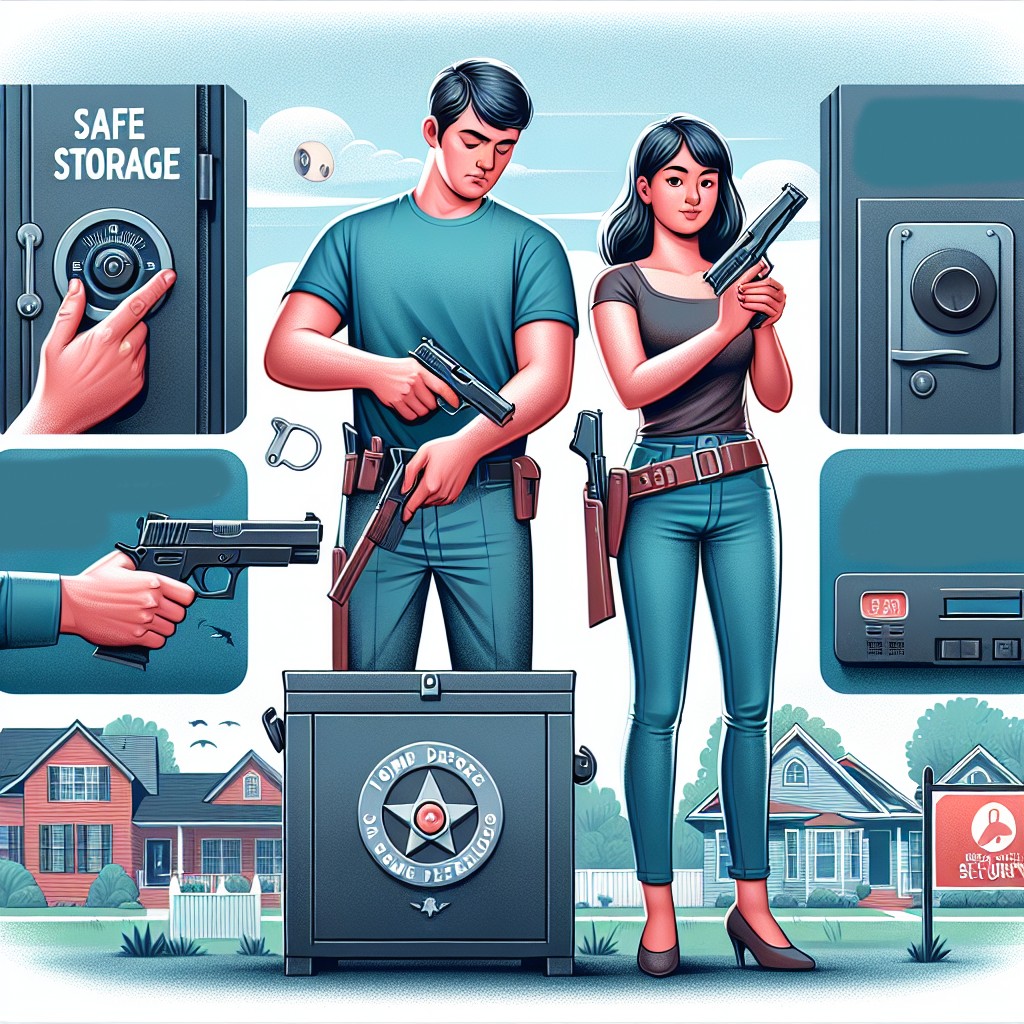
The concept of home defense is an important consideration for any homeowner, especially in today’s world where safety and security have taken center stage. Integrating gun safety into your home defense plan is crucial to prevent accidental injuries, comply with legal regulations, and ensure that firearms serve their intended purpose of protecting you and your loved ones. This article will guide you through the necessary steps of incorporating gun safety into your home defense plan by discussing practical scenarios, necessary tools, and essential practices.
A comprehensive home defense plan recognizes firearms not just as a tool for protection but as potential hazards if not handled properly. Contrary to popular belief, owning a gun doesn’t automatically guarantee safety; it requires a responsible approach and an understanding of how to manage it effectively. Proper storage, regular maintenance, and informed handling are key components of integrating gun safety with your overarching home defense strategy.
Real-life scenarios have repeatedly demonstrated the importance of a well-thought-out plan when it comes to gun safety. For instance, children stumbling upon unsecured firearms is a situation that can turn tragic in a matter of seconds. Similarly, untrained individuals trying to use a gun during a break-in can lead to dire consequences. To avoid these pitfalls, you must be deliberate in your approach to home defense.
Let’s delve deeper into the practice of integrating gun safety into your home defense plan by exploring various aspects that will ensure your preparedness in different scenarios while keeping safety a top priority.
The Importance of Proper Storage
Proper storage of firearms is the cornerstone of gun safety in the home. The goal is to make guns accessible to authorized users while keeping them out of the hands of unauthorized ones. This ensures that in case of emergencies, you are able to defend yourself effectively without putting others at risk.
Investing in a quality gun safe is the first step towards proper gun storage. A good gun safe not only keeps firearms secure but also protects them from environmental damage. When choosing a gun safe, consider factors such as size, locking mechanism, and fire and water resistance. A biometric safe, for instance, offers quick access in an emergency while preventing unauthorized use.
In addition to a gun safe, there are other storage options such as gun cabinets and lock boxes that can be used in conjunction with safes. For quick access storage, you might consider a bedside gun safe. However, it is imperative that even these quick access options are secure enough to ensure unauthorized individuals, especially children, cannot access them.
Moreover, proper storage isn’t just about keeping guns locked away; it’s also about how they are stored. Ensure firearms are unloaded before storing them and keep ammunition in a separate, secure location. Regularly inspect your storage solutions to ensure they are functioning correctly and make any necessary upgrades if your collection grows or if the storage solutions become outdated.
Understanding Gun Safety Rules
Adhering to basic gun safety rules can significantly reduce the risk of accidents and enhance the effectiveness of your home defense plan. Familiarize yourself with the fundamental principles established by experts and organizations such as the National Rifle Association (NRA).
The four primary rules of gun safety are:
- Treat every gun as if it is loaded.
- Never point a gun at anything you’re not willing to destroy.
- Keep your finger off the trigger until you’re ready to shoot.
- Be sure of your target and what is beyond it.
It is essential to instill these rules as habits through regular practice and reminders. Whether at home or at the shooting range, consistently applying these rules will embed them into your muscle memory, ensuring they become second nature.
Additionally, all family members who are around firearms should be aware of these rules. If there are trained individuals within the household who may not be regular gun users, conduct regular refresher sessions to reinforce these principles.
Lastly, combining these rules with situational awareness—being mindful of your surroundings and the potential risks they present—can significantly improve the overall safety of your home defense plan. A proactive approach to gun safety ensures that you are prepared for various scenarios without compromising the security of your home.
Training and Regular Practice
Ownership of a firearm for home defense comes with the responsibility to be proficient in its use. Training and regular practice are essential components of integrating gun safety into your home defense plan.
Start with basic training courses offered by certified instructors. These courses cover fundamental skills such as gun handling, marksmanship, and emergency response. Ensure that the training is practical and focused on real-life scenarios that you might encounter in your home.
Beyond basic training, consider advanced courses that specialize in home defense tactics. These courses teach you how to navigate your home with a firearm, deal with potential threats, and make split-second decisions under stress. Tactical training often involves simulating break-ins or other emergencies to give you hands-on experience.
Regular practice is just as important as initial training. Schedule regular sessions at the shooting range to maintain your skills. Practice different shooting positions, reloading, and using cover effectively. Incorporate dry-fire practice at home to improve your trigger control and aim without live ammunition.
Family members who are part of the home defense plan should also receive training and participate in practice sessions. This ensures that everyone is on the same page and can work together effectively in an emergency. Conducting regular family drills can help reinforce the actions to take during a home defense situation, making the response more coordinated and efficient.
Safety Scenarios: Real-Life Applications
Considering different safety scenarios can help you better integrate gun safety into your home defense plan. These scenarios provide a practical perspective on how to handle various situations while keeping safety at the forefront.
One common scenario is a home break-in while you are asleep. In this situation, having a quick access safe near your bed can be invaluable. However, it should be positioned in a way that is not immediately accessible to an intruder. Practicing how to retrieve your firearm from the safe quickly and safely can enhance your preparedness.
Another scenario involves being away from home. If you have firearms stored at home, it is crucial to ensure they are secure even when you are not there. Employ additional security measures such as alarm systems and monitoring services to deter potential thieves. Inform trusted neighbors or friends to keep an eye on your home during your absence.
Children in the home present a unique challenge for gun safety. Educate them about the dangers of firearms and establish clear rules regarding their presence. Utilize additional locking mechanisms on gun safes to create multiple layers of security. Consider childproofing areas where firearms are stored to prevent accidental access.
Lastly, dealing with unexpected visitors or strangers at your door can be a potentially risky scenario. Keep your firearm secured but accessible, and use other defense measures such as surveillance cameras and alarm systems. If you need to engage with a visitor while armed, ensure you follow the basic gun safety rules and maintain a calm, composed demeanor.
Legal Considerations and Responsibilities
Understanding the legal aspects of firearm ownership and use is essential for integrating gun safety into your home defense plan. Laws regarding gun ownership, storage, and usage vary by state and locality, so it is important to stay informed and compliant.
Start by familiarizing yourself with federal and state laws related to firearm ownership. This includes background checks, waiting periods, and registration requirements. Ensure that you comply with all legal requirements to avoid potential legal issues.
Most states have specific laws regarding safe storage of firearms, especially in homes with children. Adhering to these laws is not only a legal obligation but also a crucial safety practice. Failure to comply can result in legal penalties and increased risk of accidents.
In addition to storage laws, be aware of the laws governing the use of firearms in self-defense situations. Understand the concept of “stand your ground” and “duty to retreat” laws, which dictate when and how you can use a firearm in defense of yourself and your property. These laws can vary significantly, so seek legal advice if you are unsure about the regulations in your area.
Finally, consider obtaining personal liability insurance to cover potential legal and financial consequences of using your firearm in a self-defense situation. This insurance can provide peace of mind and financial protection in case of legal proceedings or lawsuits.
Conclusion
Integrating gun safety into your home defense plan is a multifaceted approach that requires careful consideration and proactive measures. The combination of proper storage, adherence to safety rules, regular training, and awareness of legal responsibilities forms the foundation of a robust home defense strategy.
By investing in quality storage solutions such as gun safes, you ensure that firearms are accessible only to authorized users, reducing the risk of accidental injuries. Understanding and following basic gun safety rules help prevent dangerous situations and reinforce a culture of safety within your household.
Training and regular practice are crucial for maintaining proficiency and confidence in using firearms. By simulating real-life scenarios and conducting family drills, you prepare yourself and your loved ones for potential emergencies while enhancing your overall readiness.
Considering various safety scenarios helps you apply your knowledge and skills in practical ways, ensuring that your actions are both effective and safe. Additionally, staying informed about legal requirements and responsibilities ensures that you remain compliant and avoid potential legal issues.
Ultimately, the goal is to create a safe and secure environment in which firearms serve their intended purpose without posing unnecessary risks. By integrating gun safety into your home defense plan, you can protect yourself and your loved ones while promoting a culture of responsibility and awareness.