
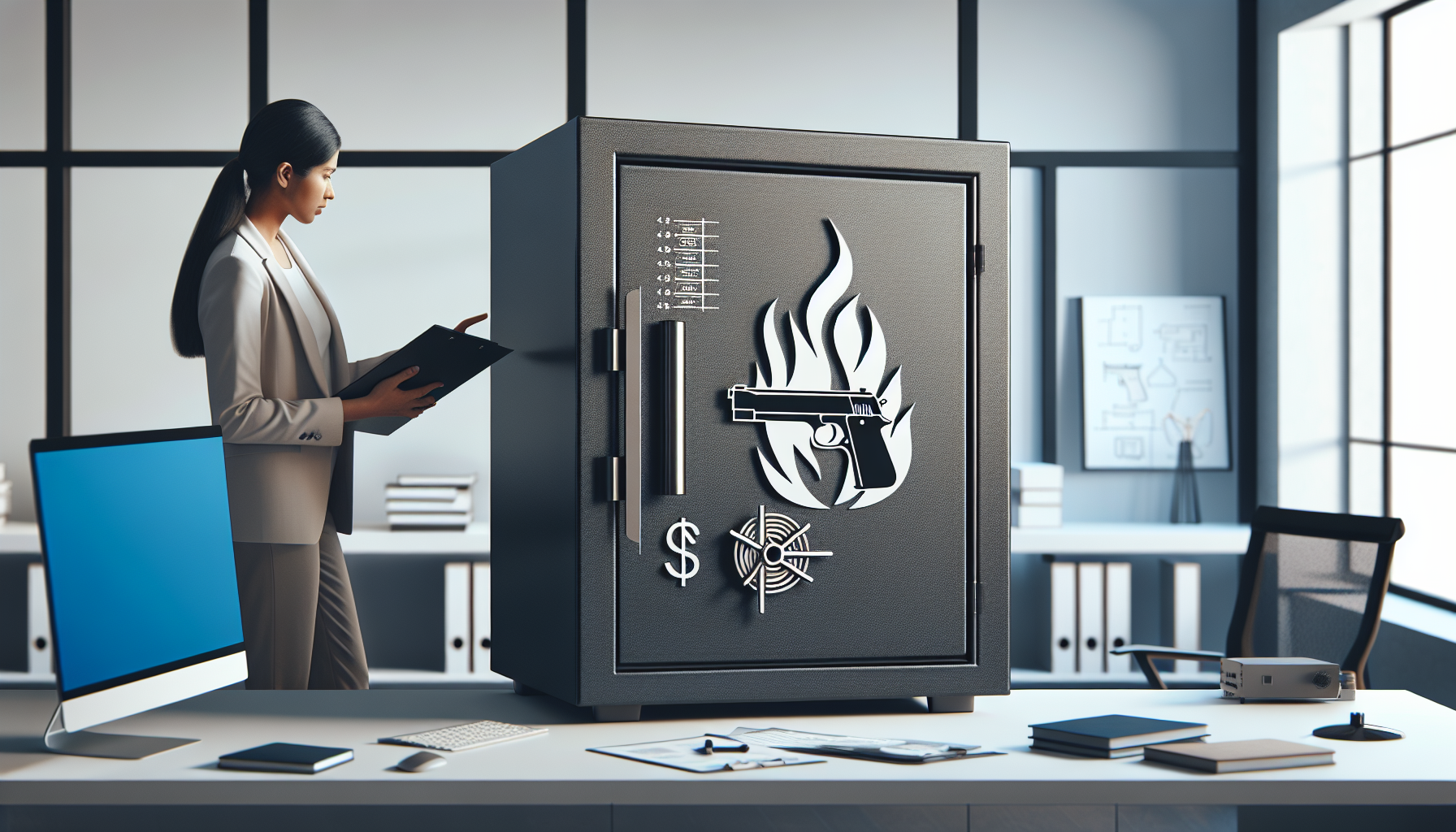
Choosing a gun safe with the best fire protection starts with understanding a simple fact: not every “fireproof” safe protects firearms the same way, and the wrong assumptions can leave valuable guns, documents, and optics exposed when a house fire turns a room into an oven. In the gun safes and safety category, fire protection is one of the most misunderstood buying factors because labels, marketing claims, and test methods vary widely. A gun safe is a reinforced storage container designed to prevent unauthorized access, deter theft, and, in better models, slow heat transfer during a fire. Fire protection refers to how long the interior stays below a target temperature, usually around 350°F for paper, while the outside is exposed to much higher heat. For gun owners, that threshold only tells part of the story because wood stocks, lubricants, polymers, scopes, and ammunition can be damaged well before or after paper burns. I have evaluated safes in retail showrooms, reviewed manufacturer test sheets, and helped buyers replace units after structure fires, and the lesson is consistent: published fire ratings matter, but construction details matter more. This buying guide explains how fire ratings work, which materials and features actually improve performance, where common claims fall short, and how to compare entry-level, mid-range, and premium options without paying for meaningless specs. If you want the best fire protection in a gun safe, you need to assess the safe as a system: steel body, insulation type, door seals, locking area, bolt design, placement in the home, and the quality of third-party testing.
Understand what a fire rating really means
The most important rule is to treat a fire rating as a test result, not a universal guarantee. Manufacturers typically advertise numbers such as 30 minutes at 1200°F, 60 minutes at 1400°F, or 90 minutes at 1680°F. Those figures sound comparable, but they may come from different protocols. Some brands use internal factory tests; others rely on recognized laboratories such as Intertek/ETL or UL standards used for record safes and security containers. The most credible ratings specify the exterior temperature, duration, and maximum interior temperature reached. Without all three, the claim is incomplete.
For firearm storage, ask the question directly: how hot can the inside get, and for how long? Paper chars around 400°F, so many fire tests aim to keep the interior below 350°F. That is useful if you store deeds, passports, or tax records in the safe, but firearms introduce other concerns. Bluing can discolor, wood stocks can dry and crack, adhesives in optics can fail, and polymer components can deform under prolonged heat. Moisture released from insulation materials during a fire can also accelerate corrosion after the event. In practice, a safe that protects paper for 60 minutes may still leave guns requiring refinishing or parts replacement.
Also separate house-fire reality from marketing imagery. According to guidance commonly cited by the National Fire Protection Association, residential fires can reach flashover temperatures well above 1100°F, but duration and room conditions vary. A safe in a garage may face different exposure than one on a second floor bedroom. Fire departments usually respond within minutes, yet burn time can extend much longer in rural areas. That is why a rating should match your location, home type, and response expectations rather than a generic ideal.
Focus on the construction details that improve fire protection
The best fire-protective gun safes combine thermal insulation, robust steel structure, and controlled sealing around the door. Many entry-level cabinets rely mainly on thin steel and gypsum-based drywall layers. Drywall can help because it contains chemically bound water that converts to steam as temperatures rise, slowing heat transfer. The weakness is that the number of “layers” alone does not tell you much. One layer installed poorly with air gaps and weak door coverage can underperform compared with a carefully engineered body using composite fill or poured insulation.
Composite safes generally provide better fire resistance than simple sheet-steel shells lined with drywall. In higher-end models, manufacturers use a thicker outer shell and fill the cavity with proprietary fireboard, concrete amalgam, ceramic wool, or other insulating material. These designs tend to be heavier, more rigid, and less vulnerable to localized hot spots. Weight is not a perfect measure, but all else equal, a substantially heavier safe of similar dimensions often indicates more steel, more insulation, or both.
Door seals matter more than buyers expect. An expanding intumescent seal swells when heated and helps block smoke and hot gases from entering through door gaps. This can significantly improve survivability for documents and reduce soot contamination on firearms. However, seals must be continuous and properly mounted. I have inspected safes with attractive door trim but obvious corner breaks in the seal path. A glossy finish does not compensate for an incomplete barrier.
Door design also affects performance. Heat often attacks the front face first, so thicker door plates, reinforced door frames, and tighter tolerances are beneficial. Look for active locking bolts on multiple sides, but do not assume more bolts automatically equals better fire protection. Bolt count is mostly a burglary feature. For fire, what matters is how well the door remains aligned and sealed as the body expands under heat.
Compare insulation, seals, and ratings before you compare brand names
Brand reputation helps, but direct construction comparisons are more useful. Before narrowing your list, evaluate each safe using the same criteria.
| Feature | What to look for | Why it matters in a fire |
|---|---|---|
| Fire rating disclosure | Duration, exterior temperature, interior maximum, named test source | Lets you compare actual performance instead of vague “fireproof” claims |
| Insulation type | Composite fill, multiple fireboard layers, ceramic or poured material | Slows heat transfer and reduces interior temperature rise |
| Door seal | Continuous intumescent seal around the opening | Blocks smoke and hot gases that can rapidly damage contents |
| Steel thickness | Body gauge and door plate thickness stated clearly | Improves structural stability and resists deformation under heat |
| Hinge and frame fit | Tight door gaps, rigid frame, quality welds | Helps the door stay shut and sealed during thermal stress |
| Anchor capability | Pre-drilled holes, hardware, reinforced base | Keeps the safe in place and supports safer floor-level installation |
Using a simple matrix like this prevents a common mistake: buying on cosmetics. Textured paint, chrome spokes, and plush interiors do not improve fire resistance. Many strong values come from plain-looking safes with better steel, better seals, and clearer testing data. Good examples in the market have historically come from brands such as Liberty, Fort Knox, Browning, American Security, Rhino, and Hollon, but model lines differ widely. One maker’s entry series may be adequate for basic burglary deterrence while its premium composite line is the real fire performer.
Match the fire rating to your home, climate, and collection
The best fire protection is not a single number; it is the right number for your situation. In a suburban area with quick fire response and a one-story home on a slab, a verified 60-minute rating can be a sensible target for many buyers. In a rural area, in a large wood-frame house, or where access roads delay fire crews, 90 minutes or more deserves serious consideration. If you keep NFA paperwork, passports, backup drives, family records, and jewelry inside the same safe, you may want a separate UL-classified document safe or an internal document pouch because paper-focused ratings do not fully cover digital media.
Location in the house is part of the purchase decision. A safe installed on a concrete slab in a climate-controlled interior room generally performs better than the same safe placed in a hot garage or upstairs room. Heat rises, floors can fail, and garages often expose safes to wider temperature swings and higher humidity. I usually recommend a ground-floor corner against an interior wall if structure and layout permit. A corner location can reduce exposed surface area, and concrete underneath adds support for heavier safes.
Climate matters after the fire as well. Fire-resistant materials can release moisture during heating, and that trapped humidity can rust firearms during recovery. In humid regions, plan for a dehumidifier rod or desiccant system from day one. GoldenRod, Eva-Dry, and PEET-style moisture control products are common choices, but use only accessories appropriate for the safe’s power-routing setup and internal volume.
Know the tradeoffs between fire protection, theft protection, and budget
Every safe purchase is a balancing act among fire resistance, burglary resistance, usable space, and price. Entry-level gun safes sold in big-box stores often advertise attractive fire numbers at low prices, but they may use thinner steel bodies, basic door frames, and factory-generated ratings without independent verification. These units can still be worthwhile for a starter collection in a low-risk environment, especially when bolted down and placed intelligently. The limitation is that they are not equivalent to heavier plate or composite safes, no matter how similar the sticker appears.
Mid-range safes usually offer the strongest value. This is where you often find upgraded steel thickness, better boltwork, stronger hard plates around locks, and more credible 60- to 90-minute fire ratings. For most households, this class is the practical sweet spot. Premium safes go further with composite bodies, thicker door plates, advanced relockers, and more rigorous manufacturing tolerances. They cost more and weigh much more, but for high-value collections, heirloom firearms, or slow-response locations, the extra mass and engineering are justified.
Be careful with capacity claims. A “36-gun safe” may realistically hold 18 to 24 scoped long guns without crowding. Overpacking reduces airflow and increases the chance of stock dings, optic contact, and difficult access during an emergency. When buyers choose too small a safe, they often stack firearms and add paper boxes around them, which undermines both safe handling and moisture control. Buy larger than your current inventory suggests.
Inspect the details in person and ask the seller better questions
If possible, shop in person and open several safes side by side. Close the door gently and watch for sag, flex, or rubbing. Inspect the seal path, interior door panel, hinge side, and base construction. Ask for the body steel gauge, door thickness, insulation type, and test documentation. If the seller says the safe is “fireproof,” ask who tested it, at what temperature, for how long, and to what interior threshold. A serious dealer should answer clearly or provide manufacturer literature.
Lock choice is secondary to body construction for fire, but it still matters. Mechanical dial locks have a long track record and no batteries, while modern electronic locks are faster and often reliable when sourced from respected makers such as Sargent and Greenleaf or SecuRam. Cheap electronic locks are a weak point. During a fire, lock survivability depends largely on the surrounding door structure, heat exposure, and post-fire condition. Choose a lock from a recognized manufacturer and avoid off-brand hardware with sparse support.
Ask about warranty terms after a fire. Some brands offer repair or replacement policies and even freight assistance. Read the exclusions. A generous warranty does not restore sentimental firearms, but it does signal confidence in the product and can reduce long-term ownership cost. Also ask whether anchoring hardware, electrical passthroughs, and door organizers affect the fire rating. Accessories can create penetrations or crowding that matter.
Installation and maintenance determine whether the safe performs as advertised
A well-rated safe can still underperform if installed badly. Anchor the safe according to manufacturer instructions and local building conditions. Use concrete anchors on slab installations when possible, and confirm the floor can support the loaded weight. A large fire-safe gun safe may exceed 1,000 pounds before firearms and accessories are added. Professional delivery is worth the money because tilt damage, stair hazards, and improper shimming are common DIY problems.
Maintain the safe like a piece of protective equipment, not furniture. Check door seal condition, bolt operation, interior humidity, and lock performance regularly. Replace dehumidifier desiccant as directed and inspect power cords routed through factory ports. Keep an up-to-date inventory with serial numbers and photos stored offsite or in encrypted cloud storage. After any nearby fire, even if the safe was not directly burned, inspect for smoke intrusion and condensation.
The best buying decision is usually a larger, heavier, independently rated safe from a reputable line, installed on a slab in a conditioned space, with active humidity control and realistic expectations about what fire ratings do and do not guarantee. That combination protects firearms better than chasing the biggest number on a showroom tag. As you compare buying guides across the gun safes and safety topic, use this page as your hub: define the fire rating, verify the test, inspect the construction, size up for growth, and plan the installation before purchase. Do that, and you will choose a gun safe with fire protection that is meaningfully stronger, easier to trust, and better suited to your collection. Start by listing your firearms, your home conditions, and your minimum acceptable fire rating, then compare models using those criteria instead of marketing language.
Frequently Asked Questions
1. What does a gun safe’s fire rating actually mean, and can I trust the label?
A gun safe’s fire rating usually refers to how long the safe is claimed to protect its contents at a stated external temperature, such as 30, 60, 90, or 120 minutes at temperatures ranging from around 1,200°F to 1,800°F. The problem is that not all fire ratings are created equal. Some manufacturers use independent lab testing, while others rely on internal testing methods that may not reflect real-world fire conditions. That means two safes with similar-looking ratings may perform very differently when exposed to an actual house fire.
To evaluate a fire rating properly, look beyond the big number on the sticker. Check who performed the test, what temperature was used, how long the exposure lasted, and what internal temperature threshold was considered acceptable. Firearms, wood stocks, optics, ammunition, and important documents can all be damaged well before the safe itself fails structurally. For example, paper chars around 350°F, and prolonged internal heat can damage lubricants, finishes, and sensitive accessories. A stronger rating is usually one backed by transparent testing standards rather than vague marketing language like “fireproof” or “maximum fire protection.” In practice, the best approach is to treat the fire label as one piece of the buying decision, not the whole story.
2. How much fire protection do I really need in a gun safe for home use?
The right amount of fire protection depends on your home, your risk level, and what you plan to store inside the safe. For many homeowners, a minimum of 60 minutes of verified fire protection is a sensible starting point, but that may not be enough in every situation. If you live in a rural area with longer fire department response times, own a larger home with more fuel load, or want to store documents, heirlooms, optics, or suppressor paperwork along with firearms, stepping up to 90 minutes or more can be a smart investment.
It is also important to think about where the safe will sit. A safe in a garage, top floor, or near flammable materials may face different fire conditions than one installed on a concrete slab in a climate-controlled interior room. Basement placement can sometimes reduce fire exposure, while upper floors may collapse during a severe fire and expose the safe to longer heat or impact. Instead of asking only, “What is the best fire rating I can afford?” ask, “How likely is a prolonged fire in my setting, and how valuable or heat-sensitive are the contents?” The best fire protection is not just a high number on paper; it is a combination of realistic fire endurance, proper placement, and a safe designed to protect everything you intend to keep inside.
3. What construction features make a gun safe better at fire protection?
Several design features play a major role in how well a gun safe handles heat. One of the most important is the insulating material used in the walls and door. Many fire-rated gun safes use layers of gypsum-based fireboard, while higher-end models may use multiple layers or proprietary composite materials that slow heat transfer more effectively. In general, thicker bodies and doors, more insulation, and better overall build quality improve fire performance, although weight alone is not a guarantee of protection.
Door seals are another critical feature. Quality fire safes often include expanding heat seals that swell during a fire to help block smoke and heat from entering gaps around the door. A good door seal can make a meaningful difference because the door perimeter is one of the most vulnerable points in any safe. Pay attention as well to door fit, hinge design, and whether the safe body is continuously welded or lightly assembled. Better welds and tighter construction usually mean fewer weak points under extreme heat.
Internal layout matters too. Shelving, door organizers, and dense packing can affect airflow and heat distribution inside the safe. Some safes also include sealed interiors or additional protective compartments for documents. If fire protection is a top priority, look for a safe that combines credible insulation, effective heat-activated seals, solid steel construction, and a testing process the manufacturer is willing to explain clearly. Marketing phrases are easy to print, but physical design details are what determine how a safe actually performs in a fire.
4. Will a fire-rated gun safe also protect documents, cash, optics, and electronic accessories?
Not necessarily. This is one of the most common and costly misunderstandings buyers make. A gun safe may be rated to withstand external fire for a certain period, but that does not automatically mean the interior stays cool enough for every type of item. Firearms themselves can often survive temperatures that would destroy paper records, photos, passports, cash, hard drives, batteries, and delicate optics. Adhesives, polymer components, lens coatings, and electronic circuits can all be affected by heat long before the safe’s published fire limit is reached.
If you plan to store documents or digital media alongside firearms, consider using a separate document-rated fire box or media-rated container inside the gun safe. This creates an extra thermal barrier for the most heat-sensitive items. It is also wise to understand the difference between ratings intended for paper and those for electronic media. Paper can tolerate more heat than data storage devices, which are much more sensitive to both temperature and humidity. In other words, a gun safe with good fire protection is helpful, but it is not automatically a one-size-fits-all solution for every valuable in your home. Matching the safe’s fire performance to the actual items you store is the smartest way to avoid expensive surprises after an emergency.
5. Besides the fire rating, what else should I consider when choosing the best fire-protective gun safe?
Fire protection should be a major part of the decision, but it should never be considered in isolation. A gun safe also needs strong burglary resistance, reliable locking hardware, sufficient storage space, and proper installation. In many cases, a safe that offers balanced protection against theft and fire is a better choice than one with a flashy fire rating but weaker steel, poor bolt work, or a low-quality lock. After all, a safe that survives fire but is easy to pry open is not really doing its job.
Think carefully about size and future capacity as well. Buyers often underestimate how quickly firearms collections grow, especially once scopes, slings, magazines, documents, and valuables are added. A crowded safe can make organization difficult and may reduce practical protection for delicate items. Anchoring is another must. A properly bolted-down safe is less likely to be tipped, removed, or shifted during an emergency. You should also consider humidity control, especially if the safe will be stored in a basement, garage, or humid climate. Fire protection does not prevent rust, so a dehumidifier or desiccant system may still be necessary.
Finally, buy from a manufacturer or dealer that is transparent about testing, construction, warranty terms, and support. Reputable brands are usually more forthcoming about how their safes are built and how their ratings were achieved. The best fire-protective gun safe is not simply the one with the highest advertised number. It is the one that delivers verified fire resistance, practical security, appropriate capacity, and dependable long-term protection for the specific firearms and valuables you own.