
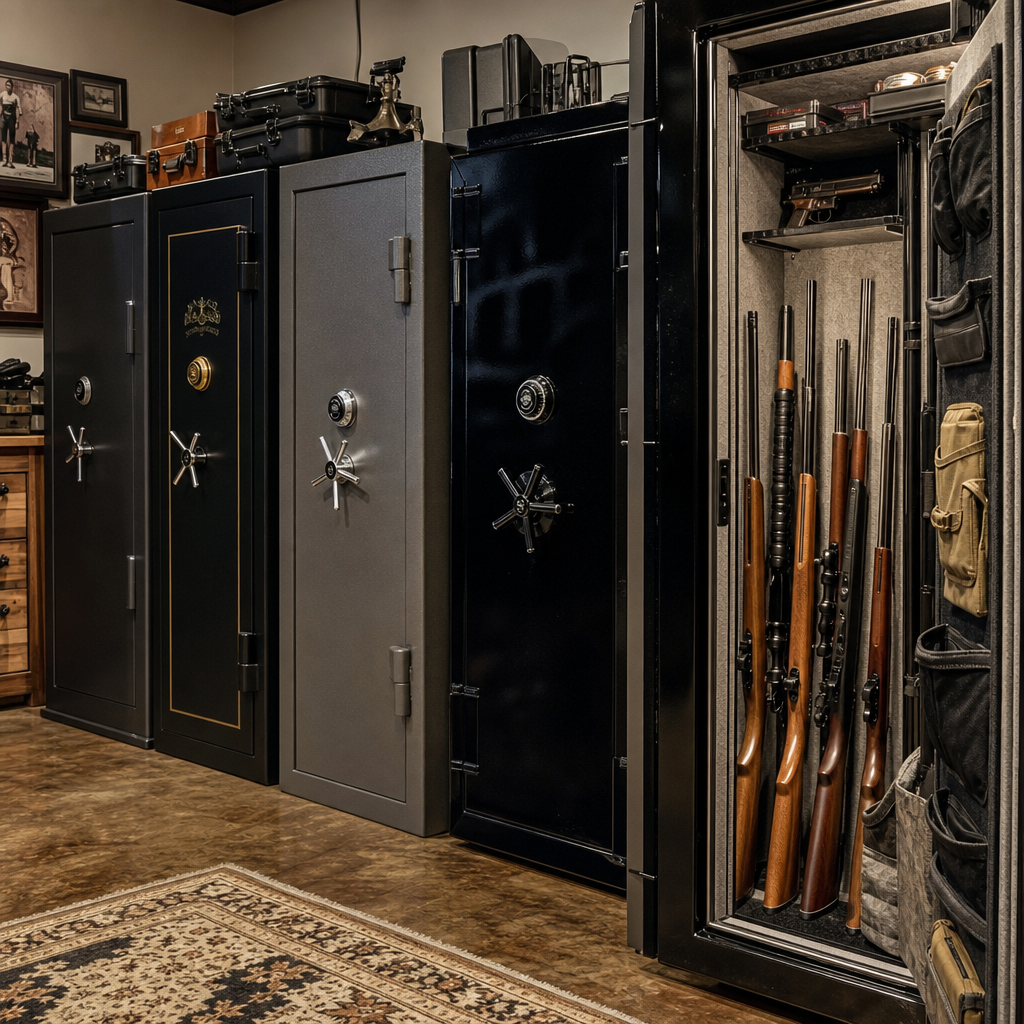
The most popular gun safe brands among firearm collectors stand out because they solve three problems at once: security, fire protection, and practical organization for growing collections. A gun safe is a reinforced storage container designed to restrict unauthorized access to firearms, while also protecting against theft, house fires, humidity, and accidental handling. For collectors, the category is broader than “a place to lock up guns.” It includes residential security containers, true safes with heavier steel and composite construction, modular vaults, and specialty cabinets built for display, documents, optics, and ammunition. In my experience helping collectors compare models, brand matters because construction quality, warranty support, lock reliability, and interior flexibility vary far more than most buyers expect.
This topic matters because collectors usually outgrow their first safe. A new owner may start with a twelve-gun cabinet, then discover that scoped rifles, slings, handguns, and paperwork consume far more room than the advertised capacity suggests. Serious collectors also care about finish protection, dehumidification, and access control for family safety. Insurance carriers, appraisers, and estate planners increasingly ask how firearms are stored, especially when collections include transferable machine guns, engraved shotguns, or rare military rifles. The right safe brand can reduce risk, preserve value, and make a collection easier to catalog and maintain. The wrong purchase can leave an owner with cramped storage, weak locking bolts, or misleading fire ratings that fail under realistic conditions.
Collectors also shop differently from casual firearm owners. They compare steel thickness, door design, boltwork, relockers, hinge placement, anchor points, and lock certifications instead of just looking at glossy paint and a big “gun count” sticker. They ask practical questions: Which brands offer the best fit and finish? Which companies have consistent dealer support? Which safes balance burglary resistance and interior capacity? Which are easiest to move into a basement or upstairs room? This hub article answers those questions and introduces the leading gun safe brands collectors mention most often: Liberty Safe, Fort Knox, Browning, American Security, Rhino Metals, Winchester, Cannon, Sports Afield, Hollon, and Zanotti. Each serves a different buyer profile, price tier, and collection strategy.
At a high level, popular gun safe brands separate themselves through five factors. First is steel: thicker bodies and doors resist pry attacks better than thin-sheet cabinets. Second is lock and boltwork quality, including UL-listed electronic or mechanical locks, hard plates, and relockers. Third is fire resistance, which depends on insulation type, door seals, and tested duration at a stated temperature. Fourth is interior usability, such as shelving flexibility, door organizers, and safe lighting. Fifth is service after the sale: delivery coordination, replacement parts, warranty handling, and long-term dealer networks. Once collectors understand those variables, brand comparisons become much clearer, and buying decisions become less emotional and more evidence-based.
What Makes a Gun Safe Brand Popular With Collectors
The most respected gun safe brands earn loyalty by being predictable. Collectors want to know that the steel gauge listed in the brochure matches what arrives at the house, that the lock is from a recognized manufacturer like Sargent and Greenleaf or SecuRam, and that the safe can be anchored securely to concrete or wood framing. They also want room to evolve. A collector who currently owns six lever guns may later add scoped precision rifles, suppressors, archival records, and estate documents. Brands that offer modular shelving, handgun racks, and door storage keep the safe useful longer, which is one reason some manufacturers build unusually strong followings.
Another reason popularity clusters around a handful of brands is dealer presence. In the field, I have seen many buyers choose a slightly more expensive model simply because a local dealer could explain body thickness, arrange professional installation, and service the lock if needed. Collectors are less likely to trust a safe sold only through a seasonal big-box promotion with minimal specifications. Good dealers also steer buyers away from inflated capacity claims. A “40 gun” safe may hold closer to 18 to 24 long guns once optics, bipods, and soft sleeves are included. Brands with transparent specifications and realistic interior layouts gain credibility fast.
Finally, collectors care about how a safe fits into a broader security plan. A premium safe works best when paired with alarms, cameras, humidity control, documented serial numbers, and discreet placement in the home. Popular brands understand this and build around real use cases. They provide power ports, anchor kits, LED lighting, and adjustable interiors that support long-term storage. Some also offer higher-security lines for owners with rare or federally regulated firearms. In short, popularity is not just marketing reach. It reflects whether a brand consistently meets the day-to-day needs of collectors who actually live with these products for years.
Leading Gun Safe Brands and Where Each One Fits
Liberty Safe remains one of the most recognized names in the category because it spans entry-level to premium residential models and has broad dealer distribution. Collectors often start with Liberty because the lineup is easy to understand, replacement parts are obtainable, and interiors are generally practical. The Franklin and Presidential series, for example, appeal to owners who want stronger fire protection, upgraded interiors, and polished fit and finish. Liberty is not the cheapest option, but it is frequently the safe brand collectors compare first because it defines the middle of the market so clearly.
Fort Knox occupies a more premium and customizable position. Collectors who want thicker steel options, custom dimensions, interior layouts, and cosmetic choices often gravitate toward Fort Knox. In homes with dedicated gun rooms or high-value estates, I have seen Fort Knox selected because buyers wanted to specify body steel upgrades, redundant locking features, and interiors built around exact firearms rather than generic capacity ratings. That level of customization costs more, but for collectors with heirloom doubles or museum-grade militaria, the extra control is often the point.
Browning is popular for interior organization. The company’s Axis Adjustable Shelving and door-mounted storage systems solve a real problem: fitting long guns with optics without wasting usable width. Collectors with mixed inventories—bolt guns, AR-platform rifles, shotguns, and handguns—often find Browning interiors more adaptable than brands that still rely on simple notched racks. American Security, commonly called AMSEC, is another favorite among informed buyers because it offers both strong residential security containers and more serious burglary-rated safes. Models like the BF series are well known because they combine substantial steel, composite construction elements, and reputable lockwork.
Rhino Metals, including Rhino and Kodiak lines, wins attention by offering attractive interiors and useful feature sets at competitive prices. Winchester, Cannon, and Sports Afield are often encountered through major retailers and appeal to value-focused buyers who still want fire lining, electronic locks, and respectable storage capacity. Hollon is especially relevant when a collector wants to step closer to commercial-grade burglary protection or needs a smaller but heavier true safe for handguns, documents, and high-value items. Zanotti stands apart because its modular design allows assembly in spaces where a welded safe cannot be delivered, making it highly practical for upstairs rooms, tight stairwells, or older homes.
| Brand | Best Known For | Typical Buyer | Tradeoff |
|---|---|---|---|
| Liberty Safe | Broad lineup and dealer support | Collectors wanting a dependable mainstream choice | Premium lines can become expensive quickly |
| Fort Knox | Customization and heavier build options | High-value collectors with specific requirements | Higher cost and longer lead times |
| Browning | Excellent interior organization | Owners of mixed firearm types with optics | Some shoppers prioritize steel thickness over layout |
| AMSEC | Strong security reputation and serious models | Buyers focused on burglary resistance | Weight and price rise fast on stronger units |
| Rhino Metals | Feature-rich value and strong styling | Mid-range buyers wanting practical upgrades | Specifications vary by line and dealer |
| Zanotti | Modular construction for hard-to-reach spaces | Collectors with access or moving limitations | Assembly adds time compared with welded safes |
How to Compare Gun Safe Brands the Right Way
The best gun safe comparison starts with steel thickness, not advertised gun count. Many residential security containers use 12-gauge to 14-gauge bodies, while stronger models move thicker. Doors may use plate steel or layered composite construction. In practical terms, more steel generally means better resistance to pry attacks and forced entry, but also more weight, higher cost, and harder installation. Collectors should also examine the frame design around the door. A heavy door on a weak frame is not the same as a well-engineered safe with reinforced jambs, solid bolt engagement, and anti-pry features.
Next, evaluate the lock system. A UL-listed mechanical dial remains a benchmark for reliability, though quality electronic locks offer speed and convenience that many owners prefer. What matters is not simply “electronic versus dial,” but the lock’s pedigree, the presence of hard plates to resist drilling, and relockers that trigger during attack. I usually advise collectors to avoid unknown lock brands when spending serious money. Replacing a failed keypad is inconvenient; replacing an unreliable lock on a loaded safe can become costly and stressful. Good brands specify lock makers and provide service support through established dealer networks.
Fire ratings require even more scrutiny. There is no single universal consumer fire standard covering every advertised claim in this market, so buyers should ask how a rating was determined. Was the safe tested externally by a recognized lab such as Intertek/ETL? At what temperature, for how long, and to what interior threshold? Paper chars around 451 degrees Fahrenheit, but wood stocks, adhesives, optics, and finishes can be damaged at lower or differently sustained temperatures. A thirty-minute rating may be adequate in some urban settings with fast fire response, while rural homes may justify longer durations and more insulation. Fire protection claims are useful, but only when understood in context.
Interior design is the final comparison point collectors underestimate. Adjustable shelving, barrel rests, pistol pockets, drawers, jewelry inserts, and electrical pass-throughs can transform ownership. A collector with twenty rifles of similar profile has different needs than someone storing precision rifles with large optics, boxed handguns, tax stamps, and appraisal files. Before choosing a brand, map your real inventory and leave growth space. Most experienced owners recommend buying at least one size larger than current needs. That advice remains valid because collections expand, accessories multiply, and storing guns loosely packed is safer for finishes than forcing them into every advertised slot.
Brand Spotlights by Collector Type and Use Case
For new collectors building a serious but not yet elite collection, Liberty, Browning, Rhino Metals, and Winchester often represent the practical center of the market. They usually provide enough fire lining, interior flexibility, and recognizable lock options to protect mainstream collections without demanding vault-level budgets. A buyer storing production Colt revolvers, hunting rifles, and common modern sporting rifles may reasonably prioritize capacity, organization, and local delivery over maximum burglary ratings. In that scenario, Browning’s interior system or Liberty’s dealer-backed availability can make more difference in daily satisfaction than an abstract steel upgrade on paper.
For advanced collectors with high-value inventories, AMSEC and Fort Knox usually enter the conversation early. That is especially true when the collection includes rare Winchesters, pre-war Colts, Holland & Holland shotguns, transferable NFA firearms, or documented military pieces with significant historical value. These owners often need stronger body construction, better fit around the door, and more options for layered security. They may also maintain separate storage strategies, such as a larger gun safe for long guns and a burglary-rated safe for handguns, paperwork, and serialized accessories. In these settings, premium brands justify their cost because the collection itself demands a more defensive posture.
Zanotti fills a niche many buyers discover only after measuring doorways and stair landings. In older homes, condominiums, and upper-floor rooms, a traditional welded safe may simply be impossible to install without structural risk or expensive equipment. Modular safes solve that problem by being carried in panels and assembled on site. For collectors who move periodically or expect to reconfigure their home, that flexibility is valuable. Hollon, meanwhile, appeals to shoppers who want straightforward, security-focused products and who may be cross-shopping burglary-rated units more common in commercial settings. That makes Hollon relevant for collectors storing a concentrated amount of value in a relatively compact footprint.
Retail-driven brands such as Cannon and Sports Afield serve a large segment of the market and should not be dismissed automatically. For many owners, especially those storing ordinary sporting firearms and wanting immediate availability, these safes can be a measurable improvement over closets, under-bed cases, or thin metal cabinets. The key is disciplined comparison. Review steel specs, lock support, fire construction, and warranty terms instead of assuming all similarly priced safes perform the same. Among collectors, the “best” brand is rarely universal. It is the brand whose construction, access method, service network, and interior design match the actual risk profile of the collection.
How This Hub Helps You Choose the Right Safe Brand
This hub exists to make gun safe comparisons more useful and less confusing. Instead of treating every safe as interchangeable, the articles connected to this page should help you evaluate brand-specific strengths, from Liberty versus Browning for interior usability to Fort Knox versus AMSEC for heavier-duty protection. As you explore deeper comparisons and individual brand spotlights, focus on your own priorities: burglary resistance, fire protection, capacity, modular access, warranty quality, and dealer support. A safe is not just another accessory purchase. It is core infrastructure for responsible firearm ownership and long-term collection management.
The main takeaway is simple. The most popular gun safe brands among firearm collectors became popular because they address real collector concerns with consistent quality and clearly differentiated strengths. Liberty offers broad appeal and dependable support. Fort Knox emphasizes customization and premium protection. Browning excels in organization. AMSEC is respected for serious security. Rhino Metals balances features and value. Winchester, Cannon, and Sports Afield serve practical mainstream needs. Hollon adds heavier-duty options, and Zanotti solves difficult installation problems. If you are building out your gun safes and safety strategy, use this hub as your starting point, then compare models with exact specifications before you buy.
Choose the brand that fits your collection today, but also the collection you expect to own five years from now. Measure your space, document your firearms, compare steel and lock details carefully, and work with a reputable dealer or installer whenever possible. That approach leads to a safer home, better preservation, and fewer regrets after delivery day.
Frequently Asked Questions
What gun safe brands are most popular among firearm collectors, and why do they stand out?
Among firearm collectors, the most popular gun safe brands are usually the ones that consistently balance security, fire protection, interior flexibility, and long-term reliability. Names that come up often include Liberty, Fort Knox, Browning, AMSEC, Winchester, Rhino, and Cannon, with some collectors also looking at specialty manufacturers for higher-security or custom-built options. These brands tend to stand out because they offer a range of products, from entry-level residential security containers to heavier, more feature-rich safes designed for larger and more valuable collections.
Collectors are often drawn to these brands for different reasons. Liberty is widely recognized for broad availability and strong consumer trust. Fort Knox is known for customization and robust construction. Browning has a strong reputation for practical interior organization that helps collectors maximize space. AMSEC is respected for offering both residential gun safes and more serious security products, which appeals to collectors who want a step up in burglary resistance. Winchester and Cannon remain popular because they offer accessible options for buyers who want recognizable brands with mainstream distribution.
What truly makes a brand popular with collectors, however, is not just name recognition. It is whether the safe solves the real-world problems collectors face: preventing unauthorized access, reducing theft risk, providing meaningful fire protection, and keeping a growing collection organized. A collector may start with a safe for a handful of firearms, then quickly need storage for optics, documents, handguns, magazines, and accessories. The brands that stay popular are the ones that understand this evolution and offer usable interiors, modular shelving, door storage, dehumidifier compatibility, and enough size options to grow with the collection.
How important is fire protection when choosing a gun safe brand for a firearm collection?
Fire protection is extremely important, especially for collectors who are storing not only firearms, but also wood stocks, optics, suppressor paperwork, tax documents, heirlooms, and other valuables that can be damaged or destroyed by heat, smoke, and moisture. A quality gun safe is not just meant to keep someone out. It is also there to give the contents a better chance of surviving a house fire. That is one of the biggest reasons certain brands become favorites among collectors: they invest in fire-resistant materials, door seals, and construction methods designed to slow heat transfer.
That said, collectors should understand that fire ratings can be confusing. One brand may advertise a longer fire rating at one temperature, while another may test under different conditions. Because there is not always a single universal standard across all consumer gun safes, it is smart to look beyond the headline claim. Pay attention to the stated temperature, duration, seal design, wall construction, and whether the brand explains its testing method clearly. Reputable brands tend to be more transparent and consistent about these details, which is part of why they earn collector confidence.
For most collectors, the best approach is to view fire protection as one part of a larger risk-management strategy. A safe with better insulation and sealing is valuable, but so are proper placement, home fire alarms, and humidity control. Fire resistance also matters more as the collection becomes more valuable or sentimental. Antique firearms, engraved pieces, custom rifles, and inherited guns are often impossible to replace. For that reason, many collectors prioritize brands with stronger fire credentials, even if they cost more, because they are buying peace of mind as much as storage.
What features should firearm collectors compare when evaluating different gun safe brands?
Collectors should compare far more than just price and advertised capacity. The most important areas to evaluate are steel thickness, locking mechanism, bolt design, fire protection, interior layout, door organization, size realism, humidity management, and warranty support. A safe that looks similar on paper to a competitor may be very different in actual construction quality, and experienced collectors know that the details matter. Popular brands tend to earn their reputation by performing well across these categories rather than excelling in only one.
Security-related features should always come first. Look at the body construction, door thickness, number and size of locking bolts, hard plate protection around the lock, relocking mechanisms, and whether the safe can be anchored securely. Then consider the lock type. Some collectors prefer mechanical dial locks for simplicity and long-term durability, while others like electronic locks for speed and convenience. Better brands usually provide options, allowing buyers to choose based on personal preference and use case.
Organization is especially important for collectors. Advertised gun counts are often optimistic, particularly if rifles have scopes, slings, bipods, or wide stocks. That is why many collectors gravitate toward brands known for practical interiors rather than inflated capacity numbers. Adjustable shelving, modular racks, handgun pockets, document storage, jewelry drawers, and configurable barrel supports all make a meaningful difference. A growing collection rarely stays static, so a safe that can adapt over time is often worth paying more for. In short, the best gun safe brands are popular because they do not just store firearms securely; they make the entire collection easier to protect, manage, and access responsibly.
Are premium gun safe brands really worth the higher price for serious collectors?
For many serious collectors, premium gun safe brands are absolutely worth the higher price, but the value depends on what is being protected and how the safe will be used. If the collection includes rare firearms, custom builds, high-end optics, historical pieces, or significant sentimental value, a better-built safe is often a very sensible investment. The extra cost typically goes toward stronger construction, more reliable locking systems, better fit and finish, improved fire protection, and more adaptable interiors. Those upgrades are not just cosmetic. They directly affect how well the safe performs over the long term.
Premium brands also tend to provide more customization. That matters to collectors because one person may need long-gun storage with room for scoped precision rifles, while another may need a combination of handgun shelving, archival storage, and space for accessories. Higher-end manufacturers often allow buyers to choose colors, interiors, lock types, door upgrades, and additional security features. That flexibility can make a premium safe a better long-term purchase than a cheaper model that is outgrown quickly.
At the same time, “worth it” does not always mean buying the most expensive option available. Many collectors are better served by choosing the best safe they can reasonably afford from a respected brand, then installing it properly and controlling humidity inside. A mid-tier safe from a trusted manufacturer can be a major improvement over a budget unit with flashy marketing but weaker construction. The key is to match the safe to the value and size of the collection. Popular premium brands remain popular because collectors often learn that replacing a too-small or underbuilt safe later is more expensive than buying quality at the start.
How large should a gun safe be for a growing firearm collection, and do certain brands offer better organization than others?
Most experienced collectors recommend buying a gun safe larger than you think you need. That advice is repeated so often because it is almost always correct. Safe capacity numbers are commonly based on tightly packed firearms without optics or accessories, which does not reflect how real collections are stored. A “24-gun” safe may feel crowded much sooner than expected if the collection includes scoped hunting rifles, modern sporting rifles, shotguns, or firearms with slings and other attachments. As a result, collectors frequently outgrow their first safe faster than planned.
For a growing collection, size should be evaluated in practical terms rather than just by the manufacturer’s stated gun count. Think about how many long guns you currently own, how many you may add in the next several years, and what else needs protection. Ammunition is often stored separately for weight and safety reasons, but documents, handguns, magazines, suppressor paperwork, cash, and accessories often end up in the safe. That means shelves, door panels, and adjustable compartments matter just as much as raw firearm capacity.
Some brands are especially popular with collectors because they are known for better organization systems. Browning, for example, is often recognized for efficient interior layouts and door storage solutions. Other brands appeal to buyers who want more custom shelving, modular interiors, or specialized compartments. The best choice is usually the one that fits both the physical dimensions of your space and the practical needs of your collection. In most cases, a collector will be happiest with a safe that offers expansion room, flexible storage, and a layout that keeps firearms protected without forcing them into cramped, hard-to-access positions.