
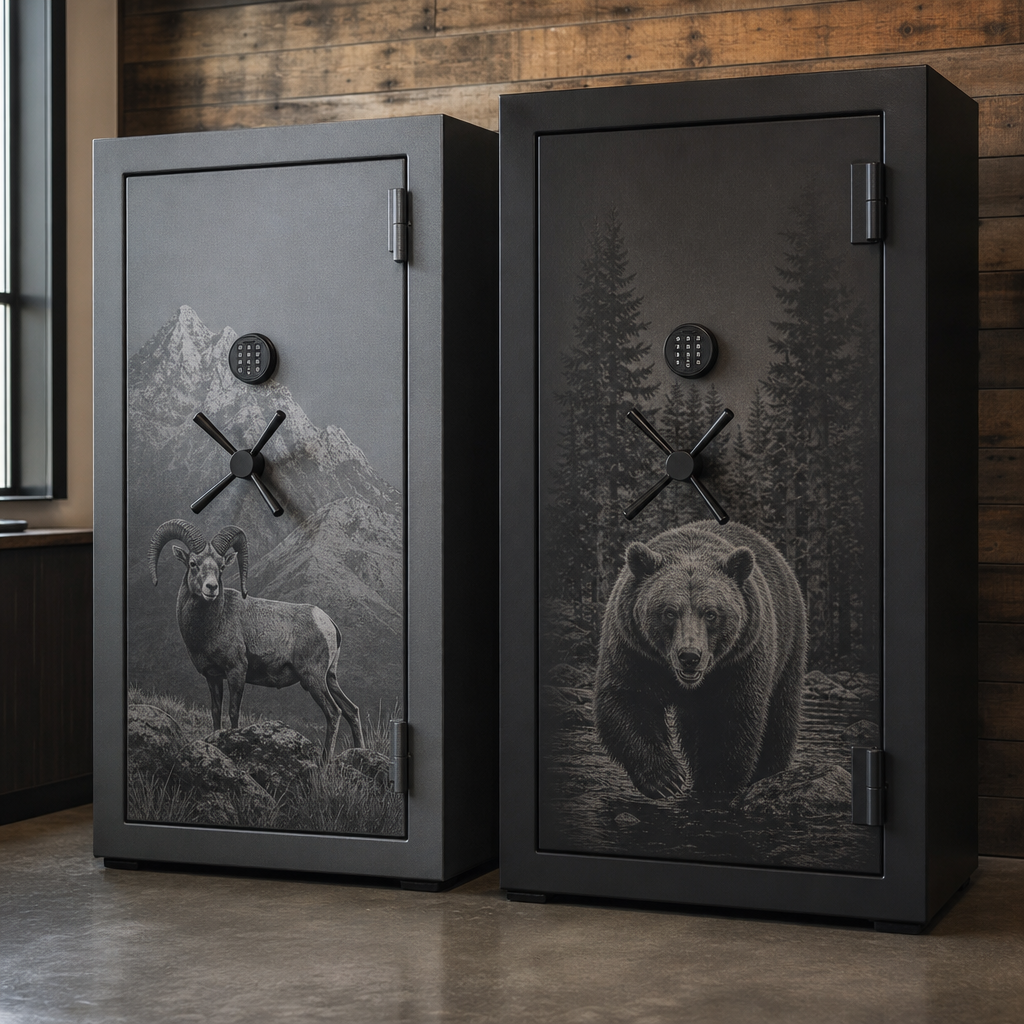
Choosing between Bighorn and Kodiak gun safes matters because a heavy-duty safe is not just a storage box; it is a long-term security system that protects firearms from theft, unauthorized access, fire, and costly damage. In the gun safes and safety category, comparisons like Bighorn vs. Kodiak help buyers move past marketing claims and focus on measurable factors such as steel thickness, lock quality, door construction, fire ratings, interior capacity, and installation demands. A heavy-duty gun safe typically means a larger, heavier cabinet with reinforced walls, active locking bolts, pry resistance, and enough mass to discourage smash-and-grab theft. After working with homeowners comparing safes for primary residences, ranch properties, and detached shops, I have found that most regret comes from buying too small, too light, or too feature-driven without checking construction details. This hub article covers the core differences between Bighorn and Kodiak while also framing the broader gun safe comparisons and brand spotlights landscape, so you can decide which line fits your risk level, firearm collection, and budget.
Bighorn and Kodiak are often compared because both brands target buyers who want more than an entry-level cabinet but may not want to pay premium custom-safe pricing. They sit in a competitive middle zone of the market where specifications can vary widely by series, retailer, and production year. That variation is important: one Bighorn model sold through a warehouse club may differ materially from another Bighorn unit sold through a specialty dealer, and the same is true for Kodiak. That is why the right question is not simply which brand is better, but which construction profile is better for your use case. If you need burglary resistance first, you should prioritize body steel, door edge design, relocker configuration, and anchoring. If you live in a wildfire-prone or humid region, fire lining, heat-expanding seals, and moisture management become more important. The best heavy-duty gun safe is the one that matches your actual threat model, fits your space, and remains practical to use every week.
How to Compare Heavy-Duty Gun Safes the Right Way
The fastest way to make a bad decision is to compare only exterior size, advertised gun count, and sticker price. Real heavy-duty gun safe evaluation starts with body steel thickness, which is usually measured in gauge. Lower gauge numbers mean thicker steel, so 10-gauge steel is thicker than 12-gauge, and both are meaningfully stronger than the thinner steel often found in entry-level residential security containers. Door construction matters just as much. A formed composite door with plate steel in critical areas can perform well, but a thicker door skin, robust hinge-side reinforcement, and a continuous door frame generally offer better resistance to prying and flex. Locking bolts should not be viewed in isolation. Twenty bolts do not automatically beat ten if the door frame and bolt carriage are weaker. What matters is how the locking system works as an integrated structure under attack.
Fire ratings also require context. Many brands advertise a temperature and duration, such as 1,400 degrees for 45 minutes or 75 minutes, but there is no single universal testing standard applied the same way across all manufacturers in this category. Some companies use independent lab testing, while others rely on internal methods. That does not make every fire rating meaningless, but it does mean buyers should compare insulation type, door seals, and brand transparency rather than relying on a single number. Interior design is another practical factor that gets underestimated. Adjustable shelving, door organizers, and power ports improve day-to-day use, but they do not compensate for weak security. In real homes, I usually advise buyers to treat convenience features as tie-breakers after construction, lock quality, and fit are settled.
Bighorn Gun Safes: Strengths, Weaknesses, and Best Fit
Bighorn gun safes have built a following with buyers who want a large-capacity safe at a competitive price, often with appealing features like upgraded interiors, door organizers, and respectable fire claims. In many side-by-side showroom comparisons, Bighorn models feel like a value play: you often get substantial size, a polished finish, and a solid feature list for less than many premium-brand alternatives. For a buyer outfitting a basement gun room or a dedicated storage area, that equation can make sense. Some Bighorn models offer thicker steel than mass-market competitors, and several are heavy enough to provide better baseline burglary resistance than lightweight big-box options. For households storing a mix of long guns, optics, documents, and ammunition accessories, Bighorn can deliver strong capacity per dollar.
The main caution with Bighorn is line consistency. Because models can vary by retailer and generation, you need to verify the exact steel gauge, lock brand, and fire construction of the safe in front of you. I have seen shoppers assume every Bighorn safe shares the same specs, then discover the model they were considering had thinner body steel than another Bighorn unit with a similar look. Buyers should also pay attention to claimed gun counts. Like most manufacturers, Bighorn often measures capacity under ideal conditions using bare rifles without slings, bipods, large optics, or offset accessories. In practice, a “36-gun” safe may store closer to 18 to 24 modern long guns comfortably. Bighorn is usually a good fit for value-conscious buyers who want more room and better features without stepping into the top pricing tier, provided they confirm the exact construction details.
Kodiak Gun Safes: Strengths, Weaknesses, and Best Fit
Kodiak gun safes are frequently chosen by buyers who want a stronger emphasis on practical security details, straightforward layouts, and dependable residential protection. Across many models, Kodiak has earned attention for solid door designs, respectable steel thickness in key lines, and user-friendly interiors that do not feel gimmicky. In stores and installation jobs, Kodiak safes often present as purpose-built rather than flashy. That matters because the best heavy-duty gun safe is usually the one that gets the fundamentals right: thick enough steel to resist fast attacks, a reliable lock, good bolt engagement, and enough internal flexibility to handle scoped rifles and valuables. Buyers who prioritize defensive construction over cosmetic extras often find Kodiak appealing.
Kodiak is not automatically the stronger option in every comparison, however. As with Bighorn, line-specific verification matters. Some Kodiak series are excellent values, while others compete more directly with upper-midrange models and may cost enough that buyers should also consider alternatives from Liberty, Browning, Winchester, Rhino, or American Security. Fire protection should be examined carefully model by model. A longer stated fire rating is useful only if paired with credible insulation and a good door seal. Kodiak tends to fit buyers who want a balanced safe with a practical security-first design, especially for home installation in bedrooms, offices, or garages where a clean footprint and predictable operation matter. If your priority is simple, sturdy, everyday use with fewer decorative frills, Kodiak often deserves serious consideration.
Bighorn vs. Kodiak: Side-by-Side Factors That Actually Decide the Winner
When clients ask me which heavy-duty gun safe is the best between Bighorn and Kodiak, I reduce the decision to a handful of measurable factors. If two safes are close in price, the better buy is usually the one with thicker body steel, stronger door organization, a better lock pedigree, and a layout that fits your real collection without wasting space. Weight matters because more steel usually means more resistance and less ability for thieves to tip or move the unit quickly. Boltwork quality matters because smooth, consistent engagement reduces wear and supports better lockup over time. Finish quality and interior trim are nice, but they should sit low on the decision tree. Here is a practical comparison framework buyers can use before committing.
| Factor | Bighorn | Kodiak | What to Check Before Buying |
|---|---|---|---|
| Value for size | Often strong | Usually competitive | Compare total weight, not just dimensions |
| Interior features | Frequently more feature-rich | Usually more utilitarian | Confirm shelf adjustability and door storage |
| Security emphasis | Varies more by model | Often security-forward | Verify body steel, door edge, relockers, anchors |
| Fire protection | Competitive claims | Competitive claims | Look for seal type, insulation method, test transparency |
| Best buyer profile | Capacity-focused value shopper | Balanced security-focused homeowner | Match the safe to actual risk and collection growth |
In direct comparison, Bighorn often wins when the buyer wants the most interior room and amenities for the money. Kodiak often wins when the buyer values a more straightforward, security-centered package and is willing to trade a little flash for confidence in the fundamentals. Neither result is universal. A specific Bighorn model with heavier steel can outperform a lighter Kodiak, and a specific Kodiak with stronger door construction can clearly beat a feature-rich Bighorn. The deciding factor is always the actual specification sheet plus hands-on inspection. Open the door, look at the frame, inspect bolt engagement, ask for the lock brand, and confirm anchor hole placement before purchase.
Real-World Buying Scenarios, Installation, and Ownership Costs
The best gun safe comparison is one tied to real use. For a first-time buyer with ten hunting rifles, two defensive carbines, a few pistols, and important papers, a mid-to-large Bighorn may be the better choice if the safe will live in a climate-controlled room and capacity is the priority. For a homeowner with fewer guns but higher concern about break-ins, a comparably priced Kodiak with stronger construction details may be the smarter option. In detached garages and workshops, I usually advise buyers to think beyond the safe itself. Concrete anchoring, a dehumidifier rod, air circulation, and keeping the safe out of direct view matter almost as much as brand selection. A heavy-duty gun safe performs best as one layer in a broader security plan that includes alarms, cameras, reinforced doors, and disciplined key or code control.
Ownership cost also extends beyond the sticker price. Delivery and installation can add hundreds of dollars, especially for stair carries or tight turns. A 700- to 1,000-pound safe may require professional movers with stair-climbing equipment, floor protection, and liability coverage. Electronic locks offer speed and convenience, but mechanical dial locks still appeal to buyers who want simpler long-term serviceability. Humidity control should be budgeted from day one. In many regions, a GoldenRod-style heater, rechargeable desiccants, and periodic inspection prevent rust on blued steel and optics mounts. Buyers should also understand that no residential gun safe is invincible. Given enough time and tools, most can be breached. The goal is to create delay, reduce opportunity, and secure firearms responsibly. That is the standard both Bighorn and Kodiak should be judged against, not marketing language alone.
Bighorn vs. Kodiak is ultimately a question of priorities, not logos. If you want the most space and feature value for the money, Bighorn is often the stronger candidate. If you want a practical, security-minded heavy-duty gun safe with fewer distractions, Kodiak often has the edge. The right choice comes from verifying model-specific construction, comparing steel and lock details, and planning for installation, anchoring, and moisture control from the start. As the hub for gun safe comparisons and brand spotlights, this guide should help you evaluate not only these two brands but any safe you consider next. Measure your space, count your firearms realistically, read the specification sheet closely, and choose the safe that best matches your risks today and your collection tomorrow.
Frequently Asked Questions
1. What are the most important differences between Bighorn and Kodiak heavy-duty gun safes?
The biggest differences usually come down to construction details, fire protection approach, interior layout, and overall value for the price. When comparing Bighorn vs. Kodiak, buyers should look past branding and focus on measurable specifications. Start with steel thickness in the body and door, because that affects pry resistance and overall structural strength. A heavier door with stronger reinforcement and better locking bolt coverage generally offers more meaningful security than a safe that simply looks rugged on the outside.
Kodiak safes are often recognized for balancing solid security features with user-friendly interior storage and practical fire protection. Many buyers like Kodiak because the shelves, long-gun layout, and accessory organization can feel more refined for everyday use. Bighorn safes, depending on the model line, are often considered competitive in terms of size and price, especially for buyers trying to maximize storage capacity without immediately stepping into a premium custom-safe budget.
Another key difference can be lock options and fit-and-finish. Some shoppers prefer the electronic lock setup, handle design, door organizer configuration, or hinge style on one brand over the other. Fire ratings also matter, but they should be interpreted carefully. A higher number of minutes sounds impressive, but the real question is how the safe achieves that rating, what temperature threshold is used, and whether the safe’s door seals and insulation design are credible for realistic house-fire conditions.
In practical terms, the better choice depends on your priorities. If your main goal is the strongest theft deterrence for the money, compare steel gauge, door plate design, boltwork, and anchor points first. If your priority is a more usable interior, smoother organization, and a well-rounded feature set, Kodiak may stand out. If you want a large-capacity heavy-duty safe at an aggressive price point, Bighorn can be attractive. The best safe is the one that gives you enough real security, enough fire protection, and enough room to serve you for many years.
2. Which brand offers better security: Bighorn or Kodiak?
Security depends less on the name on the door and more on the exact model specifications. Neither Bighorn nor Kodiak should be judged by marketing alone. To determine which brand offers better security, compare body steel thickness, door steel thickness, bolt size and count, hard plate protection for the lock, relocker mechanisms, hinge design, and how well the safe can be anchored to concrete.
A true heavy-duty gun safe should resist common attack methods such as prying, tampering with the lock, tipping, and smash-and-grab burglary attempts. Door construction is especially important. A safe with a composite or reinforced door structure can be more resistant to attack than one with a thinner, less rigid door, even if both safes appear similar in size. Bolt count also matters, but only in context. A long list of locking bolts does not automatically make a safe more secure if the body steel and door frame are still vulnerable to pry attacks.
Kodiak models often earn attention for practical security features packaged in a user-friendly design. Bighorn models may compete strongly in size and price, but buyers should verify whether a specific model uses thinner body steel or a simpler locking system. In many side-by-side comparisons, the winner on security is the safe with the better steel and stronger door design, not necessarily the one with the higher advertised gun count or more decorative exterior.
For most homeowners, the best real-world security setup includes more than the safe itself. Even a strong Bighorn or Kodiak safe becomes much more effective when it is professionally delivered, installed in a low-visibility area, bolted down securely, and ideally paired with a home alarm system. If security is your top concern, choose the model with the strongest construction you can afford, then invest in proper installation. That will matter more than minor brand differences.
3. How do Bighorn and Kodiak compare on fire protection?
Fire protection is one of the most misunderstood parts of shopping for a gun safe. Both Bighorn and Kodiak may offer models with advertised fire ratings, but those ratings are not always tested in exactly the same way across the industry. That means buyers should treat fire numbers as a starting point, not a final answer. A rating in minutes only has meaning when paired with details about the temperature tested, insulation materials used, door seal performance, and the quality of the safe’s construction under heat stress.
In general, a heavy-duty safe with solid fireboard insulation, expanding heat seals around the door, and a tight overall build is better positioned to protect firearms and sensitive items during a residential fire. Kodiak is often viewed as competitive in this area because many of its models are built to provide a practical mix of fire protection and everyday storage usability. Bighorn models can also offer respectable fire resistance, but the actual level of protection varies significantly by model line and price tier.
It is also important to understand what you are protecting. Firearms may survive some heat exposure better than paper documents, but optics, slings, wood stocks, electronics, and important records stored inside the safe can all be damaged by high heat and humidity. That is why buyers should think beyond the headline fire rating. Interior heat buildup, steam, and smoke intrusion can all affect contents even if the safe itself remains intact.
If fire protection is a major reason for buying the safe, compare the seal design, insulation thickness, and manufacturer testing transparency. Also consider placement in the home. A safe installed on a concrete slab in a lower-risk area may face less intense fire exposure than one placed in a garage full of combustibles. Between Bighorn and Kodiak, the better fire choice is the model that combines credible insulation, strong door sealing, and the right installation environment, not simply the one with the biggest number in the brochure.
4. Which is better for storage capacity and interior organization, Bighorn or Kodiak?
Storage capacity is about more than the advertised number of guns. Those capacity claims are usually based on tightly packed firearms without optics, slings, bipods, or other accessories. In real-world use, both Bighorn and Kodiak safes will hold fewer long guns than the published maximum if your collection includes scoped rifles, tactical shotguns, AR-platform firearms, or handguns stored inside the main compartment.
Kodiak often appeals to buyers who want a more flexible and efficient interior. Adjustable shelving, door organizers, handgun pouches, and better accessory storage can make a major difference in daily convenience. A well-designed interior helps prevent crowding, reduces the risk of scratches or dings, and makes it easier to separate defensive firearms, hunting rifles, documents, and valuables. For many owners, that usability matters just as much as raw cubic space.
Bighorn can be a strong choice for buyers who want a lot of safe for the money, especially if a model offers generous dimensions at a competitive price. If you are primarily focused on fitting a larger firearm collection, Bighorn may look attractive on paper. However, you should closely inspect shelf adjustability, door panel storage, interior depth, and whether the safe accommodates rifles with mounted optics comfortably. A larger external footprint does not always translate into a more practical interior.
The smartest approach is to buy more capacity than you think you need. Most gun owners outgrow their first safe faster than expected. If you are choosing between Bighorn and Kodiak, compare not just total size but how efficiently the interior can be configured over time. For a growing collection with accessories, documents, and valuables, the “better” safe is usually the one that provides adaptable shelving and realistic storage layout rather than the one with the most optimistic gun-count label.
5. Is Bighorn or Kodiak the better value for long-term ownership?
Long-term value comes from balancing purchase price with real protection, durability, usability, and future needs. A heavy-duty gun safe is not an item most people want to replace in a few years, so the better value is not always the cheapest option upfront. When comparing Bighorn vs. Kodiak, think in terms of total ownership: construction quality, lock reliability, warranty support, interior flexibility, delivery complexity, and whether the safe will still meet your needs if your firearm collection expands.
Bighorn may offer strong value for buyers who want a larger safe at a more accessible price. That can make it appealing if your budget is tight but you still want better protection than a lightweight cabinet or entry-level safe. The tradeoff, depending on the model, may be that some features are more basic or that the steel and door design are not as robust as higher-priced alternatives. That does not automatically make it a poor buy, but it does mean you should verify what you are actually getting.
Kodiak is often seen as a good long-term value for shoppers who want a balanced feature set with practical day-to-day usability. If the model includes a well-designed interior, credible fire protection, dependable lock hardware, and solid construction, paying a bit more can be worthwhile over the life of the safe. Since a gun safe protects not just firearms but optics, documents, heirlooms, and other valuables, a better-built safe can justify its cost over many years of use.
For most buyers,